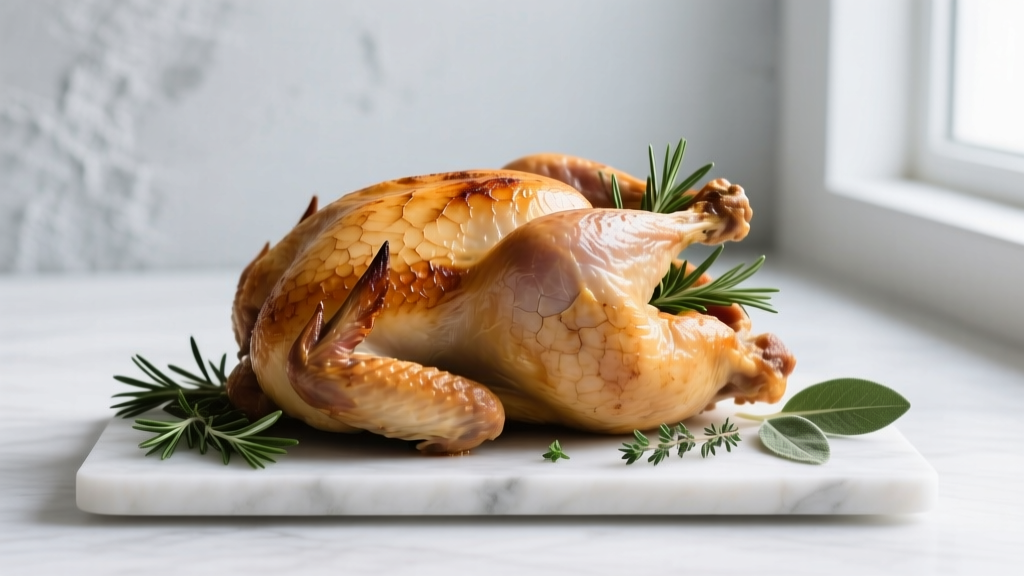
Herb Roasted Chicken Recipe: Crispy Skin, Juicy Meat
Why This Recipe Actually Works (After 20 Years of Roasting)
Look, I've roasted hundreds of chickens—some glorious, some disasters. You know that sad, soggy-skin situation? Yeah, we've all been there. Here's the real talk: most "easy" recipes skip the non-negotiables. Air-chilled birds (not water-plumped) are game-changers because their skin crisps instead of steaming. And that 1-hour salt rest? It’s not optional. Salt migrates into the meat, seasoning it through—not just a surface sprinkle. Honestly, I used to skip it too until I tasted the difference.
Your Tool & Ingredient Cheat Sheet
Forget fancy gadgets. You need exactly three things:
- A 3½-4 lb air-chilled chicken (check labels—"never frozen" is key)
- Cast iron skillet (heated empty in oven first—trust me)
- Dry herb rub (wet marinades just sit on skin)
Speaking of rubs: fresh herbs burn. Dried work better here—they’re concentrated and won’t steam the skin. My go-to blend? 2 Tbsp dried thyme + 1 Tbsp crushed rosemary + 1 tsp garlic powder. Toss in lemon zest if you’re feeling fancy.
| Method | Pros | Cons | When to Use |
|---|---|---|---|
| Dry Herb Rub | Skin crisps perfectly; flavors penetrate | Requires planning (1-hour salt rest) | 95% of home cooks—best for juicy results |
| Butter Under Skin | Extra richness | Skin sags; uneven browning | Avoid—causes blisters, not crispness |
| Wet Marinade | Strong surface flavor | Soggy skin; no depth | Only for grilling (not oven roasting) |
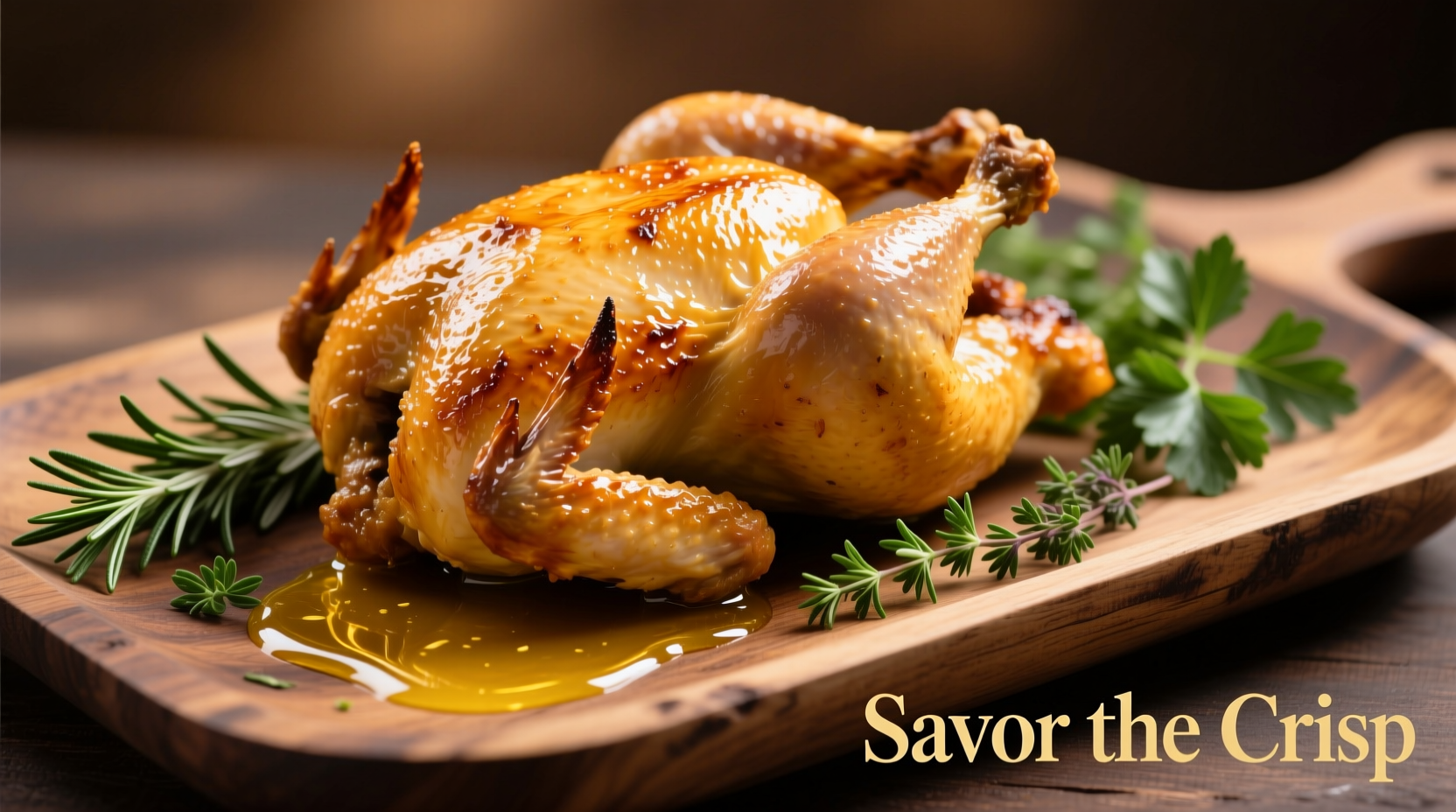
Step-by-Step: No Fluff, Just Results
- Dry & Salt: Pat chicken bone-dry with paper towels (critical!). Rub 1½ tsp kosher salt inside cavity and under skin on breasts. Let sit 60 mins at room temp.
- Prep Rub: Mix 2 Tbsp dried thyme, 1 Tbsp crushed rosemary, 1 tsp garlic powder. Rub under skin on breasts—don’t waste it on legs (they cook slower).
- Cast Iron Trick: Heat skillet empty in oven at 425°F (220°C) for 15 mins. Place chicken breast-up directly in hot pan—no oil needed. The preheated metal instantly sears the skin.
- Ride the Temp: Roast 45-55 mins until thigh hits 165°F (74°C). If skin browns too fast, tent loosely with foil.
- Rest Like a Pro: Transfer to cutting board, tent loosely. Wait 20 minutes—not less. This isn’t resting; it’s juice redistribution. Cutting early = dry chicken.
When to Avoid This Method (And What to Do Instead)
Okay, real talk: this isn’t magic for every situation. Avoid dry rubs if you’re using a frozen chicken—thawed birds release too much water, ruining crispness. Also skip cast iron for spatchcocked chickens; use a rimmed baking sheet instead so heat circulates evenly.
Biggest mistake I see? People cram veggies under the chicken. Stop it! Potatoes or carrots steam the skin. Roast them separately on another pan—toss with reserved drippings after carving. Saves your skin (literally).
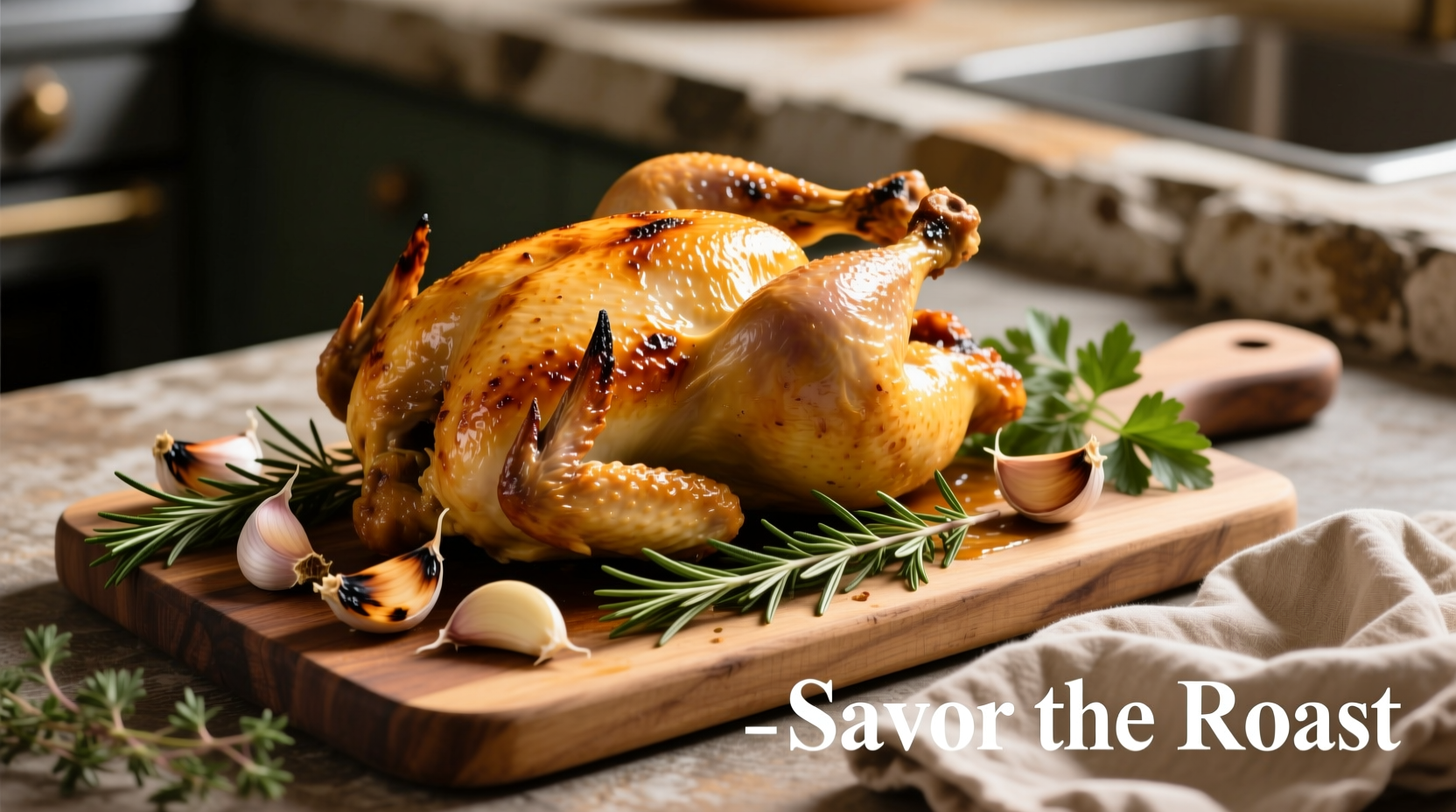
Why Bon Appétit’s Test Kitchen Got This Right
They nailed it in their definitive guide: air-chilled birds, 1-hour salt rest, and cast iron’s heat retention. Their dry rub approach (like grinding fennel seeds + peppercorns) outperforms wet marinades every time. No surprise—they tested 50+ variations. Smart move skipping butter under skin too—it creates steam pockets that ruin crispness.
Everything You Need to Know
Two culprits: Wet skin or cold pan. Pat chicken bone-dry before salting—no exceptions. And always preheat your cast iron empty for 15 minutes. Cold pans steam the skin instead of searing it. If using veggies, roast them separately to avoid moisture buildup.
Only on the surface. Fresh herbs burn at 425°F. Toss them in during the last 10 minutes for color, but your core rub must be dried herbs—they’re concentrated and won’t release water. Pro tip: Save fresh rosemary sprigs for garnish after resting.
Don’t wing it. Juices should run clear when thigh is pierced, but color isn’t reliable. Thigh meat must feel firm (not rubbery) when pressed. Still risky? Buy a $10 instant-read thermometer—it’s the only foolproof method. Undercooked chicken isn’t worth the gamble.
Yes—but only up to a point. Salt and rub the chicken 24 hours ahead, then leave uncovered in the fridge. This dries the skin for max crispness. Never add wet ingredients (like lemon juice) early—they’ll make the skin soggy. Roast day-of for best results.
3-4 days max in airtight containers. But here’s the pro move: shred cooled meat into broth with leftover herbs for next-day soup. Never reheat whole pieces—it dries out. Slice cold, then warm gently in a covered skillet with a splash of broth.
More Articles
 Simple Cabbage and Sausage Recipe for Busy Nights
 Cumin Rice: Foolproof Guide to Perfect Jeera Rice Every Time
 Turmeric in Indian Cooking: Real vs Fake Guide
 Master Homemade Tomato Soup: Flavorful Recipe & Pro Tips
 Best History Practical: Evidence-Based Strategies for Teaching and Assessing Historical Thinking in Real Classrooms
 How to Revive Old, Stale Spices: 5 Tricks to Bring Back Flavor
 Butter Chicken Vegetables: Best Pairings (2026)
 Where to Buy Star Anise: Trusted Stores & Online Sources
 Cajun Shrimp Sausage Gumbo: Authentic Recipe Guide
 How Long Do Dried Spices Last? Real Shelf Life Guide