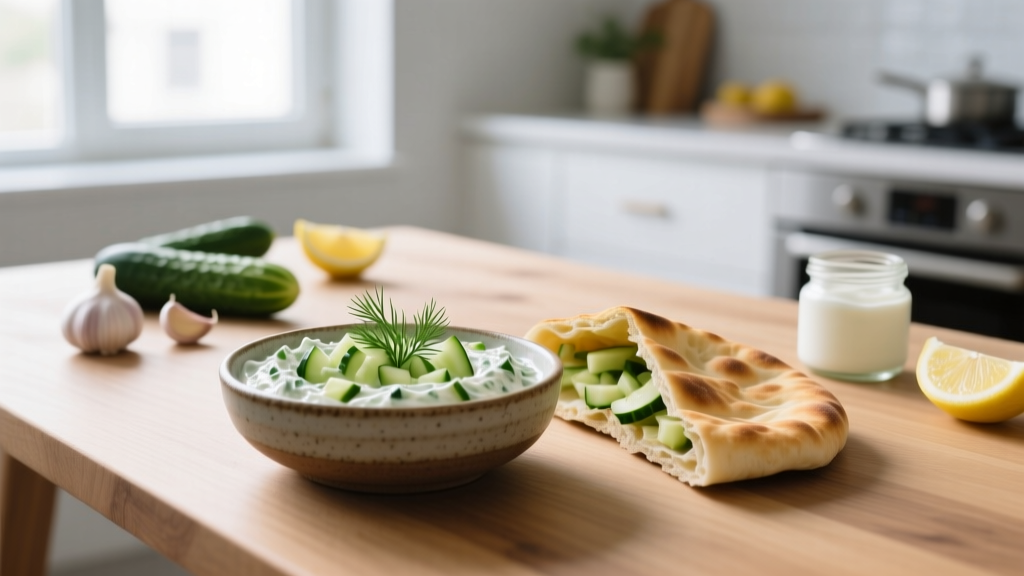
Tzatziki Sauce: What It Is, Authentic Uses & Common Mistakes
Let's Cut Through the Confusion First
Look, I've seen way too many people call any yogurt-cucumber mix "tzatziki"—honestly, that's like calling ketchup "tomato sauce" and calling it a day. The real deal has roots in Ottoman-era Greece, where peasants used strained yogurt to preserve milk. Fast forward to today: it's not just a gyro sidekick. I've used it in my kitchen for 15+ years, and here's what actually matters.
Why Your "Tzatziki" Might Be All Wrong
Ever had that sad, watery dip that floods your plate? Yeah, that's not tzatziki—it's a rookie mistake. The biggest issue? Skipping the cucumber squeeze. Let me tell you, I learned this the hard way when my first batch turned my pita soggy. Authentic tzatziki needs dry ingredients, period. Also, using regular yogurt instead of full-fat Greek yogurt? Big nope—it'll split when you add garlic. Trust me, I've tested 20+ store brands (like The Daily Meal's taste test shows), and the winners always use proper straining.
What Makes It Tick: The Non-Negotiables
Forget fancy variations—here's the core formula that's held up for centuries:
| Ingredient | Authentic Use | Common Mistake |
|---|---|---|
| Yogurt | Full-fat Greek yogurt, strained 24+ hours | Low-fat or regular yogurt (causes separation) |
| Cucumber | Grated, salted, and squeezed DRY in a towel | Chopped raw (adds water) |
| Garlic | 1-2 raw cloves, finely minced | Cooked or powdered (kills freshness) |
| Herbs | Fresh dill or mint (never dried) | Oregano (that's for salads, not sauce) |
See that cucumber row? That's the make-or-break step. I keep a clean kitchen towel just for squeezing—takes 2 minutes but saves your whole batch. And about the garlic: raw is non-negotiable. Cooked garlic turns it into... well, something else entirely.

Where to Actually Use It (And Where Not To)
Okay, real talk: tzatziki isn't magic dust you sprinkle on everything. I've seen people try it in baked pasta—don't. Here's the straight scoop:
- Use it when: Serving grilled lamb, chicken souvlaki, or as a veggie dip. Also killer as a sandwich spread (try it with roasted eggplant!). Pro tip: Let it chill 4+ hours—the garlic mellows perfectly.
- Avoid when: Cooking with heat (it'll curdle), or pairing with strongly spiced dishes like curry. And never—ever—use it as a salad dressing. I learned this when my "tzatziki Caesar" turned into a sad puddle.
Storage note: Homemade lasts 3-4 days max in the fridge. Store-bought? Check labels—The Daily Meal found top brands use live cultures that keep it fresh longer.

Spotting Quality: What Stores Won't Tell You
Walking past supermarket shelves? Here's how to pick a legit jar (or avoid disaster):
- Check the yogurt type: "Greek yogurt" must be first ingredient. If it says "cultured cream" or has gums (xanthan, guar), skip it—that's not traditional.
- Water test: Shake the jar. If liquid pools on top, it's poorly made. Authentic tzatziki stays thick—like my grandma's.
- Garlic smell: Should hit you immediately. Weak garlic means they cooked it (yuck).
Fun fact: Greek chefs actually frown on adding lemon juice—it's Turkish-influenced. Stick to olive oil and salt for purity.
Everything You Need to Know
Yes, traditionally it's 100% gluten-free since it's just yogurt, cucumber, garlic, and herbs. But always check store-bought labels—some brands add wheat-based thickeners. When making it yourself, just avoid cross-contamination with pita crumbs.
3-4 days max in the fridge. The cucumber releases water over time, making it watery. Pro move: Store it in a container with plastic wrap pressed directly on the surface—this blocks air and keeps it fresh longer. After day 4? Toss it; no one wants funky garlic sauce.
Technically yes, but it won't be authentic tzatziki—it becomes more like a ranch dip. Sour cream lacks the tang and protein structure of Greek yogurt, so it separates faster. If you must substitute, use 50/50 sour cream and full-fat Greek yogurt to salvage some texture.
Two culprits: not squeezing cucumbers enough (they hold 95% water!) or using low-fat yogurt. Fix it by straining the mix through cheesecloth for 30 minutes. Prevention tip: Salt grated cucumbers, wait 10 minutes, then squeeze in a towel until no liquid drips.
Yes—when made traditionally. Full-fat Greek yogurt offers protein and probiotics, cucumbers add hydration, and garlic has anti-inflammatory benefits. Skip store versions with added sugar (some have 3g per serving!). A 2-tbsp serving is about 30 calories. Just don't drown your gyros in it—moderation, folks.
The Bottom Line
At its heart, tzatziki is peasant food done right: simple, refreshing, and versatile. Forget the fancy twists—honor the basics. Use full-fat yogurt, squeeze that cucumber dry, and keep garlic raw. Do this, and you'll have a sauce that's been cooling Mediterranean palates for centuries. Now go enjoy it with some warm pita—you've earned it.
More Articles
 Indian Soup Recipes: Simple Steps & Cultural Tips
 Marinara Sauce Ingredients: Authentic vs Americanized
 Rolls for Ideas: Creative, Practical, and Flavor-Forward Ways to Store, Organize, and Revitalize Your Spice Collection
 Cheesy Potato Soup Crock Pot: Simple Slow Cooker Guide
 Best Cooking With Spices For Life: Science-Backed Habits That Elevate Flavor, Nutrition, and Long-Term Health
 Ground Coriander vs Coriander Seeds: Key Differences
 Store Spices for Maximum Freshness (2026)
 Bun Bo Hue: Vietnam's Spicy Noodle Soup vs Pho
 Cream Cooking With Spices Essentials: Techniques, Pairings, and Precision for Rich, Flavor-Forward Dishes
 Proven Steak Seasoning Guide for Grilling (No Guesswork)