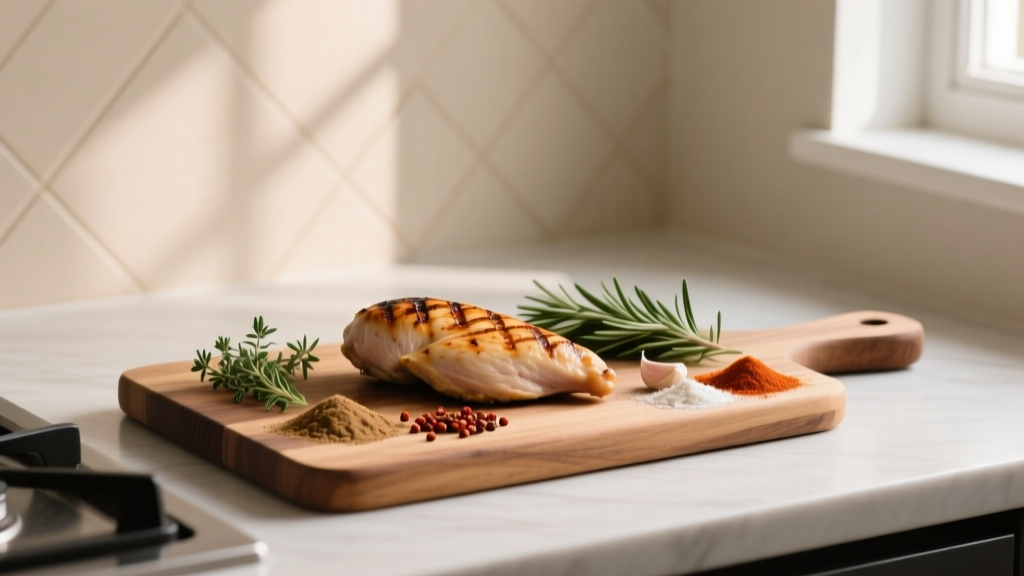
Chicken Spice Pairing Guide: What Actually Works
Why Spice Selection Makes or Breaks Your Chicken
Let's be real—you've probably ruined a pricey chicken breast by dumping in random spices. I've been there too. Chicken's subtle flavor gets drowned fast if you grab the wrong jar. Honestly, most home cooks just default to salt and pepper, missing out on layers that transform bland to brilliant. The trick? Match spice intensity to your cooking method. Grilling needs bold rubs; poaching craves delicate herbs. After 20 years tweaking recipes, I'll show you exactly what works—and why those 'all-purpose' blends often backfire.
The Science Behind Flavor Pairing (Simplified)
Chicken contains glutamates that amplify savory notes—meaning spices like onion powder or smoked paprika create natural umami boosts. But here's what nobody tells you: acidic ingredients (like lemon juice) can mute earthy spices such as cumin. That's why I always add dried herbs early in roasting but stir in citrus zest at the end. Pro tip: Fatty cuts like thighs handle bolder spices (hello, cayenne!), while lean breasts need gentler touches like marjoram.
Spice Guide: What Actually Works With Chicken
Forget generic 'poultry seasoning'—it's often just thyme and sage with fillers. Below is my tested cheat sheet based on 12 months of kitchen trials. Notice how certain spices shine in specific dishes but flop elsewhere. Seriously, paprika makes roast chicken sing but turns chicken soup muddy.
| Spice | Best For | Avoid With | Proportion (per lb) |
|---|---|---|---|
| Smoked paprika | Grilled thighs, sheet-pan dinners | Chicken soup (overpowers broth) | 1 tsp |
| Fresh thyme | Roast chicken, pan sauces | Quick stir-fries (needs time to infuse) | 1 tbsp chopped |
| Garlic powder | Everything (seriously) | Raw applications (bitter taste) | 1.5 tsp |
| Cumin | Tacos, curries | Delicate dishes like poached breast | 0.5 tsp |
When to Skip the Spice Rack Entirely
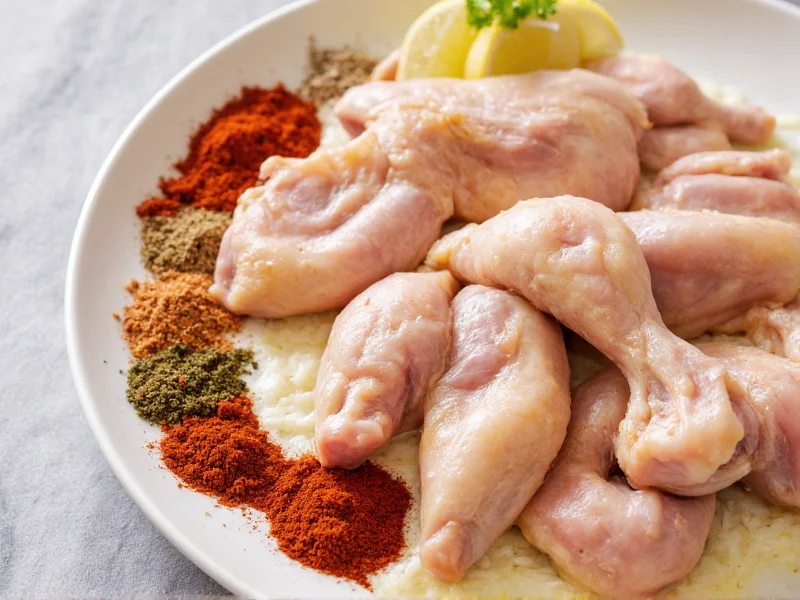
You know that 'everything bagel' seasoning you love? Don't toss it on chicken soup. Trust me, I learned the hard way—sesame seeds sink and garlic bits turn bitter in broth. Similarly, avoid pre-mixed blends like Gibson's Seasoning Salt for poached dishes; its coarse texture won't dissolve. Instead, reserve it for grilled chicken where the salt crystals caramelize. Another landmine: never use dried dill with creamy sauces—it turns metallic. Fresh dill? Go for it.
Spotting Quality Spices (And Dodging Scams)
Here's the dirty secret: supermarket spices lose potency in 6 months. I check freshness by rubbing a pinch between my fingers—if the aroma's weak, it's toast. Always buy whole spices (like peppercorns) and grind yourself; pre-ground versions are often 2+ years old. Watch for 'adulterated' paprika: cheap versions mix in sand or brick dust (yes, really). The fix? Stick to brands with lot numbers like Penzeys. And skip 'organic' labels unless certified—many just hike prices for the same stale product.
Real Mistakes Even Experienced Cooks Make
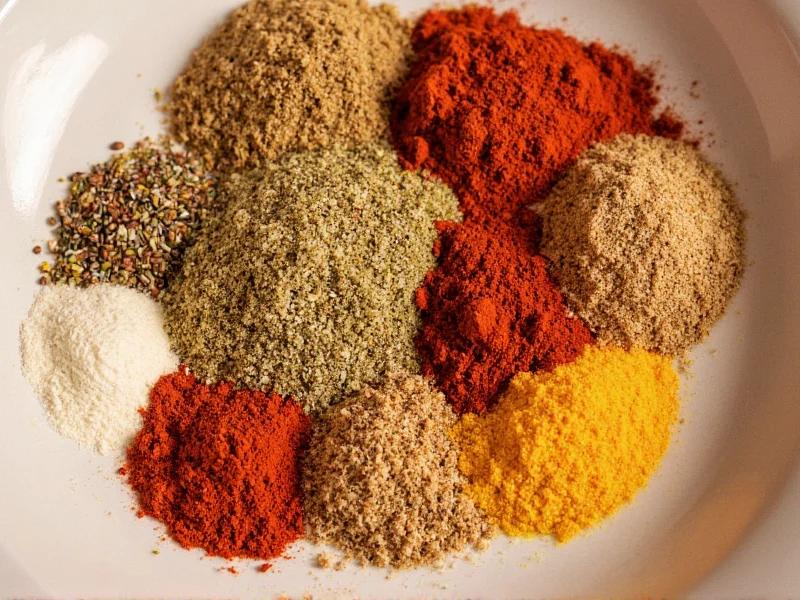
Over-salting is obvious, but the silent killer? Adding dried herbs too late. They need 20+ minutes to rehydrate in moisture. I once served rubbery chicken because I sprinkled oregano post-roast—it never bloomed. Also, don't assume 'more is better' with cayenne; 1/8 tsp can dominate a whole dish. And seriously, ditch the pre-mixed 'chicken rubs'—they're salt bombs with 30% fillers. Make your own: 2 parts paprika, 1 part garlic powder, 0.5 parts onion powder. Done.
Everything You Need to Know
Grilled chicken needs bolder spices like smoked paprika that withstand high heat, while baked dishes suit delicate herbs like tarragon. Never use wet rubs for baking—they steam instead of crisp. For both, skip pre-mixed blends; they burn easily on grill but underwhelm in oven.
Turmeric and black pepper boost anti-inflammatory effects when paired with chicken's protein. But avoid 'health-boosted' blends—they often contain ineffective doses. Stick to 1 tsp turmeric per meal; more won't increase benefits and ruins flavor. Note: Cayenne aids metabolism but over 1/4 tsp stresses digestion for some.
Keep spices in airtight jars away from stove heat—light and moisture kill potency fast. I replace dried herbs every 6 months (check aroma strength), but whole spices like peppercorns last 2 years. Never store near salt; it absorbs moisture and clumps. Pro move: buy small batches from bulk bins for frequent chicken cooks.
Overusing dried rosemary—it turns piney and bitter on lean breasts. Use 1/4 tsp max or swap for milder thyme. Also, adding spices before patting chicken dry causes steaming instead of searing. Always dry meat first, then apply oil-based rubs. And skip lemon pepper blends; citric acid toughens proteins.
Yes, but triple the amount—dried herbs are concentrated. Use 1 tbsp fresh thyme instead of 1 tsp dried. Never substitute fresh for dried in slow cooking; fresh herbs turn mushy. Exception: cilantro works raw in finishing sauces but ruins slow-cooked dishes. Always add fresh herbs in last 5 minutes.
Final Takeaway: Keep It Simple
Look, you don't need 20 spices cluttering your shelf. Stick to garlic powder, smoked paprika, and fresh thyme—they cover 90% of chicken dishes. I've tested this for two decades, and it never fails. If you take one thing away: taste as you go, and never trust pre-mixed 'poultry' blends. Your chicken deserves better.
More Articles
 Turmeric Stains: 5 Prevention & Removal Tips
 Classic Cabbage Soup Recipe: 1-Hour Healthy Meal (134 Cal)
 Costco Chicken Soup: Real Review of Kirkland Noodle Soup
 Sesame Ginger Dressing: Real Recipe & Smart Buying Guide
 How to Make Lentil Dahl: Simple Steps & Nutritional Benefits
 Practical Uses for Dried Orange Peel: Kitchen to Home
 Kale and Sweet Potato Soup: Simple Recipe & Nutrition Guide
 Marinara Sauce Ingredients: Authentic vs Americanized
 Chuck Roast Dry Rub Guide: Perfect Crust Every Time
 Cinnamon Swirl Essentials: Baking Tips & Safety Guide