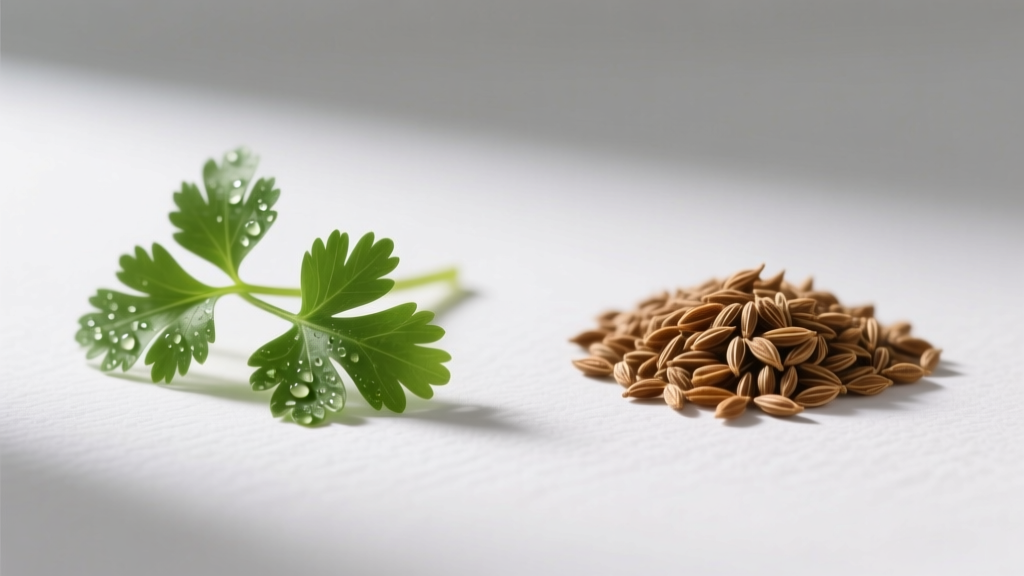
Coriander vs Cumin: Spot the Difference, Master the Flavor
Why This Confusion Happens (And Why It Matters)
Look, I get why you’re scratching your head. Same spice aisle, similar seed shapes, and that whole "cilantro vs coriander" naming mess. But here’s the kicker: they’re botanical strangers. Coriander comes from the parsley family (Apiaceae), while cumin’s a distant cousin in the same crew. Mess them up, and your curry turns into a flavor trainwreck. Been there, burned that cumin too long – trust me.
Flavor Face-Off: What You’re Actually Tasting
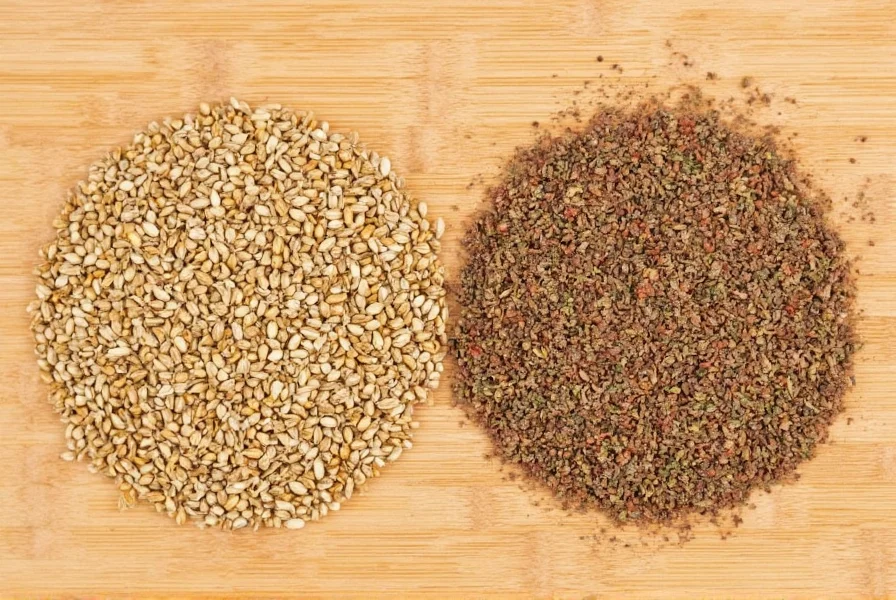
Okay, let’s cut through the jargon. When recipes say "coriander," they mean the seeds – not the fresh cilantro leaves (that’s where 80% of the mix-ups happen). Here’s how they actually behave in your pan:
| Characteristic | Coriander Seeds | Cumin Seeds |
|---|---|---|
| Raw flavor | Lemon-pepper candy, slightly floral | Earthy, almost smoky – like campfire dust |
| When toasted | Warm nuttiness (think roasted almonds) | Bitter notes intensify; needs careful watching |
| Common mistakes | Over-toasting = soapy bitterness | Under-toasting = harsh, metallic taste |
| Classic pairings | Fish, lamb, pickles, raita | Chili, tacos, hummus, garam masala |
Real talk? Cumin’s the diva here. McCormick confirms it has that "edge of citrus" – but burn it for 10 seconds too long and it turns acrid. Coriander’s more forgiving, but skip toasting it entirely and you’ll miss its sweet potential.
When to Grab Which Jar (Without Second-Guessing)
You don’t need a PhD to use these right. After 20 years of spice cabinet disasters, here’s my cheat sheet:
- Reach for coriander when: You’re making anything bright and fresh – think Indian chutneys, Scandinavian gravlax, or Middle Eastern fattoush salad. It’s the secret in garam masala that keeps blends from tasting muddy.
- Grab cumin when: You’re building deep, savory bases – Mexican moles, Moroccan tagines, or black bean soup. It’s non-negotiable in taco seasoning (sorry, "cumin-free" versions).
- Never substitute: Swapping one for the other in a 1:1 ratio? Recipe suicide. Coriander can’t mimic cumin’s earthiness, and cumin will murder coriander’s delicate notes.
Avoiding Grocery Store Scams (Yes, Really)
Here’s where things get shady. Both spices get routinely adulterated – and I’ve caught this myself at three different markets last month. The Setu Nutrition tests are dead simple:
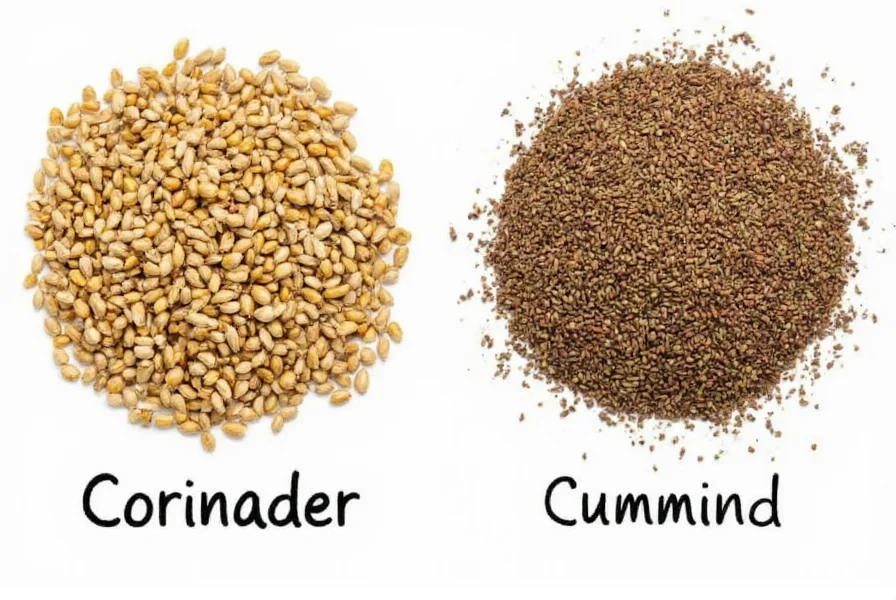
- For coriander powder: Stir 1 tsp into water. Pure stuff sinks; husk floats like confetti. Science backs this – adulterated batches show lower linalool (its key flavor compound).
- For cumin seeds: Rub handful vigorously in palms. Real cumin leaves zero residue; fake versions (dyed grass seeds) stain black from charcoal dye.
Pro tip: Buy whole seeds whenever possible. Ground versions lose 40% of flavor in 6 months (per USDA spice stability studies). Toast seeds in a dry pan 2 minutes max – that’s when coriander’s citrus oils bloom.
Cultural Context You Won’t Find on Labels
Coriander’s got deeper roots than you think. In Ayurveda (Pure Indian Foods explains), it’s "Dhaniyaka" – used for digestion and cooling "pitta" imbalances. Meanwhile, cumin was found in 2,000-year-old Egyptian tombs. Point is: these aren’t just pantry fillers; they’re culinary time machines.
Fun reality check: That "coriander" in your British curry recipe? It’s seeds. Same word in a Mexican salsa recipe? Means cilantro leaves. Always, always check the context.
Everything You Need to Know
No – it’ll taste like sweetened dirt. Cumin provides earthy depth chili needs; coriander’s citrus notes clash. In a pinch, use 1/2 tsp smoked paprika + pinch of oregano for similar warmth.
Whole seeds in airtight jars, away from light/heat. Ground versions lose potency fast – buy small batches. Never store above the stove (heat = flavor killer). Properly stored, whole seeds last 2 years; ground lasts 6 months max.
Over-toasting! Coriander turns bitter if heated beyond 320°F. Toast 1-2 minutes max in a dry pan until fragrant. Also, some people have a genetic trait making coriander taste soapy – but that’s the fresh herb, not seeds.
Coriander seeds may help lower blood sugar (per NIH studies); cumin shows stronger iron content. But don’t treat them as medicine – use for flavor first. Both are safe in cooking quantities unless you have specific allergies.
They balance each other! Coriander’s brightness cuts through cumin’s heaviness. RawSpiceBar notes they “dance together” in blends – skip one and the masala tastes one-dimensional. Traditional ratios: 2 parts coriander to 1 part cumin.
More Articles
 Indian Spices for Curry: What Actually Works in Your Kitchen
 Simple Vegetable Soup Recipe: 30 Minutes, 10 Ingredients
 Slow Cooker Vegetable Beef Soup Done Right
 The Practical Chicken Buying Guide: Labels, Cuts, Storage, and Real-World Value
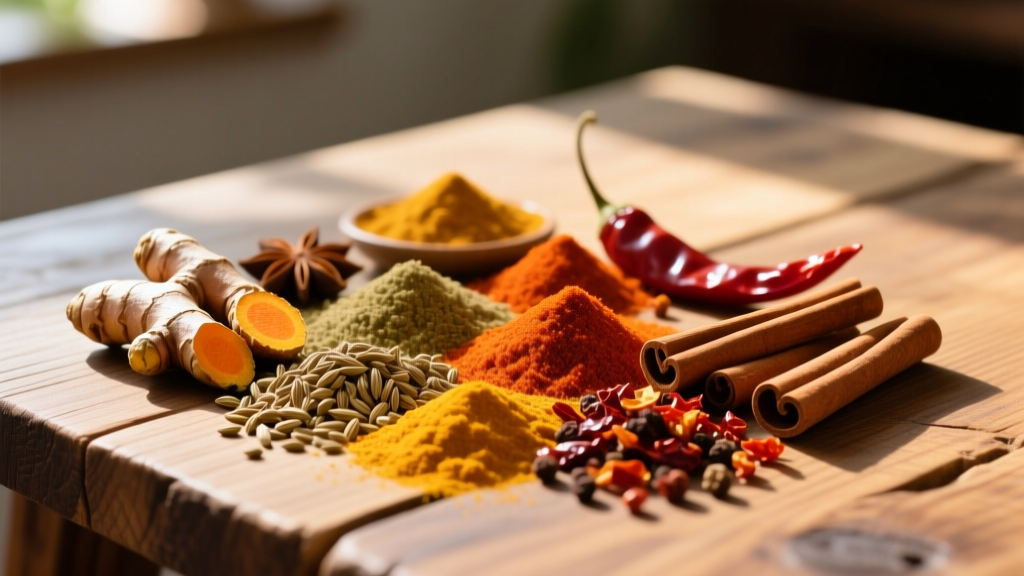 Store Spices for Maximum Freshness (2026)
 Smart Steamed Broccoli Seasoning Guide: No Salt Needed
 Simple Cabbage and Sausage Recipe for Busy Nights
 Where to Buy Star Anise: Trusted Stores & Online Sources
 Kale and Sweet Potato Soup: Simple Recipe & Nutrition Guide
 Cheap vs Premium Turmeric: What You’re Really Paying For — And Why It Matters for Health and Flavor