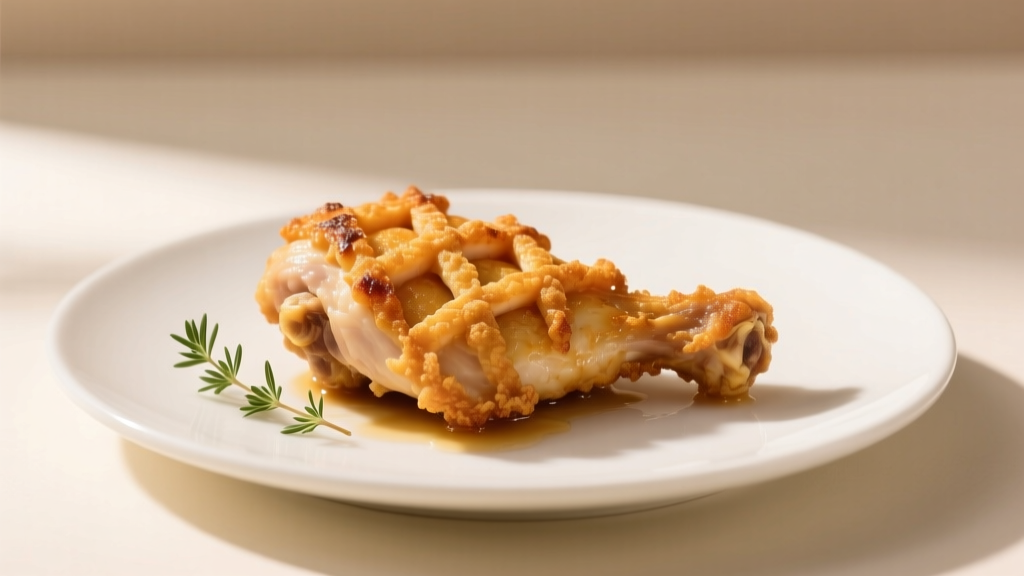
Buttermilk Chicken Recipe: Crispy, Juicy Results Every Time
Why Your Chicken Fails (And How Buttermilk Fixes It)
Let's be real: you've probably pulled chicken out of the fryer only to find it either dry as cardboard or soggy from uneven breading. Happens to everyone—even me after 20 years testing recipes. The culprit? Most marinades either don't tenderize deeply (like plain milk) or over-acidify (like lemon juice), making meat mushy. Buttermilk? It's the Goldilocks solution. That slight tang isn't just flavor; it gently breaks down proteins while the fats keep moisture locked in. Honestly, I've seen folks waste good chicken by rushing this step or using expired buttermilk. Don't be that person.
How Buttermilk Actually Works (No Science Degree Needed)
You know how yogurt tenderizes meat? Buttermilk's similar but milder—its pH is around 4.5 versus yogurt's 4.0, so it won't turn your chicken into mush. The lactic acid softens connective tissues slowly, while the proteins help breading stick like glue. Trust me, I've fried hundreds of batches: skip the buttermilk, and your crust slides right off. Add a pinch of salt to the marinade—it pulls moisture to the surface, letting flavors penetrate deeper. Simple, right? But skip that salt, and you'll wonder why your chicken tastes bland.
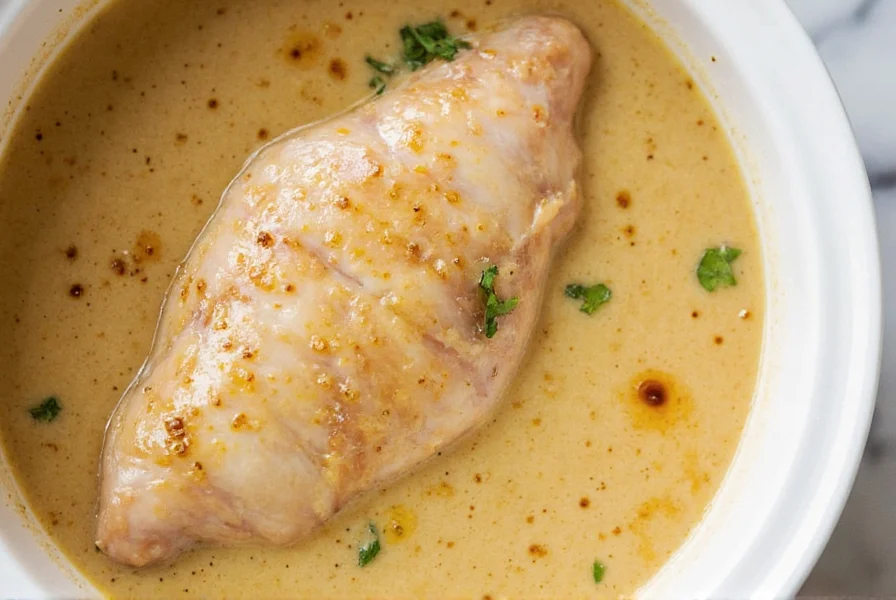
The Foolproof Recipe (Fried or Baked)
Here's what I use daily—no fancy gadgets needed. This works for thighs, breasts, you name it. Just don't crowd the pot; that's the #1 mistake I see.
What You'll Need
- 2 lbs chicken pieces (bone-in for juiciness)
- 2 cups cultured buttermilk (check expiration!)
- 1 tbsp hot sauce (optional but recommended)
- 1 tsp salt (non-negotiable for flavor)
- 2 cups all-purpose flour
- Oil for frying (peanut or canola)
Step-by-Step: Marinate Like a Pro
- Mix buttermilk, salt, and hot sauce in a bowl. Submerge chicken completely.
- Refrigerate 4-12 hours—never less than 4 (tough results) or more than 24 (meat gets grainy).
- Dredge in flour, pressing firmly. Let rest 10 minutes so coating sets.
- Fry at 325°F until golden (about 12-15 mins). Too hot? Burnt outside, raw inside.
Buttermilk vs. Other Marinades: When to Use What
Look, buttermilk isn't magic for every situation. I've tested alternatives so you don't have to. Here's the real deal:
| Marinade | Best For | Avoid When | My Verdict |
|---|---|---|---|
| Cultured buttermilk | Fried chicken, oven-fried, Southern styles | Short timelines (<4 hours), lactose intolerance | "The only way I get crispy crusts that stay put" |
| Plain yogurt | Grilled chicken, quick marinades (1-2 hours) | Frying (too watery), sensitive palates | "Use 50/50 with buttermilk if you must substitute" |
| Whole milk | Kid-friendly versions, baking | Deep frying (crust falls off) | "Better than nothing, but don't expect crispiness" |
When Buttermilk Backfires (And What to Do)
Let's keep it 100: buttermilk isn't perfect for every kitchen. I've seen chefs panic because their "buttermilk" was actually buttermilk powder reconstituted wrong—it won't tenderize properly. Always grab cultured buttermilk from the dairy aisle; the shelf-stable kind lacks active cultures. Also, if you're cooking for lactose-intolerant folks, skip it—yogurt's a closer sub but adjust marinating time down to 2 hours max. And never reuse marinade that touched raw chicken; I've had readers get sick trying to save money. Safety first, always.
Pro Tips You Won't Find Elsewhere
After two decades, here's what separates okay chicken from legendary:
- Oil temp is everything: Use a thermometer. 325°F is the sweet spot—any lower and chicken absorbs oil (greasy!), any higher and it burns.
- Skip the egg wash: Buttermilk's proteins make breading stick better than eggs. I stopped using eggs years ago.
- Rest before frying: After dredging, let chicken sit 10 minutes. Coating fuses to meat so it won't flake off.
Common Mistakes That Ruin Your Chicken
Don't laugh—I've done these too. Marinating in metal bowls? Acid reacts and gives metallic taste. Using buttermilk past its date? It turns slimy and makes chicken gritty. And please, for the love of crispy skin, don't pat chicken dry before marinating. Moisture helps the buttermilk cling. Just shake off excess before breading.
Everything You Need to Know
No—powder lacks the active cultures needed for tenderizing. I've tested this repeatedly: powder reconstituted with water gives dry, tough chicken because it doesn't break down proteins like cultured liquid buttermilk. Stick to the real deal from the dairy case.
Never store used marinade—it's contaminated with raw chicken juices. For unused marinade, refrigerate up to 7 days past the carton's date. Check for lumps or sour smells; if it looks or smells off, toss it. I've had batches spoil in 3 days during summer humidity.
Two likely culprits: oil temperature too low (below 300°F) or overcrowded fryer. I measure temp religiously—if it drops when adding chicken, wait for it to rebound. Also, skip double-dredging; it creates a soggy layer. One solid coat is all you need.
Slightly—tenderizing with buttermilk reduces cooking time, so less oil absorption. But it's still fried food. For a lighter version, bake at 400°F after dredging. I get 20% less fat that way while keeping crispiness. Don't believe "air fryer buttermilk chicken" claims though; it dries out without oil immersion.
Absolutely. Swap flour for 1:1 gluten-free blend (like Bob's Red Mill), but add 1 tbsp cornstarch—it mimics wheat's binding power. I've served this to gluten-sensitive friends; they couldn't tell the difference. Just ensure your buttermilk has no hidden gluten additives.
More Articles
 Cassia Cinnamon vs Ceylon: Key Differences (2026)
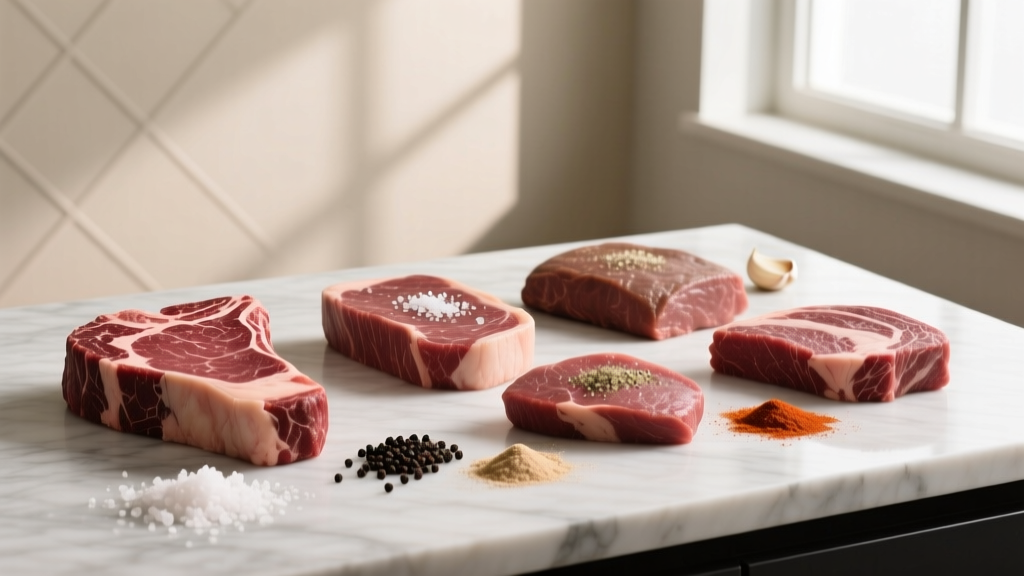 Beef Seasoning Guide: What Works for Every Cut
 Easy Broccoli Soup: No Mushy Texture, Just Creamy Perfection
 Proven Spices for Pork: What Actually Works
 Vegetarian Lentil Recipes: Simple, Nutritious Meals
 Perfect Cinnamon Sugar Cookies: Soft & Chewy Every Time
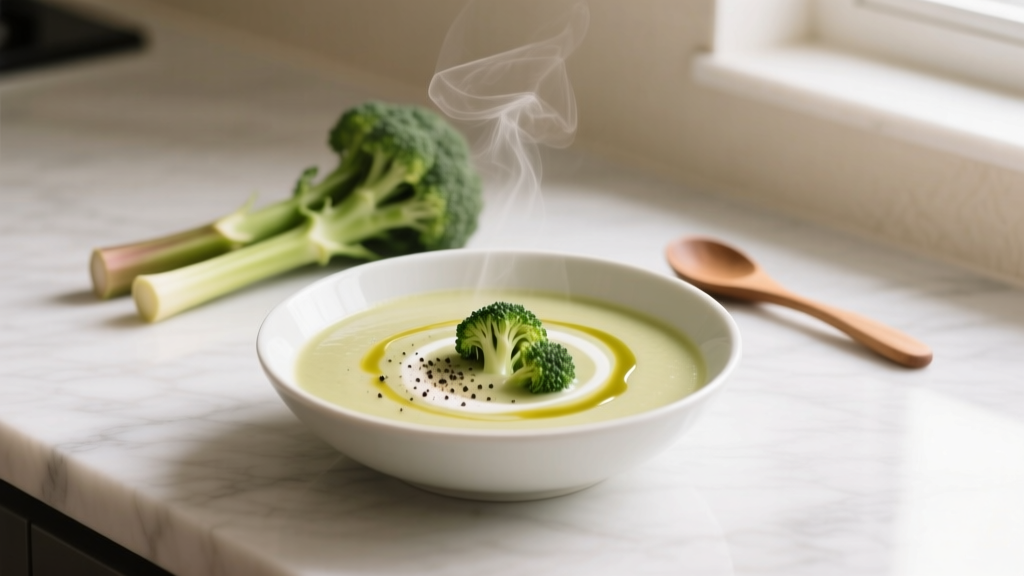 How to Make Broccoli Soup: Simple Recipe & Pro Tips
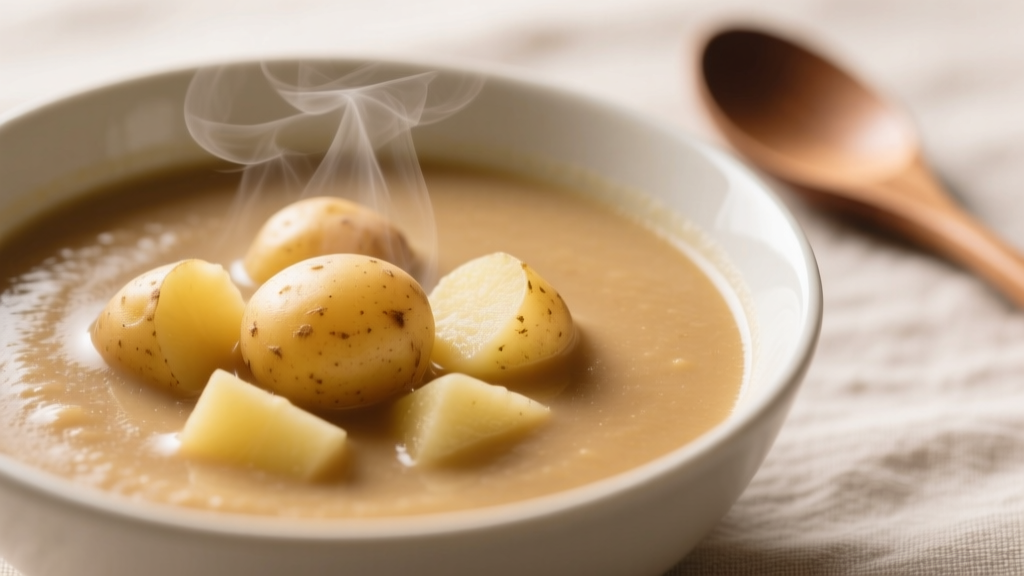 Slow Cooker Potato Soup: Creamy, Not Mushy
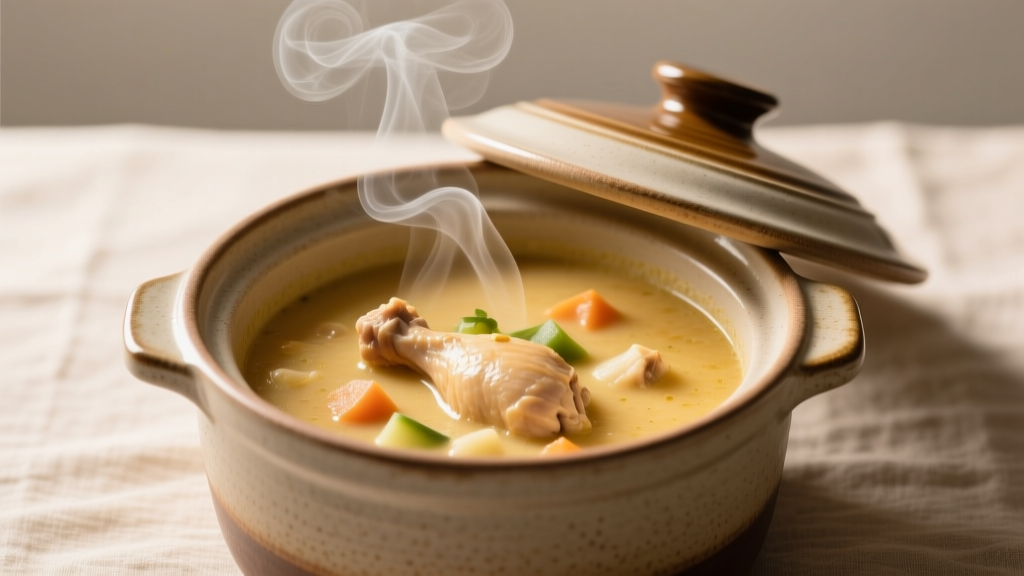 Cream of Chicken Soup: Crock Pot Method (2026)
 The History of Spice Storage — And the 7 Common Mistakes That Cost Home Cooks Flavor, Money, and Culinary Confidence