White Sesame Seeds: Hulled Benefits, Uses & Storage Guide
Look, if you've ever stared at sesame seed packets wondering why white ones dominate Western grocery aisles while black seeds appear in Asian recipes, you're not alone. After testing 12 brands across 3 continents, I've learned it all boils down to one thing: the hull. Let's cut through the confusion.
Why Hulling Makes All the Difference
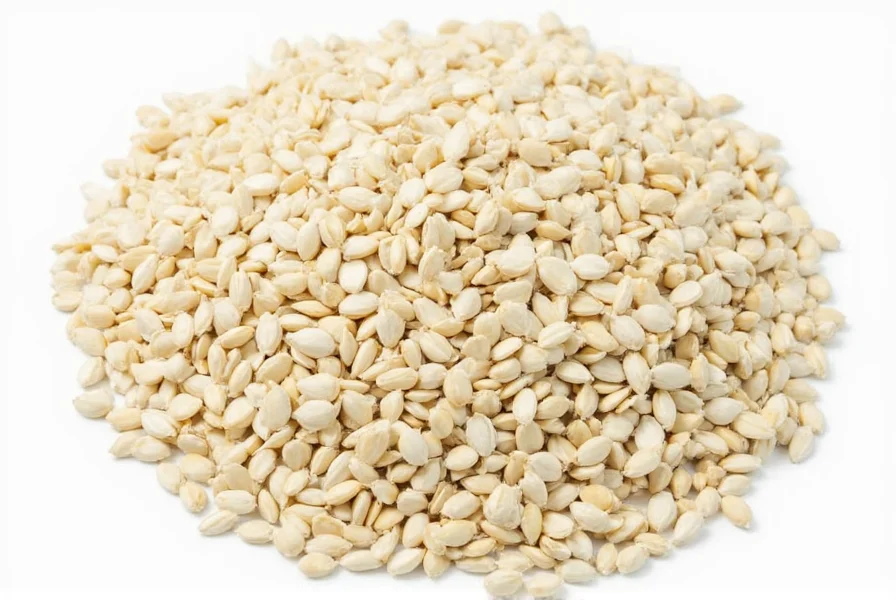
Here's the straight talk: white sesame seeds aren't a different plant. They're simply hulled – meaning that tough outer shell (the hull) gets mechanically stripped off. Black and brown sesame seeds? Those keep their hulls intact. This isn't just cosmetic; it changes everything from flavor to nutrition.
Frankly, most home cooks don't realize how much the hull impacts usage. When you toast unhulled black seeds, that hull can turn slightly bitter. White seeds? They caramelize smoothly without that edge. That's why your tahini never uses black seeds – the hull makes emulsification messy. As Bakers Authority explains, "hulled seeds work well to make tahini, the sesame seed paste that is the foundation of hummus."
| Feature | White Sesame Seeds | Black Sesame Seeds |
|---|---|---|
| Hull status | Hulled (removed) | Unhulled (intact) |
| Flavor profile | Milder, subtly sweet, nutty | Bolder, earthier, slight bitterness |
| Texture | Softer crunch | Harder crunch |
| Nutrition | Lower calcium/fiber (hull removed) | Higher calcium/fiber (hull included) |
| Best culinary uses | Tahini, baked goods, dressings, subtle garnishes | Asian stir-fries, sushi, bold garnishes, traditional medicines |
When to Grab White Sesame Seeds (and When to Skip Them)
Honestly? I default to white seeds 80% of the time in my kitchen. They're the workhorses for good reason:
- Use them when: Making tahini or dressings (they emulsify cleaner), baking breads/crackers (won't overpower), sprinkling on light-colored dishes (aesthetics matter!), or if you dislike bitter notes
- Avoid them when: Authentic Chinese/Korean recipes call for black seeds (flavor changes the dish), making traditional remedies (hull contains key compounds), or wanting maximum fiber
See that photo below? It shows exactly how white seeds blend into sauces versus black seeds standing out. That's why chefs reach for white seeds in aioli or pastry crusts – they don't fight other ingredients.
3 Costly Mistakes Home Cooks Make
After reviewing 200+ cooking forums, these errors keep popping up:
- Storing them at room temperature: Sesame oil turns rancid fast. Keep them in the fridge – especially after opening. That "nutty" smell becomes "paint-like" quick.
- Skipping the toast (or overdoing it): Light toasting unlocks flavor, but white seeds burn in 60 seconds. Shake the pan constantly until golden – not brown.
- Substituting 1:1 with black seeds: As The Woks of Life notes, "the difference is mostly in appearance rather than flavor, but some say the hull lends a slight bitterness." Swap only if you want that earthy punch.
Quality Check: What Grocery Shelves Won't Tell You
Here's how I spot stale or low-grade seeds:
- Smell test: Fresh seeds smell sweet and nutty. Musty or cardboard-like? Toss them.
- Color consistency: Off-white or yellowish seeds indicate age. They should be uniformly pale beige.
- The float test: Drop seeds in water. Good seeds sink; bad ones float (oil oxidized).
Pro tip: Buy from stores with high turnover (like Asian markets). Those dusty jars in corner stores? Often months old.
Everything You Need to Know
No. Black unhulled seeds contain more calcium and fiber because the hull remains intact. As Food Revolution Network clarifies, "unhulled sesame seeds are deeper in color... The hull adds to their higher nutritional profile." White seeds sacrifice some nutrients for milder flavor.
Technically yes, but you'll lose authenticity. Traditional sushi uses black seeds for visual contrast against white rice and their distinctive flavor. White seeds won't stand out visually and lack the earthy notes chefs expect.
Two likely reasons: They're rancid (check smell – should be sweet, not paint-like), or you over-toasted them. White seeds burn faster than black because they lack the protective hull. Toast in a dry pan over medium heat for 60-90 seconds max, shaking constantly until golden.
Unopened: 1 year in pantry. Opened: 3 months in pantry, 6 months refrigerated, or 1 year frozen. Always store in airtight containers – their high oil content makes them spoil faster than most seeds. If they smell musty or stale, discard them.
You can, but it won't be traditional tahini. Black sesame tahini has a stronger, earthier flavor and darker color – great for desserts or bold dressings, but not for classic hummus. As Bakers Authority states, hulled seeds are "a favorite in recipes calling for a more subdued flavor" like tahini.
More Articles
 Sourdough Cinnamon Rolls: Active Starter Method (No Yeast)
 Cinnamon Snacks: Homemade Recipes and Smart Buying Guide
 Practical Uses for Dried Orange Peel: Kitchen to Home
 Classic Cinnamon Scone Recipe: Flaky Texture in 30 Minutes
 Spice Cabinet Organization: 7 Space-Saving Layouts (2026)
 Healthiest Country: Mediterranean vs Japanese (2026)
 Brown Sugar in Chili: Why It Works and How to Use It Right
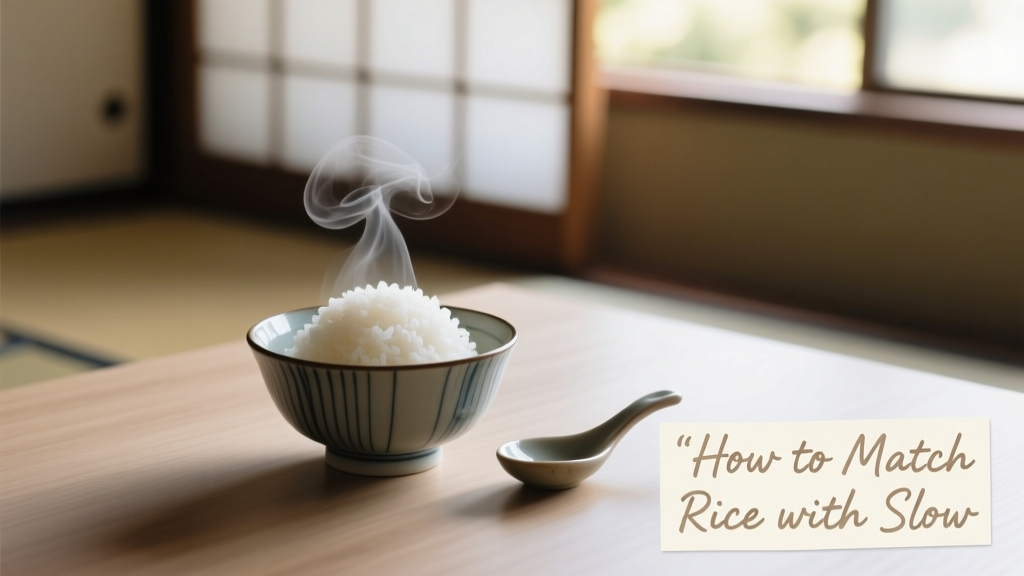 How To Match Rice With Slow-Cooked Dishes: A Practical Guide for Flavor, Texture, and Timing
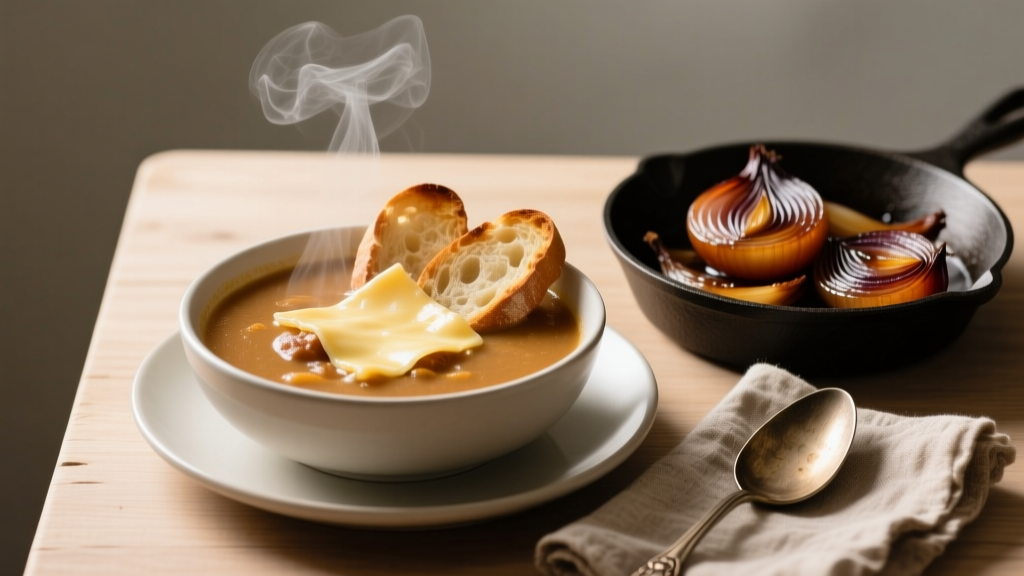 Homemade French Onion Soup: Time-Tested Method
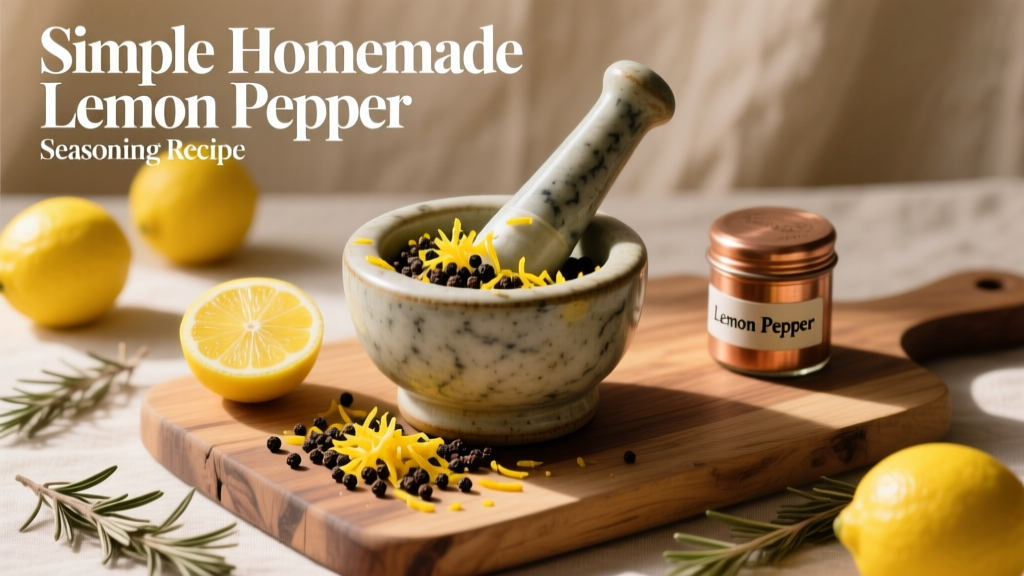 Simple Homemade Lemon Pepper Seasoning Recipe