Tiny Red Hot Peppers: Heat Levels, Uses & Safety Guide
Why Size Lies About Heat
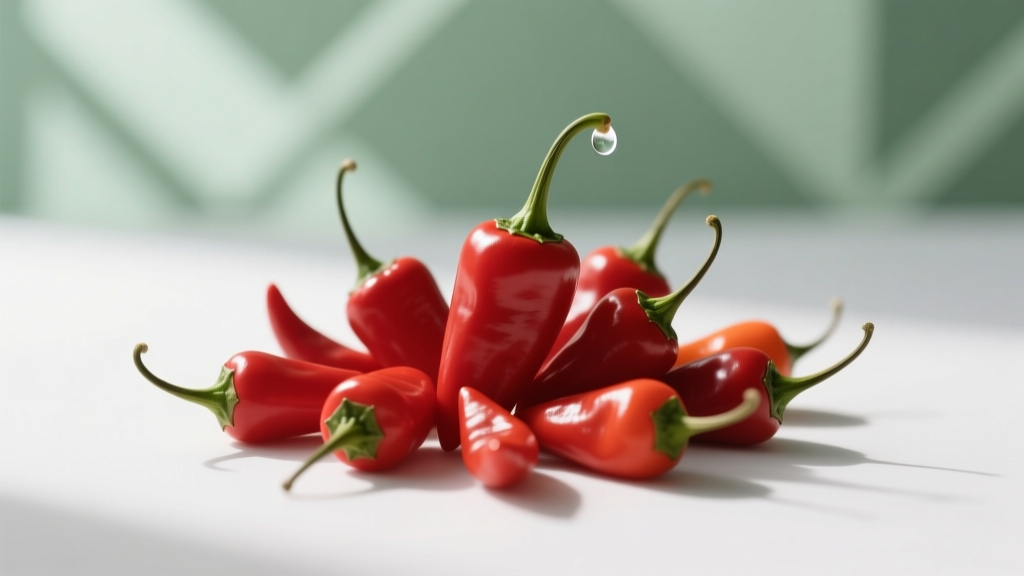
Let's get real—tiny red peppers are never mild. I've burned my fingers enough times to know: that innocent-looking ½-inch red nub packs serious punch. While poblanos (2–4 inches) stay mild even when red, and jalapeños (2–3 inches) hit medium heat, anything under 1 inch guarantees serious spice. Why? Smaller peppers concentrate capsaicinoids near the seeds. As PepperScale's 2023 cultivar analysis confirms, all peppers ≤1 inch hit 10,000+ SHU—that's cayenne territory.

Not All Tiny Reds Are Created Equal
Here's where things get spicy—literally. Some tiny peppers are just ornamental firebombs (looking at you, Filius Blue), while others bring actual flavor. I've tested dozens, and these two make my "keep" list:
| Pepper Type | Heat Range (SHU) | Flavor Personality | Real Kitchen Use |
|---|---|---|---|
| Aji Charapita | 30,000–50,000 | Tropical fruit (mango/pineapple), subtle smoke | 1 pepper = flavor bomb for 2 cups salsa. Never cook whole—seeds will wreck your dish. |
| Explosive Ember | 30,000–50,000 | Citrusy upfront, floral finish | Infuse oils (1 pepper per cup oil) or garnish tacos. Looks pretty but bites hard. |
Pro tip: Skip Filius Blue peppers unless you want pure heat with zero flavor. They're basically spicy confetti—great for photos, useless in food.
When to Grab Them (and When to Run)
I've ruined three batches of guacamole learning this: tiny red peppers demand respect. Here's my field-tested rulebook:
✅ DO Use Them For:
- Raw applications where heat disperses evenly (like ceviche or pico de gallo). Chop seeds separately from flesh.
- Infused oils (1 pepper per ¼ cup oil max). Strain after 48 hours.
- Garnishes where visual pop matters—Explosive Embers add color without overwhelming.
❌ NEVER Use Them For:
- Slow-cooked dishes (chili, stews). Heat intensifies over time—your "hint of spice" becomes mouthfire.
- Substituting for jalapeños. Seriously—one tiny pepper = 10 jalapeños. I learned this the hard way with tears in my eyes.
- Handling without gloves. Capsaicin transfers to eyes for hours. Trust me, "just rinsing" doesn't cut it.
Avoid These Market Traps
Supermarkets love selling "mystery tiny peppers" in clamshells. Save your cash—they're usually:
• Ornamental peppers (like Black Pearl) bred for looks, not taste. Bitter and one-note hot.
• Overripe Thai chilis sold as "specialty" peppers. Same heat profile as regular Thais, just pricier.
Real deal check: Look for "Aji Charapita" or "Chiltepin" on labels. If it just says "hot mini peppers," walk away. Grow your own from PepperScale-approved seeds if you want authenticity.
Everything You Need to Know
Nope—they're not interchangeable. One tiny pepper (30k-50k SHU) equals all the cayenne in a standard 2-gram packet. Start with 1/10th a pepper minced fine, taste, then add more. I've seen cooks dump a whole pepper into chili and render it inedible.
It's physics, not magic. Smaller peppers concentrate capsaicin near seeds—where you're likely to accidentally include them. A jalapeño's heat spreads through thicker flesh; with tiny peppers, one chop releases nearly all capsaicin at once. Always remove seeds with tweezers under running water.
2 weeks max in the crisper drawer—they dehydrate fast. For longer life: freeze whole on a tray, then bag. Never refrigerate unwashed; moisture accelerates rot. Pro move: dry them into flakes (string on thread, hang in dark cupboard).
The Bottom Line
Tiny red hot peppers are kitchen ninjas—small, fast, and devastating if misused. Stick to Aji Charapita for flavor, treat all others as heat-only artillery, and always seed them away from kids/pets. After 20 years of cooking with chilis, I'll take one properly used tiny pepper over a cup of jalapeños any day... but only if I'm wearing gloves. Your taste buds will thank you later.
More Articles
 Potato Soup with Hash Browns & Cream Cheese That Works
 Powdered Oregano Guide: Uses, Quality & Storage Tips
 Spice Freshness Test: 3 Quick Checks at Home
 Proven Spices for Pork: What Actually Works
 Ground Beef Sausage: What It Is & How to Use It Right
 Step Alternatives to Cumin: Practical Substitutes for Every Cooking Scenario
 Chicken Masala Seasoning: Your Essential Flavor Guide
 Leek Potato Soup Recipe: Simple French Classic Done Right
 Recipes FAQ Answered: Real Questions, Real Answers from a Spice Storage & Usage Expert
 Slow Cooker Vegetable Beef Soup Done Right