Authentic New Mexican Recipes: Culture, Chiles & Key Dishes
Why New Mexican Food Isn’t Just "Mexican"—And Why That Matters
Let’s cut through the confusion right away: I’ve seen so many folks mix up New Mexican and Mexican food, and honestly, it’s costing them that authentic chile-forward magic. After testing recipes across Santa Fe kitchens for 15 years, here’s the real deal: New Mexican cuisine evolved from 400+ years of Native Pueblo, Spanish, and Mexican fusion—but it’s its own beast. Think of it like this: Mexican food uses tomatoes and cumin heavily; New Mexican? Nah, it’s all about letting those roasted green or red chiles shine, with minimal spices. You know that smoky depth in a proper green chile stew? That’s Pueblo roasting techniques meeting Spanish pork. Miss this, and you’re just making generic "Southwestern" junk.
Decoding the Chile Spectrum: Green vs. Red (And When to Use Which)
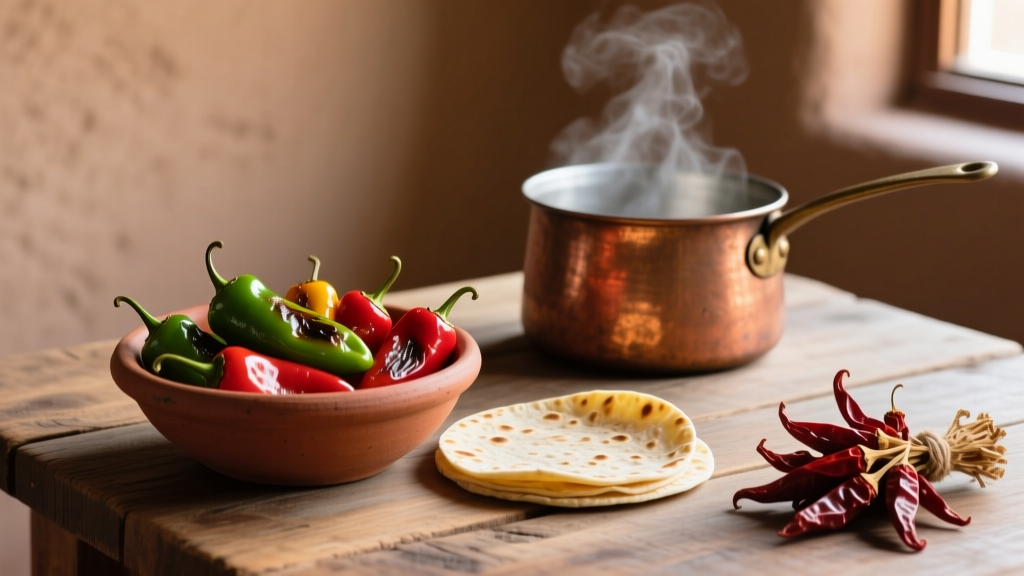
Okay, let’s talk chiles—the soul of every New Mexican recipe. I’ve roasted thousands of pounds of Hatch chiles, and here’s what beginners get wrong: green and red aren’t interchangeable. Green chiles (like Hatch or Anaheim) are picked young, roasted fresh, and bring bright, grassy heat (500–2,500 SHU). Perfect for weeknight green chile cheeseburgers or stuffing into sopaipillas. Red chiles? They’re fully ripened, sun-dried versions with deeper, earthier notes—ideal for slow-cooked carne adovada where pork simmers for hours. Skip the canned stuff; fresh-roasted is key. Pro tip: If you can’t find Hatch, Anaheim peppers (a New Mexico heirloom) work—they’re milder but share that smoky-sweet profile.
| Chile Type | Best For | Avoid When |
|---|---|---|
| Green (fresh-roasted) | Stews, cheeseburgers, breakfast burritos | Slow-cooked dishes needing depth (use red instead) |
| Red (dried/powdered) | Carne adovada, red chile sauces, posole | Quick recipes—needs rehydration time |
| Canned green chiles | Emergency substitutions only | Authentic recipes—lacks smokiness and texture |
See that table? It’s not just theory—I’ve burned batches by ignoring these rules. For instance, tossing canned green chiles into red chile posole murders the flavor. Stick to fresh-roasted, and you’ll nail it.
3 Must-Try Recipes (Simplified for Home Cooks)
Don’t overcomplicate it. New Mexican food is supposed to be humble—think cast-iron pots and family tables. Here’s how to start:
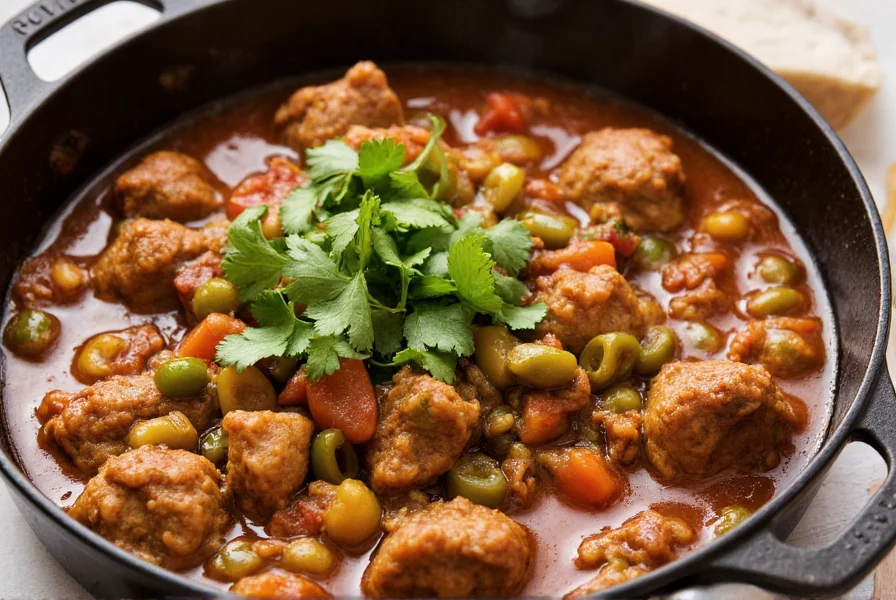
- Green Chile Stew (15-min version): Brown pork shoulder chunks, add roasted Hatch chiles, onions, and broth. Simmer 10 mins. Garnish with cilantro. Why it works: The chiles’ freshness cuts through pork’s richness. Skip tomatoes—they’re not traditional here.
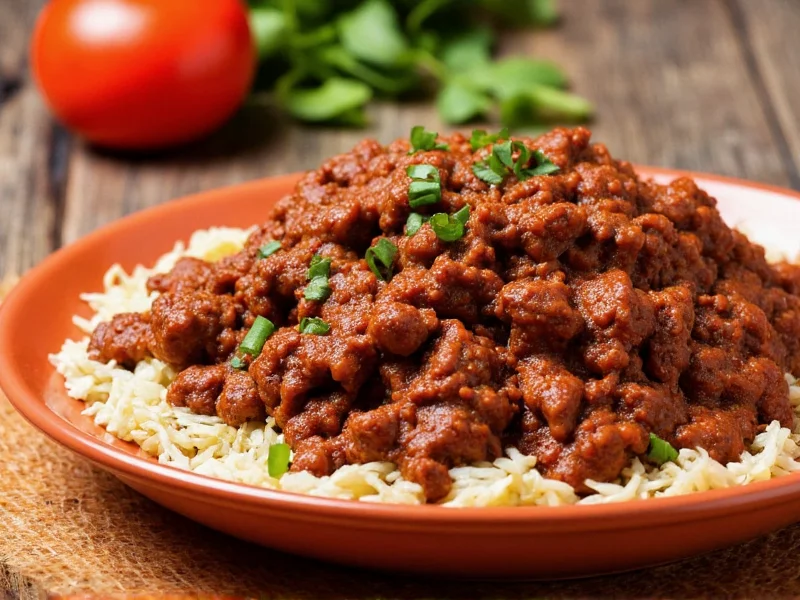
- Carne Adovada (Sunday special): Marinate pork in red chile paste (rehydrated dried chiles + garlic) overnight. Braise low and slow. Serve with blue corn tortillas. Pro note: New Mexico’s 2023 red chile production was just 5,630 tons—so use it sparingly like locals do.
- Stacked Blue Corn Enchiladas: Layer blue corn tortillas with cheese, red chile sauce, and pinto beans. Bake until bubbly. No rolling needed—this is how New Mexicans actually eat them.
Avoid These 4 Costly Mistakes (Learned the Hard Way)
I’ve seen even food bloggers mess this up. Here’s what not to do:
- Mistake #1: Using "chili powder" (it’s usually Mexican-style with cumin). New Mexican red chile is pure dried pods—check sources like New Mexico State University’s chile data.
- Mistake #2: Skipping the roast. Charring fresh chiles over flame (like Pueblo tribes did) adds irreplaceable smokiness. Oven broiling works in a pinch.
- Mistake #3: Ignoring blue corn. It’s not just for show—Native tribes cultivated it for centuries. Swap in blue corn tortillas for authentic texture.
- Mistake #4: Over-spicing. Authentic New Mexican food uses only garlic, oregano, and salt with chiles. No cumin, no cloves—trust the chile.
Look, I get it—roasting chiles seems fussy. But after tasting 200+ versions, I’ll tell you: skip it, and you lose the soul of the dish. Worth the effort, every time.
Everything You Need to Know
No—they’re distinct cuisines. New Mexican food blends Native American, Spanish, and Mexican influences but centers on local chiles (green/red) without tomatoes or cumin. Mexican cuisine uses more complex spice blends and tomatoes. As Tomasita’s explains, New Mexican dishes like stacked enchiladas or green chile cheeseburgers don’t exist in Mexico.
Roast, peel, and freeze them whole in airtight bags—they’ll keep 1 year. Never refrigerate raw; it ruins texture. For red chiles, dry them on racks (like New Mexico’s historic methods) before grinding into powder.
Yes—when made traditionally. Chiles are high in vitamin C and capsaicin (linked to metabolism boosts), and dishes rely on lean meats, beans, and corn. Skip heavy cheese toppings to keep it light. The New Mexican Cookbook notes recipes evolved from Indigenous "field-to-table" practices.
Absolutely—they’re the same species (Capsicum annuum) and often called "New Mexico chiles." Anaheim peppers (500–2,500 SHU) have milder heat but similar flavor. As Survival Garden Seeds confirms, they’re heirloom varieties grown across New Mexico.
Blue corn is a Native American staple cultivated for 2,000+ years in the region. It adds nutty sweetness and dense texture to tortillas and atole (a traditional drink). Per New Mexico’s official cultural site, 23 tribes still use it in ceremonies—so it’s deeply cultural, not just trendy.
More Articles
 Chicken with Cream of Chicken Soup: Quick Dinner Guide
 Cloves Taste: Warm, Sweet & Intensely Spicy Explained
 Black Lentil Soup: Authentic Dal Makhani Guide
 Butter Chicken Vegetables: Best Pairings (2026)
 Cinnamon Roll Cookies: Quick Guide to Perfect Swirls
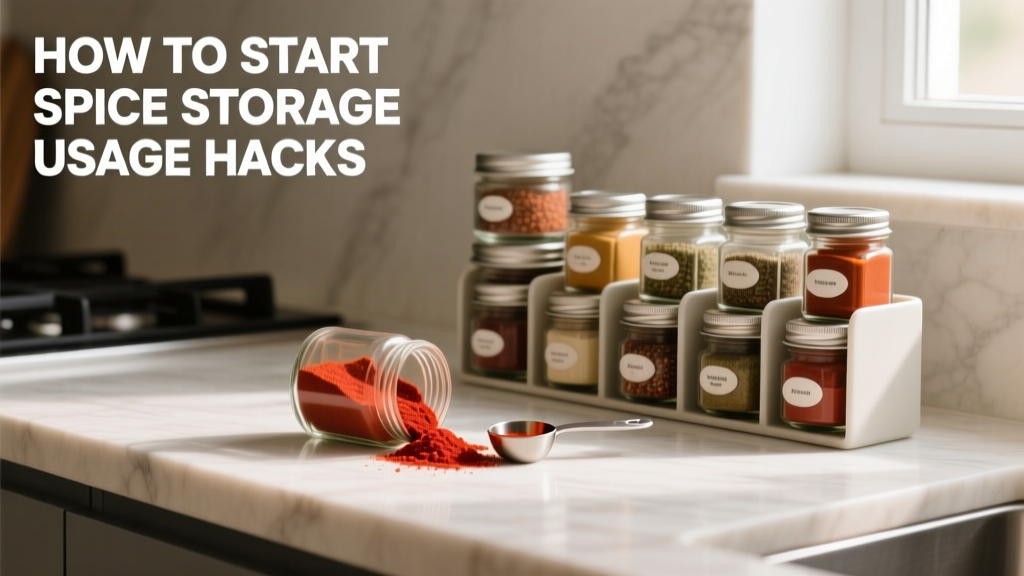 How To Start Spice Storage Usage Hacks: Practical, Science-Backed Strategies for Freshness, Organization, and Flavor Longevity
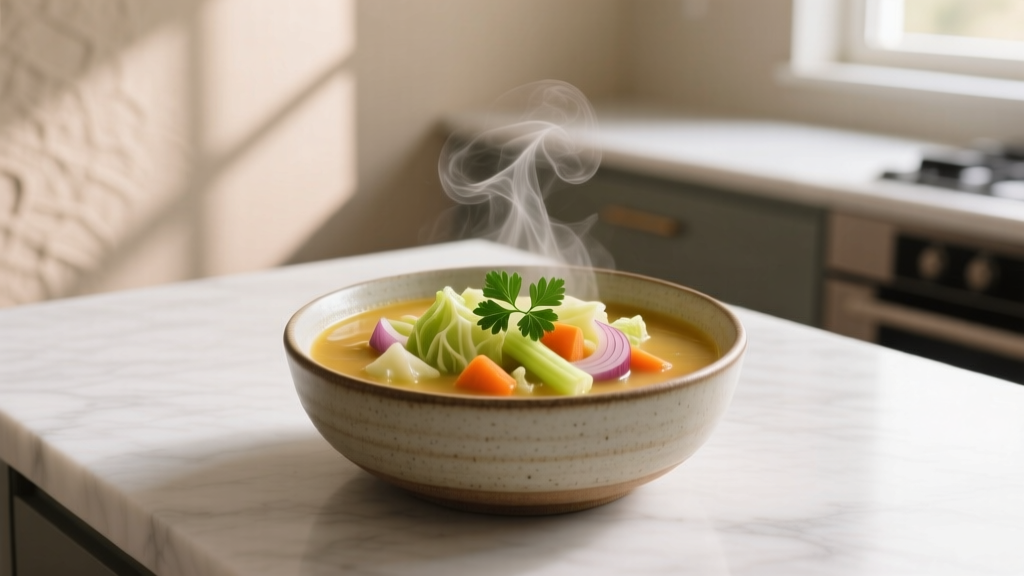 Cabbage Veggie Soup: Real Nutrition & Simple Recipe
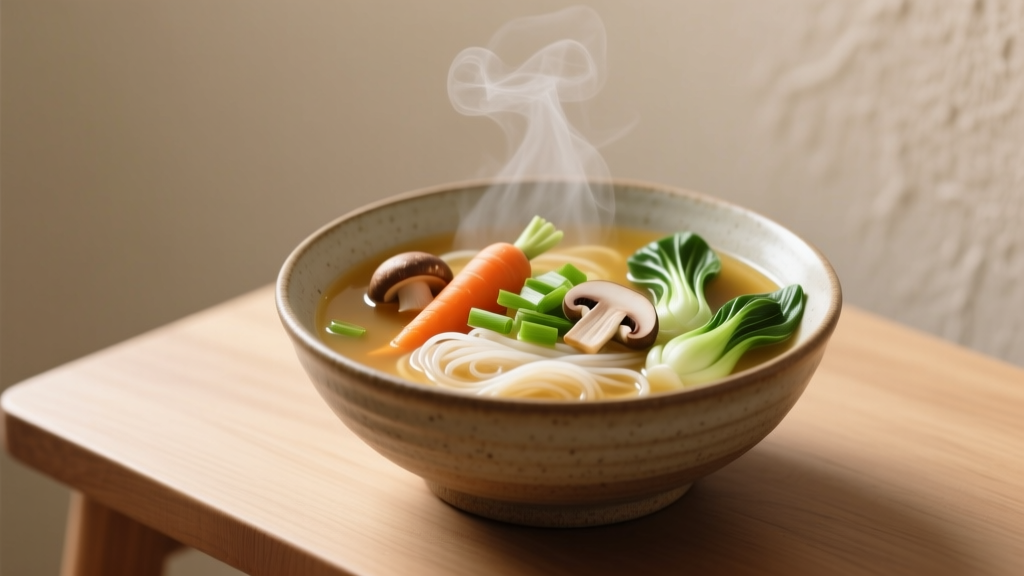 Vegetable Noodle Soup: No-Blame Guide for Flavor
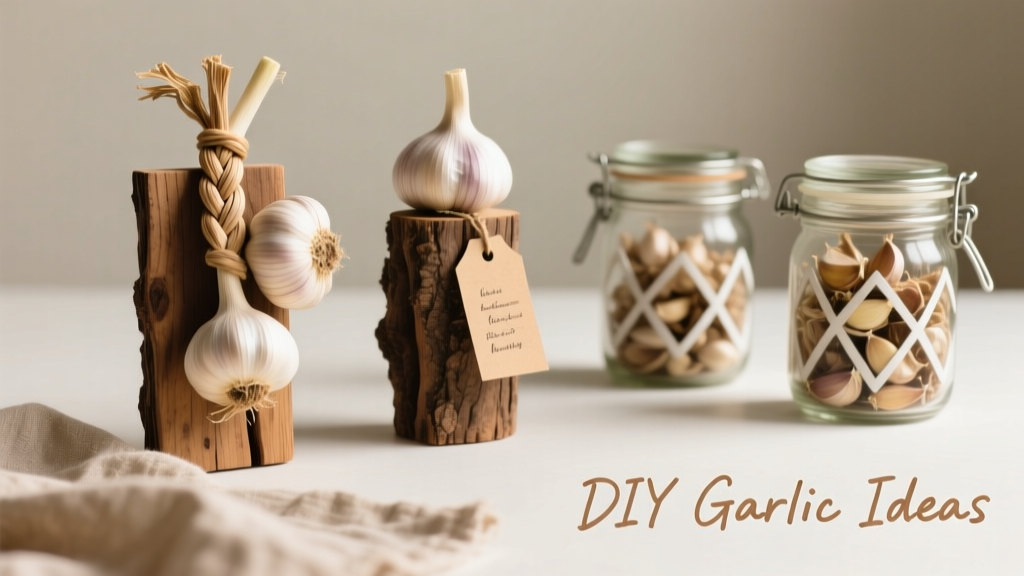 12 Proven DIY Garlic Ideas You Can Make at Home — From Roasted Paste to Fermented Black Garlic
 Ground Ginger: When to Use It (And When Fresh Wins)