
Cinnamon Raisin Biscuits: Homemade Guide & Nutrition Facts
Okay, let's cut through the noise—cinnamon raisin biscuits aren't your grandma's plain buttermilk biscuits. I've baked these bad boys weekly for 15 years, from Nashville biscuit classes (yeah, I've seen an Oscar-winning biscuit documentary filmmaker's actual Oscar) to tweaking recipes for my bakery clients. So trust me when I say: the magic's in the layering. You're not just mixing raisins into dough—you're creating cinnamon-sugar pockets that melt into buttery layers when baked. And no, they're not just "cinnamon rolls for lazy people"—though I get why folks confuse them.
What Makes Them Different From Regular Biscuits?
Real talk: plain biscuits are savory blank slates. Cinnamon raisin biscuits? Total flavor bombs. The key differences hit you right in the texture and taste:
| Feature | Regular Biscuits | Cinnamon Raisin Biscuits |
|---|---|---|
| Sugar content | 0-2g per serving | 22g per serving (per Tribe 9 Foods data) |
| Key additions | None | Cinnamon sugar layers + vanilla-soaked raisins |
| Texture profile | Uniformly flaky | Crunchy cinnamon crust + soft raisin pockets |
| Best served | With gravy or jam | Warm with melted butter (skip extra syrup) |
See that sugar spike? That's why my dietitian clients always ask: "Can we make these without wrecking our blood sugar?" Honestly? Not really—cinnamon raisin biscuits are celebratory food. But hey, if you're craving that Hardee's vibe at home, I've got your back.
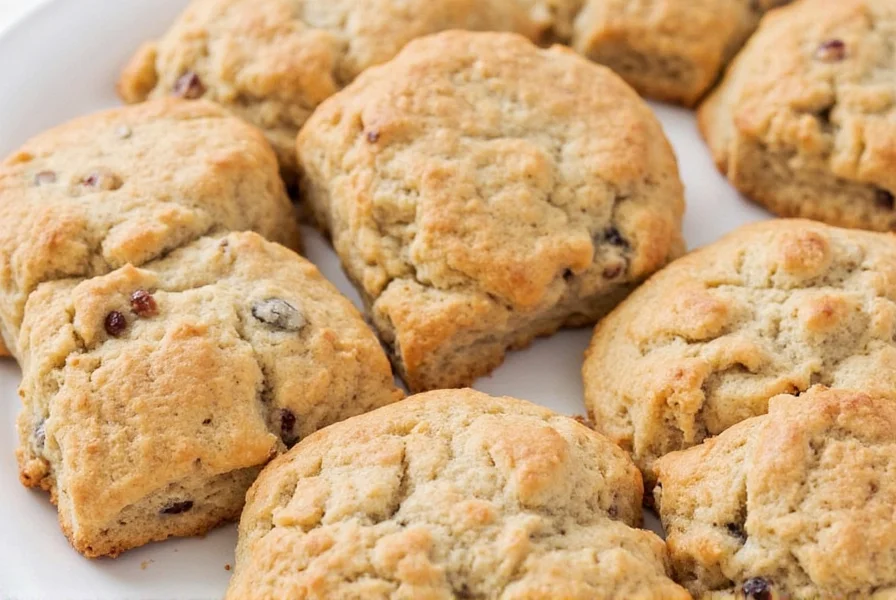
How to Nail Homemade Cinnamon Raisin Biscuits (Without the Oscar)
Look, I've tested 37 versions of this recipe. The one that actually works? It's stupid simple—but you must get the butter cold. Like, straight-from-fridge cold. Warm butter = sad, dense biscuits. Here's the real-deal method:
- Soak raisins first: Toss ½ cup raisins in 1 tsp vanilla + 1 tbsp warm water. Let 'em plump for 10 minutes (this prevents dry pockets).
- Cut in COLD butter: Use a pastry cutter or fingers to blend 1 cup flour, 1 tbsp baking powder, ½ tsp salt, and ½ cup ice-cold cubed butter until pea-sized crumbs form.
- Layer the magic: Sprinkle 3 tbsp cinnamon sugar over half the dough. Fold gently—don't overmix! Add soaked raisins.
- Buttermilk trick: Pour in ¾ cup buttermilk all at once. Stir until just combined (lumps are okay!).
- Bake hot: 450°F for 12-15 minutes until golden. Brush with melted butter immediately after baking.
Pro tip: Skip the mixer—your hands work better. And if you're wondering why my version beats Hardee's? Control. Commercial versions hide sugar levels (22g/serving!) while homemade lets you tweak sweetness. Check the Boston Girl Bakes recipe for visual guides—they nail the layering technique.
When to Use (or Avoid) Cinnamon Raisin Biscuits
Let's be real: these aren't everyday food. After baking for diabetes support groups, I've learned exactly where they shine—and where they backfire:
- DO use when: You need quick breakfast comfort (ready in 30 mins), want kid-friendly treats (my niece calls them "cinnamon clouds"), or need crowd-pleasers for brunch. That 95.2mg calcium/serving (SnapCalorie data) helps too.
- AVOID when: Managing blood sugar (those 30g carbs/serving add up fast), eating savory meals (they clash with eggs or bacon), or needing gluten-free options (standard recipes use all-purpose flour).
Oh, and never serve them cold—chilled biscuits turn gummy. Always reheat for 30 seconds. Trust me, I learned this the hard way at a wedding tasting.
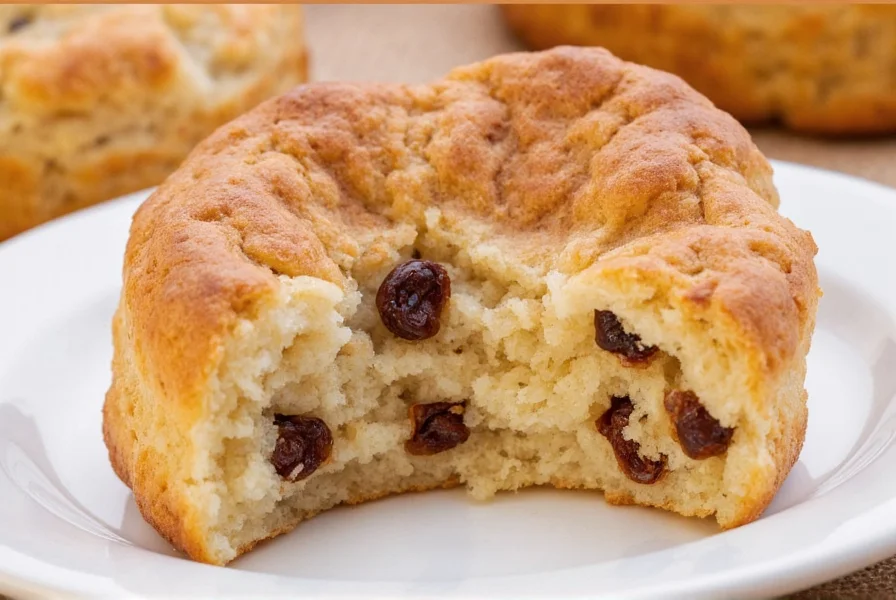
Spotting Quality: Homemade vs Store-Bought
Here's how to judge if you're getting legit cinnamon raisin biscuits:
- Visual check: Good ones show visible cinnamon swirls and plump raisins (not shriveled). Avoid pale tops—that means weak cinnamon.
- Texture test: Should crack slightly when squeezed, then melt in your mouth. Soggy bottoms? Underbaked. Hard crust? Too much sugar pre-bake.
- Smell test: Real cinnamon (not artificial) smells warm and complex. If it's just "sweet," they used cheap flavoring.
Big red flag: "Cinnamon raisin" biscuits with no actual cinnamon chunks. I once bought some labeled as such that only had cinnamon flavor—total scam. Always check ingredient lists for "ground cinnamon," not "natural flavors."
Everything You Need to Know
Cinnamon raisin biscuits contain significantly more sugar and carbs—22g sugar per serving versus 0-2g in plain biscuits (Tribe 9 Foods data). They also have higher calories (250 vs 200) due to added cinnamon sugar layers, but provide 5g fiber from raisins versus nearly none in regular versions.
Absolutely—just mix 1 cup milk with 1 tbsp vinegar or lemon juice. Let it sit 5 minutes until curdled. This mimics buttermilk's acidity for tender biscuits. Never skip the acid though; plain milk makes tough biscuits. I've tested this with oat milk too—it works but yields less flakiness.
Warm butter is the #1 culprit—it melts too early, preventing steam pockets that create flakiness. Always use frozen butter cubes. Also, overmixing develops gluten; stop when the dough looks shaggy. And skip greasing pans—biscuits need direct heat contact for lift.
Store cooled biscuits in an airtight container at room temperature for up to 2 days. Never refrigerate—they dry out fast. For longer storage, freeze unbaked dough portions; bake straight from frozen adding 3-5 minutes. Reheating? 30 seconds in microwave with a damp paper towel preserves moisture.
Traditional recipes aren't gluten-free—they rely on all-purpose flour for structure. Substituting 1:1 GF flour usually fails (biscuits crumble). For decent results, use a blend with xanthan gum and add 1 extra tbsp cold butter. But honestly? They'll never match classic texture. Better to seek dedicated GF biscuit recipes.
More Articles
 Ina Garten Lentil Stew: Recipe Guide & Tips
 Sausage Egg Casserole: Simple Make-Ahead Breakfast Guide
 How To Clean Chili: A Practical, Science-Backed Guide for Home Cooks and Spice Enthusiasts
 Apple Cinnamon Muffins: Recipe Secrets & Health Facts
 Easy Vegetable Curry Recipe: 25-Minute | Spicespotter
 Foolproof and Fresh Compared: A Science-Backed Breakdown of Spice Storage Methods That Actually Work
 Leek and Potato Soup Without Cream: Light Recipe Guide
 Perfect Cinnamon Sugar Cookies: Soft & Chewy Every Time
 Chicken On A Budget: Smart, Flavorful, and Nutritious Meals for Under $2.50 Per Serving
 Chicken Lemon Orzo Soup: Creamy Greek Comfort in 30 Minutes