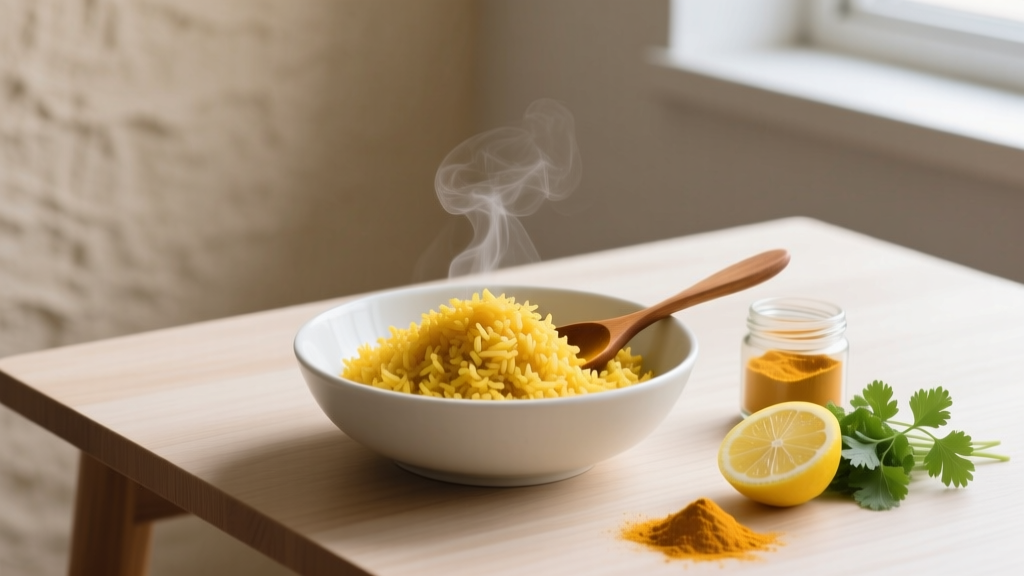
Easy Turmeric Rice Recipes for Everyday Cooking
Why Bother Adding Turmeric to Rice?
Look, I get it—you’re staring at that yellow spice jar wondering, "Will this just stain my pot?" Honestly, after testing dozens of rice dishes over 20 years, turmeric’s magic is in its simplicity. It’s not about fancy techniques; it’s a no-brainer upgrade. You know, rice gets boring fast, right? Turmeric wakes it up with golden hues and subtle earthiness—plus, it packs curcumin, the anti-inflammatory compound science backs for joint health. But here’s the kicker: most folks overdo it, making rice taste like medicine. Trust me, less is more. Start small, like ¼ tsp per cup, and tweak to your vibe.
Spotting Good Turmeric: Skip the Dusty Bottles
Let’s be real—not all turmeric’s created equal. I’ve burned through cheap powders that turned rice chalky and bland. The good stuff? Vibrant orange-yellow, almost neon. If it’s faded or smells musty, walk away. Fresh turmeric root’s another beast—look for firm, smooth knobs (no wrinkles!), and it should smell peppery, not sour. Pro tip: Buy from stores with high turnover, like Indian grocers. Why? Old stock loses curcumin fast. Oh, and skip "enhanced absorption" gimmicks—they’re mostly marketing fluff. Real talk: pair turmeric with black pepper (just a pinch!) in your rice for better uptake. No magic pills needed.
| Type | Best For | When to Avoid | My Go-To Ratio |
|---|---|---|---|
| Powdered turmeric | Weeknight meals—fast, consistent color | Avoid if clumpy or pale; loses potency | ½–1 tsp per cup rice |
| Fresh turmeric root | Weekend cooking—brighter flavor, stronger health kick | Skip if shriveled; stains hands/clothes badly | 1 tbsp grated per cup rice |
| Liquid extracts | Smoothies only—never for rice (too intense!) | Avoid entirely in rice recipes | N/A |
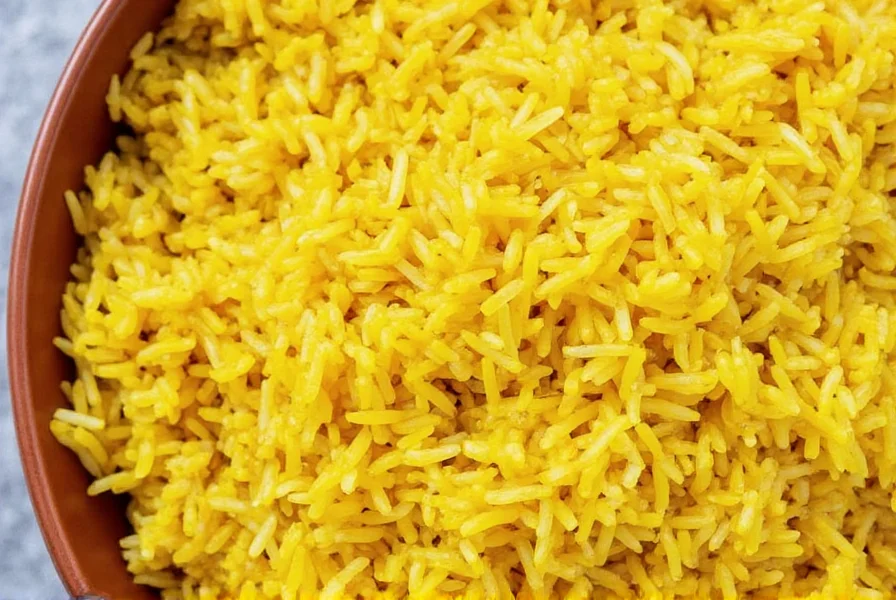
Your Foolproof Turmeric Rice Recipe (No Fuss)
Okay, let’s cut the fluff. This is the exact method I use weekly—it’s idiot-proof. Seriously, my teens can nail it. First, rinse 1 cup basmati rice until water runs clear (removes starch, so it’s fluffy, not gummy). Heat 1 tbsp coconut oil in a pot—don’t skip the oil; it stops turmeric from clumping. Sauté rice 2 minutes until glossy. Now, add 1 tsp turmeric powder, 1¼ cups water, and a pinch of black pepper. Cover, simmer low for 15 minutes. Kill the heat, let it sit 5 minutes. Fluff with a fork. Boom. Golden, fragrant rice that won’t stain your pot if you use non-stick. Want it foolproof? Double the water if you’re nervous—better slightly wet than burnt.
When Turmeric Rocks (and When It Backfires)
You might think, "Turmeric fixes everything, right?" Nah, been there, done that. It’s amazing in coconut rice bowls or with roasted veggies—but avoid it in sweet dishes like rice pudding (clashes hard). Also, skip it if cooking for kids under 5; their taste buds are sensitive, and that earthy note can turn them off rice entirely. Oh, and if you’re pregnant? Consult your doc first—while small amounts are fine, mega-doses aren’t studied well. Real talk: I avoid turmeric in fried rice too—it burns easy and gets bitter. Stick to plain steamed styles for best results.
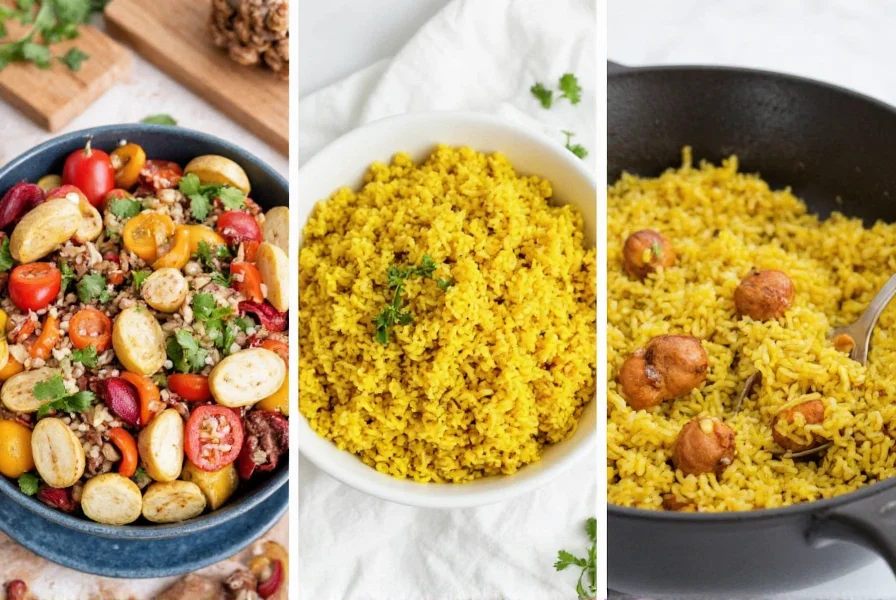
3 Mistakes Everyone Makes (Including Me Early On)
Honestly, I ruined rice batches for years before figuring this out. Mistake #1: Adding turmeric to boiling water. Big no—it turns rice muddy and bitter. Always sauté it with rice first. Mistake #2: Overcooking. Turmeric breaks down past 20 minutes, losing benefits. Set a timer! Mistake #3: Ignoring acidity. A splash of lemon juice at the end brightens flavors and boosts curcumin absorption. Simple, but game-changing. Oh, and storage tip: Leftovers turn neon-green in plastic containers—use glass. Learned that the hard way!
Everything You Need to Know
Nope—it’s a myth. Turmeric stains are temporary. Soak your pot in soapy water for 10 minutes after cooking, and stains lift right off. For stubborn spots, add baking soda. Pro tip: Use non-stick or stainless steel; avoid aluminum (it reacts and darkens).
Absolutely—and it’s my favorite swap. Use 1 tbsp freshly grated turmeric root per ½ tsp powder. It’s brighter and packs more curcumin. Just peel it first (a spoon works better than a peeler!), and wear gloves to avoid stained fingers. Fresh turmeric burns faster, so lower the heat slightly during sautéing.
Cooked turmeric rice in normal amounts (like 1 tsp per serving) is generally safe during pregnancy—it’s common in many cultures’ diets. But avoid medicinal doses or supplements. Always check with your healthcare provider first, especially if you have bleeding disorders, as high turmeric intake may thin blood.
Store it in an airtight glass container in the fridge for up to 4 days. It won’t turn green if you avoid plastic! Reheat with 1 tbsp water to restore moisture—microwave covered for 90 seconds. Never leave it out more than 2 hours; rice spoils fast.
Not if you cook it right. Simmering below boiling point (like in rice) preserves curcumin. Adding black pepper boosts absorption by 2000%, per research. Avoid frying turmeric alone—it degrades fast. Bottom line: Your rice keeps benefits intact when cooked gently with pepper.
More Articles
 Chinese Pepper Steak with Onions: Authentic Recipe & Fixes
 Vegetable Noodle Soup: No-Blame Guide for Flavor
 Rice and Spinach: Nutritious Pairing for Meals
 Cinnamon Muffin Recipe: Triple-Layer Flavor, No Failures
 Chicken Masala Seasoning: Your Essential Flavor Guide
 Spicy Shrimp BBQ: Fresh Shrimp Guide & No-Fail Grilling Tips
 Simple Vegetable Soup Recipe: 30 Minutes, 10 Ingredients
 Beef Stew Spices Guide: Proven Blends for Rich Flavor
 Wendy's Canned Chili: Beans vs No-Beans Facts
 Honey Lemon Pepper Wings: Crisp Oven & Fry Guide