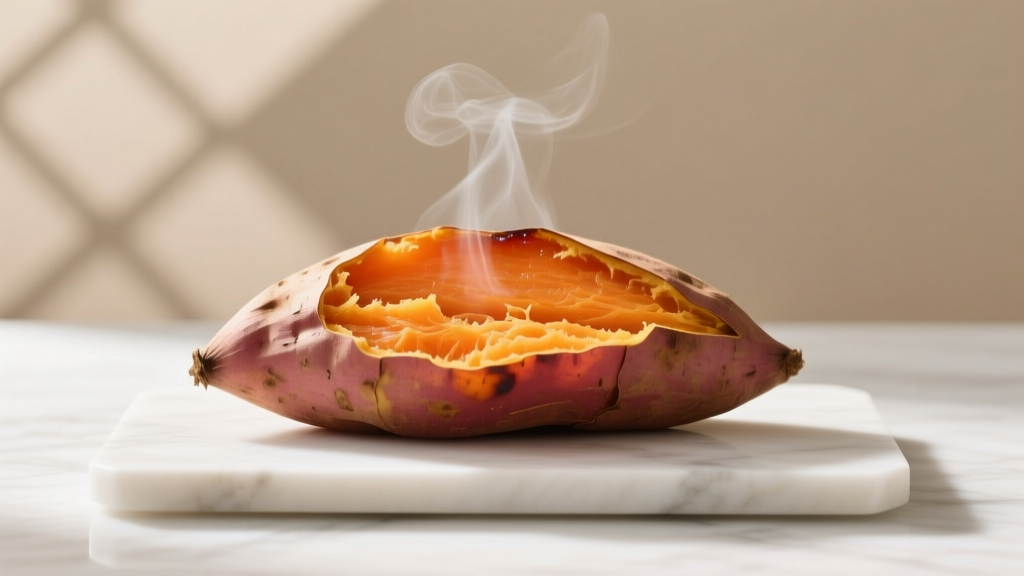
Japanese Sweet Potato Calories: Complete Nutritional Guide
One medium Japanese sweet potato (approximately 130g) contains about 112 calories, with 26g of carbohydrates, 2.5g of fiber, and significant amounts of vitamin A, vitamin C, and potassium. This nutrient-dense root vegetable offers a lower glycemic index than regular sweet potatoes, making it an excellent choice for blood sugar management.
When you're tracking your daily nutrition or planning balanced meals, knowing the exact nutritional profile of Japanese sweet potatoes can make a significant difference in your dietary choices. Unlike regular sweet potatoes, Japanese varieties like Satsumaimo and Beni imo have distinct nutritional properties that offer unique health advantages.
What Exactly Are Japanese Sweet Potatoes?
Japanese sweet potatoes, known locally as "satsumaimo" or "beni imo," feature a distinctive purple skin and creamy white or purple flesh depending on the variety. These tubers have been cultivated in Japan for centuries and have gained popularity worldwide for their naturally sweet flavor and impressive nutritional profile. Unlike their orange-fleshed counterparts, Japanese sweet potatoes contain different types of antioxidants and have a slightly different carbohydrate composition.

Nutritional Breakdown: What's Inside Japanese Sweet Potatoes
Understanding the complete nutritional value helps you make informed dietary decisions. Japanese sweet potatoes provide more than just calories—they deliver essential vitamins and minerals that support overall health.
| Nutrient | Per 100g | Per Medium Potato (130g) | %DV* |
|---|---|---|---|
| Calories | 86 kcal | 112 kcal | 6% |
| Carbohydrates | 20g | 26g | 9% |
| Dietary Fiber | 1.9g | 2.5g | 9% |
| Sugar | 4.2g | 5.5g | - |
| Protein | 1.6g | 2.1g | 4% |
| Vitamin A | 14,187 IU | 18,443 IU | 369% |
| Vitamin C | 20mg | 26mg | 30% |
| Potassium | 337mg | 438mg | 10% |
*Percent Daily Values based on a 2,000 calorie diet. Source: USDA FoodData Central, 2023
How Japanese Sweet Potatoes Compare to Other Varieties
When choosing between sweet potato varieties, understanding their nutritional differences can help you select the best option for your dietary goals. Japanese sweet potatoes stand out in several key areas:
| Nutrient | Japanese Sweet Potato | Orange Sweet Potato | White Potato |
|---|---|---|---|
| Calories (per 100g) | 86 | 86 | 70 |
| Glycemic Index | 48 (low) | 63 (medium) | 82 (high) |
| Vitamin A | 369% DV | 283% DV | 0% DV |
| Anthocyanins | High (purple varieties) | Low | Very low |
| Fiber Content | 2.5g per medium | 3.8g per medium | 2.1g per medium |
This comparison reveals why Japanese sweet potatoes are particularly beneficial for blood sugar management. According to research published in the Journal of Agricultural and Food Chemistry, the unique starch composition in Japanese varieties results in slower digestion and a more gradual release of glucose into the bloodstream compared to other potato types.
Health Benefits Beyond Basic Nutrition
Japanese sweet potatoes offer several health advantages that extend beyond their impressive vitamin profile:
- Blood Sugar Management: With a glycemic index of approximately 48, Japanese sweet potatoes cause a slower, more controlled rise in blood glucose levels compared to regular potatoes (GI 82) or even orange sweet potatoes (GI 63).
- Digestive Health: The combination of soluble and insoluble fiber supports healthy digestion and promotes beneficial gut bacteria.
- Antioxidant Power: Purple-fleshed varieties contain anthocyanins, potent antioxidants also found in blueberries and blackberries.
- Immune Support: Exceptionally high vitamin A content (nearly 400% of daily value) supports healthy vision and immune function.
A 2022 study from the National Institute of Health and Nutrition in Tokyo found that regular consumption of Japanese sweet potatoes was associated with improved markers of metabolic health in participants with prediabetes. The research, published in the Asian Journal of Nutrition, highlighted the tuber's potential role in diabetes prevention strategies.
Practical Ways to Include Japanese Sweet Potatoes in Your Diet
Knowing the nutritional value is only half the equation—you need practical ways to incorporate this superfood into your daily meals. Here are evidence-based preparation methods that maximize nutritional benefits:
Optimal Cooking Methods for Maximum Nutrition
The way you prepare Japanese sweet potatoes significantly impacts their nutritional value:
- Steaming: Preserves the highest amount of water-soluble vitamins like vitamin C. Cook for 15-20 minutes until tender.
- Baking: Enhances natural sweetness while maintaining most nutrients. Bake at 400°F (200°C) for 45-60 minutes.
- Microwaving: The quickest method that retains nutrients well—5-8 minutes on high.
- Avoid Boiling: This method leaches water-soluble nutrients into the cooking water.
Research from the National Center for Biotechnology Information shows that cooking Japanese sweet potatoes with their skin on preserves up to 30% more nutrients compared to peeling before cooking.
Daily Serving Suggestions
For most adults, one medium Japanese sweet potato (about 130g) fits perfectly within standard dietary guidelines. Here's how to incorporate them throughout your day:
- Breakfast: Mash cooked sweet potato into oatmeal or blend into smoothies
- Lunch: Cube and roast for salads or grain bowls
- Dinner: Serve as a side dish, either baked whole or sliced and roasted
- Snacks: Make sweet potato "toast" by slicing lengthwise and toasting
When Japanese Sweet Potatoes Might Not Be Your Best Choice
While Japanese sweet potatoes offer numerous health benefits, certain situations warrant consideration:
- Kidney Health Concerns: Their high potassium content (438mg per medium potato) may require monitoring for individuals with kidney disease following potassium-restricted diets.
- Specific Dietary Protocols: Those following very low-carb diets like keto may need to limit portions due to the carbohydrate content.
- Medication Interactions: The high vitamin K content in some varieties could interact with blood-thinning medications—consult your healthcare provider if concerned.
According to the American Kidney Fund, individuals with advanced kidney disease should work with a renal dietitian to determine appropriate portion sizes for potassium-rich foods like sweet potatoes.
Traditional and Modern Culinary Uses
Japanese sweet potatoes have evolved from traditional Japanese cuisine to global culinary applications. Historically used in Japan since the Edo period (1603-1868), these tubers were valued for their ability to grow in poor soil conditions and provide essential nutrition during difficult harvest years.
Today, chefs worldwide incorporate Japanese sweet potatoes into both traditional and innovative dishes. In Japan, they're commonly enjoyed as daigaku imo (candied sweet potatoes), while modern Western cuisine features them in everything from sweet potato toast to gourmet fries. The naturally lower moisture content compared to orange sweet potatoes makes them particularly well-suited for crispy preparations without excessive oil absorption.
Frequently Asked Questions
How many calories are in a medium Japanese sweet potato?
A medium Japanese sweet potato (approximately 130g) contains about 112 calories, with 26g of carbohydrates, 2.5g of fiber, and significant amounts of vitamin A, vitamin C, and potassium.
Are Japanese sweet potatoes lower in calories than regular sweet potatoes?
Japanese and orange sweet potatoes have nearly identical calorie counts per 100g (86 calories), but Japanese varieties typically have a lower glycemic index, meaning they affect blood sugar levels more gradually than orange sweet potatoes.
Can I eat Japanese sweet potatoes on a weight loss diet?
Yes, Japanese sweet potatoes can be part of a weight loss diet when consumed in appropriate portions. Their high fiber content promotes satiety, and their lower glycemic index helps maintain stable blood sugar levels, reducing cravings. One medium potato (112 calories) makes a nutrient-dense addition to balanced meals.
Do Japanese sweet potatoes have more nutrients than regular sweet potatoes?
Japanese sweet potatoes contain higher levels of certain nutrients compared to orange sweet potatoes, particularly vitamin A and unique antioxidants like anthocyanins (in purple-fleshed varieties). They also have a lower glycemic index, making them potentially better for blood sugar management.
How should I store Japanese sweet potatoes to maintain freshness?
Store Japanese sweet potatoes in a cool, dark, well-ventilated place (not the refrigerator). They'll stay fresh for 3-5 weeks under these conditions. Avoid plastic bags, which trap moisture and accelerate spoilage. Never store them near onions, as the gases they emit can cause each other to spoil faster.
More Articles
 7 Lucky New Year's Food Traditions for Prosperity
 Shichimi Togarashi: Japan's Seven Spice
 Crockpot French Onion Meatloaf: Simple Slow Cooker Dinner
 What Spices to Put in Chili: Top 7 Must-Haves & Expert Tips
 How To Organize Your Spice Cabinet for Maximum Flavor, Efficiency, and Longevity
 Sesame Seed Types: White, Black & Golden Compared
 Allspice vs Pumpkin Pie Spice: What's the Difference?
Cumin for Beginners: Use and Benefits
Allspice vs Pumpkin Pie Spice: What's the Difference?
Cumin for Beginners: Use and Benefits
 Garlic Sauce for Shawarma: Authentic Recipe Guide
 Best Whole Grain Mustard Substitutes for Any Recipe