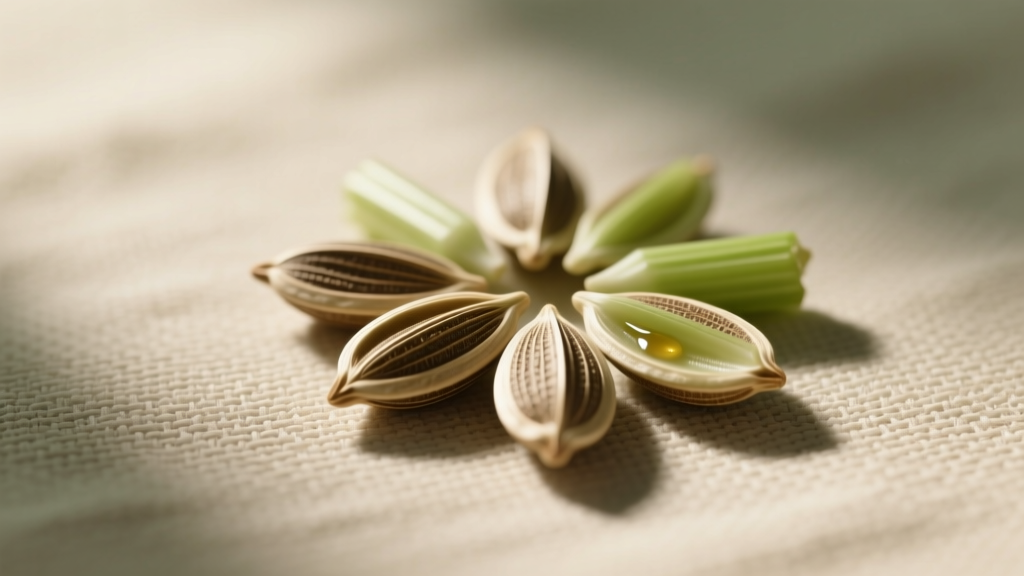
Celery Seed: Uses, Benefits & Culinary Guide
Celery Seed Isn’t a Substitute—It’s a Threshold Ingredient
Most people reach for celery seed because they believe it’s a ‘dry version’ of the stalk: same plant, same function, just more shelf-stable. That assumption quietly derails dozens of dishes per year in ordinary homes—not by making food taste ‘wrong’, but by shifting the entire aromatic foundation so subtly that cooks blame their technique, not their ingredient choice. You stir in seed thinking you’re adding depth to a soup; instead, you’re introducing a sharp, almost medicinal top note that resists blending with slow-cooked fats or dairy. The result isn’t failure—it’s dissonance: a stew that tastes ‘off’ but not obviously flawed, a potato salad that seems flat until you realize the celery seed has muted the parsley and dill rather than supporting them. This isn’t about skill. It’s about misaligned expectations baked into how grocery labels and recipe blogs frame the ingredient.
The core judgment is narrow and situational: celery seed matters most when you need its volatile oil profile—not its vegetal bulk—and only when heat, time, and fat are tightly controlled. Outside those conditions, its impact fades fast. In a raw slaw with vinegar and mustard? It holds up. In a long-simmered bone broth? Its character evaporates before the collagen softens. In a quick sauté where onions hit 140°C for 90 seconds? It blooms cleanly. In a slow-baked casserole where spices sit under foil for two hours? It oxidizes and turns faintly bitter. The boundary isn’t botanical—it’s thermal and temporal. If your cooking method doesn’t deliver rapid, focused heat to the seed within the first 60–90 seconds of cooking, you’re not using celery seed—you’re leaving it behind.
Two common fixations waste mental bandwidth without changing outcomes. First: grinding it yourself versus buying pre-ground. In home kitchens, the difference rarely registers on the palate unless you’re using it raw in a vinaigrette—and even then, only if the pre-ground batch is over six months old and stored near a stove. Second: whether it’s ‘organic’ or ‘non-GMO’. Celery seed contains no water content, no volatile compounds vulnerable to conventional pesticide residue carryover, and no genetic variability that affects flavor release in domestic prep. Neither choice alters aroma intensity, shelf life, or compatibility with common pantry ingredients like garlic powder or mustard. These debates absorb attention better suited to checking whether your jar has been open longer than eight months—or whether it’s sitting on a windowsill.
The real constraint isn’t sourcing or processing—it’s storage stability under typical household conditions. Celery seed loses aromatic potency faster than any other common dried spice when exposed to light, ambient humidity above 55%, or temperature swings above 22°C. Most home pantries meet at least two of those three conditions. A sealed jar on a countertop near a kettle will degrade noticeably within four months—even if the label says ‘best before 2027’. That decay isn’t linear: it’s silent until the seed stops lifting fatty sauces or cutting through acidity. You won’t smell the loss until you compare it side-by-side with a fresh batch. By then, you’ve already used it in three meals and blamed the recipes. No amount of brand loyalty or price premium overrides this physical reality.
Here’s where intuition fails: celery seed isn’t ‘stronger’ or ‘weaker’ than fresh celery—it’s functionally incompatible in many contexts. In a tomato-based pasta sauce simmered for 45 minutes, fresh chopped stalk adds texture and green sweetness; seed adds a brittle, anise-tinged edge that clashes with basil and olive oil. But in a rye bread dough mixed cold and baked at high heat, seed integrates seamlessly—its oil disperses evenly, and its bitterness transforms into savory depth. In a mayonnaise-based coleslaw made two hours before serving? Seed works fine. In the same slaw made the night before and refrigerated? It migrates, pools, and leaves a gritty aftertaste. The verdict shifts not with quantity, but with thermal exposure and matrix composition—factors few home cooks track consciously.
What saves time and reduces second-guessing isn’t memorizing ratios or sourcing rare batches—it’s anchoring use to one condition: if the dish spends less than 3 minutes above 120°C before serving, celery seed is likely doing useful work. If it spends more than 10 minutes below 80°C while wet, it’s probably fading or turning adversarial. That rule-of-thumb bypasses debates about origin, grind, or substitution charts. It doesn’t require timers or thermometers—just awareness of your stove’s output and your dish’s timeline. It also explains why some cooks swear by it in pickling brines (short hot phase, then cold storage) while others abandon it in chili (long low simmer). The ingredient hasn’t changed. Your thermal envelope has.
| What people fixate on | What it affects | When it matters | When it doesn't |
|---|---|---|---|
| Grinding it fresh | Aroma volatility in raw applications | In uncooked dressings served within 30 minutes | In soups boiled >20 minutes or baked goods cooled before eating |
| Substituting 1:1 for fresh stalks | Flavor balance and textural contrast | Nearly never—stalks contribute water, fiber, and green top notes seed cannot replicate | Always—no scenario yields equivalent results |
| Using ‘celery salt’ instead | Sodium load and delayed salt dissolution | In dry rubs applied before high-heat searing | In broths, sauces, or anything with >½ cup liquid added early |
| Storing in clear glass jars | Oxidation rate of apiol and sedanenolide oils | In kitchens with daily sunlight exposure on countertops | In dark, cool cabinets—even if jar is glass and unsealed |
Quick verdicts for home cooks
- If you’re making potato salad two hours ahead, use celery seed—but skip it if assembling the night before.
- For homemade rye or pumpernickel bread, seed is structural—not optional—when dough rises cold and bakes hot.
- In a slow-cooked beef stew, fresh celery stalks outperform seed every time; seed adds nothing but confusion.
- When spicing a vinegar-based hot sauce, seed delivers cleaner lift than stalks and won’t cloud the liquid.
- If your jar has been open >6 months and sits near the stove, replace it before judging a recipe’s outcome.
- For pickling cucumbers or green beans, seed works reliably—but only if added to hot brine, not cold.
Frequently asked questions
Why do people think celery seed can replace fresh celery in soup?
Because packaging and recipe sites list it under ‘celery alternatives’—but soup relies on celery’s water-soluble compounds and fibrous body, which seed lacks entirely.
Is it actually necessary to toast celery seed before using it?
No—unless the dish is dry, hot, and short-cooked; toasting helps only when volatile oils must bloom instantly, not diffuse slowly.
What happens if you ignore storage conditions and use old celery seed?
It won’t spoil, but it loses its ability to cut richness or brighten acidity—leaving dishes muffled or oddly flat without obvious cause.
More Articles
 Best Vegetables for Tikka Masala: Perfect Pairings
 Moldy Garlic: When to Toss It and Stay Safe
 Air Fryer Garlic Bread: Crispy in 7 Minutes (No Oven)
 Roasted Sweet Potato & Brussels Sprouts Guide
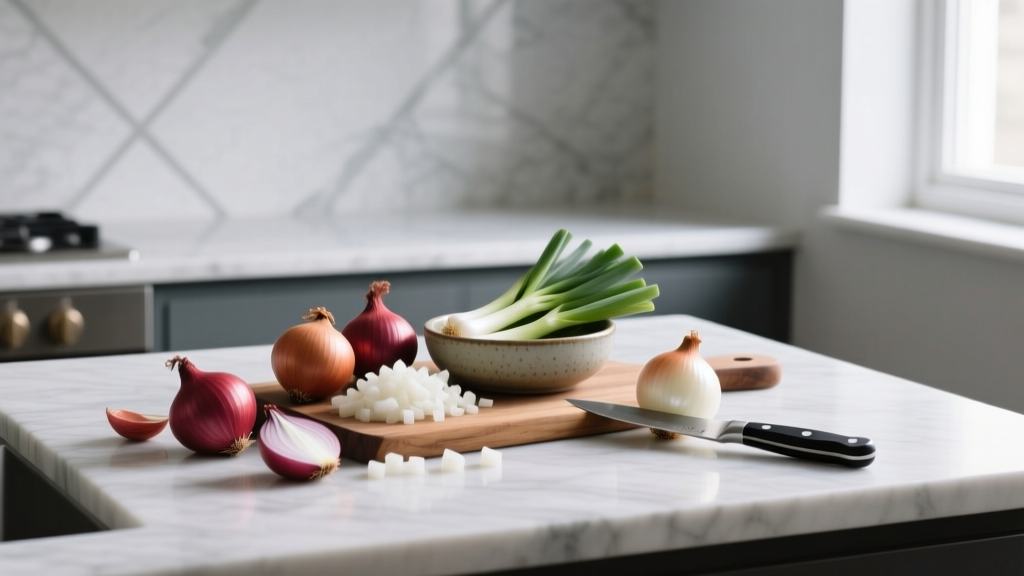 Best Pearl Onion Substitutes: Practical Cooking Guide
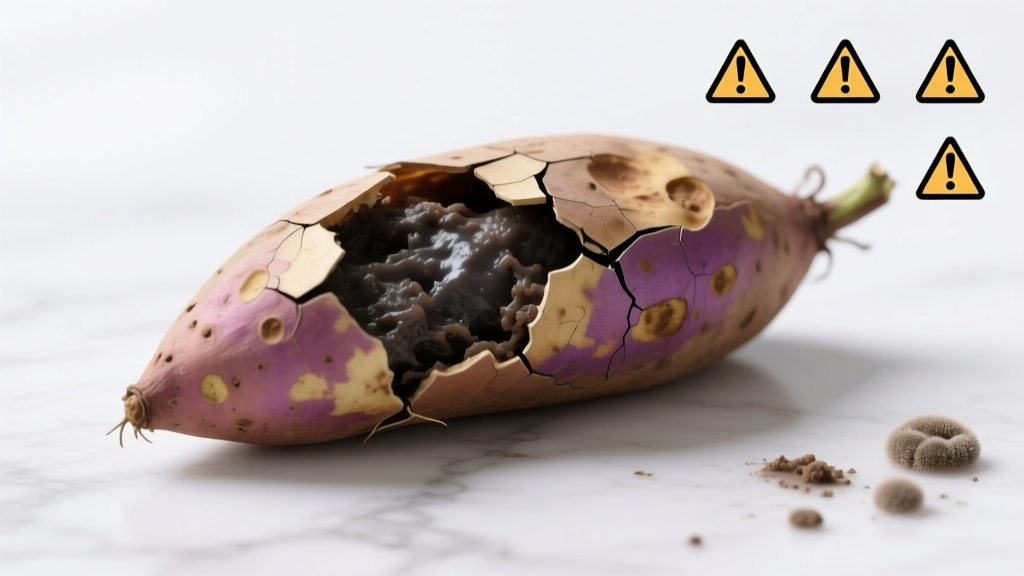 How to Identify a Bad Sweet Potato: 5 Clear Warning Signs
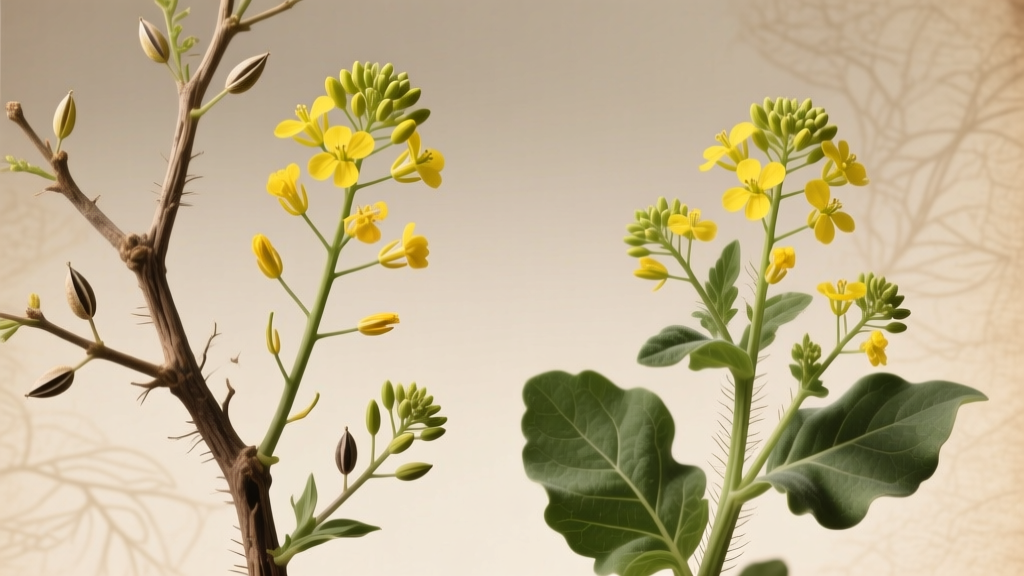 Mustard Tree vs Mustard Plant: The Botanical Truth
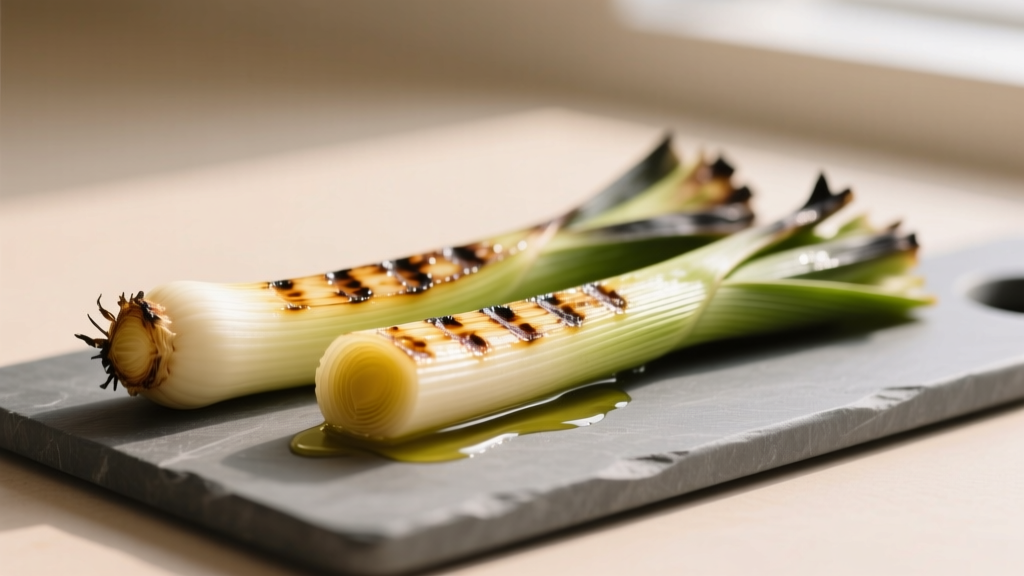 How to Grill Leeks Perfectly: A Chef's Guide
 How to Tell If Rosemary Is Bad: 5 Clear Indicators
 How to Photograph Spices: A Visual Guide for Food Bloggers