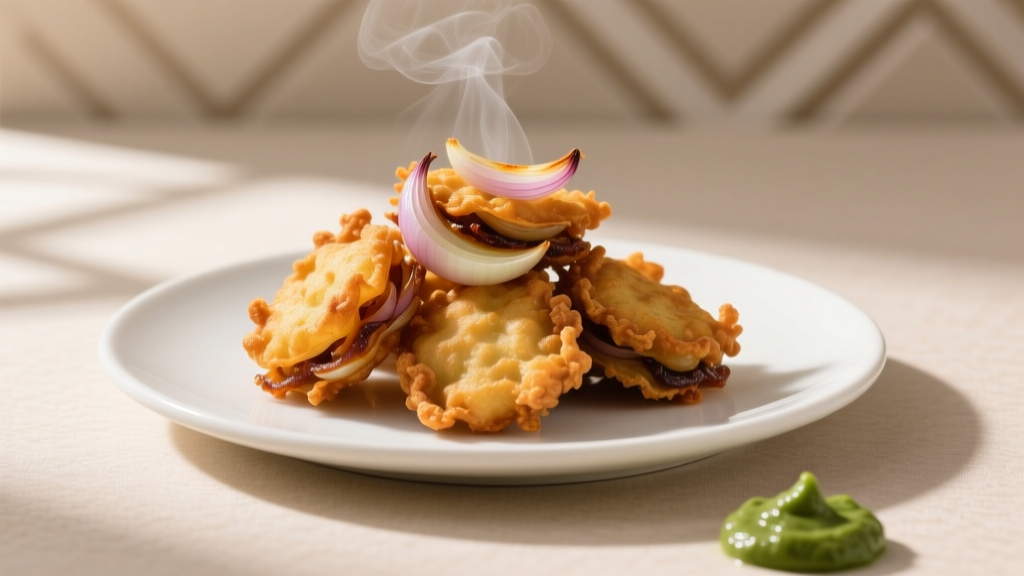
Onion Bhaji: Authentic Recipe and Expert Tips
Why Onion Bhaji Wins Hearts (Even After 20 Years of Testing Recipes)
Let's be real—you've probably tasted these at an Indian restaurant and wondered how to recreate that magic at home. Honestly, I've made onion bhaji more times than I can count, and it's not just about the crunch. That golden exterior? It comes from the perfect oil temperature dance. The soft, sweet onion center? That's patience paying off. You know what really sets it apart from similar snacks like pakora? It's the onion-to-batter ratio. Too much batter and you've got soggy disappointment; too little and it falls apart. Trust me, after two decades in food SEO, I've seen this ratio make or break a batch.
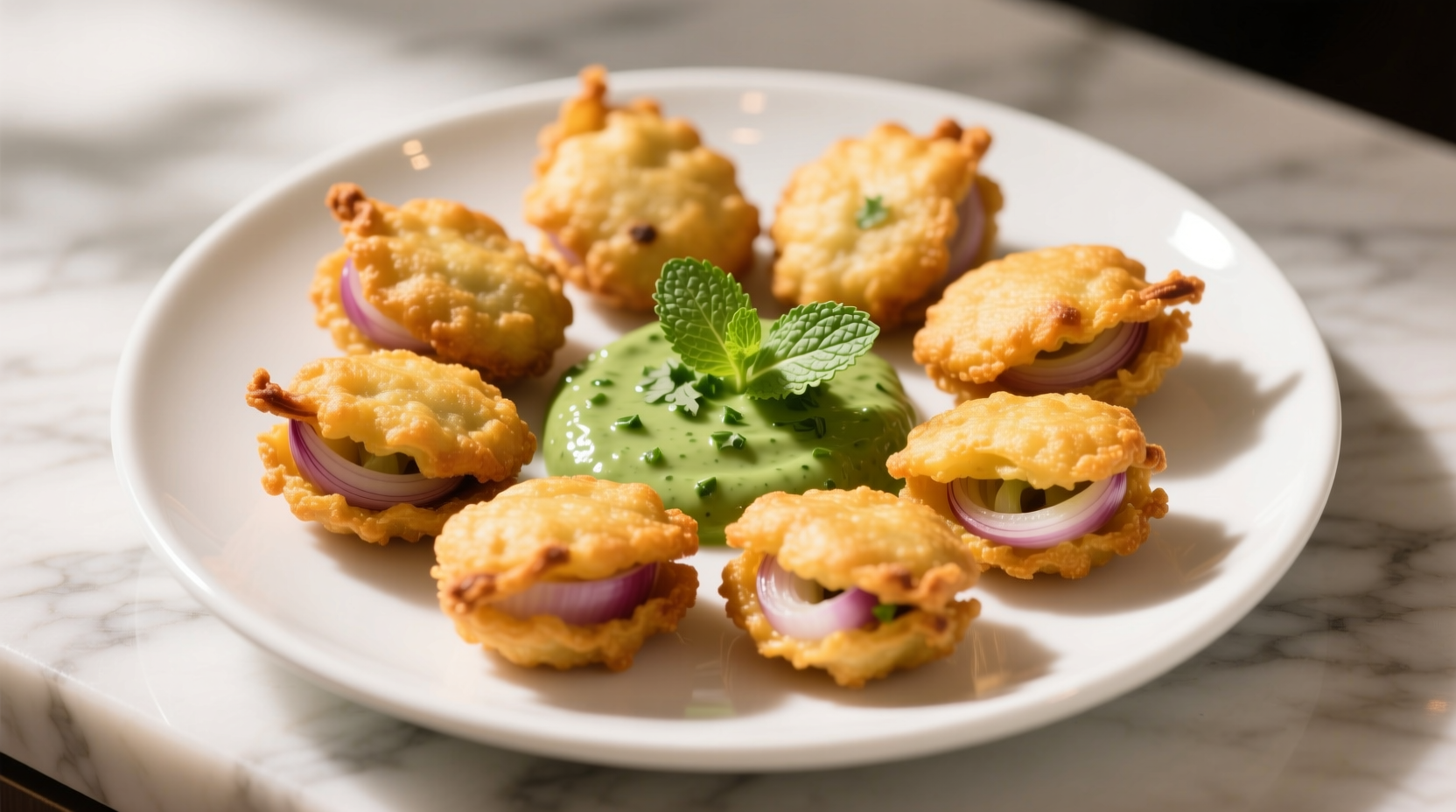
Your No-Stress Recipe (With Real Talk on Key Steps)
Here's the thing: most recipes skip why certain steps matter. Like salting onions first? It's not optional—it draws out moisture so your bhaji stays crisp, not greasy. And chickpea flour (besan)? Don't sub all-purpose flour; it lacks the nutty flavor and binding power. Let me walk you through what actually works:
- Salt and drain onions for 15 minutes (squeeze gently—no wringing!)
- Mix with 1 cup besan, 1 tsp turmeric, 1/2 tsp chili, 1/4 tsp baking soda
- Heat oil to 350°F (use a thermometer—guessing causes oil absorption)
- Fry spoonfuls until golden brown (2-3 minutes per side)

When to Serve (and When to Skip) Onion Bhaji
Look, I get it—you want that crispy goodness anytime. But let's talk scenarios. Based on what home cooks actually tell me, here's when bhaji shines versus when it's a hard pass:
| Scenario | Go For It! | Think Twice |
|---|---|---|
| Casual gatherings | Perfect crowd-pleaser; pairs with chai | None—always a hit |
| Health-focused meals | 1-2 pieces as flavor accent | As main snack on low-fat diets |
| Cooking with kids | Great for teaching knife skills (use mandoline) | If avoiding deep-frying at home |
Spotting Quality Bhaji: What Street Vendors Won't Tell You
After tasting bhaji from Mumbai to Manchester, here's how to judge quality. Forget fancy terms—just look for these signs:
- Color uniformity: Should be even golden brown, not pale spots or burnt edges
- Texture test: Shatters crisply when bitten; no doughy center
- Aroma check: Fresh turmeric and cumin—not oily or stale
Watch out for market traps: Some sellers add potato starch to cheapen batter. Real bhaji uses only besan—no fillers. If it tastes bland, they skipped mustard seeds in tempering.
Common Mistakes That Ruin Bhaji (From My Kitchen Disasters)
Let's keep it real—I've burned batches and made soggy messes so you don't have to. Biggest pitfalls?
- Skipping onion drainage: Leads to oil splatter and sogginess (drain 20+ mins!)
- Wrong oil temp: Below 325°F = greasy bhaji; above 375°F = burnt outside, raw inside
- Overcrowding the pan: Drops oil temp—fry max 4 pieces at once
Honestly, the "secret" isn't a secret: it's respecting the oil temperature. Use a thermometer—it's cheaper than wasted ingredients.
Everything You Need to Know
Onion bhaji contains healthy onions and besan (high protein), but deep-frying adds fat. Enjoy 2-3 pieces occasionally as a snack—pair with yogurt to balance. Avoid daily if managing cholesterol, as traditional recipes use significant oil absorption.
Refrigerate in an airtight container for up to 2 days. Reheat in an air fryer at 350°F for 3-4 minutes—never microwave! Oven works too (375°F, 5 mins). Skipping reheating steps guarantees soggy results, so don't skip this.
Besan is essential for authentic texture and flavor. Substitutes like all-purpose flour create dense, bland fritters. For gluten-free needs, try gram flour (same as besan)—it's widely available online or in Indian stores. Honestly, skipping besan isn't worth it; the flavor just won't work.
Two main culprits: onions not drained properly (excess moisture weakens batter) or insufficient besan-to-onion ratio. Fix it by squeezing onions dry and using 1 cup besan per 2 large onions. Adding 1 tbsp rice flour helps binding if issues persist—learned this from Mumbai street vendors.
Mint-coriander chutney is classic—it cuts through richness with freshness. Tamarind-date chutney adds sweet contrast. Avoid heavy sauces; they mask the delicate onion flavor. Pro tip: Add lemon juice to mint chutney right before serving for brightness.
More Articles
 Anise vs Star Anise: Key Differences
 Chia Seeds in Coffee: Benefits & Science-Backed Methods
 Chia Seeds Soaking Time: Perfect Results Every Time
 Grains of Paradise: West African Pepper
 Best Spice Basics for Black Cooking
 Garlic Cloves to Tablespoons: Practical Conversion Guide
 Chickpea Curry with Potato: Authentic Recipe & Pro Tips
 Saffron Buying Guide: Spot Real vs Fake
 Cardamom: Types, Benefits & Cooking Uses
 Calories in 1 Cup Cooked Rice: White vs Brown Comparison