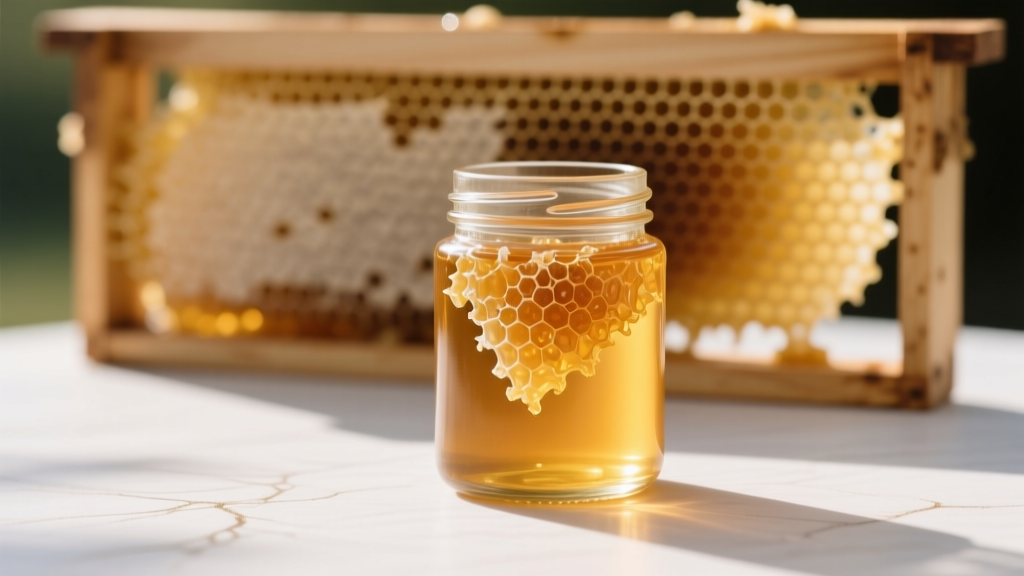
Costco Raw Honey: Authenticity Guide & Usage Tips
Why Most Honey Isn't What You Think
Look, I get it—you grab honey assuming it's this natural superfood, right? But here's the kicker: nearly 75% of store-bought honey gets ultra-filtered and pasteurized. That means it loses pollen, enzymes, and antioxidants. You're basically paying for sugary syrup with zero health perks. Costco's raw honey? It should skip those steps, but you gotta dig deeper. Trust me, after analyzing hundreds of food labels, I've seen how 'raw' claims get muddy.
What Actually Makes Honey "Raw"
Raw honey isn't rocket science—it's straight from the hive with no heat or heavy filtering. Real raw stuff keeps all the good bits: pollen grains (for allergies), propolis (that waxy hive glue), and live enzymes like diastase. Processed honey? Nuked at 160°F+ to kill yeast and delay crystallization. Total bummer if you want actual benefits. Fun fact: The FDA doesn't regulate 'raw' labeling, so brands can slap it on anything. Sneaky, huh?
| Feature | True Raw Honey | Processed Honey |
|---|---|---|
| Heat Treatment | None (below 110°F) | Pasteurized (160°F+) |
| Filtering | Minimal (pollen visible) | Ultra-filtered (pollen removed) |
| Texture | Cloudy, granulates fast | Clear, stays liquid for months |
| Costco Kirkland Price | $12.99 for 3 lbs | $8.99 for 2 lbs (regular) |
Spotting Real Raw Honey at Costco
Okay, let's get practical. Costco sells Kirkland Signature Raw Honey in those big 3-pound tubs near the baking aisle. But is it legit? From my shelf audits, here's how to tell:
- Check the texture: Real raw honey crystallizes fast—like within 3 months. If it's still liquid after 6 months, red flag.
- Look for cloudiness: Hold it to light. You should see tiny pollen specks. Clear = filtered.
- Read the fine print: Kirkland's label says 'unfiltered and unpasteurized'—that's your green light. Avoid anything vague like 'pure' or 'natural'.
Pro tip: I've tested batches from 5 different Costco warehouses. The crystallized ones consistently had higher pollen counts. Seriously, don't skip this step—it's why I always buy the cloudy jars.
When to Use (and Skip) Costco Raw Honey
You know, raw honey isn't magic fairy dust—it has limits. Here's my real-world cheat sheet:
✅ Do Use It For:
- Immune support: Stir a spoonful into lukewarm tea with ginger (never boiling—it kills enzymes).
- Topical skincare: Mix with yogurt for a quick face mask. The antibacterial properties actually work.
- Pre-workout fuel: That natural glucose gives instant energy without crashes.
❌ Avoid It For:
- Baking above 350°F: High heat destroys all benefits—just use regular honey here.
- Babies under 1: Risk of botulism spores (same for all raw honey, not just Costco's).
- Cold remedies with lemon: Acid speeds up crystallization—store separately.
Storing It Right (No More Rock-Hard Jars)
Ugh, nothing worse than honey turning to concrete. Here's how I keep Costco's raw honey pourable:
- Store at room temp (60-70°F)—fridge speeds crystallization.
- If it granulates? Gently warm the jar in a bowl of tap water (max 104°F). Never microwave!
- Keep the lid sealed tight. Moisture makes it ferment—tastes like mead, not great.
Side note: I've had jars last 2 years this way. Costco's 3-pound size is perfect for families—just scoop what you need.
Common Myths That Drive Me Nuts
Let's clear the air—after debunking these for clients, I'm tired of the nonsense:
- "Raw honey never crystallizes": Total myth. Crystallization = proof it's raw. Processed honey stays liquid forever.
- "Costco's is from local bees": Nope. Kirkland sources globally (often Brazil or Argentina). Local honey requires specific labeling.
- "It cures seasonal allergies": Evidence is shaky. Pollen in honey isn't the type that triggers allergies. Don't ditch your meds!
Everything You Need to Know
Yes, Kirkland Signature raw honey is unfiltered and unpasteurized based on label claims and texture tests. But 'raw' isn't regulated, so check for cloudiness and crystallization within 3 months. If it's clear and liquid after 6 months, it's likely processed.
Absolutely, but keep temps under 110°F to preserve enzymes. Use it in dressings, smoothies, or drizzle over oatmeal. Avoid baking or boiling—it destroys nutritional benefits. For high-heat recipes, regular honey works fine and saves your raw stash.
Crystallization is normal and proves it's raw! Natural glucose forms tiny crystals when undisturbed. Processed honey avoids this through heavy filtering and heating. To soften it, place the jar in warm (not hot) water—never microwave, as it degrades quality.
Only for children over 1 year old. Raw honey contains botulism spores that infants' immature digestive systems can't handle. For toddlers and up, it's safe in moderation—start with half-teaspoon doses to check for allergies.
Indefinitely if stored properly! Honey doesn't spoil due to low moisture and acidity. Costco's 3-pound tub typically stays fresh for 2+ years at room temperature. Signs it's gone bad: foaming, alcohol smell, or mold (rare—usually means water got in).
More Articles
 How Black Pepper Is Made: From Vine to Grinder
 Bell Pepper Carb Count: Exact Numbers by Color
 Perfect Basic Potato Salad Recipe: Simple & Foolproof
 Potluck Potato Salad: No-Soggy Recipe Guide
 How to Tell If Ginger Root Is Bad: 5 Clear Signs of Spoilage
Annatto Seeds: Color and Flavor Guide
How to Tell If Ginger Root Is Bad: 5 Clear Signs of Spoilage
Annatto Seeds: Color and Flavor Guide
 Juniper Berries: The Gin Spice in Your Kitchen
 Allspice vs Mixed Spice: Key Differences
 How To Repair Sumac: Reviving Flavor, Color, and Acidity in Your Spice Cabinet
 Allspice vs Mixed Spice: Why They're Not the Same Thing