Mouldy Sweet Potato: When to Discard and Why It's Dangerous
Discover exactly when to discard your sweet potatoes, how to properly store them to maximize freshness, and what to do if you've accidentally consumed mouldy produce. This guide provides science-backed food safety information you can trust.
Understanding Mould Growth on Sweet Potatoes
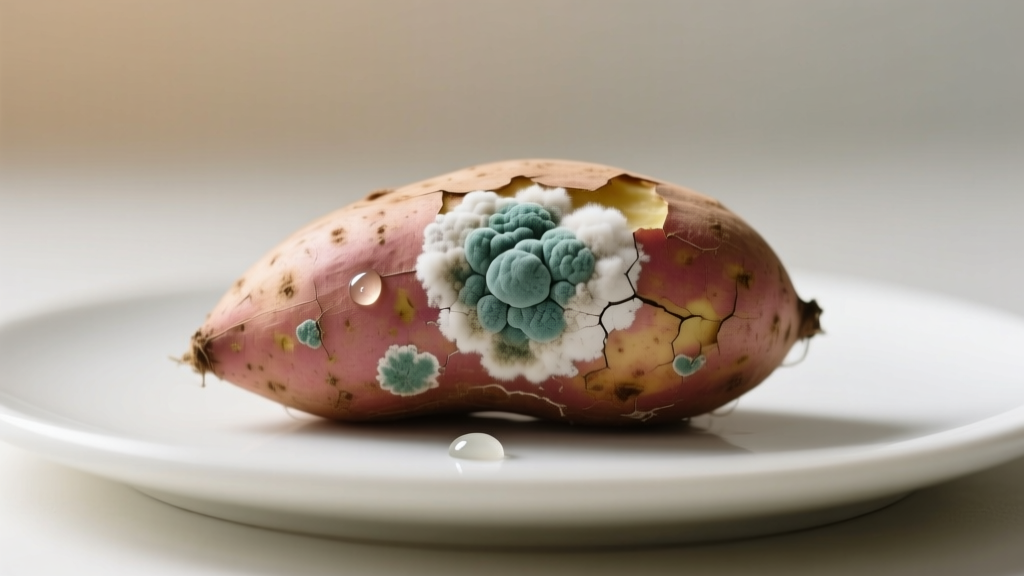
Sweet potatoes develop mould when exposed to moisture and warm temperatures. The most common mould types found on sweet potatoes include Penicillium (blue-green fuzz) and Rhizopus (black, fuzzy growth). Unlike harder vegetables, sweet potatoes have a high moisture content and soft cellular structure that allows mould to penetrate deep beneath the surface.
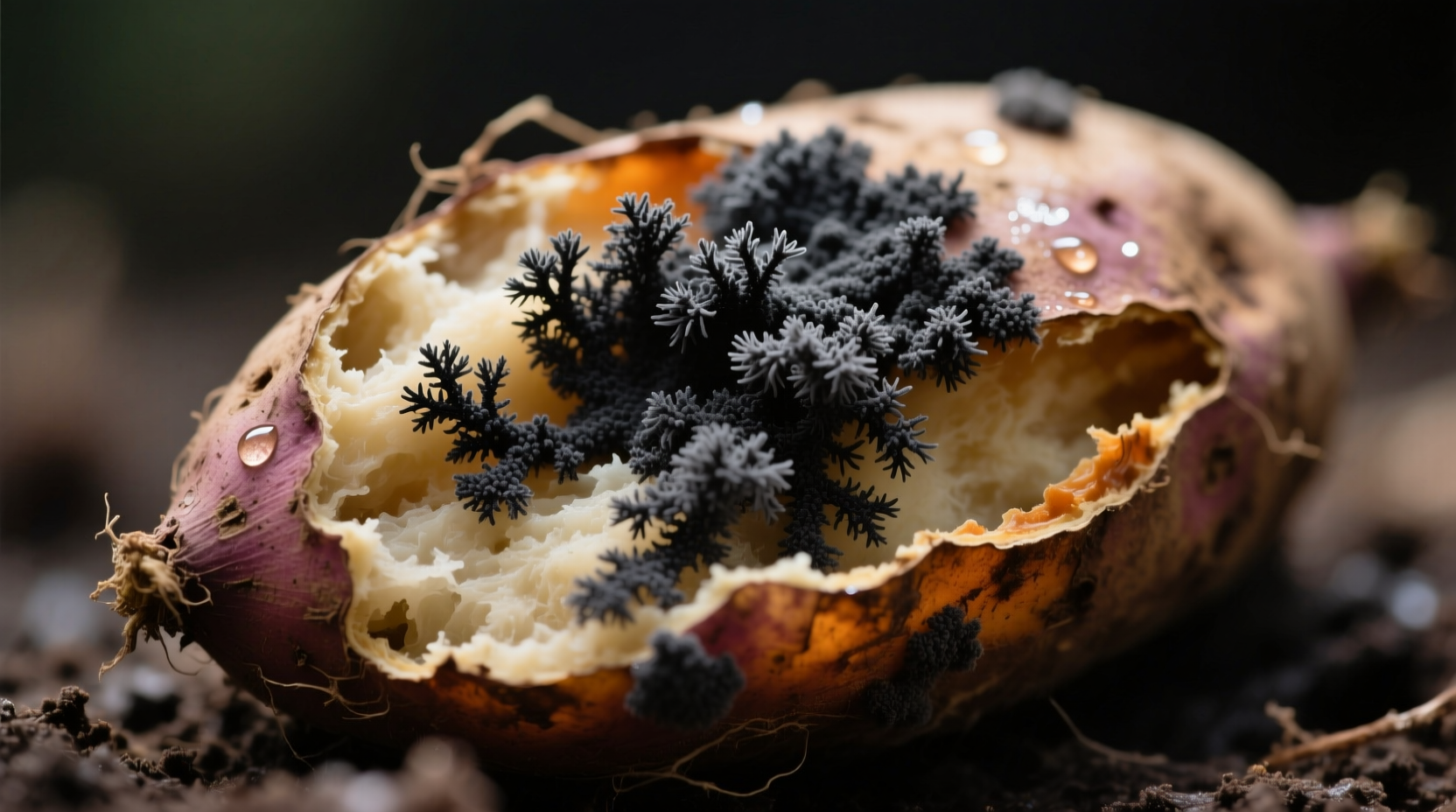
According to the U.S. Food and Drug Administration, soft fruits and vegetables like sweet potatoes, peaches, and tomatoes should be discarded entirely if mould is visible. The FDA explains that "moulds can penetrate below the surface of soft foods, and the roots of the moulds may be extensive."
Why Cutting Away Mould Isn't Safe for Sweet Potatoes
Many home cooks wonder if they can simply cut off the mouldy portion and eat the rest. For sweet potatoes, this approach is dangerous for several reasons:
- Hidden penetration: Mould sends microscopic filaments deep into the sweet potato's flesh
- Mycotoxin production: Some moulds produce toxins that spread throughout the vegetable
- Moisture content: Sweet potatoes' high water content allows contaminants to travel easily
The World Health Organization warns that mycotoxins "are resistant to heat processing and cannot be destroyed by cooking." These toxins can cause acute food poisoning and potentially long-term health effects with repeated exposure.
| Food Type | Mould Safety Guidance | Source |
|---|---|---|
| Sweet potatoes, yams | Discard entire item if mould visible | FDA Food Safety Guidelines |
| Hard cheeses (cheddar, parmesan) | Cut away 1 inch around and below mould | USDA Food Safety |
| Carrots, bell peppers | May cut away small mould spots with margin | University of Minnesota Extension |
| Bread, jams, soft fruits | Discard entire item | CDC Food Safety Recommendations |
Health Risks of Consuming Mouldy Sweet Potatoes
Eating mouldy sweet potatoes can lead to several health issues:
- Acute food poisoning: Nausea, vomiting, diarrhea, and abdominal cramps typically appearing 4-12 hours after consumption
- Allergic reactions: Respiratory issues or skin reactions in sensitive individuals
- Long-term exposure risks: Potential liver or kidney damage from certain mycotoxins with repeated consumption
The Centers for Disease Control and Prevention reports that foodborne illnesses affect 1 in 6 Americans annually, with produce-related cases accounting for a significant portion. While most healthy adults recover from mild food poisoning within 24-48 hours, vulnerable populations face higher risks.
When to Seek Medical Attention
If you've consumed mouldy sweet potato, monitor for these symptoms that require medical attention:
- Severe or persistent vomiting lasting more than 12 hours
- High fever (above 101.5°F or 38.6°C)
- Blood in vomit or stool
- Signs of dehydration (dry mouth, dizziness, reduced urination)
- Symptoms lasting longer than 3 days
Proper Sweet Potato Storage to Prevent Mould
Preventing mould starts with proper storage techniques:
- Temperature: Store at 55-60°F (13-15°C) - never refrigerate raw sweet potatoes
- Humidity: Keep in a cool, dark, well-ventilated area with moderate humidity
- Container: Use a paper bag or cardboard box - avoid plastic bags that trap moisture
- Inspection: Check weekly for soft spots, sprouts, or early mould signs
According to research from the University of Minnesota Extension, properly stored sweet potatoes can last 3-5 weeks. Never wash sweet potatoes before storage, as the added moisture accelerates spoilage.
Signs Your Sweet Potato Has Gone Bad
Watch for these warning signs that indicate your sweet potato should be discarded:
- Visible mould in any color (white, green, black, or blue)
- Soft, mushy areas that feel wet to the touch
- Dark, discolored patches beneath the skin
- Unpleasant sour or musty odor
- Excessive sprouting (beyond small芽)
When in doubt, throw it out. The minimal cost of replacing a sweet potato isn't worth the potential health risks of consuming contaminated produce.
What to Do If You've Eaten Mouldy Sweet Potato
If you've accidentally consumed mouldy sweet potato, follow these steps:
- Stop eating the contaminated food immediately
- Drink clear fluids to stay hydrated
- Monitor for symptoms over the next 24-48 hours
- Seek medical attention if severe symptoms develop
- Discard any remaining contaminated food
Remember that cooking does not destroy mycotoxins produced by mould. Boiling, baking, or frying mouldy sweet potatoes won't make them safe to eat.
More Articles
 Eggo Cinnamon Waffles: Complete Preparation Guide & Uses
 Crispy Onion Rings: Homemade Guide Without Fail
 Sichuan Peppercorn Guide: Mastering the Mala
 Sumac: The Tangy Red Spice Guide
 Sumac: The Tangy Middle Eastern Spice Guide
 Best Spice Basics for Chili: Flavor-First Guide
 When to Discard Cinnamon Rolls: Safety Guidelines
 Anise vs Star Anise: Key Differences
 Colman's Mustard Powder: Uses, Substitutes & Storage Guide
 Licorice Root Isn’t a Herb—And That Changes Everything