SPAM Food Meaning: Not an Acronym - Here's the Truth
Ever wondered what SPAM actually stands for in food? You're not alone. Millions search “what does spam stand for food” each year, believing this iconic canned meat hides a secret acronym. Let's clear up this decades-old confusion once and for all.
The Truth Behind SPAM's Name
Contrary to widespread belief, SPAM is not an acronym. Hormel Foods—the Minnesota-based company that created it—never intended SPAM to stand for anything. The name emerged from a 1936 internal contest when the company sought a catchy name for its new canned pork product. “Spiced Ham” was the product's working title, and “SPAM” became the shortened brand name.
Ken Daigneau, a Hormel vice president's brother, reportedly suggested “SPAM” during that contest. The company trademarked the name in 1937 before launching the product nationwide. As Hormel's official history states: “The name SPAM is derived from ‘spiced ham'—it's not an acronym.”
| Popular Myth | Actual Fact |
|---|---|
| “Shoulder of Pork And Ham” | No such phrase appears in Hormel's historical documents |
| “Special Processed American Meat” | American soldiers created this backronym during WWII |
| “Specially Processed Army Meat” | Military slang emerged after SPAM became ubiquitous in rations |
SPAM's Historical Timeline: From Pantry Staple to Cultural Icon
Understanding what spam stands for food requires examining its remarkable journey:
- 1937: Hormel Foods introduces SPAM in Austin, Minnesota. The product contains chopped pork shoulder, ham, salt, water, sugar, and sodium nitrite.
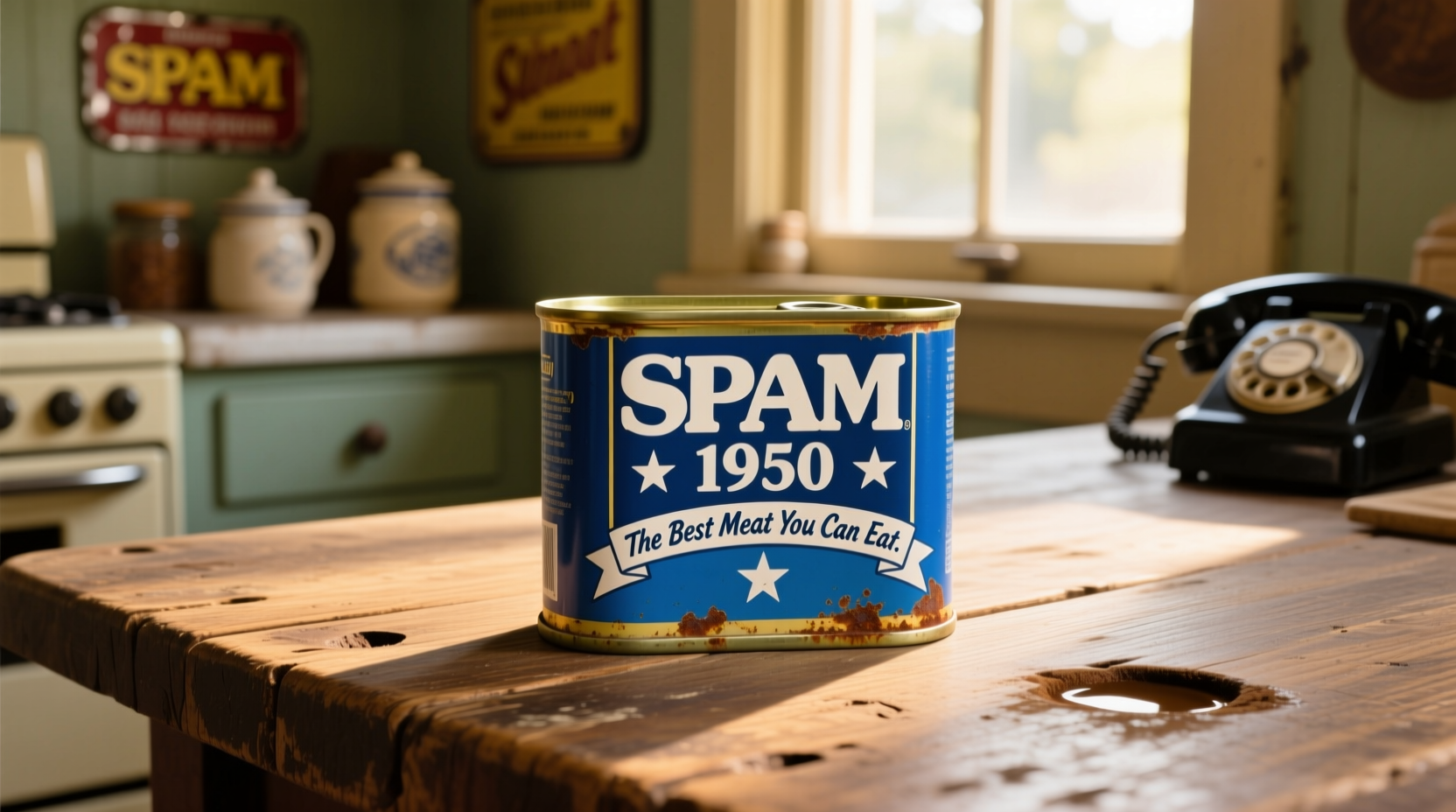
- 1940s: SPAM becomes vital military rations during WWII. American soldiers consume over 100 million pounds, sparking military slang like “Special Processed Army Meat.”
- 1949: SPAM reaches international markets, becoming especially popular in Hawaii, Guam, and the Philippines due to military influence.
- 1970s: Monty Python's famous sketch satirizes SPAM's ubiquity, ironically cementing the term “spam” for unwanted digital content.
- Today: Hormel sells SPAM in over 40 countries, with Hawaii consuming more per capita than any other U.S. state.
Why the Acronym Myth Persists
The meaning of spam food confusion stems from several factors:
Military personnel during WWII naturally created backronyms for the mysterious canned meat that dominated their rations. These informal explanations spread through letters home and veteran communities. Additionally, Hormel's early marketing materials didn't explicitly clarify that SPAM wasn't an acronym, allowing speculation to flourish.
According to the Smithsonian Institution's food history archives, the military's role in popularizing SPAM created perfect conditions for backronyms to take root. Soldiers needed to make sense of the ubiquitous canned meat, and acronym explanations provided satisfying narratives.
How SPAM Actually Works: Beyond the Name
While spam meat what does it stand for remains a common search, understanding its composition matters more than decoding a non-existent acronym. SPAM's production process explains its legendary shelf stability:
- High-heat cooking during canning kills bacteria and creates a vacuum seal
- Sodium nitrite prevents botulism and preserves color
- The rectangular can design maximizes storage efficiency
- No refrigeration needed until after opening
These practical features—not any secret meaning—made SPAM indispensable during wartime shortages and continue to drive its popularity in remote areas today.
SPAM's Global Cultural Impact
From its accidental military fame to becoming Hawaii's state dish ingredient, SPAM's journey reveals how food transcends its original purpose. In South Korea, lokkim (SPAM) appears in budae jjigae (army stew), a dish born from Korean War-era resourcefulness. The Philippines celebrates SPAMalaya (SPAM with sweet sauce), while Okinawa features SPAM musubi as convenience store staples.
This global adoption shows why the history of spam canned meat matters more than chasing phantom acronyms. As documented by the National Geographic Food Institute, SPAM's story reflects 20th century geopolitics through the lens of a humble canned product.
Setting the Record Straight: Official Sources
When researching spam food acronym truth, always consult primary sources. Hormel Foods' corporate archives confirm:
“The name SPAM is derived from ‘spiced ham.’ The original canned pork product was called ‘Hormel Spiced Ham.’ When the name was shortened, it became SPAM. It was never intended as an acronym.”
This clarification appears in their official publication The SPAM Story: 75 Years of a Cultural Icon (2012), settling the debate with primary source evidence.
Practical Takeaways for Modern Consumers
Whether you're a history buff or just curious about meaning of spam food, here's what truly matters today:
- SPAM contains 17 grams of protein per serving but also 35% of your daily sodium
- Modern varieties include reduced-sodium, turkey, and teriyaki options
- The blue label denotes original flavor—the version that sparked all the acronym myths
- Proper storage maintains quality for 2-5 years unopened
Understanding SPAM's real story helps separate culinary history from persistent urban legends. Next time someone asks what does spam stand for in food, you'll know the authentic answer.
More Articles
 Chili Kitchen Tips: Techniques for Great Results
 12 Creative Roll Ideas: Sushi to Breakfast Buns
 Cauliflower Au Gratin: Simple Recipe & Tips
 Authentic Mexican Food A-Z: Spice Tips (2026)
 Turmeric Shelf Life: Signs It’s Gone Bad & Storage Tips
Best Pepper Varieties: Uses & Sourcing
Turmeric Shelf Life: Signs It’s Gone Bad & Storage Tips
Best Pepper Varieties: Uses & Sourcing
 Allspice: The Caribbean Wonder Spice
 Dairy-Based Spice Care: Preserve Flavor and Shelf Life
 How to Cook Orange Roughy Without Overcooking It
 What Does a Garlic Clove Look Like? Visual Guide