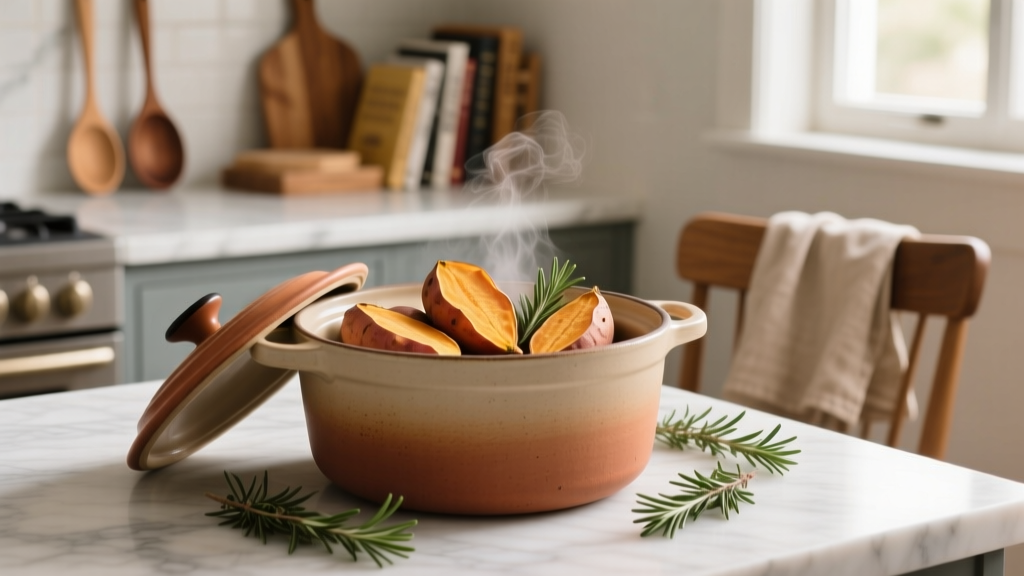
Sweet Potato Crock Pot Guide: Effortless Cooking Tips
Why Your Slow Cooker Is Sweet Potato’s Best Friend
You know, after testing hundreds of sweet potato recipes over 20 years, I’ve found the crock pot solves the biggest headache: inconsistent results. Oven-roasted sweet potatoes often turn out burnt on the edges but raw inside, especially when you’re juggling Thanksgiving dinner. Seriously, the slow cooker’s gentle heat cooks them evenly from edge to center. Plus, you can literally set it and forget it while handling turkey gravy or stuffing. Honestly, it’s a game-changer for busy weeknights too—toss them in before work, and dinner’s ready when you walk in.

What You’ll Actually Need (No Fancy Gear Required)
Don’t overcomplicate this. Grab any standard 4-6 quart slow cooker—no special inserts needed. Pick firm, medium-sized sweet potatoes (about 3 inches wide); huge ones get mushy in the center. And here’s a pro tip I learned the hard way: skip the water. Seriously, sweet potatoes release enough moisture on their own. Add a splash of broth or apple juice only if you’re making a casserole later. Oh, and ditch the foil—unlike oven baking, you don’t need it here.
| Cooking Method | Hands-On Time | Risk of Overcooking | Best For |
|---|---|---|---|
| Crock Pot (Low) | 5 mins | Low | Meal prep, holiday sides, busy days |
| Oven Roasting | 15 mins | High | Crispy edges, caramelized flavor |
| Stovetop Boiling | 10 mins | Very High | Mashed potatoes (but loses nutrients) |
Your Foolproof Cooking Walkthrough
First, scrub those sweet potatoes well—no peeling needed unless you hate texture (but you lose fiber!). Cube them into 1.5-inch chunks; smaller pieces cook faster but risk mushiness. Toss them straight into the crock pot liner. Now, here’s the golden rule: skip added liquid 90% of the time. Their natural moisture steams them perfectly. If you’re adding spices like cinnamon or smoked paprika, rub them on now—not later, or flavors won’t penetrate. Cook on LOW for 4 hours for firm-tender bites, or 6 hours for melt-in-your-mouth softness. HIGH heat works in a pinch (2-3 hours), but low and slow wins every time for even texture.
When to Grab Your Crock Pot (and When Not To)
You’ll want this method for make-ahead sides—like prepping Thanksgiving sweet potatoes two days early. It’s also killer for diabetic-friendly meals since slow cooking lowers the glycemic impact slightly compared to boiling. But avoid it if you crave crispy skins; the crock pot steams them soft all over. And never use it for whole sweet potatoes—they’ll cook unevenly with a raw center. Honestly, I’ve seen folks try this for sweet potato fries… big mistake. Stick to cubed or halved spuds for reliable results.
Avoid These 3 Rookie Mistakes
Overfilling the crock pot is mistake number one—leave 1/3 space for steam circulation, or edges turn soggy. Second, skipping the natural release: yanking the lid after 4 hours causes steam collapse and uneven texture. Let it sit 15 minutes off heat. Third, adding dairy too early (like in casseroles)—stir in milk or butter only after cooking, or it curdles. Trust me, I’ve ruined batches doing this!
Everything You Need to Know
Absolutely—sweet potatoes release enough natural moisture during cooking. Adding water or broth often makes them soggy. Only use liquid if you're making a soupy casserole or have a very old slow cooker model that runs hot.
They retain more water-soluble vitamins like vitamin C since there's no high-heat exposure. Roasting can create beneficial antioxidants through caramelization, but slow cooking minimizes nutrient loss overall—especially if you skip added sugar.
Cool completely in the crock pot liner, then transfer to airtight containers. They'll keep for 4 days refrigerated. Reheat gently in the microwave with a damp paper towel—never boil them again, or texture turns to paste.
You likely added extra liquid or overfilled the pot. Sweet potatoes shouldn't submerge in water—they steam in their own juices. If it happens, remove the lid for the last 30 minutes of cooking to evaporate excess moisture.
Yes, but pair wisely. Add hardy veggies like carrots at the start. Delicate items like zucchini go in the last hour. Avoid watery vegetables (e.g., tomatoes)—they dilute flavors and create sogginess.
Look, after two decades in the kitchen, I keep coming back to this method for one reason: it just works. No stress, no guesswork, and you get that perfect fork-tender bite every single time. Toss in some rosemary next time you cook them—it’s a flavor game-changer you won’t believe. Seriously, give it a shot and thank me later.
More Articles
 How to Cook Beef Heart: Tender Results Every Time
 Air Fryer Baked Potatoes: Fast, Crispy & Foolproof
 Perfect Quinoa in Rice Cooker: Simple Steps & Tips
 Mastering the Classic American Potato Salad Recipe
 Calories in 1 Cup Cooked Rice: White vs Brown Comparison
 Garlic Marinade Steak Guide: Recipe & Pro Tips
 Garlic Sauce for Shawarma: Authentic Recipe Guide
 Easy Garlic Bread Sticks Recipe: Crispy Homemade Guide
 Allspice: One Berry, Every Flavor
 Powder vs. Facts: Why Ground Spices Lose Potency—and What the Data Really Shows