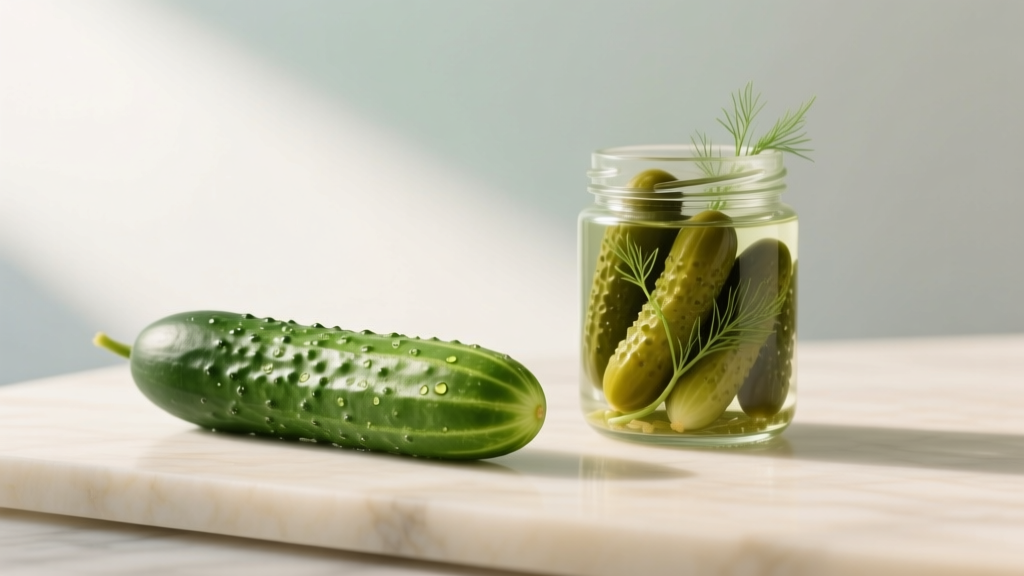
Pickle vs Cucumber: 5 Key Differences (2026)
Why Confusion Happens (And Why It Matters)
Many assume pickles are a separate vegetable—not a processed form of cucumber. This misunderstanding leads to poor dietary choices, especially for sodium-sensitive individuals. The USDA confirms cucumbers contain just 2mg sodium per 100g, while dill pickles jump to 350mg. Mistaking them can sabotage health goals or ruin recipes. Let’s clarify the science-backed distinctions.
| Attribute | Cucumber | Pickle |
|---|---|---|
| Nature | Fresh, raw vegetable | Preserved cucumber |
| Processing | None (eaten immediately) | Brined in vinegar/salt/spices (3+ days) |
| Nutrition (per 100g) | 15 cal, 3.6g carbs, 2mg sodium | 17 cal, 3.5g carbs, 350mg sodium |
| Flavor/Texture | Crisp, watery, mild | Tangy, salty, firmer |
| Primary Use | Salads, sandwiches, hydration | Condiments, snacks, flavor enhancer |
Data sourced from USDA FoodData Central and The Spruce.
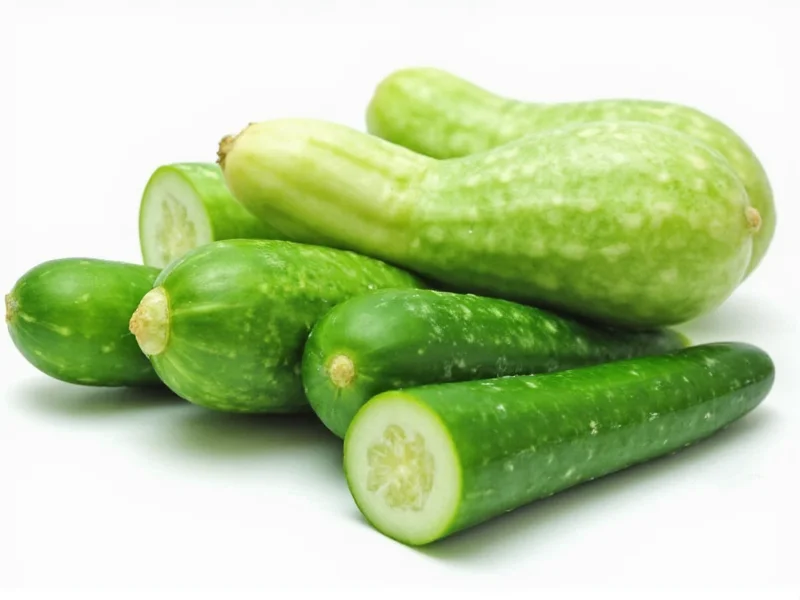
When to Use (and Avoid) Each
Choose cucumber when: You need hydration (95% water), low-sodium options for salads, or fresh crunch in sandwiches. Ideal for weight management or post-workout recovery. Avoid if seeking bold flavor—it’s neutral.
Choose pickle when: You want tangy accents in burgers, tacos, or charcuterie boards. Essential for flavor layering in dishes like tuna salad. Avoid if managing hypertension—the Food Network notes brine adds significant sodium. Never substitute raw in fermented recipes (e.g., kimchi)—it won’t develop probiotic benefits.
Decision Boundary: Making the Right Choice
Health context matters most: Hypertension patients should limit pickles (max 1 serving/day per American Heart Association). For cooking, cucumbers work in raw applications; pickles excel where acidity balances richness (e.g., fried chicken sandwiches). Never assume interchangeability—using pickle juice in a gazpacho will overpower delicate flavors.
Common Misconceptions Debunked
Misconception: "Pickles are cucumbers with different seeds." Truth: All pickles start as cucumbers—specifically "pickling cucumbers" like Kirby varieties. The transformation is purely process-driven, as The Spruce explains.
Misconception: "Fermented pickles are always healthier." Truth: While lacto-fermented versions offer probiotics, vinegar-based pickles lack live cultures. Both remain high-sodium—check labels.
Everything You Need to Know
No. Cucumbers are the raw vegetable (Cucumis sativus). Pickles are cucumbers transformed via preservation. As The Spruce clarifies, "without pickling, it’s simply a cucumber."
Sodium preserves texture and inhibits spoilage during brining. USDA data shows dill pickles contain 350mg sodium per 100g versus cucumbers’ 2mg. Always rinse to reduce sodium by 30%.
Only in raw applications (e.g., salads). For tangy roles like relish or burger toppings, cucumber lacks acidity. Food Network advises quick-pickling cucumbers if substitutes are needed.
Fresh cucumbers spoil in 5–7 days refrigerated. Properly canned pickles last 1–2 years unopened; opened jars keep 2–3 months refrigerated. Vinegar brine extends shelf life significantly.
Context-dependent. Fermented pickles offer probiotics, but both have similar vitamins. Pickles’ high sodium negates benefits for heart health. For hydration and low-calorie needs, cucumbers win. Always prioritize whole-food forms.
More Articles
 Slow Cooker Vegetable Beef Soup Done Right
 Caron Cinnamon Swirl Cakes: Simple Recipe & Baking Secrets
 Shawarma Spices: Authentic Blend Guide (Not Schwarma)
 Black Sesame Oil vs Regular: Key Differences and Uses
 How to Season Beef: Simple Steps for Perfect Flavor
 Lentil Dahl Recipe: Creamy Indian Comfort Food
 Simple Homemade Lemon Pepper Seasoning Recipe
 Cayenne Pepper Seeds: Planting Guide & Heat Insights
 Cinnamon Jolly Ranchers: Truth About Discontinued Candy
 Grilled Chicken Seasoning Guide: Proven Blends That Work