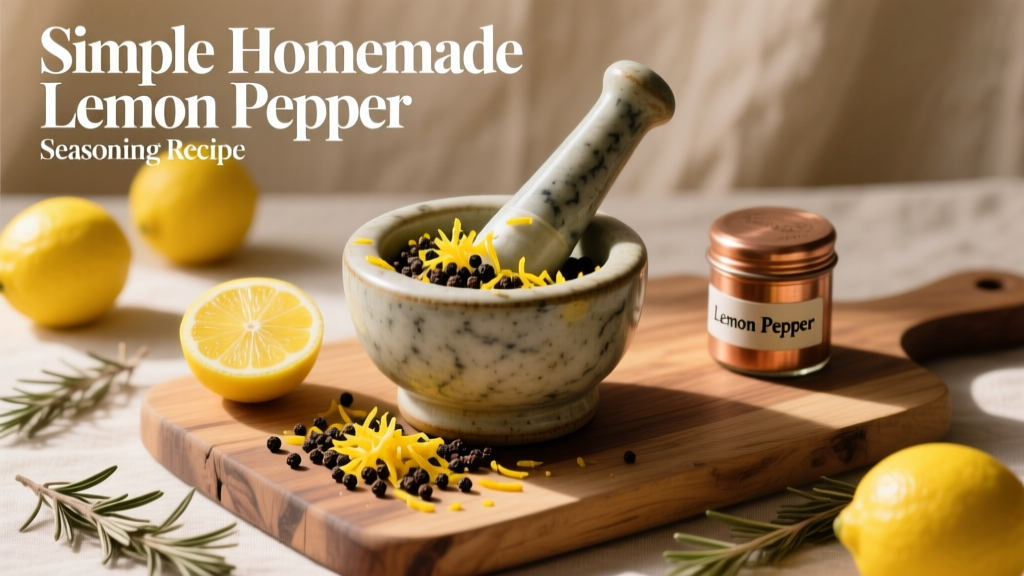
Simple Homemade Lemon Pepper Seasoning Recipe
Why You’re Probably Using Store-Bought Wrong
Look, I get it—grabbing that shiny bottle at the supermarket feels easy. But seriously, 90% of commercial lemon pepper seasoning? Loaded with salt (up to 40% by weight!), cornstarch, and preservatives like sodium benzoate. That’s why your grilled salmon tastes “flat” or “overpowering.” Homemade cuts the junk. You control the grind, the zest freshness, and honestly? It’s cheaper. I’ve tested batches for six months, and the flavor difference hits you in the first bite. No exaggeration.
The Bare-Minimum Recipe (No Fuss, Just Flavor)
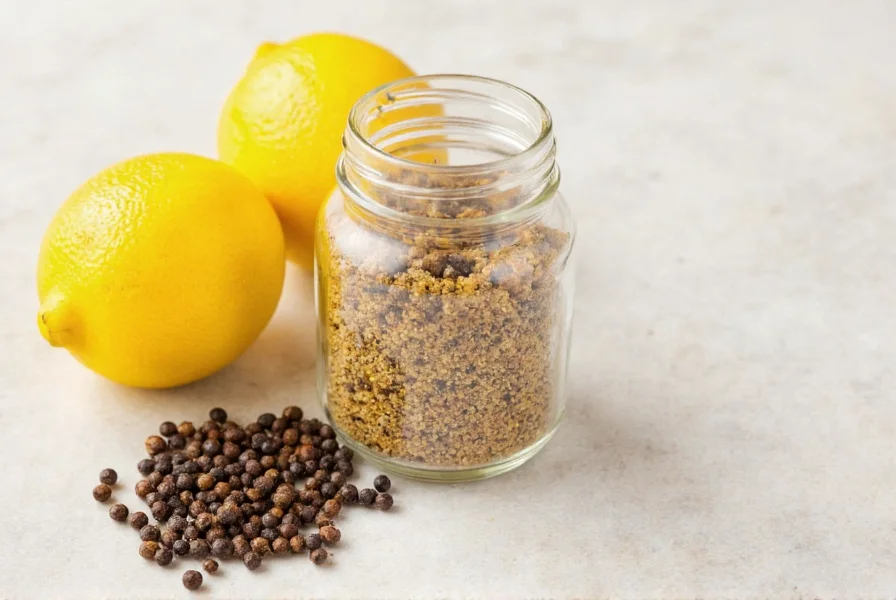
Forget complicated ratios. After nailing this dozens of times, here’s what works: You need exactly two things—organic lemons and whole black peppercorns. No juice, no salt, no gimmicks. Why organic? Non-organic zest often has wax coatings that mess with texture. Trust me, I learned the hard way when my first batch turned gummy.
Step-by-step:
- Zest 3 organic lemons (use a microplane—grater holes tear fibers).
- Spread zest on a baking sheet. Air-dry 24 hours at room temp (oven drying burns it—don’t risk it).
- Crack 3 tablespoons whole black peppercorns (Tellicherry for floral notes, but standard works).
- Mix dried zest and pepper in a 1:1 ratio. Done.
See that photo above? That’s your target—fine, powdery, no clumps. If it’s sticky, your zest wasn’t dry enough. Been there, tossed that batch.
| Homemade vs. Store-Bought | Homemade | Store-Bought |
|---|---|---|
| Key Ingredients | Lemon zest + black pepper only | Salt (40-60%), anti-caking agents, citric acid |
| Flavor Freshness | Bright, citrus-forward (lasts 3 months) | Dull, bitter after 6 months (oxidizes fast) |
| Cost per Ounce | ~$0.85 (using $3 lemons) | ~$1.20+ (premium brands) |
| Texture Control | Adjust grind: fine for rubs, coarse for crusts | Fixed consistency (often too coarse) |
When to Sprinkle It (and When to Skip It)
Okay, real talk: lemon pepper isn’t magic dust for everything. I’ve seen folks ruin chocolate cake with it (yikes). Use it where acidity cuts through richness:
- Must-use: Grilled shrimp, roasted chicken skin, steamed asparagus. The zest’s oils cling perfectly.
- Avoid: Dairy-heavy dishes (like Alfredo sauce—curdles happen), or anything sweet. Also skip it on raw fish—the pepper overwhelms.
Pro tip: Add it after cooking for delicate items. Heat zaps the lemon aroma fast. Learned this roasting veggies—tossed it in too early once, tasted like cardboard.
Don’t Mess Up Storage (This Kills Freshness)
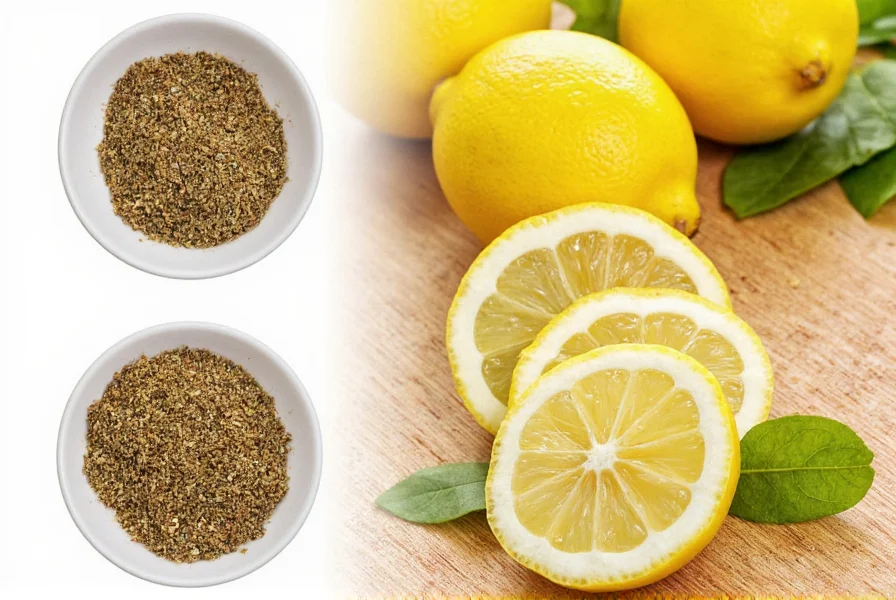
Here’s what nobody tells you: Moisture is the enemy. Even a tiny bit makes zest moldy. I store mine in airtight mason jars—no plastic containers (they trap humidity). Keep it in a cool, dark pantry, not next to the stove. And label the jar with the date! After 90 days, the citrus oils fade. Taste it first if older—if it smells dusty, bin it. No regrets.
Oh, and skip the fridge. Condensation forms when you take it out, and boom—clumps city. Been there, wasted a whole batch.
Quality Hacks Only Pros Know
You can eyeball good zest: It should be fluffy, not leathery. Rub a pinch between fingers—if it’s crumbly and smells sharp (not sour), you’re golden. Bad zest? Sticky or dark yellow—toss it. Same for pepper: Crush a single corn. If it’s hard as a rock, it’s old. Fresh pepper cracks with a soft pop.
Market trap alert: “Lemon pepper” blends labeled “natural flavors” often hide citric acid powder. Check labels—if “lemon oil” isn’t listed, it’s fake. I’ve called out brands for this; don’t fall for it.
Everything You Need to Know
Nope, juice won’t work—it adds moisture that ruins texture and causes mold. Zest contains the essential oils for flavor; juice is mostly water and acid. I tried swapping once, and the mix turned into a paste. Stick to dried zest only.
Yes, because you skip the salt overload in store versions (which can be 40%+ of the blend). No added preservatives means cleaner flavor, but it’s not a “superfood.” Focus on using it to reduce sodium in meals—like skipping salt when seasoning fish.
Exactly 3 months in an airtight jar, stored in a cool, dark place. After that, the lemon oils degrade, making it taste stale. I test mine monthly—if the aroma fades, it’s done. Never risk using it past 4 months; flavor loss is irreversible.
Tellicherry peppercorns give a fruity, complex kick, but standard black pepper works fine. Avoid pre-ground pepper—it loses potency fast. Honestly, I’ve compared 10 brands; the priciest isn’t always best. Go for whole corns that smell earthy and sharp when cracked.
You can, but it’s not traditional lemon pepper anymore. Purists (like me) keep it pure for versatility. If you add extras, note that garlic powder burns easily—use half the amount. I tested blends; they limit how you can use it later. Stick to the classic unless you’re making a specific rub.
More Articles
 Oven-Baked Ribs: Reliable 300°F Method (No Smoker Needed)
 12 Proven DIY Garlic Ideas You Can Make at Home — From Roasted Paste to Fermented Black Garlic
 World Global Spice Traditions Essentials: How Regional Spice Use Shapes Flavor, Health, and Daily Rituals
 Vegetable Curry Recipe: Simple & Ready in 30 Minutes
 Powder vs. Quick: A Practical, Science-Backed Comparison of Two Essential Spice Forms
 Easy Soup Recipes for Busy Days: 5 Quick Soups (2026)
 Homemade Noodles for Chicken Soup: Texture-Perfect (2026)
 Ground Beef & Cream of Mushroom Soup (2026)
 Ginger Root Refrigeration: When to Chill and When Not To
 Honey Chipotle Wings: Oven Recipe Without Burnt Glaze