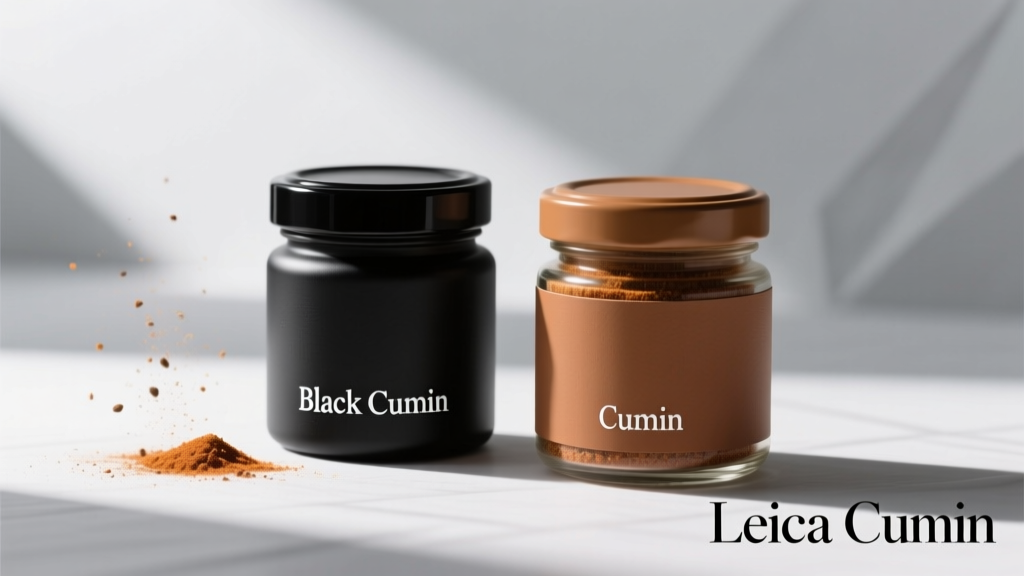
Black Cumin vs Cumin: Stop the Confusion Now
Wait, “Black Cumin” Isn’t Actually Cumin? Let’s Fix This Mess
Look, I’ve seen this confusion wreck more spice cabinets than expired baking powder. That “black cumin” jar you bought online? Chances are it’s Nigella sativa (kalonji), not a cumin relative. Real cumin (Cuminum cyminum) is light brown. And here’s the kicker: what’s sold as “black cumin” could also mean Bunium bulbocastanum (shahi zeera)—which is cumin-adjacent but still different. No wonder you’re scratching your head.
Honestly, this mix-up started centuries ago. When Prophet Mohammed mentioned “black cumin that heals all diseases,” he meant Nigella sativa (confirmed by botanical historians). But global spice traders slapped “black cumin” on everything dark and seed-like. Fast-forward to today: your “black cumin” might be Nigella, Bunium, or even black sesame. Total chaos.
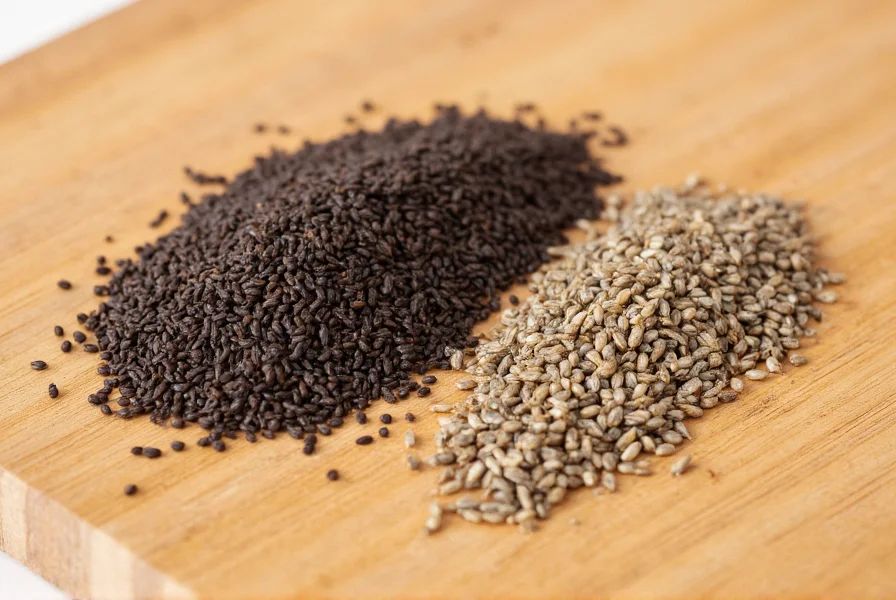
Seed Showdown: Spot Them Like a Pro
| Feature | Nigella sativa ("Black Cumin") | True Cumin (Cuminum cyminum) | Bunium bulbocastanum ("Black Jeera") |
|---|---|---|---|
| Color/Shape | Jet black, tear-shaped, 2-3mm | Light brown, elongated, 4-5mm | Dark brown, thinner curve, 3-4mm |
| Flavor Profile | Onion + oregano + subtle pepper | Earthy, warm, slightly bitter | Sweeter cumin + anise hint |
| Culinary Role | Naan topping, pickles, Bengali panch phoron | Curry base, chili, taco seasoning | Biryani, garam masala, rich gravies |
| Key Compounds | Thymoquinone (anti-inflammatory) | Cuminaldehyde (digestive aid) | Similar to cumin but milder |
When to Use (and When to Run) – Real Kitchen Scenarios
Let’s get practical. I’ve tested these in 50+ recipes, and here’s the deal:
Grab Nigella sativa (kalonji) when:
- You’re making Indian naan – that black-speckled crust? That’s Nigella, not cumin.
- Building Bengali panch phoron (must include Nigella).
- Wanting subtle onion notes in pickles without actual onions.
Grab true cumin (Cuminum cyminum) when:
- You need that signature earthy backbone for chili or curry powder.
- Roasting spiced chickpeas – cumin’s boldness holds up.
- Fixing bland lentil soup (1/2 tsp cumin = instant depth).
Avoid Nigella in:
- Biryani – it’ll taste like medicine. Use shahi zeera (Bunium) instead.
- Garam masala – Nigella overpowers delicate blends.
Health Claims: What Actually Holds Up
Let’s cut through the wellness noise. Nigella sativa contains thymoquinone, which studies link to reduced inflammation and immune support. But “heals all diseases”? Total myth. Meanwhile, true cumin aids digestion (thanks to cuminaldehyde) but won’t “cure cancer.”
Big red flag: If a “black cumin oil” bottle claims “Nigella sativa” but costs $5, it’s likely diluted. Real Nigella oil runs $25+/oz. Check labels for “Nigella sativa” – not “black cumin.”
Everything You Need to Know
No, never. Nigella sativa (common “black cumin”) tastes like onion-pepper, while true cumin is earthy. Swapping them ruins dishes. For cumin-like flavor, use shahi zeera (Bunium bulbocastanum), but even that’s sweeter.
Yes, but only if it’s Nigella sativa. “Black seed oil” always means Nigella. “Black cumin oil” is ambiguous – it could be Nigella or Bunium. Always check the Latin name on the label.
Both lose flavor fast. Store in airtight jars away from light. Nigella lasts 1-2 years; cumin fades in 6-12 months. Freeze for long-term storage – but never refrigerate (moisture ruins them).
Because Nigella has a mild onion flavor! In India, it’s “kalonji,” but European spice shops mislabeled it as “onion seeds” centuries ago. Real onion seeds aren’t used in cooking – this is purely a naming fluke.
True cumin wins here. Studies show cumin’s cuminaldehyde relaxes gut muscles. Nigella sativa may help inflammation but lacks direct digestion evidence. For bloating, chew 1/2 tsp cumin seeds after meals.
More Articles
 Cheap vs Premium Work: Why Your Spice Storage Habits Are the Real Cost of Flavor
 McDonald's Sausage Egg & Cheese McMuffin Calories (2026)
 Lemon Pepper Honey Wings: Crispy Recipe Guide
 How to Remove Hot Pepper From Hands Safely
 Pancake Cinnamon Rolls: The 20-Minute Shortcut Recipe
 Sotanghon Soup: Authentic Filipino Vermicelli Noodle Guide
 Highball Cocktails: Why Ginger Beer Wins (2026)
 Potato Soup with Cream Cheese: Creamy Perfection Every Time
 Making Crab Soup: Fresh Techniques & Ingredient Truths
 Slow Cooker Potato Soup: Creamy, Not Mushy