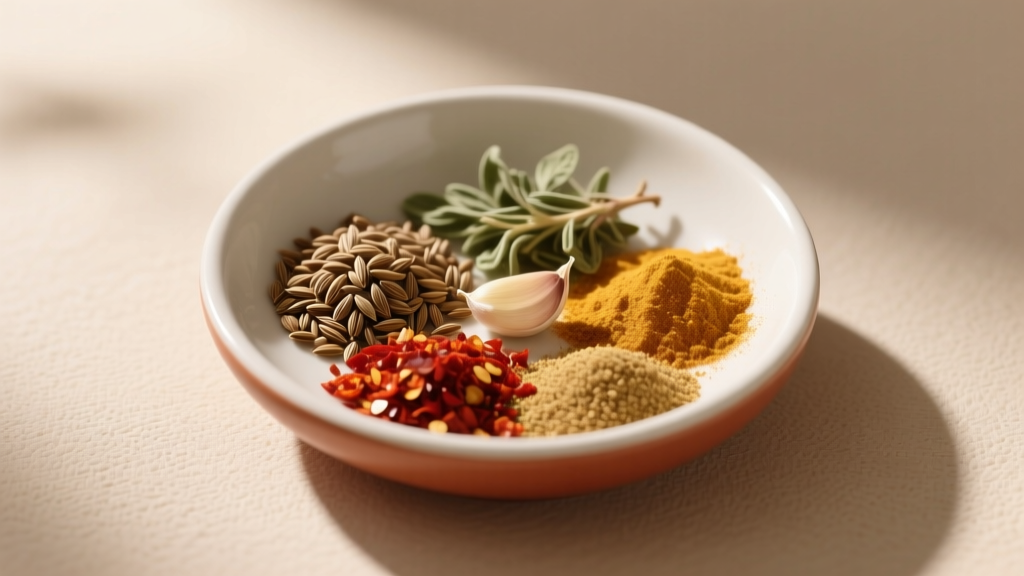
Mexican Rice Spices: Core Blend Guide
Why Your Mexican Rice Tastes "Off" (And How Spices Fix It)
Ever make rice that’s either bland or weirdly sweet? That’s because:
- Cumin’s earthy depth balances tomato’s acidity (yes, even in "red" Mexican rice)
- Garlic and onion powder create umami without burning like fresh versions
- Smoked paprika—not sweet paprika—gives that signature rusty color
Honestly, skip oregano if you must (it’s subtle), but nixing cumin makes it taste like sad Spanish rice. I’ve seen chefs cringe at "Mexican" rice without it.
| Spice | Role in Mexican Rice | Per Cup Uncooked Rice | When to Skip |
|---|---|---|---|
| Cumin | Earthy backbone, authentic flavor | 1 tsp | Never (unless avoiding for allergies) |
| Garlic Powder | Umami boost without burning | ½ tsp | If using 2 minced cloves (add later) |
| Onion Powder | Savory depth, even texture | ½ tsp | Never |
| Smoked Paprika | Color + subtle smoke (not heat!) | ¼ tsp | If using chipotle powder (¼ tsp max) |
| Dried Oregano | Herbal hint (optional) | ⅛ tsp | If you dislike herbal notes |
Pre-Made Blends: Handy or Hype?
Let’s be real—sometimes you just want to dump a packet. But most "Mexican" blends are sneaky:
- Trap #1: Salt overload (up to 500mg per serving). Morton & Bassett’s blend avoids this—they keep salt separate (see their ingredient list).
- Trap #2: Sugar or fillers. La Preferida’s Authentic Taco Seasoning nails the balance with just chili, cumin, garlic, onion, and paprika—no sweeteners (their formula).
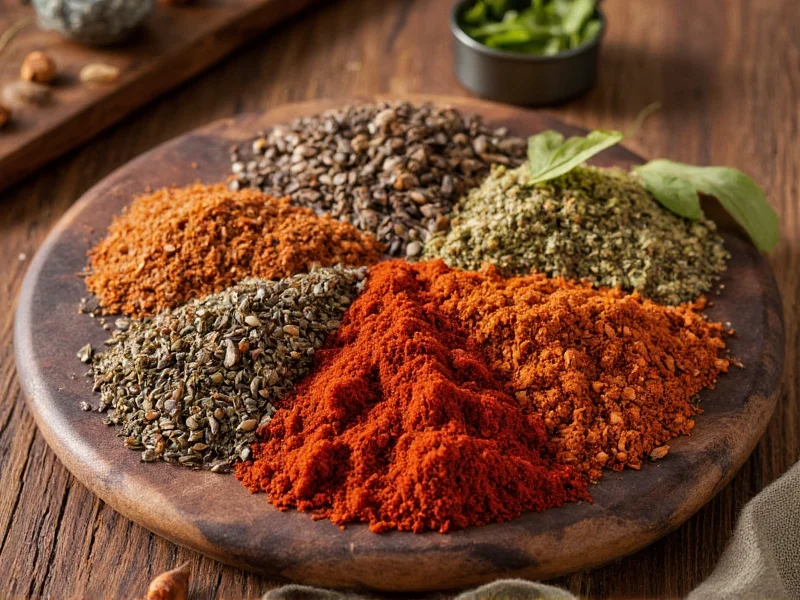
Use pre-mixed blends only if you’re short on time—but always reduce added salt elsewhere. And never use "fajita seasoning"; it’s way too peppery.
Pro Tips from 20 Years of Fixing Sad Rice
Here’s what separates okay rice from "¡Ay, qué rico!" rice:
- Toast the spices WITH the rice: Sauté uncooked rice in oil until golden, then add spices for 30 seconds. This unlocks flavors without burning.
- Smoked paprika > regular: Regular paprika makes rice taste flat. If you can’t find smoked, add a pinch of chipotle powder.
- Avoid canned tomato sauce: It dulls spice flavors. Use fresh tomato blended with broth instead.
Oh, and ditch the "let it sit covered" myth—fluff rice immediately after cooking. Otherwise, steam makes it mushy.
When to Avoid These Spices (Seriously)
Not every "Mexican" dish needs this blend. Skip it for:
- Arroz con leche: Cinnamon and vanilla only—cumin would wreck it.
- Coastal dishes (like Veracruz-style): They use fresh cilantro and lime, not dried spices.
- Authentic Oaxacan recipes: They rely on hoja santa or avocado leaves, not cumin.
Bottom line: If the recipe calls for fresh herbs or seafood, stick to lime and salt.
Everything You Need to Know
No—it’s non-negotiable for authenticity. Cumin’s earthy flavor defines Mexican rice. Without it, you’re making Spanish rice (which uses saffron). If you dislike cumin’s taste, try toasting whole seeds and grinding them fresh—it’s less bitter. But skipping it entirely creates a completely different dish.
Gummy rice usually means you didn’t toast the rice and spices enough before adding liquid. The starch needs that initial sear to stay separate. Also, using too much liquid or not fluffing immediately traps steam. Stick to 1.5 cups broth per cup rice, and fluff with a fork as soon as it’s done.
3–6 months in an airtight container. Light and moisture kill flavor fast—store in a dark cupboard, not next to the stove. If your cumin smells dusty (not warm and nutty), toss it. Pro tip: Buy whole cumin seeds and grind small batches; they stay potent for 12 months.
No—not traditionally. Heat comes from side sauces (like salsa), not the rice itself. Authentic recipes use mild spices only. If your blend has cayenne or hot chili powder, it’s likely Americanized. For subtle warmth, add ⅛ tsp chipotle powder—but never cayenne.
Yes, but adjust timing. Sauté 2 minced garlic cloves with the rice after toasting (not before), or it’ll burn. Powder is safer for beginners—it distributes evenly and won’t scorch. If using fresh, add it 30 seconds before broth to avoid bitterness.
More Articles
 How to Grate Ginger: No-Peel Method and Tool Guide
 How to Season Beef: Simple Steps for Perfect Flavor
 Turkish Red Lentil Soup: The Authentic Breakfast Staple
 Foolproof Alternatives to Common Spice Substitutions—Explained with Precision
 Andouille Sausage Substitutes for Cajun Dishes
 Potato Soup with Hash Browns & Cream Cheese That Works
 Where to Buy Black Cumin (Without the Confusion)
 How to Season Steaks Right: Simple Proven Steps
 Onion Soup Rice: Recipe and When to Use It
 DIY Chef Ideas: Practical, Budget-Savvy Kitchen Hacks You Can Build Today