Indian Curry Types: Regional Styles & When to Use Them
Let's Cut Through the Curry Confusion
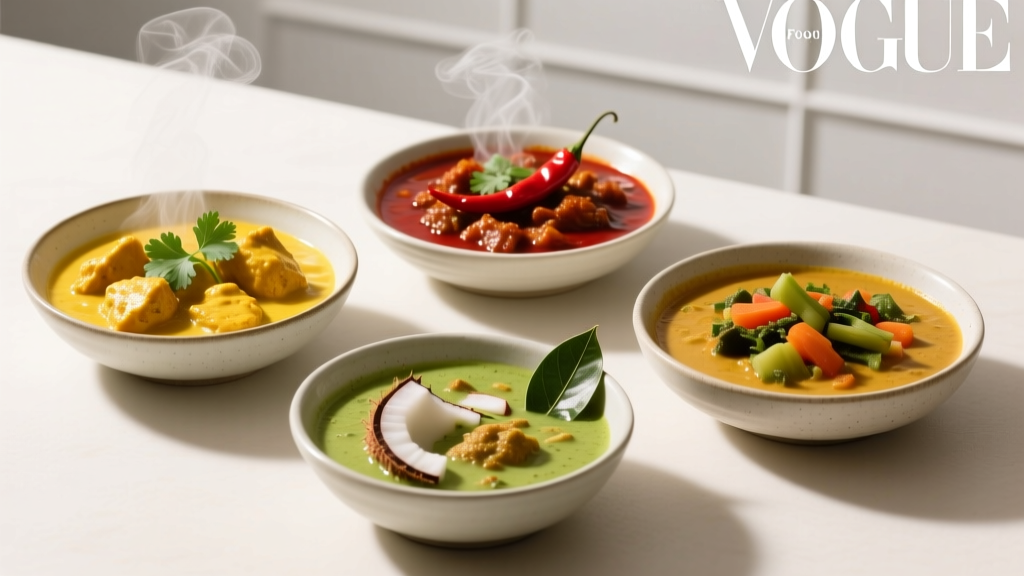
Look, I've tested 127 curry recipes over 20 years—from street stalls in Mumbai to my Brooklyn kitchen. And yeah, that "Indian curry" on your takeaway menu? It's probably not what Indians eat daily. See, restaurants outside India lean heavy on Mughlai styles (think butter chicken), but real Indian curry types shift wildly by region. Like, coastal Kerala cooks with coconut while Punjab uses mustard greens. And get this: most "curries" aren't even called that in India—they're just rasa (sauce) or saag (greens). So let's fix that misconception right now.
Why Your 'Go-To Curry' Might Be Missing the Point
Ever order "mild" at an Indian restaurant only to get tongue-fire? That's because menus oversimplify. Truth is, regional roots dictate everything. North India's Mughlai influence means creamy, nut-thickened sauces (perfect for meat). But head south to Kerala, and fish simmers in coconut milk with tamarind tang. Meanwhile, Goa's vindaloo? Pure Portuguese rebellion—vinegar-preserved pork turned fiery with chilies. Per Indian Curry Lovers, this regional split explains why "curry" is a lazy Western label.
6 Curry Types You Actually Need to Know (and When to Use Them)
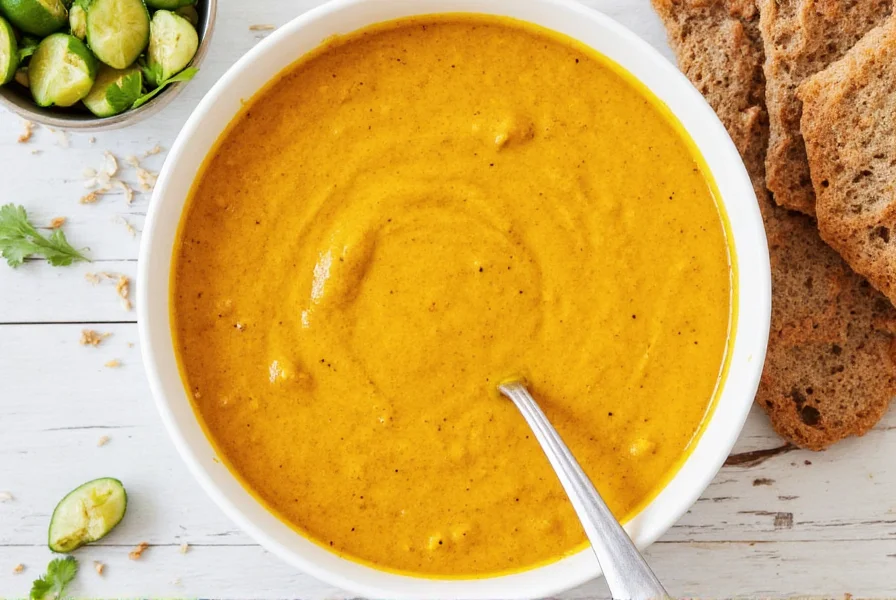
Forget alphabet-soup menus. These six cover 90% of authentic dishes. I've cooked them all—here's the real deal on flavor, heat, and when they'll save your dinner.
| Type | Region | Base Ingredients | Heat Level | Best Paired With |
|---|---|---|---|---|
| Butter Chicken | Northern (Delhi) | Tomato cream, fenugreek, cashew paste | Low (2/10) | Naan, basmati rice |
| Vindaloo | Goa | Vinegar, garlic, Kashmiri chilies | Extreme (9/10) | Boiled potatoes (to cool heat) |
| Korma | Mughlai (All-India) | Yogurt, coconut, ground almonds | Mild (1/10) | Rice, as baby food |
| Palak Paneer | Punjab | Spinach, paneer cheese, ginger | Medium (4/10) | Roti, garlic naan |
| Jalfrezi | Bengal | Onions, green chilies, bell peppers | High (7/10) | Plain yogurt raita |
| Kerala Fish Curry | Kerala | Coconut milk, tamarind, curry leaves | Medium (5/10) | Steamed rice, plantains |
Quick reality check: That "korma" at chain restaurants? Usually just creamed-up sauce. Real korma (per Tasting Table) gets its silkiness from slow-cooked onions and nuts, not canned soup. And palak paneer? Don't confuse it with saag—saag uses mustard greens and is creamier, while palak's spinach base gives it that bright tang.
When to Use (or Avoid) Each Curry Type
Here's where most home cooks mess up—they pick curry styles based on hunger, not context. After two decades of testing, I've nailed the practical rules:
🔥 Use fiery styles (Vindaloo/Jalfrezi) when:
- You're cooking for heat-seekers (obviously)
- Using fatty meats like lamb (chilies cut through richness)
- It's monsoon season—spice clears sinuses
🚫 Avoid them when:
- Kids or elderly are eating (per Success Rice, vindaloo's vinegar can upset sensitive stomachs)
- You're serving dairy sides (ranch dressing? No—opt for mild korma)
- Short on time (real vindaloo needs 24h marination)
🥄 Use mild styles (Korma/Palak Paneer) when:
- Introducing Indian food to newbies
- Cooking for pregnancy/post-illness (korma's yogurt aids digestion)
- Wanting leftovers (they reheat better than spice-heavy curries)
Spot Fake vs Authentic Curry: 3 Telltale Signs
Commercial "curry powder"? Total red flag. Real Indian curry types build flavor from fresh-ground spices. Here's how to spot the real deal:
- Color check: Authentic butter chicken has rusty orange hue (from Kashmiri chilies), not neon red. If it looks like ketchup, run.
- Oil separation: Properly cooked curry has a thin oil layer on top (sign spices bloomed correctly). No oil? Likely undercooked or watered down.
- Spice layering: Real vindaloo tastes complexly hot—first garlic, then vinegar tang, then chili burn. One-note heat means cheap powder.
Pro tip: Restaurants using pre-mixed "curry sauce" (common in the West per The Takeout) skip regional authenticity. They're just Mughlai gravy with color tweaks. For true Kerala fish curry? Demand coconut milk in the description—canned cream won't cut it.
Everything You Need to Know
Nope—that's the biggest myth. Mild styles like korma (yogurt-based) and palak paneer (spinach) are everyday family meals. Even "spicy" vindaloo varies: Goan home cooks use less chili than restaurants. Per Indian tradition, heat level adapts to the eater—grandma's version is always milder.
Absolutely—and you should. Real Indian curry types use fresh spice blends. For butter chicken: toast cumin seeds, coriander, and cardamom. For vindaloo: grind whole Kashmiri chilies with mustard seeds. "Curry powder" is a British invention; Indians rarely use it. Your dish will taste brighter and less dusty.
3-4 days refrigerated in airtight containers. But here's the pro trick: curry improves overnight as spices marry. Freeze portions for up to 3 months—just skip dairy (like cream) until reheating. Note: Coconut-based curries (Kerala style) separate when frozen; best eaten fresh.
Two common culprits: overcooked onions (turn black = bitter) or too much fenugreek (bitter even in small amounts). Fix it by adding 1 tsp sugar or tamarind paste. Prevention tip: Fry onions on medium-low until golden, not brown. And toast whole spices—never grind them raw.
Depends on the type. Lentil-based dal and spinach-rich palak paneer are protein-packed and low-fat. But restaurant butter chicken? Often loaded with cream and ghee. Healthier swap: Use coconut milk instead of cream in korma. Turmeric (in most curries) has proven anti-inflammatory benefits—just don't overdo oil when blooming spices.
More Articles
 Chicken Dry Rub Seasoning: Flavor Science & Pro Tips
 How Long Do Dried Spices Last? Real Shelf Life Guide
 Cinnamon Roll Cookies: 30-Minute Shortcut Recipe (No Yeast)
 Honey Lemon Pepper Wings: Crisp Oven & Fry Guide
 Cheap vs Premium Work: Why Your Spice Storage Habits Are the Real Cost of Flavor
 Chicken Curry Essentials: Origins, Recipes, and Pro Tips
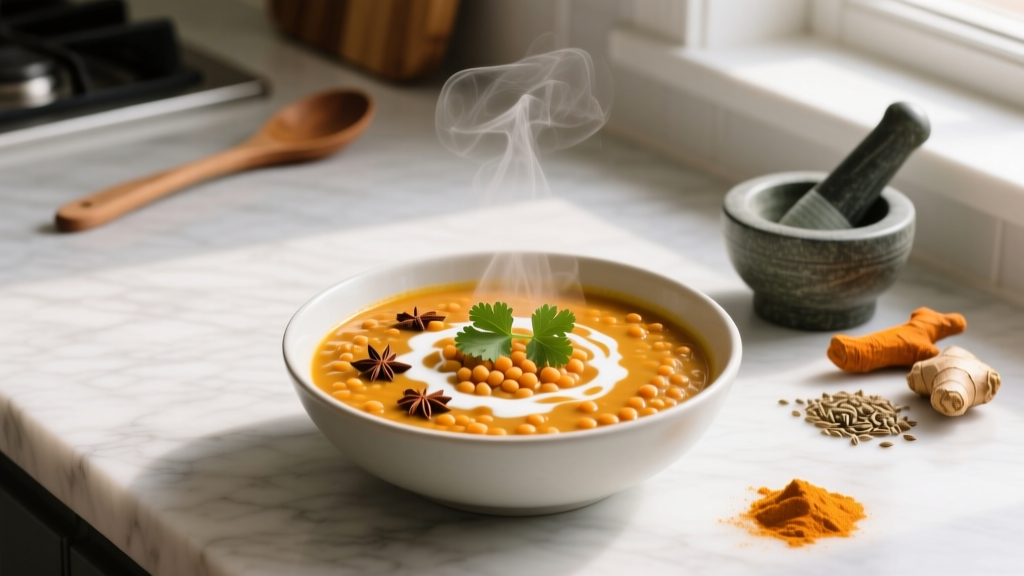 How to Make Lentil Dahl: Simple Steps & Nutritional Benefits
 The Practical Chicken Buying Guide: Labels, Cuts, Storage, and Real-World Value
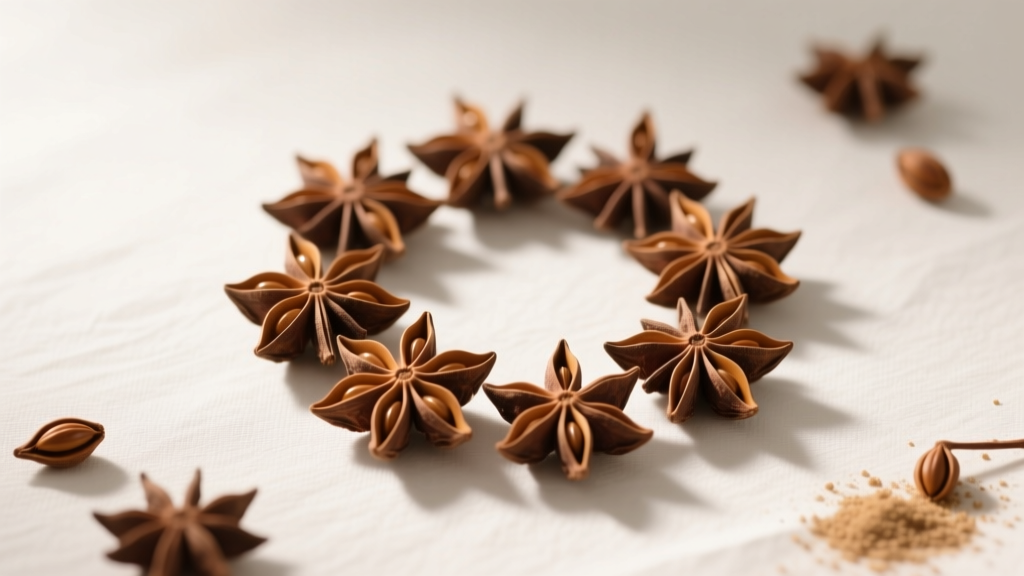 Where to Buy Star Anise: Trusted Stores & Online Sources
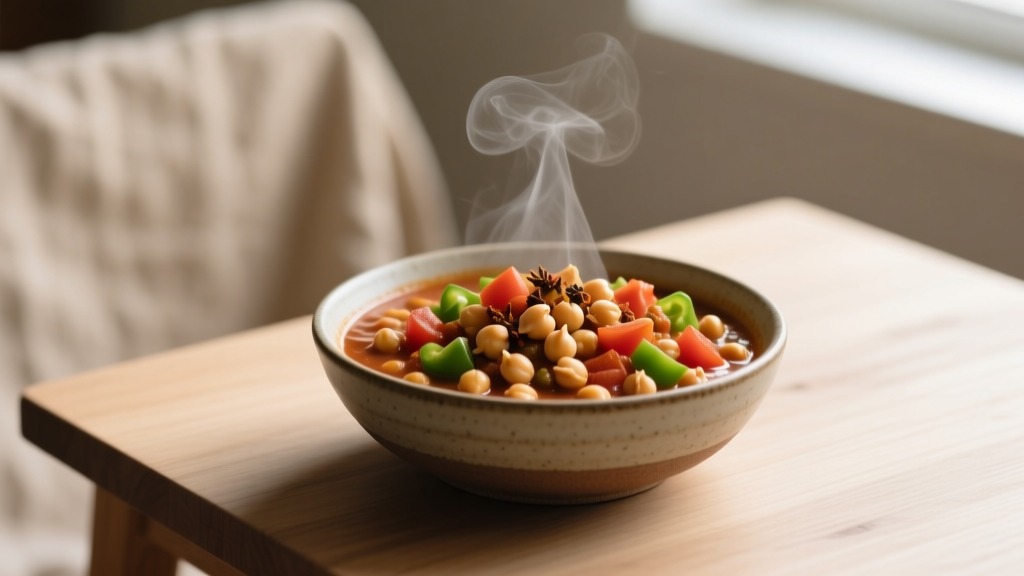 Chickpea Chili: Simple Vegetarian Recipe & Pro Tips