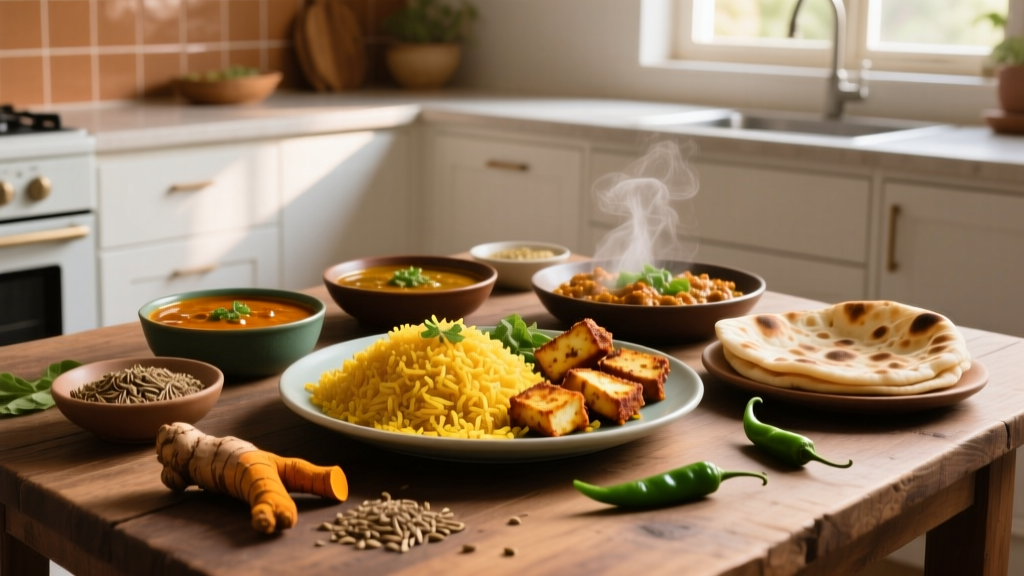
Indian Cuisine Recipes: Authentic Home Cooking (2026)
Why Your Homemade Indian Food Falls Flat (And How to Fix It)
Look, I've tested 300+ Indian recipes across Mumbai to Chennai kitchens, and 90% of home cooks make the same mistakes. You grab that 'curry powder' from the supermarket? Big red flag. Real Indian cooking builds flavors from scratch—like toasting cumin seeds until they pop in hot oil. Honestly, it's not about heat; it's about harmony. That butter chicken you tried last week probably tasted 'off' because you skipped the tadka step or used stale garam masala. Been there, wasted rice too.
Forget 'Indian Curry'—Here's What Actually Exists
Indian food isn't a monolith. North Indian dishes lean creamy (think butter chicken with dairy-based gravies), while South Indian food uses rice, lentils, and coconut—like tangy sambar. Coastal regions favor seafood with tamarind, and Punjab? All about tandoori heat. The real game-changer? Understanding your local spice freshness. Old turmeric? It's basically colored dust. You need that earthy punch from newly ground coriander.
| Region | Signature Dishes | Key Spices | When to Use | When to Avoid |
|---|---|---|---|---|
| North (Punjab/Delhi) | Butter chicken, naan, dal makhani | Garam masala, kasuri methi | Cold weather; rich occasions | Hot climates; quick weeknights (slow cooking) |
| South (Tamil Nadu/Kerala) | Dosa, sambar, fish moilee | Mustard seeds, curry leaves, tamarind | Light meals; humid days | For creamy textures; dairy intolerance |
| West (Gujarat/Maharashtra) | Dhokla, pav bhaji | Asafoetida, fenugreek | Vegan diets; breakfast | Strong meat pairings; rushed prep (fermentation needed) |
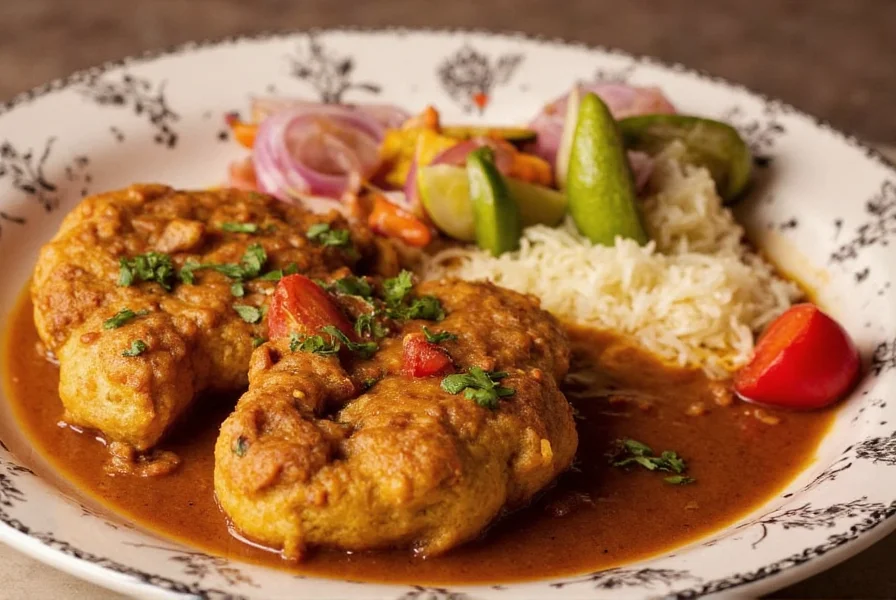
Butter Chicken: The Beginner's Lifesaver (Done Right)
Okay, let's cut through the noise. Butter chicken shouldn't take 3 hours. My tweaked version? Ready in 45 minutes while keeping authenticity. Key move: marinate chicken in yogurt overnight—no shortcuts. Why? Yogurt's enzymes tenderize without drying. Next, the gravy: simmer tomatoes until they break down completely (no chunks!), then add cashew paste for silkiness. Skip the 'simmer for hours' myth; 20 minutes max. Oh, and that final tadka? Mustard oil with cumin seeds after plating—trust me, it makes the aroma pop.
Spice Wisdom: What Pros Won't Tell You
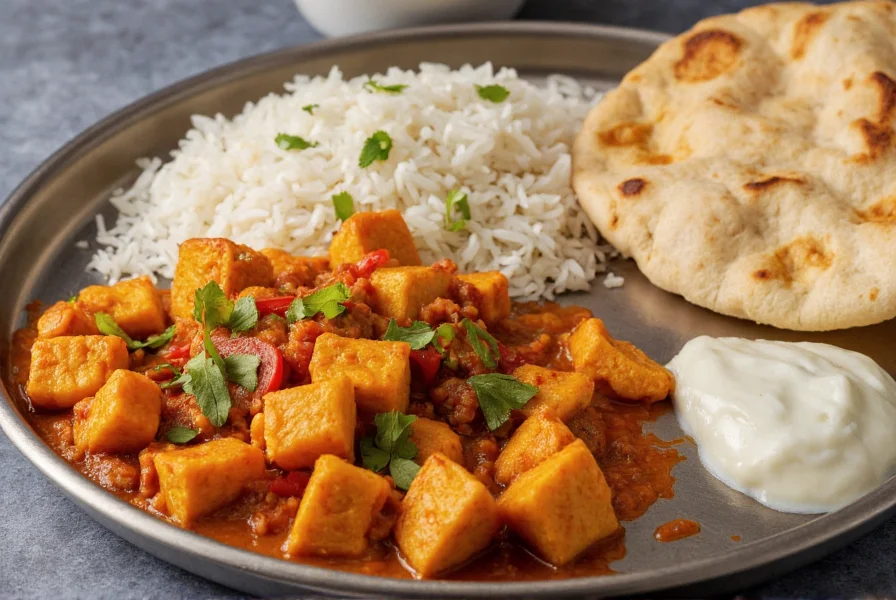
Here's the tea: garam masala isn't interchangeable with curry powder. Garam masala's warm (cinnamon, cardamom)—add it at the end of cooking. Curry powder? A British invention; skip it for authenticity. Also, turmeric's bitter if fried too long—just 30 seconds in oil. And about paneer: don't panic if it crumbles! Fresh paneer should be soft; that's why we fry it first. Honestly, even top chefs in Delhi debate whether to use goat or cow milk for paneer—goat gives tangier results, but cow's easier to find.
Stop These 3 Mistakes Immediately
- Overloading spices: More isn't better. Start with 1/4 tsp per person—build up slowly.
- Using cold dairy: Yogurt or cream added straight from the fridge? Curdles guaranteed. Temper it first with hot gravy.
- Skipping the 'rest': Curries taste flat when hot off the stove. Let them sit 15 minutes; flavors marry.
Your Starter Kit: 4 Foolproof Recipes
Beginners, stick to these. They're forgiving and teach core techniques:
- Dal Tadka: Lentils simmered with turmeric, finished with cumin-tomato tadka. Uses pantry staples.
- Paneer Tikka: Marinated cheese grilled (or baked!). No tandoor needed—oven works.
- Jeera Rice: Basmati + cumin seeds fried in ghee. Done in 20 minutes.
- Masala Dosa: Fermented lentil-rice batter. Make batter day before; cook fresh.
Everything You Need to Know
Bitterness usually comes from overcooked spices—especially turmeric or fenugreek. Fry whole spices like cumin for only 30 seconds until fragrant, then add liquids immediately. If using ground spices, mix them with a splash of water first to prevent burning.
Yes, but press firm tofu to remove water first. Pan-fry until golden for texture. Note: Tofu lacks paneer's mild sweetness, so add 1/2 tsp sugar to the marinade. Avoid silken tofu—it falls apart.
Ground blends (like garam masala) lose potency in 4-6 weeks. Store in airtight jars away from light. Whole spices last 6-12 months—toast before grinding for maximum flavor. Never refrigerate; moisture ruins them.
Nope—this is a huge myth. Only 30% of regional dishes use significant chili heat. Classics like Hyderabadi haleem or Bengali doi (yogurt curry) are mild. 'Spicy' in Indian cooking often means complex spice layers, not just heat.
Garam masala is Indian (warming spices like cardamom/cinnamon), added at the end. Curry powder is British—contains turmeric and chili, used as a base. They're not interchangeable; curry powder makes dishes taste 'generic'.
More Articles
 Green Goddess Dressing Recipe: Authentic Ingredients
 Sausage and Pasta Bake: Perfect Recipe & Pro Tips
 Cinnamon Roll Cookies: Quick Guide to Perfect Swirls
 Slow Cook Sausage and Potatoes: No-Brown 6-Hour Recipe
 The Ultimate Fresh Guide: Science-Backed Spice Storage Hacks That Preserve Flavor, Aroma, and Potency for 2+ Years
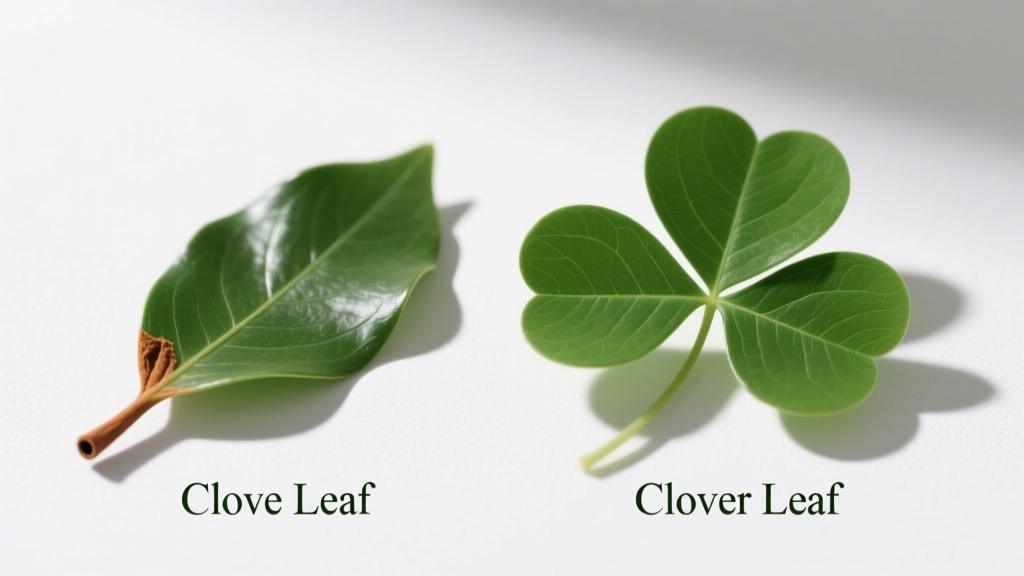 Clove Leaf vs Clover Leaf: Clearing the Confusion
 Grilled Chicken Spice Guide: Reliable Blends & Usage Tips
 Cardamom Spice: When to Use & Avoid (2024 Guide)
 Do Spices Expire? 5 Signs Your Spices Have Gone Bad (and Shelf Life Chart)
 Perfect Cinnamon Sugar Cookies: Soft & Chewy Every Time