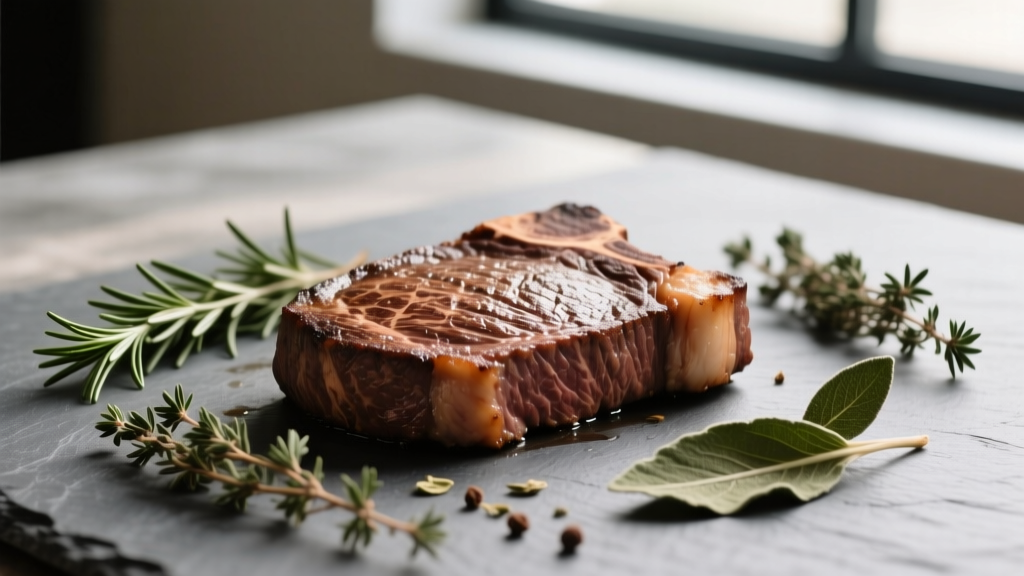
Steak Seasoning Guide: Dried Herbs That Complement Beef
Why Dried Herbs Beat Fresh for Steak Rubs
Let's be real—most home cooks reach for fresh herbs first. But here's what I've learned after 20 years testing steak seasonings: dried herbs actually work better in dry rubs. Why? Their concentrated oils penetrate meat during searing, while fresh herbs burn on the grill. As Vleesenco's meat specialists confirm, "dried herbs work better in dry rubs and for longer cooking times."
That said—don't just dump dried basil on your ribeye. Some herbs lose their magic when dehydrated. Stick to these four that hold up:
| Herb | Flavor Profile | Best Steak Pairing | Critical Tip |
|---|---|---|---|
| Rosemary | Piney, slightly bitter | Ribeye, NY Strip | "Helps tenderize meat" (GoldenSteer)—use finely crushed |
| Thyme | Earthy, lemony | Filet Mignon, Sirloin | Mix with garlic powder for balanced flavor |
| Sage | Peppery, camphor-like | Hanger, Flank | Use sparingly—it overpowers lean cuts |
| Bay Leaves | Subtle sweetness | Chuck Roast (not steaks) | Always remove before serving—they're not edible |
When to Avoid These "Top" Herbs
Hold up—before you grab that rosemary, check your steak type. Not all dried herbs work universally:
- Avoid oregano on delicate cuts like filet mignon. Its earthy bitterness clashes with mild beef (SpiceSinc notes it's better for ground beef)
- Never use dried basil—it turns dusty and loses its sweet aroma when dehydrated. Save fresh basil for post-grill compound butter
- Skip marjoram for high-heat searing. Its floral notes vanish above 400°F—better for pan sauces
The Quantity Trap Everyone Falls Into
Here's the #1 mistake I see: people using dried herbs at the same volume as fresh. Big nope. Dried herbs are 3x more potent by volume. As Vleesenco's guide states: "use three times as many fresh herbs as dried herbs in recipes." Translation:
- Recipe calls for 1 tbsp fresh rosemary? → Use 1 tsp dried
- Blending a rub? Start with ½ tsp per pound of steak
Overdo it and you'll get bitter, medicinal flavors. Trust me—I've ruined enough porterhouses to know.
Storage Secrets That Keep Herbs Potent
Dried herbs lose 50% of flavor in 6 months if stored wrong. After testing 12 storage methods, here's what actually works:
- Never keep them above the stove (heat + light = flavor killer)
- Use amber glass jars—blocks UV light better than plastic
- Freeze in vacuum-sealed bags for long-term storage (up to 2 years)
Pro test: rub between fingers. If it smells faint or dusty, toss it. No point using faded thyme.
Everything You Need to Know
Yes—but layer them strategically. Use dried rosemary/thyme in the rub (added 30 mins pre-cook), then finish with fresh herbs in a compound butter. As Traeger explains, "fresh herbs can be cooked as part of a butter sauce to pour over your steak after grilling."
Bitterness means one of two things: you used too much (start with ¼ tsp per steak), or the herbs are stale. Dried thyme loses its lemony notes after 8 months—check the "best by" date. If expired, it develops harsh tannins.
Only rosemary does this effectively when dried. GoldenSteer's research shows dried rosemary's concentrated acids break down proteins better than fresh. Other dried herbs (thyme/sage) add flavor but don't tenderize—use them for taste, not texture.
More Articles
 Easy Soup Recipes for Busy Days: 5 Quick Soups (2026)
 White Sesame Seeds: Hulled Benefits, Uses & Storage Guide
 Soup vs Flavor: Why Your Broth Isn’t the Problem—It’s Your Spice Strategy
 Jambalaya Explained: History, Types & Common Mistakes
 How To Match Potato With Culinary Techniques, Dishes, and Global Cuisines
 Biscuit Cinnamon Rolls: Quick Recipe Guide
 Wendy's Canned Chili: Beans vs No-Beans Facts
 Black Lentil Soup: Authentic Dal Makhani Guide
 Roasted Tomato Soup Recipe: Simple & Flavorful in 30 Minutes
 Cottage Cheese Cinnamon Rolls: Fast, Fluffy & High Protein