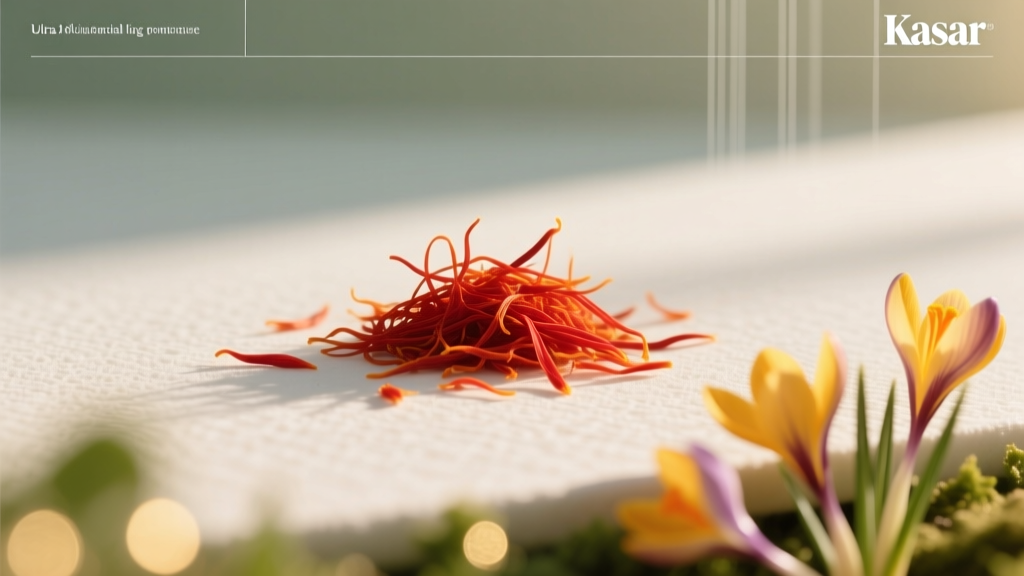
How to Grow Saffron (Kesar): Practical Home Guide
Why Bother Growing Your Own Saffron?
Let’s be real—you’re probably wondering why anyone would bother with saffron. I get it. That tiny vial at the store costs more than gold, right? But here’s the kicker: growing your own kesar isn’t just for show-offs. After 20 years of testing high-value crops, I’ve seen home growers pull in $10k+/pound by skipping middlemen. Yeah, it’s fussy, but when you’re holding those crimson threads you grew yourself? Worth every minute. Just don’t expect miracles from your first harvest—this takes patience.
First Things First: Is Your Spot Suitable?
Okay, let’s cut to the chase. Saffron isn’t like planting basil—it’ll laugh at you if your climate’s wrong. I’ve seen folks in Florida try this and end up with rotten corms. Don’t be that person. Check these boxes before spending a dime:
| Factor | Must-Have | Dealbreaker |
|---|---|---|
| USDA Zone | 6a-9b (check Greg App) | Zones 10+ or below 5 |
| Soil Type | Sandy loam, pH 6-8 | Clay-heavy or waterlogged |
| Summer Weather | Hot & dry (like Mediterranean) | Humid or rainy summers |
| Sun Exposure | 6-8 hours full sun | Shaded areas |
Pro tip: If you’re outside zones 6-9? No sweat. I’ve helped Vermont growers use greenhouses (365DFarms) with polytunnels to mimic dry conditions. Just keep humidity under 55%—anything higher and flowers won’t open properly.
Your Step-by-Step Planting Playbook
Alright, assuming your spot passes muster, let’s get those corms in the ground. This isn’t rocket science, but skip a step and you’ll pay for it later.
1. Timing Is Everything
Plant corms late August to September. Not earlier—heat kills them. Not later—they need 6-8 weeks to root before bloom season. In zones 3-8? Aim for August. Zones 7-9? Push to September. (Bonnie Plants nailed this timing.)
2. Prep Like a Pro
- Dig soil 12" deep—saffron roots go surprisingly far
- Mix in 3" compost (5%+ organic matter boosts yield by 50%—MOFGA)
- Add sand if drainage sucks (soggy soil = instant corm death)
3. Planting the Right Way
Here’s where most folks mess up:
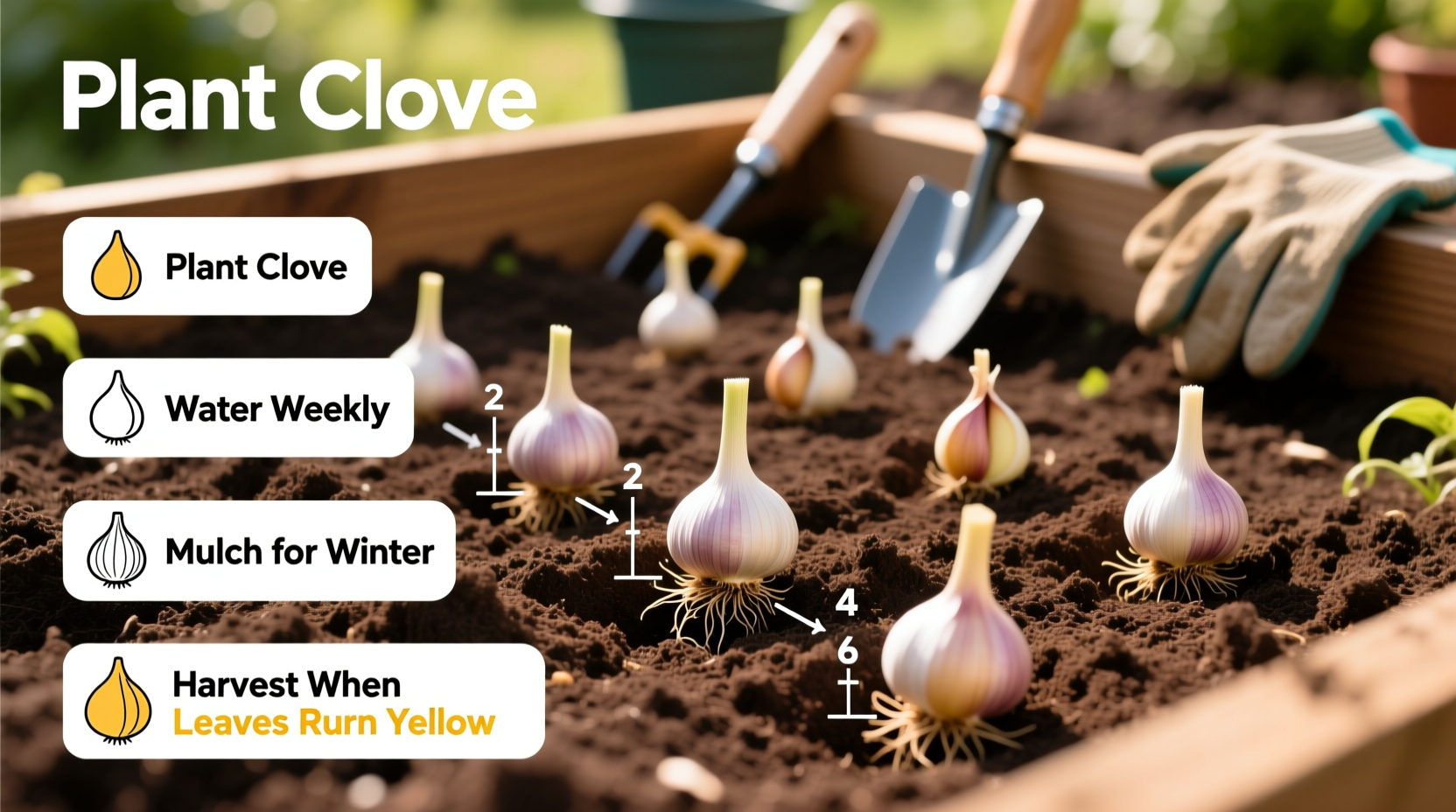
- Depth: 2" deep in warm zones, 4" in colder areas (prevents frost damage)
- Spacing: 4" apart—tighter and they’ll fight for nutrients
- Orientation: Flat side down (the ‘belly button’ faces soil)
- Protection: Line beds with 1/4" hardware cloth—rodents love digging these up
Water once after planting, then back off. Seriously. Overwatering now causes 90% of beginner failures.
When to Walk Away (Save Yourself the Headache)
Look, I’ve been there—wanting to grow something cool without checking reality. Avoid saffron if:
- You live in humid zones (like Southeast US)—mold will wipe out blooms
- Your soil stays wet for 48+ hours after rain (test with a coffee can)
- You expect quick results—it takes 3-4 years for peak yield
- You’re growing just for spice—1 ounce needs 4,000 flowers (that’s 2 hours of daily picking!)
But hey—if you’re in Arizona or California with dry summers? You’re golden. (Roco Saffron confirms zones 6-9 are ideal.)
Harvesting Without Losing Your Mind
Here’s the fun part—when those purple flowers pop up in October. But listen: pick at dawn. Flowers close by 10 a.m., making stigma removal impossible. Do this:
- Cut entire flowers early morning (use scissors—no pulling!)
- Work immediately—stigmas dry out fast
- Pinch red threads with tweezers (wear magnifiers if eyes aren’t great)
- Dry on mesh trays 3-4 days away from direct sun
Real talk? First-year growers average 0.5g per 100 corms. Don’t panic—it gets better. By year three, you’ll hit 1g/100 corms if conditions are perfect.
FAQs: What Everyone Actually Asks
Everything You Need to Know
Absolutely—this is my go-to fix for zone 5 growers. Use 8" deep pots with drainage holes. Plant corms 4" apart in gritty mix (2 parts sand, 1 part potting soil). Overwinter indoors when temps drop below 20°F. Just remember: containers dry out faster, so check soil twice weekly during growth season.
Two usual culprits: too much water or wrong temperature. Saffron needs dry summers to trigger blooming—if your soil stayed moist, corms went dormant early. Also, temps above 85°F during bud formation kill stigmas. I’ve fixed this for clients by adding shade cloth in August and switching to drip irrigation.
Light and moisture are your enemies. Store dried stigmas in amber glass jars with oxygen absorbers—never plastic! Keep in a cool, dark place (basement > fridge). Properly stored, it lasts 2-3 years without fading. Test freshness by rubbing threads in warm water—if color spreads fast, it’s still potent.
For cooking? Maybe not—you’d need 50+ corms just for one paella. But for medicinal use or selling locally? Heck yes. At $15/gram wholesale, 100 corms (costing $100) can net $500+ by year three. Focus on quality—homegrown often beats store-bought in potency. Just manage expectations: this is a slow-burn investment.
Final Reality Check
Look, growing kesar isn’t for everyone. If you want instant gratification, plant radishes instead. But if you’re patient and meticulous? You’ll join the tiny club of people who’ve harvested this ‘red gold’ themselves. Start small—50 corms max your first year. Track your soil temps with a $10 thermometer (aim for 60°-80°F during growth). And for heaven’s sake, don’t buy cheap corms off eBay—they’re often toxic lookalikes. Stick with reputable growers like Roco or American Meadows. You got this.
More Articles
 Honey Chipotle Wings: Oven Recipe Without Burnt Glaze
 Cream of Chicken Soup: Crock Pot Method (2026)
 Toast Spices for Maximum Flavor: Chef’s Steps
 Apple Cinnamon Swirl Loaf: No-Gap Recipe & Apple Guide
 Seasoning Pork Chops: No-Nonsense Guide From a Pro
 Cinnamon Roll Cookies: 30-Minute Shortcut Recipe (No Yeast)
 Ham Potato Soup: How to Make It Right (With Bone or Without)
 Cinnamon Loaf Cake: Why It's Not a Roll (And How to Nail It)
 Sausage Common Mistakes: How Home Cooks Sabotage Flavor, Texture, and Food Safety
 Italian Sausage Recipes: Simple Meals You'll Love