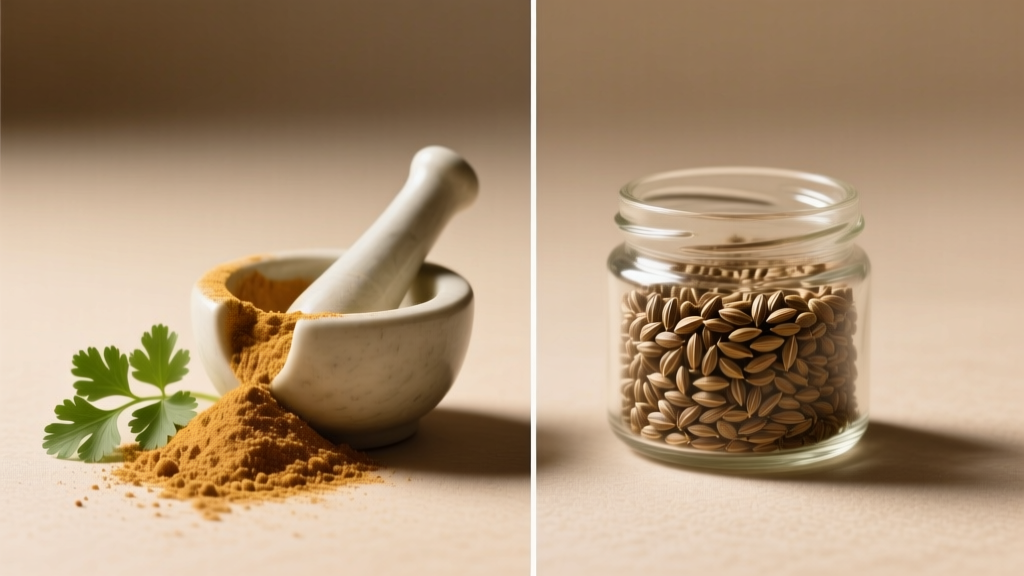
Ground Coriander vs Coriander Seeds: Key Differences
Why We Keep Mixing Them Up
Let's be real—most of us grab whatever's in the spice drawer without thinking. I've totally ruined a batch of chana masala by using stale powder when fresh seeds were needed. Thing is, recipes often say "coriander" without specifying whole or ground. That tiny oversight? It turns complex dishes flat or bitter. Honestly, it's not your fault—the labels look similar, and supermarkets rarely explain the difference.
Breaking Down the Basics
Coriander seeds are the dried fruit of the cilantro plant. Whole, they're tiny beige ovals with a light, lemony scent. Grind them, and boom—you get earthy, warm powder. But here's what nobody tells you: grinding releases volatile oils that evaporate fast. That's why pre-ground stuff tastes dusty after 6 months. Freshly ground seeds? Totally different ballgame—they pop with citrusy brightness you just can't fake.
| Feature | Coriander Seeds (Whole) | Ground Coriander |
|---|---|---|
| Flavor Profile | Citrus-forward, floral, mild pepper notes | Earthy, warm, slightly soapy (when stale) |
| Best Cooking Method | Toast first, then grind for curries or rubs | Stir into dressings or batters raw |
| Shelf Life | 2-3 years (stored properly) | 6-8 months before flavor fades |
| Nutrition (per 1 tsp) | 5 cal, 0.75g fiber (source: MyFoodData) | Similar but harder to measure accurately |
When to Use Seeds (and When to Avoid)
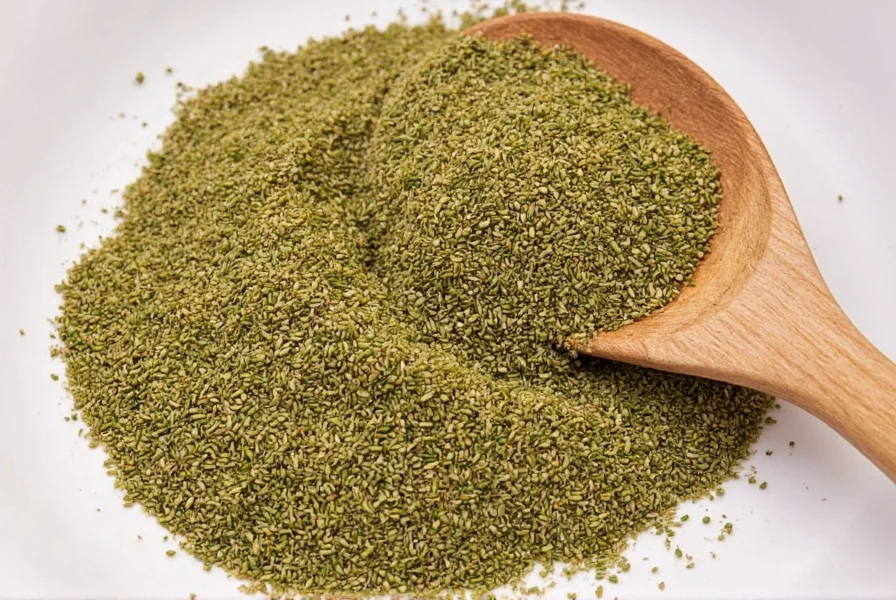
You know that "something's missing" feeling in your dal? Probably used powder when you needed seeds. Whole seeds shine in slow-cooked dishes—they need time to release oils. Toast them in dry pan for 60 seconds until fragrant, then grind. Perfect for:
- Indian curries (like butter chicken)
- Dry rubs for meats
- Infused oils or vinegars
Avoid whole seeds if: You're making quick sauces (they won't dissolve), or need uniform color in baked goods. Also skip toasting if your recipe specifies "raw"—it changes the flavor profile entirely.
When Powder Wins (and When It Fails)
Ground coriander saves time for weeknight cooks. Stir it straight into hummus or salad dressings for instant depth. But here's the trap: old powder tastes like cardboard. I learned this the hard way with a bland tzatziki. Use powder when:
- Recipes need quick incorporation (think batters or marinades)
- You're layering flavors in soups
- Traveling (less messy than carrying seeds)
Avoid powder if: You're after bright top notes (it's too muted), or cooking dishes under 20 minutes (flavor won't bloom). And never buy bulk bins—they're often stale.
Storage Hacks Nobody Talks About
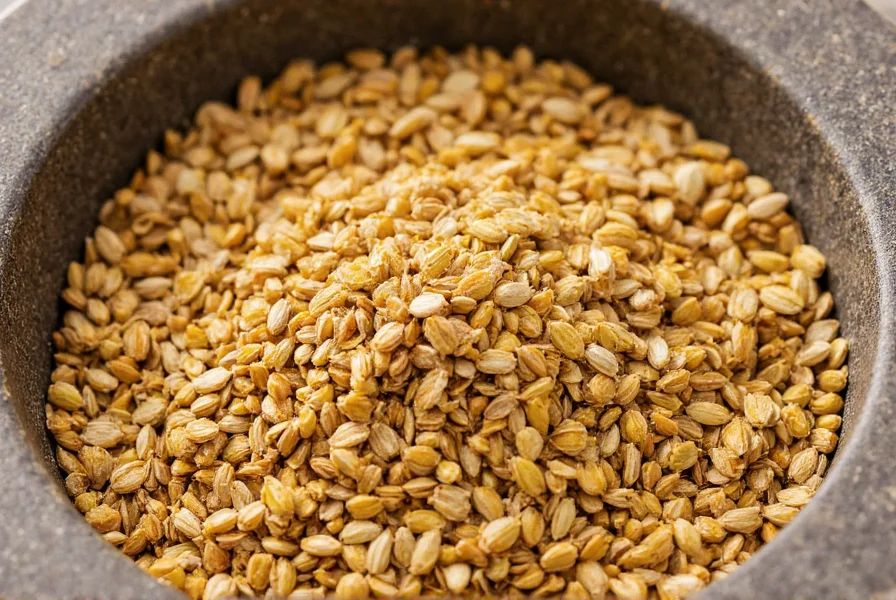
Keep seeds in airtight jars away from the stove—they hate heat and light. Seriously, that spice rack above your oven? Worst spot ever. I store mine in a dark cupboard with a silica packet to fight moisture. For powder: freeze it in small portions. Yes, really—frozen powder lasts 18 months with zero flavor loss. Pro tip: write purchase dates on jars. If seeds smell like old hay? Toss 'em.
Common Mistakes That Kill Flavor
First, substituting 1:1. Nope—1 tsp seeds = ¾ tsp powder after grinding. Second, skipping the toast. Raw seeds taste grassy; 60 seconds in a dry pan unlocks their magic. Third, grinding in huge batches. Oxygen murders flavor fast, so grind only what you need weekly. Oh, and don't refrigerate seeds—they sweat and clump. Learned that after a ruined biryani.
Everything You Need to Know
Yes, but adjust amounts—use ¾ tsp powder for every 1 tsp seeds called for. Remember, powder lacks the bright top notes of fresh seeds, so add a squeeze of lemon to compensate. Never swap 1:1; it’ll taste flat.
Honestly? Massive difference. Freshly ground seeds have vibrant citrus notes that pre-ground powder loses within weeks. I tested side-by-side in a tomato curry—homemade version popped with complexity while store-bought tasted dusty. A $10 coffee grinder is worth every penny.
Seeds last 2-3 years if stored cool/dark; powder fades in 6-8 months. But here’s the kicker—frozen powder lasts 18 months. I keep small powder portions in the freezer and thaw as needed. Seeds? They’re practically immortal if you avoid humidity.
Nutritionally identical per MyFoodData—both offer fiber, iron, and antioxidants. But whole seeds retain more volatile compounds when ground fresh, potentially boosting bioavailability. No evidence powder loses nutrients faster, though stale powder tastes worse which might affect digestion for some.
Medium heat in a dry skillet for 60-90 seconds until fragrant and slightly darker. Shake the pan constantly—seeds burn fast. Cool 5 minutes before grinding. Pro move: add a pinch of salt while toasting to prevent scorching. Smell the aroma? That’s the citrus notes waking up.
More Articles
 Vegetarian Potato Soup Recipe: Creamy & Simple (30 Minutes)
 Healthy Chicken Noodle Soup Recipe: Nutrition-Focused Guide
 Vegetable Soup Recipes: Nutritionist-Tested (2026)
 Rhodes Cinnamon Rolls: Baking Guide & Key Facts
 Cream of Chicken Soup: Crock Pot Method (2026)
 Black Seed vs Black Sesame: Clearing the Confusion
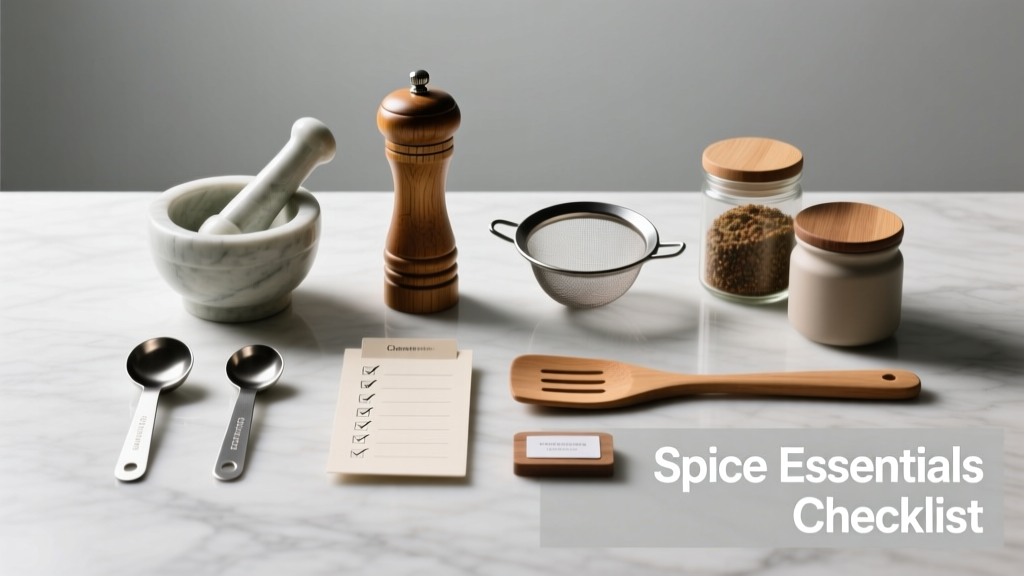 Spice Basics Tools Checklist: Essential Gear for Organized, Fresh, and Flavor-Precise Cooking
 The History of Spice Storage — And the 7 Common Mistakes That Cost Home Cooks Flavor, Money, and Culinary Confidence
 Smart Steamed Broccoli Seasoning Guide: No Salt Needed
 Crock Pot Cabbage Soup: No-Sweat Recipe & Timing Guide