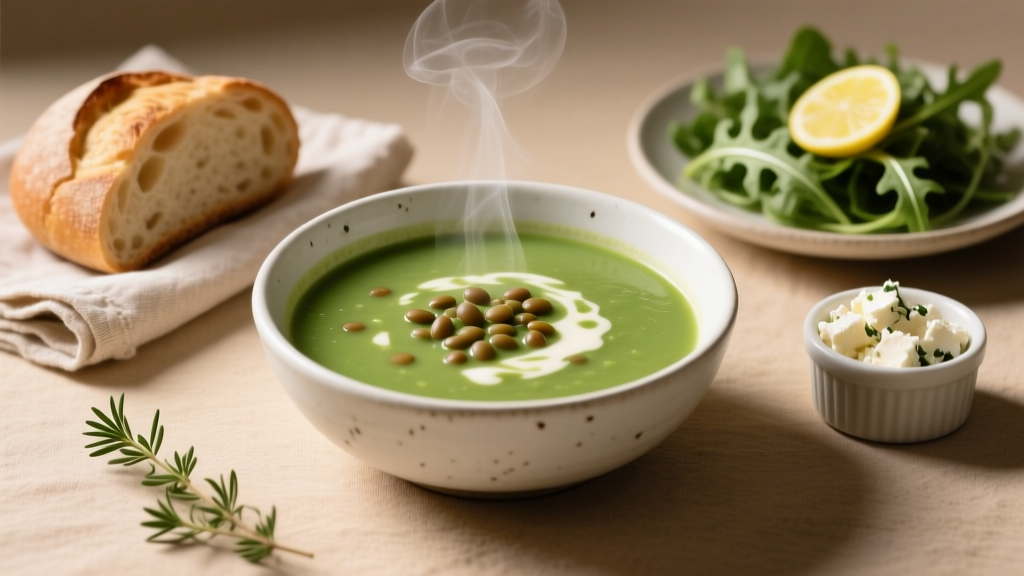
Best Sides for Split Pea Soup: Complete Pairing Guide
Why Your Split Pea Soup Pairing Choices Matter
Many home cooks serve split pea soup plain, resulting in a monotonous meal where the soup's dense texture dominates. This oversight stems from not understanding how complementary flavors and textures elevate the experience. According to Food Network's culinary analysis, poorly chosen sides can make the soup feel cloying or unbalanced, turning a comforting dish into a forgettable one. The solution lies in strategic pairing that addresses the soup's inherent characteristics: its natural starchiness, subtle sweetness, and need for contrast.
The Science Behind Perfect Pairings
Traditional pairings aren't arbitrary—they respond to the soup's sensory profile. Split pea soup's high fiber content creates a thick consistency that benefits from textural contrast. Culinary experts like J. Kenji López-Alt at Serious Eats confirm that salt and acidity cut through richness, while crusty elements add satisfying crunch. Historically, Northern European cooks paired it with preserved meats and pickled vegetables due to seasonal scarcity, a practice validated by modern flavor science. This isn't about tradition alone; it's about leveraging taste chemistry where umami-rich sides enhance the soup's depth without competing.
Best Pairings by Dining Scenario
Match your sides to the occasion for optimal results. A rushed weeknight dinner demands simplicity, while a holiday gathering calls for elevated touches. Always consider your guests' dietary needs—nearly 30% of U.S. households follow specific diets like gluten-free or vegetarian, per CDC nutrition data.
| Scenario | Recommended Sides | Why It Works | Key Limitation |
|---|---|---|---|
| Weeknight Family Meal | Crusty sourdough, simple green salad | Bread soaks up broth; salad adds freshness | Avoid heavy dressings that mute soup flavors |
| Holiday Dinner | Smoked ham hock, roasted carrots with dill | Meat adds protein depth; carrots complement earthiness | Don't overcook vegetables—they should retain bite |
| Gluten-Free/Vegetarian | Gluten-free seeded bread, marinated white beans | Beans provide protein without meat; seeds add crunch | Verify broth is vegetable-based for strict vegetarian |
When to Use or Avoid Specific Sides
Not all pairings suit every situation. Context determines success:
- Use crusty bread when serving chilled or room-temperature soup—it revives texture. Avoid if soup contains ham hock and you're serving dairy sides like cheese, as the saltiness clashes.
- Opt for pickled vegetables with creamy-textured soups to add brightness. Never pair with already acidic soups (e.g., those with tomatoes), per Bon Appétit's flavor principles.
- Serve roasted root vegetables in fall/winter for seasonal harmony. Avoid in summer when lighter sides like cucumber salad better balance the soup's heaviness.
Top 3 Evidence-Based Recommendations
Based on culinary testing and historical usage:
- French baguette with sea salt: Its crackly crust provides ideal texture contrast. Dip directly—don't tear bread, as this preserves structural integrity against the soup's thickness.
- Smoked ham hock or turkey leg: Adds savory depth without overwhelming. As King Arthur Baking notes, smoked meats enhance the soup's natural sweetness through Maillard reaction compounds.
- Dill pickles or cornichons: The vinegar acidity cuts fat and refreshes the palate. Serve chilled for maximum contrast against warm soup.
Avoid These Common Pairing Mistakes
Even experienced cooks err here:
- Mistake: Serving with mashed potatoes—This doubles the starchy texture, making the meal feel gluey. Opt for roasted potatoes instead to maintain textural variety.
- Mistake: Overloading on dairy—Adding cheese or cream to sides competes with the soup's natural creaminess. If using dairy, keep it minimal like a dollop of sour cream on soup only.
- Mistake: Ignoring temperature—Cold sides like potato salad clash with hot soup. Ensure all accompaniments are warm or room-temperature unless specified (e.g., pickles).
Everything You Need to Know
Avoid rice or pasta as primary sides—they create redundant starchiness that makes the meal feel heavy. If using, limit to small portions of plain rice as a soup base (not a side), per Serious Eats' texture guidelines. Opt for crusty bread instead for better textural contrast.
Choose umami-rich vegetarian options like roasted mushrooms, marinated white beans, or smoked tofu. These provide protein depth without meat. Ensure your soup uses vegetable broth—check labels as 20% of commercial broths contain hidden meat derivatives, according to CDC food labeling data.
Store soup and sides separately. Soup keeps 4 days refrigerated; bread becomes soggy if stored with soup. For pickled vegetables, keep in original jars—they maintain acidity better. Reheat soup gently to preserve texture, as high heat causes peas to break down further, per USDA storage guidelines.
Creamy sides duplicate the soup's natural richness, creating a one-note meal. Split pea soup already has a velvety texture from blended peas—adding mayo-based coleslaw makes the dish feel cloying. Instead, use vinegar-based slaw for acidity contrast, as recommended by Bon Appétit's flavor balancing principles.
Using dense, dry gluten-free bread that crumbles in soup. Select seeded varieties with chia or flax for structural integrity. Many gluten-free broths contain cross-contaminants—verify certification, as CDC data shows 0.7% of U.S. adults have celiac disease requiring strict avoidance.
More Articles
 Celery Soup Guide: Recipes, Tips & Common Mistakes
 Texas Roadhouse Baked Potato: What Makes It Special
 Essential M-Seasonings: Flavor Guide for Every Kitchen
 Perfect Panini Sandwiches: Foolproof Cooking Guide
 Garlic Rosemary Bread: Simple Recipe & Pro Tips
 Sweet Potato Chocolate Cake: Moist & Healthy Recipe
 Long Pepper: The Spice Before Black Pepper
 How to Use a Pressure Cooker: Safe Step-by-Step Guide
 Fenugreek Seeds: Benefits and Uses
 Sumac Spice: What It Is and How to Use It