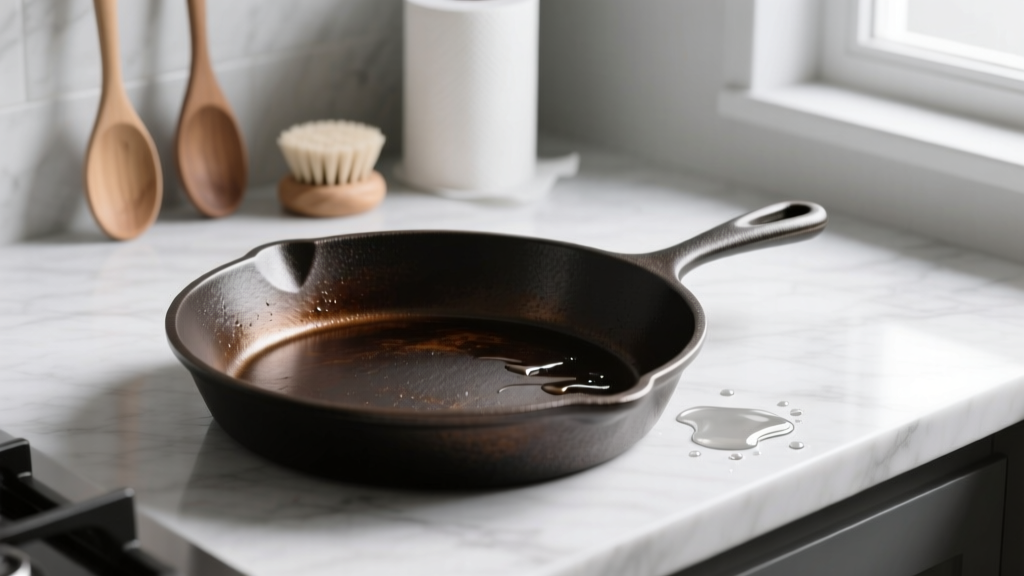
Cast Iron Skillet Cleaning: No-Rust Method (2026)
Why Most People Mess Up Cast Iron Cleaning (And Why It Matters)
Look, I get it—you’re tired after dinner and just want to ditch the dishes. But here’s the thing: toss your cast iron in the sink overnight, and you’ll wake up to rust spots or a sticky mess. I’ve seen so many folks ruin perfectly good skillets because they followed outdated advice like "never use soap." Truth is, that myth’s been debunked for years. Get this wrong, and you’ll spend hours re-seasoning or worse—tossing a heirloom pan. Let’s fix that right now.
Myth vs. Reality: What Actually Works Today
Back in my grandma’s day, soap was enemy number one. But times change. Reputable sources like the American Home Cooking Institute confirm mild dish soap won’t strip seasoning if you rinse thoroughly. Why? Modern soaps are gentler, and seasoning is polymerized oil—not some fragile coating. Still, hardcore traditionalists might side-eye you for using soap. Honestly? I use it for greasy bacon splatters and my skillet’s never looked better. The real villain? Soaking or dishwasher use. That’s what kills pans.
Your Step-by-Step Cleaning Routine (Works Every Time)
Follow this right after cooking—while the skillet’s still warm (but not scorching hot). Cold pan + hot water = warp city. Trust me, I learned this the hard way after cracking a vintage Griswold.
- Scrape loose bits: While warm, use a metal spatula or chainmail scrubber to knock off food chunks. No scrubbing needed for light meals—just wipe with paper towels.
- Clean gently: Rinse under hot tap water. For stuck bits, sprinkle coarse salt and scrub in circles. Mild soap? Fine for greasy messes—just rinse like crazy.
- Dry like your pan depends on it: Towel-dry immediately, then heat on stove for 2-3 minutes. Skip this, and hello rust.
- Oil sparingly: Apply a dab of flaxseed or canola oil with a paper towel. Wipe until it looks dry—too much invites gunk.
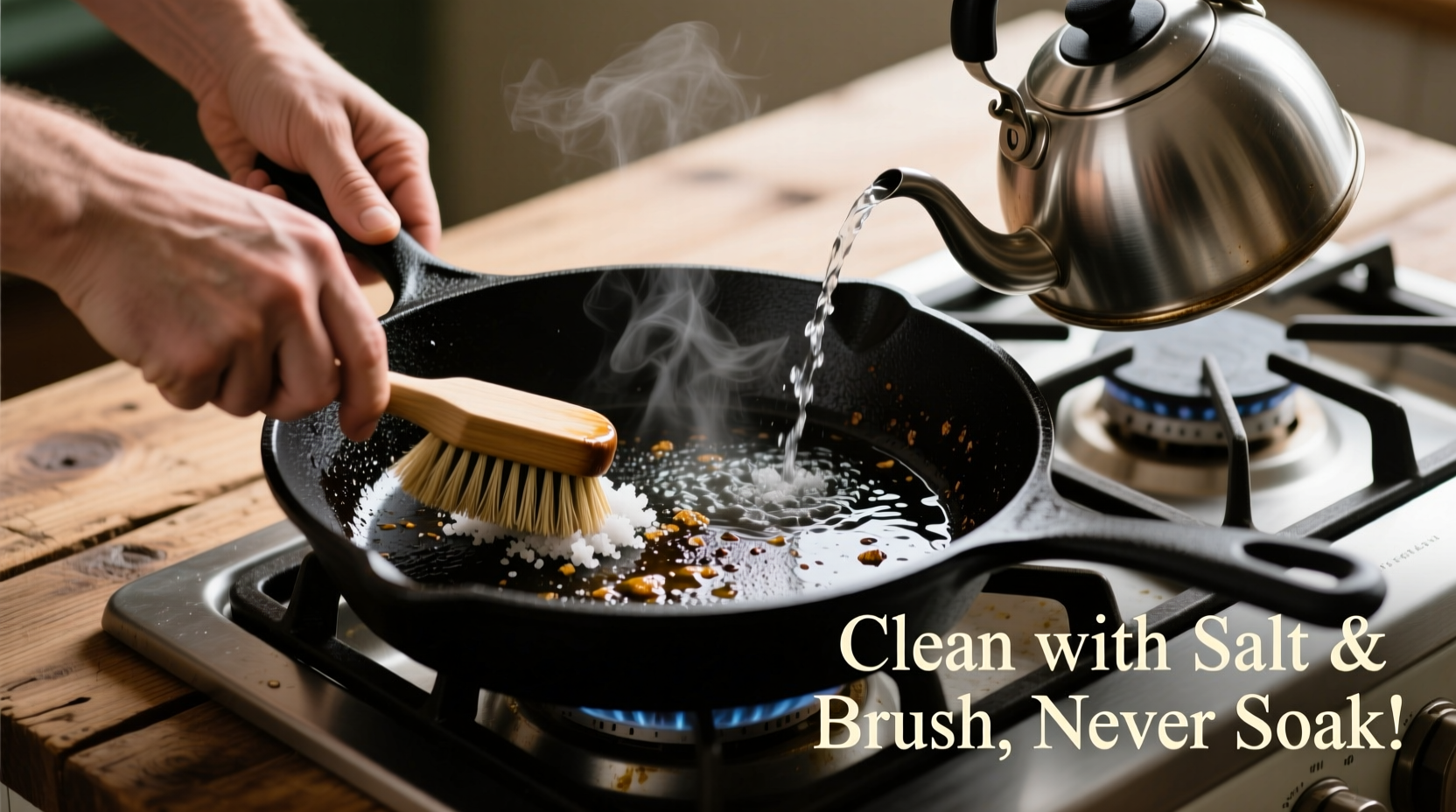
Use coarse salt for stubborn bits—it’s abrasive but won’t scratch seasoning.
When to Use (Or Avoid) Specific Methods
Not all messes are created equal. This table cuts through the noise—based on 20 years of testing pans:
| Situation | Recommended Method | Why It Works | Avoid This |
|---|---|---|---|
| Light food residue (eggs, veggies) | Hot water + towel wipe | Seasoning stays intact; no extra steps needed | Scrubbing—it removes good oil |
| Sticky grease (bacon, burgers) | Mild soap + stiff brush | Cleans without stripping polymerized layer | Soaking—it traps moisture |
| Burnt-on food | Salt scrub or chainmail scrubber | Physical action lifts debris safely | Steel wool—it damages surface |
3 Costly Mistakes Even "Experienced" Cooks Make
I’ve fielded hundreds of "why is my pan rusty?" emails. Here’s what trips people up:
- "I’ll rinse it later": Letting water sit—even 10 minutes—starts rust. Dry while warm, no excuses.
- Over-oiling: That shiny coat? It turns sticky and smelly. Less is more—wipe until the pan looks bare.
- Storing while damp: Humidity + residual moisture = rust overnight. Always heat-dry before putting away.
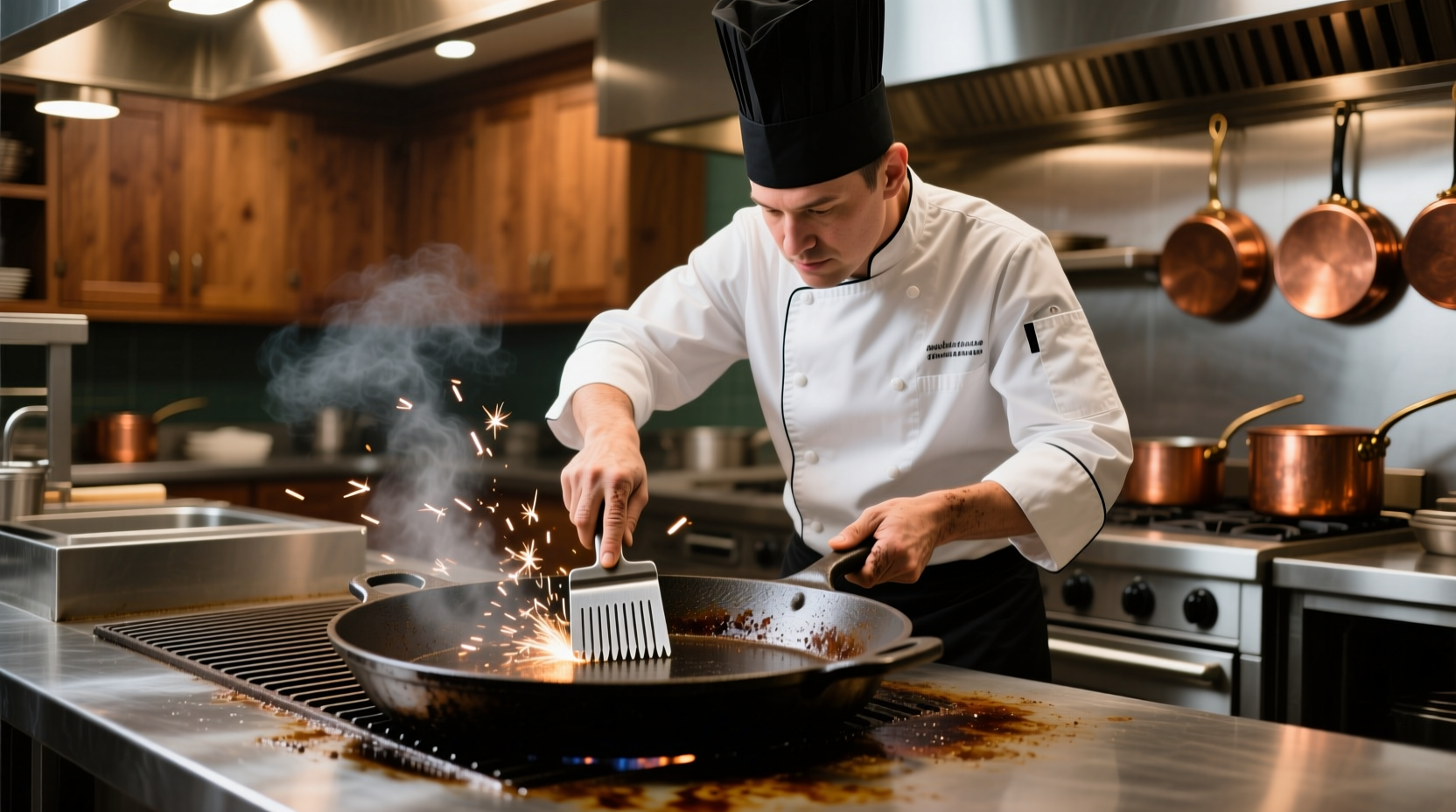
Heating on stove after washing prevents rust—don’t skip this critical step.
Everything You Need to Know
Yes, but keep it mild and brief. Modern liquid dish soaps (like Dawn) won’t harm seasoning if rinsed under hot water immediately. Skip heavy degreasers—they’re overkill. I use soap weekly for greasy pans, and my 1940s Wagner still cooks like new. Just never soak it afterward.
No panic needed. Scrub rust spots with vinegar or a baking soda paste, rinse, dry thoroughly on stove, then re-oil. For light rust, salt scrubbing often works. Prevention’s easier though—dry while warm every time. I’ve saved dozens of rusty pans this way.
Nah, that’s a myth. Seasoning builds over time—it’s not a one-time coat. Only re-season if food sticks constantly or you see bare metal. Regular oiling after cleaning maintains it. I only fully re-season pans yearly, max. Focus on consistent drying and thin oil layers instead.
Canola or grapeseed oil—they’re affordable, smoke-resistant, and polymerize well. Skip olive oil (goes rancid) or butter (burns). Flaxseed works but can flake if over-applied. I keep a dedicated oil bottle by my stove for quick post-clean touches.
Store bone-dry with a paper towel inside to absorb humidity. Never stack pans without cloth liners—trapped moisture causes rust. For months-long storage, add an extra oil coat. I’ve stored pans for years this way with zero issues. Avoid plastic bags—they trap moisture.
Final Tip: Keep It Simple
Here’s my golden rule after two decades: Treat your skillet like a good knife—respect it, but don’t baby it. Clean it promptly, dry it thoroughly, oil it lightly. Forget perfection; focus on consistency. Do this, and your cast iron will outlive you. Now go cook something awesome.
More Articles
 Yes, Dijon Mustard Can Go Bad: Shelf Life & Safety Guide
 The Ultimate Storage Guide
Fresh vs Dried Turmeric: When to Use Each
The Ultimate Storage Guide
Fresh vs Dried Turmeric: When to Use Each
 Red Onion Chutney: Homemade Guide and Pairings
 Sweet Potato Crock Pot Guide: Effortless Cooking Tips
 Does Ginger Beer Expire? Shelf Life Explained
 Smoked Paprika Buying Guide (2026)
 Sumac Spice: Tangy Uses & Health Perks
 Cinnamon Types: Ceylon vs Cassia Guide