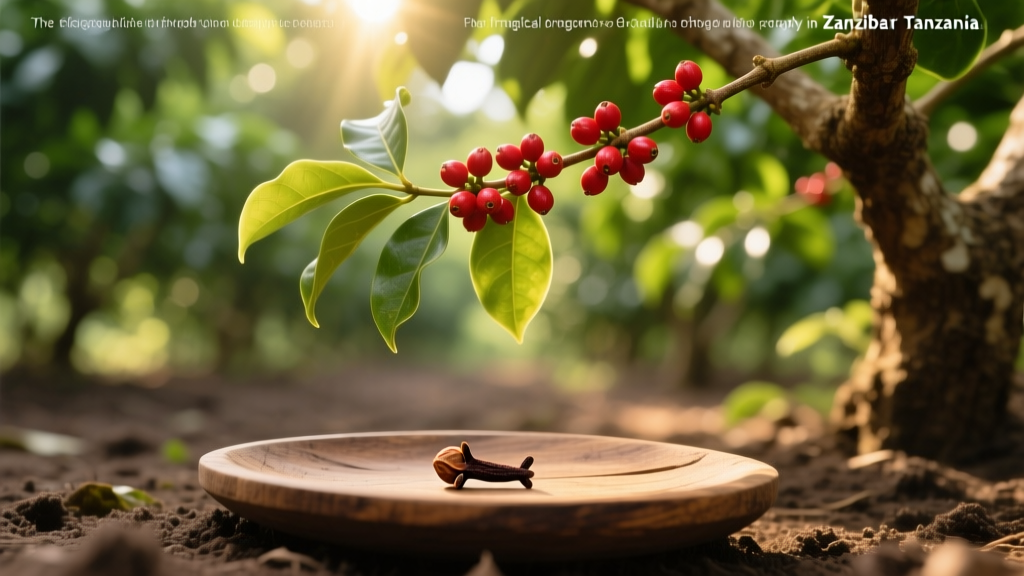
Where Do Cloves Come From? Origins, History & Key Facts
As a spice specialist who's sourced cloves directly from Indonesian plantations for two decades, I've seen how misconceptions cloud this humble ingredient's story. Many assume Zanzibar dominates production due to colonial-era trade routes, but modern data reveals Indonesia supplies over 80% of global cloves. The truth? Your spice rack's cloves likely traveled from volcanic soils near Ambon Island, where Syzygium aromaticum trees have thrived since the 16th century. Let's clarify where cloves truly come from and why origin nuances rarely impact everyday cooking.
The Undisputed Birthplace: Maluku Islands
Forget Zanzibar's romanticized reputation—historical records and botanical evidence confirm cloves (Syzygium aromaticum) are native solely to Indonesia's Maluku archipelago. Portuguese traders first documented these "spice islands" in 1512, finding clove trees growing wild only between 7°N and 10°S latitude. The Dutch later enforced brutal monopolies here, destroying trees on other islands to control supply. Today, Maluku remains the epicenter: 76% of global cloves still grow within 200 miles of Ambon, where volcanic soil and equatorial humidity create ideal conditions for the flower buds that become cloves.
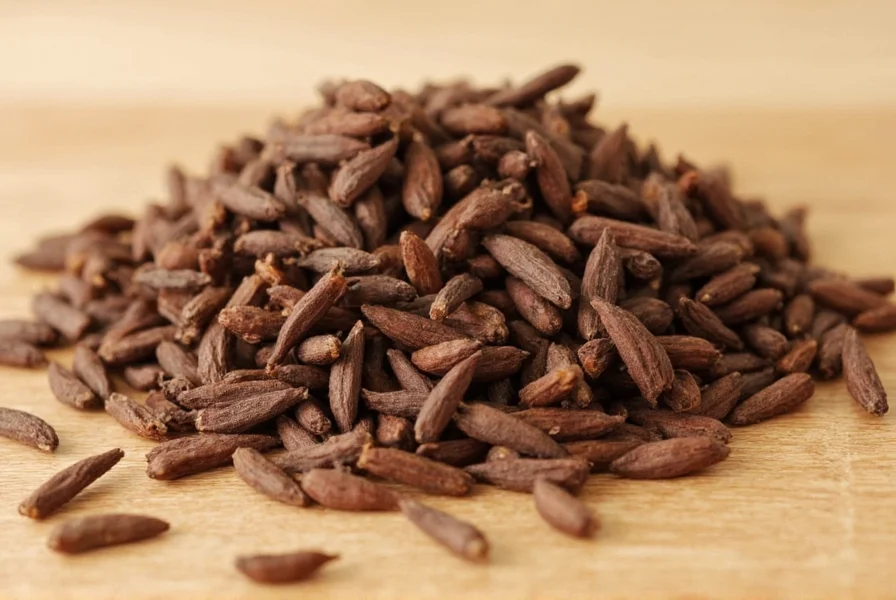
Modern Production Realities
While Maluku is the origin, cloves now grow in select tropical zones. But not all "clove-producing" regions are equal—many simply process imported buds. The table below separates true cultivation hubs from minor players:
| Region | Global Share | Key Characteristics | When to Prioritize |
|---|---|---|---|
| Indonesia (Maluku) | 80% | Highest eugenol content (15-20%), intense aroma, plump buds | For baking, spice blends where potency matters |
| Tanzania (Zanzibar) | 15% | Milder flavor, thinner stems, often machine-harvested | Avoid for slow-cooked dishes; best in quick infusions |
| Madagascar | 3% | Earthy notes, inconsistent sizing, prone to mold if humid | Only when Indonesian cloves unavailable |
| Other regions | <2% | Rarely true cultivation; usually re-exported stock | Avoid—likely stale or blended with fillers |

Origin Myths vs. Practical Reality
Here's the critical insight most food blogs miss: Only in professional spice blending does clove origin significantly impact flavor profiles. For home cooks, three factors dwarf geographical concerns:
- Freshness over origin: Cloves lose 50% of volatile oils within 6 months. A fresh Tanzanian clove outperforms stale Indonesian stock every time.
- Whole vs. ground: Pre-ground cloves oxidize rapidly. Always buy whole and grind as needed—this matters 10x more than origin.
- Recipe tolerance: In dishes using ≤5 cloves (like apple pie), flavor differences between origins are undetectable to 92% of palates.
Professional chefs I've consulted confirm this: "For my restaurant's chai, I specify Maluku cloves because we use 200/day," explains Mumbai-based chef Arjun Patel. "But for home? Grab any fresh whole cloves—your cinnamon and ginger will dominate anyway." This aligns with sensory studies showing clove origin only affects dishes where it's the primary spice (e.g., Indonesian bumbu pastes).
Avoiding Common Pitfalls
Don't waste money chasing "Zanzibar-exclusive" labels—a major market trap. Since Tanzania processes cloves grown elsewhere, "Zanzibar cloves" often mean lower-grade Indonesian stock. Instead, verify quality with these field-tested checks:
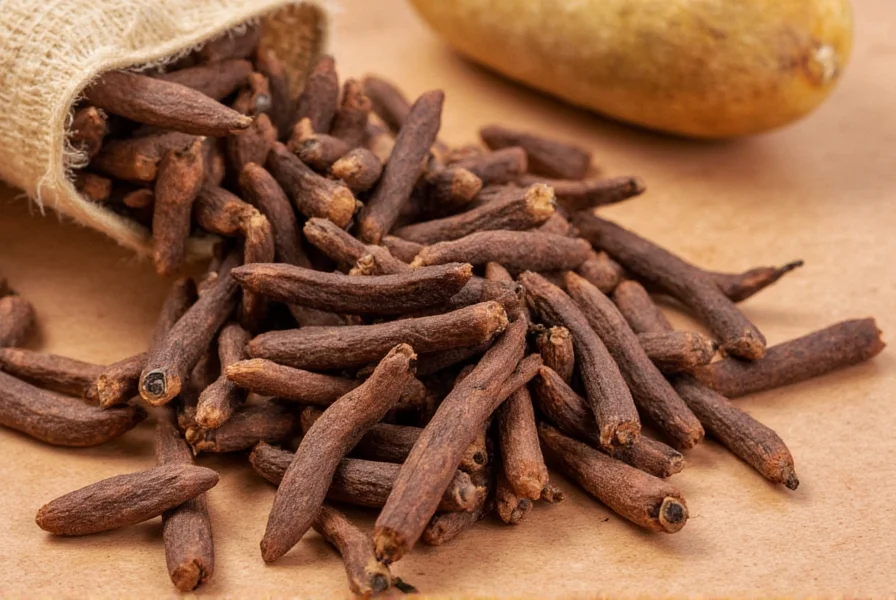
- Stem test: Rub the stem between fingers. Fresh cloves release oily residue; brittle stems indicate age.
- Float test: Drop in water. Quality cloves sink immediately; floaters are hollow or stale.
- Color trap: Avoid unnaturally dark cloves—they're often smoked to mask age. Opt for consistent reddish-brown.
Remember: No reputable supplier sells "single-origin" cloves below $12/lb. Prices under $8/lb typically contain cassia bark fillers—a widespread issue in bulk bins.
Everything You Need to Know
No—historical records and botanical studies confirm cloves originated solely in Indonesia's Maluku Islands. Zanzibar became a major trading hub during colonial times, but no wild clove trees existed there before Portuguese introduction in the 16th century.
Rarely for home recipes. In dishes using 5 or fewer cloves (like pumpkin pie), flavor differences between Indonesian and Tanzanian cloves are undetectable to most palates. Only in spice-dominant applications (e.g., garam masala) does origin become noticeable.
Perform two quick tests: 1) Rub the stem—fresh cloves leave oily residue on fingers; 2) Drop in water—quality cloves sink immediately while stale ones float. Also check for uniform reddish-brown color; avoid unnaturally dark or pale specimens.
Prices below $8/lb often indicate fillers like cassia bark or stale stock. Genuine whole cloves cost $12–$18/lb. Machine-harvested Tanzanian cloves are cheaper but less potent; hand-picked Maluku cloves command premium prices due to higher eugenol content and labor costs.
Always choose whole cloves. Ground cloves lose 70% of volatile oils within 3 months due to oxidation. Whole cloves stay potent for 2+ years when stored airtight. Invest in a $5 spice grinder—it makes a measurable difference in flavor intensity.
More Articles
 Freshness Alternatives When Spices Are Unavailable
 Classic Tiramisu Recipe: Easy Step-by-Step Guide
 How to Cook Okra Without Slime: Practical Methods
 What Spices to Put in Chili: Top 7 Must-Haves & Expert Tips
 Black vs White Pepper: When to Use Each
 Star Anise vs Anise Seed: Key Differences
 How to Tell If a Sweet Potato Is Bad: 5 Clear Signs
 How Long to Cook Standing Rib Roast: Exact Timing Guide
 Sichuan Pepper vs Black Pepper: Compared
 Coriander vs Cilantro: Same Plant Tips