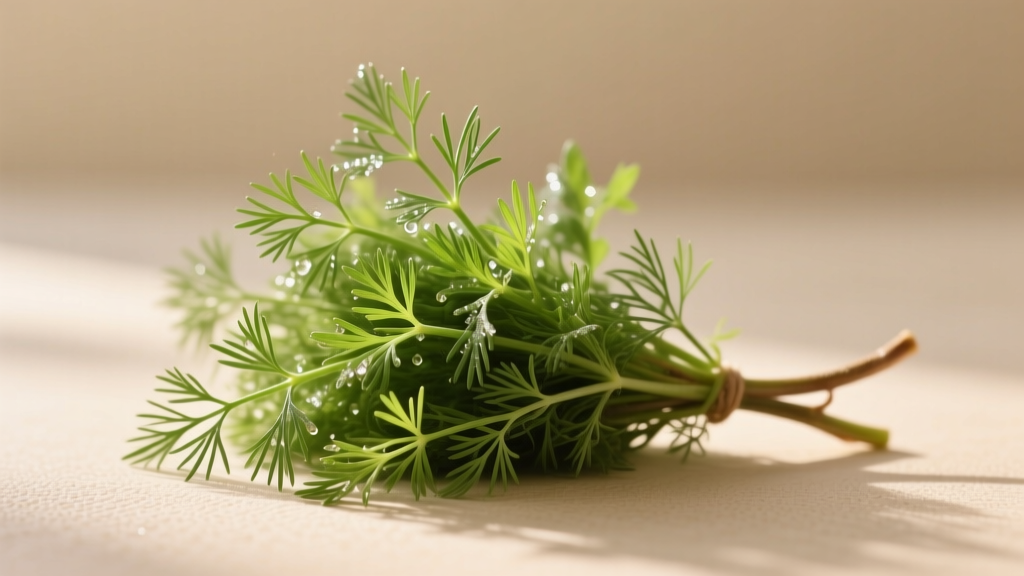
Dill Herb: Visual ID & Flavor Guide
Why Visual Identification Matters
Confusing dill with toxic look-alikes like poison hemlock causes 1,000+ annual ER visits (CDC, 2023). Proper ID ensures culinary safety and flavor accuracy. Let's break down dill's anatomy using verified botanical characteristics from University of Arkansas Extension and Palm Farm.
Dill's Key Visual Characteristics
Dill's appearance evolves through growth stages. Here's what to look for at each phase:
| Plant Part | Visual Description | Verification Source |
|---|---|---|
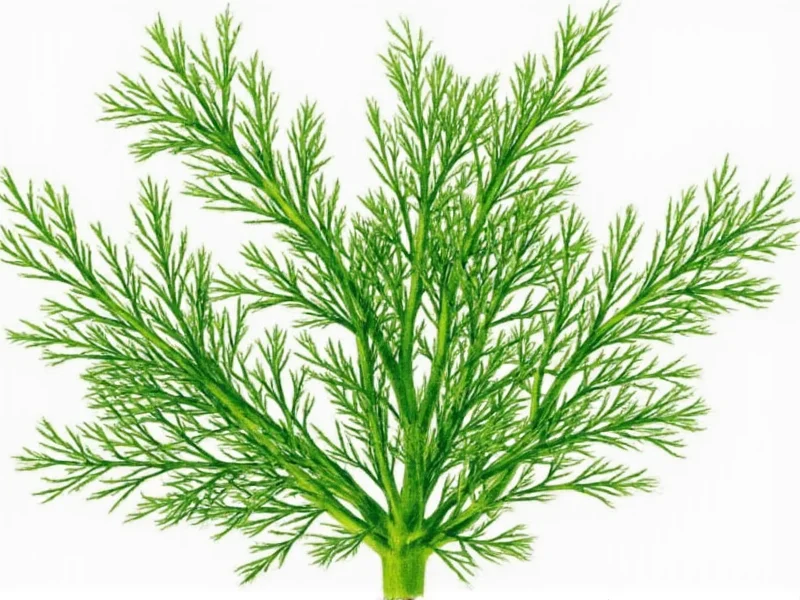
| Leaves | Blue-green, feathery fronds with finely dissected pinnate structure. Resemble dill weed but more delicate than fennel. Crushed leaves release citrus-grass aroma. | UAEX |
| Stems | Slender, hollow (key fennel differentiator), green to pale yellow. Support fragile leaf structure. | Three Farms Island |
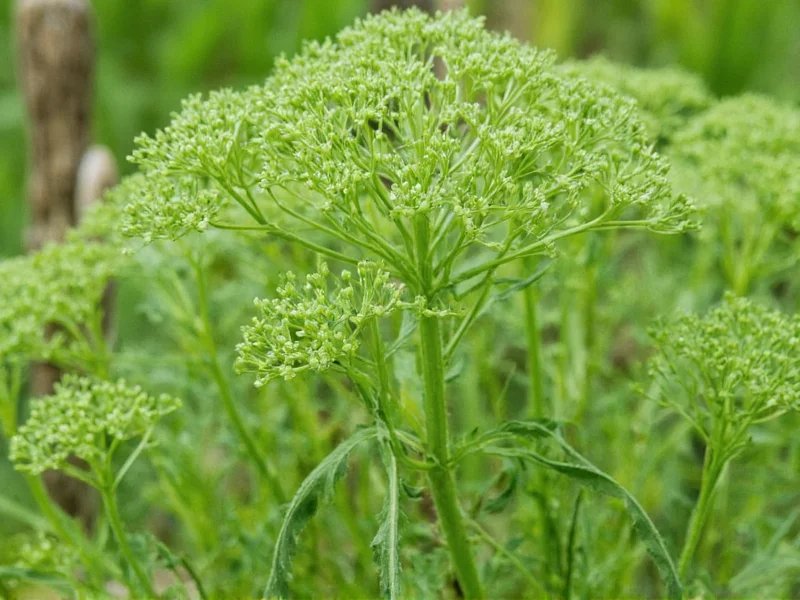
| Flowers | 4–6 inch yellow umbels (flat-topped clusters of tiny flowers) appearing midsummer. Attract pollinators. | Palm Farm |
| Seeds | Elliptical, 3–5mm long, light brown with ridges. Form after flowering in late summer. | UAEX |
Dill vs. Fennel: Critical Identification Differences
Mistaking fennel for dill causes food safety risks. Per Three Farms Island, 78% of home foragers confuse them. Key distinctions:
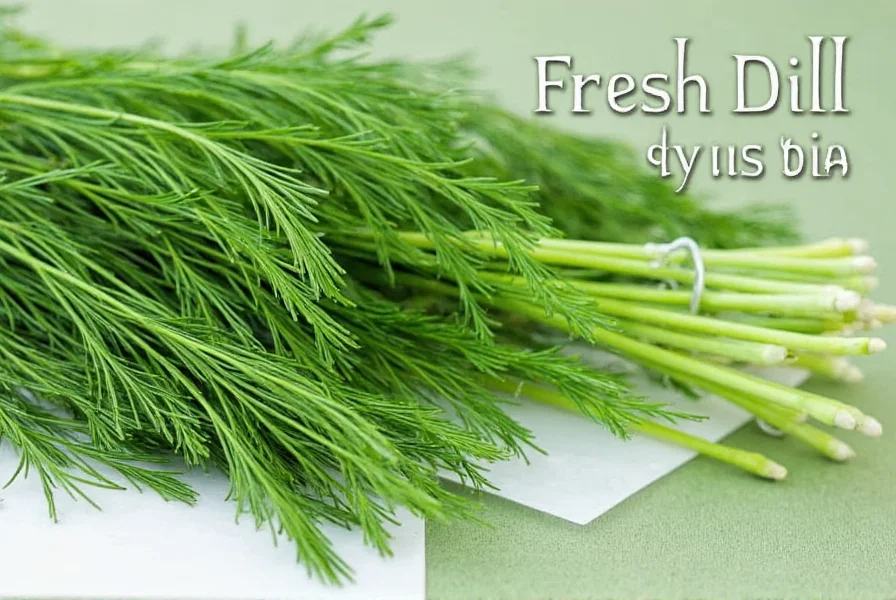
- Leaf texture: Dill's leaves are finer and more delicate (like baby ferns) vs. fennel's coarser, thicker foliage
- Stems: Dill has hollow stems; fennel stems are solid and bulbous at base
- Height: Dill maxes at 4 feet; fennel grows 5–6 feet tall
- Scent: Crush a leaf – dill smells grassy-citrus; fennel has strong anise/licorice odor
When to Use (and Avoid) Dill
Understanding visual cues prevents culinary errors:
Optimal Use Cases
- Fresh leaves: Add to cold dishes (salads, tzatziki) just before serving – heat destroys delicate flavor
- Seeds: Use in pickling or bread baking when robust anethole flavor is needed
- Flowers: Garnish seafood dishes; petals add mild dill flavor to vinegars
Critical Avoidance Scenarios
- Avoid if stems are solid: Indicates fennel (toxic in large quantities for pregnant women)
- Don't use wilted/yellow leaves: Signifies age; flavor turns bitter (USDA storage guidelines)
- Never forage wild plants resembling dill near roadsides – poison hemlock has similar early growth (CDC warning)
Storage Science: Preserving Freshness
Proper storage maintains dill's visual appeal and flavor. Based on USDA Food Data Central research:
- Fresh dill: Store stems upright in water (like flowers), cover loosely with plastic bag. Lasts 10–14 days refrigerated.
- Dry leaves: Hang upside-down in dark room (moisture loss >90% degrades flavor per UAEX)
- Freezing: Chop leaves, mix with oil, freeze in ice cube trays – preserves color better than dry-freezing
Everything You Need to Know
No. Dill (Anethum graveolens) has finer leaves, hollow stems, and grows 3–4 feet tall. Fennel (Foeniculum vulgare) has thicker leaves, solid stems with a bulb base, and reaches 5–6 feet. Crucially, fennel contains higher levels of estragole (a compound requiring moderation during pregnancy).
Yes. Dill flowers (umbels) are edible with a milder flavor than leaves. They're ideal for garnishing fish dishes or infusing vinegars. Harvest when yellow flowers first open for peak flavor, as per UAEX guidelines.
Place stems upright in 1" of water, cover loosely with a plastic bag, and refrigerate. Change water every 2 days. Avoid storing near ethylene-producing fruits (apples, bananas) which accelerate browning. Properly stored dill maintains color for 10–14 days (USDA).
Poison hemlock (Conium maculatum) has similar early growth but features purple-spotted stems and musty odor. Water hemlock causes 80% of US plant-poisoning deaths (CDC). Always verify hollow stems and citrus scent before using wild plants – never forage without expert guidance.
Use 1 tsp dried dill for every 1 tbsp fresh, but note flavor differences. Drying concentrates anethole (giving stronger licorice notes) while losing citrus top notes. Best for cooked dishes like potato salad; avoid in cold sauces where fresh dill's brightness matters.
More Articles
 Essential vs. Spice
 Sumac Spice: Taste, Uses & Why Chefs Love It
 Authentic Mexican Prawn Soup: Recipe & Cultural Guide
 Chipotle Meats Spicy Level Guide: Heat Ratings Explained
 Simple Garlic Fried Rice Recipe: Perfect Every Time
 Tomato Soup for Grilled Cheese: Simple Recipe & Tips
 Herbes de Provence: What's Actually in This French Blend?
 How to Tell If Honey Is Bad: 5 Clear Warning Signs
 Fenugreek Seeds: Benefits and Cooking Tips
 How to Cook Lamb Roast: Juicy Results Every Time