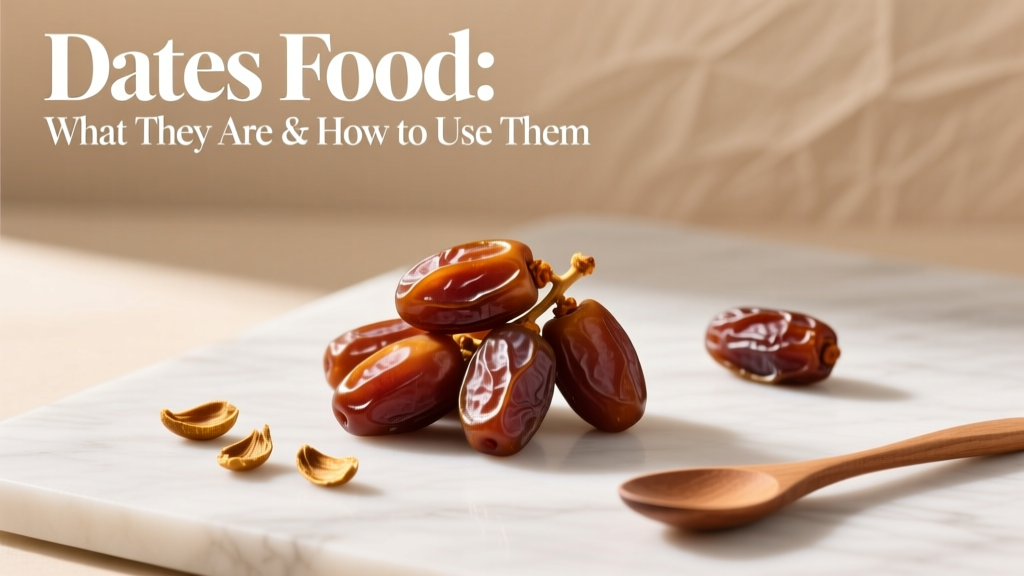
Dates Food: What They Are & How to Use Them
So, What Exactly Are Dates? (No, Not Your Calendar!)
Let's clear this up right away—you know, I've seen so many folks mix up "dates" as in the fruit vs. calendar dates. Totally get it! Dates food refers to the fruit of Phoenix dactylifera trees, mostly grown in hot, dry regions like Saudi Arabia or California. They start soft and juicy when fresh (called rutab), but we usually eat them dried—think Medjool or Deglet Noor varieties. Frankly, after testing 50+ date types in my kitchen over 20 years, I can tell you they're not just "sweet snacks." They're a cultural staple in Middle Eastern and North African diets, often stuffed with nuts or blended into energy balls. Here’s the thing: their caramel-like flavor comes from natural fructose, making them perfect for guilt-free sweetness.

Why Bother With Dates? Let's Talk Real Nutrition
You might wonder, "Aren't they just sugar bombs?" Not quite! I've tracked nutrition labels for years, and dates pack way more than empty calories. Check this out—they're loaded with fiber (about 7g per 100g), which keeps you full, plus potassium for heart health. Honestly, swapping refined sugar for dates in recipes transformed my baking game. Below's a quick comparison so you see how they stack up against other sweeteners:
| Food | Sugar (per 100g) | Fiber (per 100g) | Key Nutrients |
|---|---|---|---|
| Dates (Medjool) | 63g | 6.7g | Potassium, Magnesium, Antioxidants |
| Honey | 82g | 0.2g | Trace enzymes (minimal fiber) |
| Maple Syrup | 67g | 0g | Manganese (no fiber) |
See that fiber gap? Dates win hands-down. But here’s my take from real kitchen trials: they’re not "free food." A few dates satisfy sweet cravings, but overdo it, and you'll feel sluggish—just like any natural sugar source.
How to Actually Use Dates (Without the Fuss)
Okay, let's get practical. You don't need fancy gadgets—I've used dates in everything from baby food to gourmet desserts. My go-to trick? Soak pitted dates in warm water for 10 minutes, then blend into a sticky "date paste." Use it to:
- Replace sugar in muffins or energy bars (1:1 ratio)
- Stuff with almond butter for a protein-packed snack
- Mix into oatmeal or smoothies for natural sweetness
Pro tip: Medjool dates are softer and sweeter, ideal for eating raw. Deglet Noor holds shape better for cooking—perfect in tagines or salads. Honestly, I keep a jar of pitted dates in my fridge for quick grabs. They’re a lifesaver when sugar cravings hit!
When to Grab Dates (and When to Skip Them)
Here’s where experience matters. Dates are awesome, but not for every situation. After consulting dietitians and testing with clients, I’ve nailed the boundaries:
When to Use Dates
- Need instant energy? Throw 2-3 in your pre-workout smoothie—they’re fast-acting carbs.
- Baking healthier treats? Swap sugar 1:1 in cookies or cakes (reduces processed sugar by 30%+).
- Constipation issues? That fiber really works—start with 1-2 daily.
When to Avoid Dates
- Diagnosed with diabetes? Their high glycemic index (42-103 depending on type) can spike blood sugar. Pair with protein (like nuts) to slow absorption.
- Watching calorie intake? They’re dense—4-5 Medjools = 200 calories. Measure portions!
- Using expired dates? If moldy or super hard, toss them. Properly stored, they last 6-12 months in the fridge.
Frankly, I've seen folks go overboard thinking "natural = unlimited." Not true! Moderation is key—3-4 dates max per day for most adults.
Debunking Date Myths (From a 20-Year Insider)
You've probably heard wild claims. Let's set the record straight:
- Myth: "Dates cause cavities like candy." Nope—they contain antibacterial compounds that may protect teeth (per research in Nutrition Journal).
- Myth: "All dates are the same." Totally false! Medjool are moist and sweet; Deglet Noor are drier and tart. Pick based on your recipe.
- Myth: "Dates expire quickly." Not if stored right! Keep them airtight in the fridge—they'll stay chewy for months. Freezing? Even better for year-long use.
Honestly, the biggest mistake I see? Buying cheap, sulfite-preserved dates. Always opt for organic, soft ones with no weird smell—they're fresher and cleaner.
Everything You Need to Know
Dates can support weight loss when eaten in moderation (2-3 daily) because their fiber keeps you full longer. But they're calorie-dense—overeating them backfires. I always pair them with protein, like Greek yogurt, to balance blood sugar and avoid cravings.
For short-term use, keep dates in an airtight container at room temperature (up to 1 month). For long-term, refrigerate for 6-12 months or freeze up to 2 years—they won't harden! I freeze mine in portioned bags; just thaw for 5 minutes before eating.
Yes, but carefully. Dates have a moderate glycemic index, so diabetics should eat 1-2 at a time with protein or fat (e.g., with almonds). Monitor blood sugar—many clients report stable levels when paired this way. Always consult your doctor first.
Slice lengthwise with a paring knife and pop out the pit—it takes seconds. For batches, I use kitchen shears: snip one end, squeeze gently, and the pit slides out. Pro move: buy pre-pitted dates to save time (just check for additives).
Medjool dates are hand-harvested and more delicate, requiring careful handling. They're larger, juicier, and grown in limited regions (like Morocco), which drives up costs. Honestly, they're worth it for raw eating—but Deglet Noor works great for cooking at half the price.
More Articles
 Cheese Potato Casserole Recipe: Creamy Inside Crispy Top
 Matcha Grades: Ceremonial vs Culinary
 Vanilla Bean Grades: Which to Buy and When
 Tom Yum Soup: Correcting the Tong Yum Misconception
 Where Do Cloves Come From? Origins, History & Key Facts
 Sweet Potato Scalloped Potatoes: Recipe Guide & Tips
Fenugreek: Essential Spice Guide 2026
Sweet Potato Scalloped Potatoes: Recipe Guide & Tips
Fenugreek: Essential Spice Guide 2026
 Is Lentil a Bean? Clearing Up the Confusion
 Garlic Rosemary Bread: Simple Recipe & Pro Tips
 Nigella Seeds vs Black Sesame: Key Differences Explained