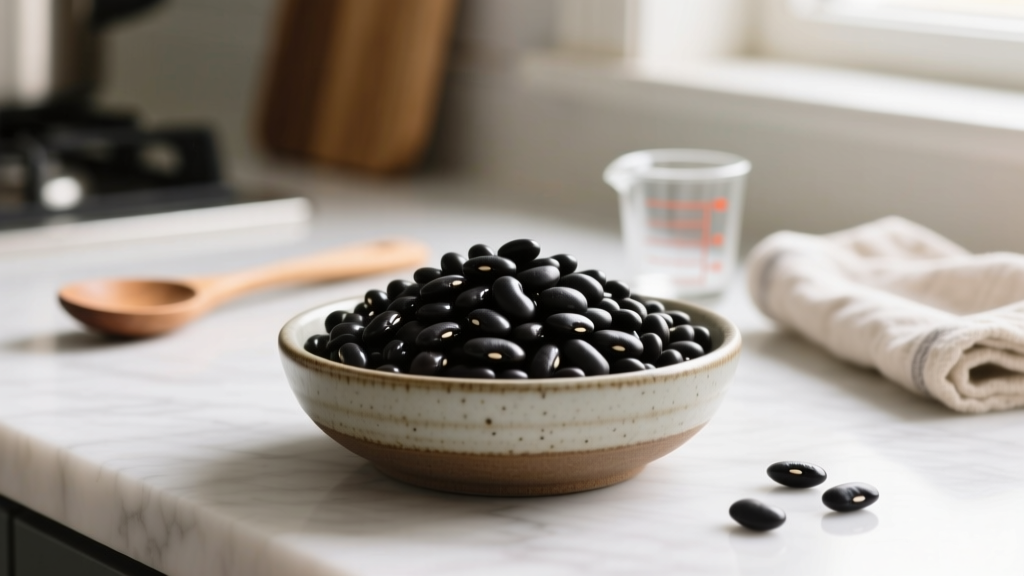
Cook Dry Black Beans Perfectly: Soak & Cook Guide
Why Bother With Dry Beans Anyway?
Let's be honest, canned beans are tempting when you're tired after work. But dry black beans? They're dirt cheap—like 80% cheaper per serving—and way healthier without sodium or preservatives. I've cooked beans weekly for 20 years, and trust me, the extra prep pays off. Plus, you avoid that metallic canned taste. Honestly, once you nail the method, it's barely more work than opening a tin.
Your No-Stress Prep Checklist
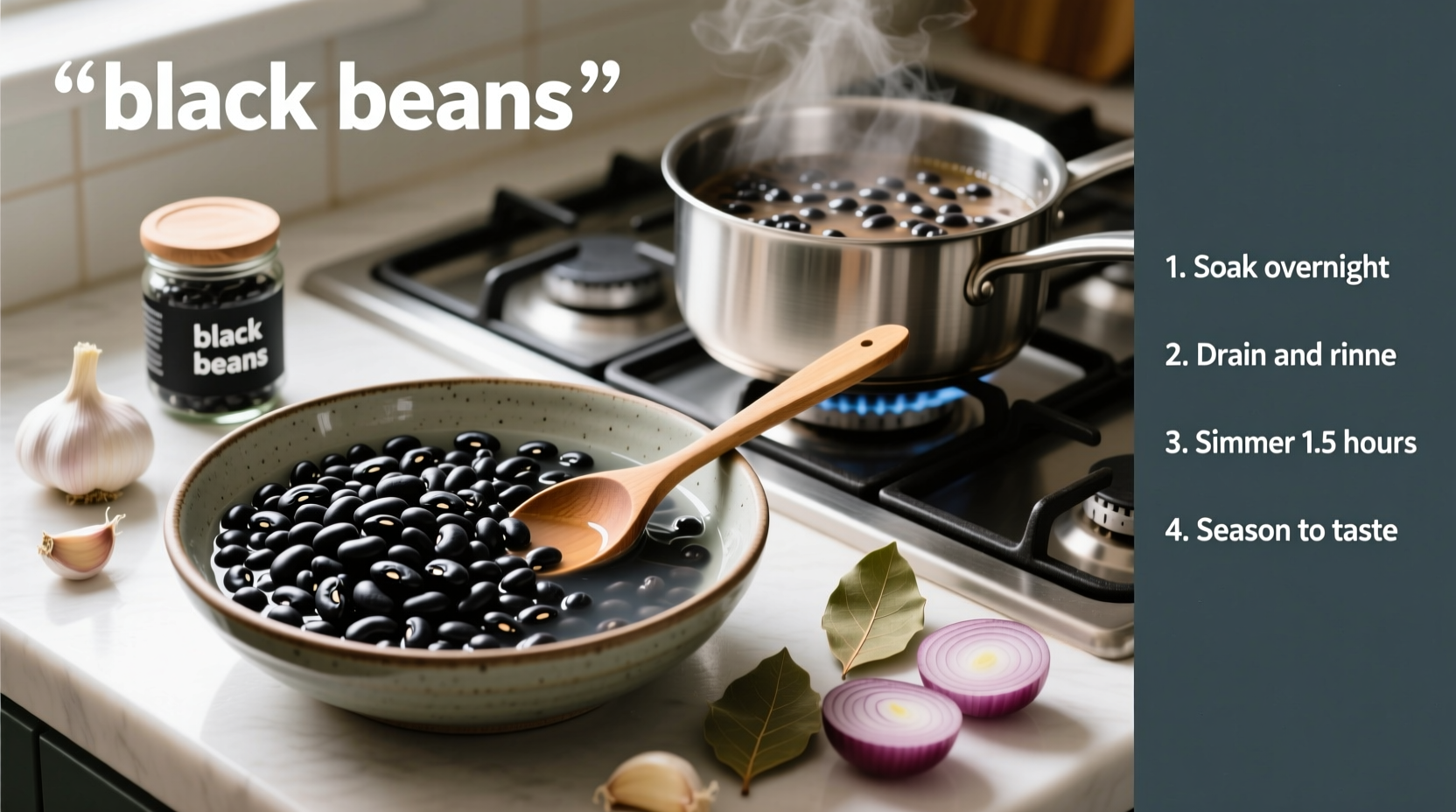
Before soaking, spend 5 minutes prepping. Dump beans on a tray; pick out shriveled ones or debris. Rinse under cold water in a colander—yep, even "pre-washed" bags need this. You'd be shocked how much grit hides in there. Pro tip: Use a fine-mesh strainer. I learned this the hard way after crunching on a stone once. Not fun.
| Soaking Method | Time Required | Best For | Gas Reduction |
|---|---|---|---|
| Traditional Cold Soak | 8-12 hours | Weekend cooking, large batches | ★★★★☆ (Best) |
| Quick Hot Soak | 1 hour + cook time | Weeknight dinners, last-minute meals | ★★★☆☆ (Good) |
| No Soak (Not Recommended) | 2+ hours cook time | Emergencies only | ★☆☆☆☆ (Poor) |
Step-by-Step Cooking That Actually Works
Okay, let's get practical. After soaking, drain and rinse beans—this washes away oligosaccharides (the gas culprits). Dump them in a pot, cover with 3 inches of fresh water. Toss in an onion half, garlic cloves, and a bay leaf. Bring to a gentle simmer—not a rolling boil—or beans will split. Skim off foam early; it's just starch, but it makes broth murky.
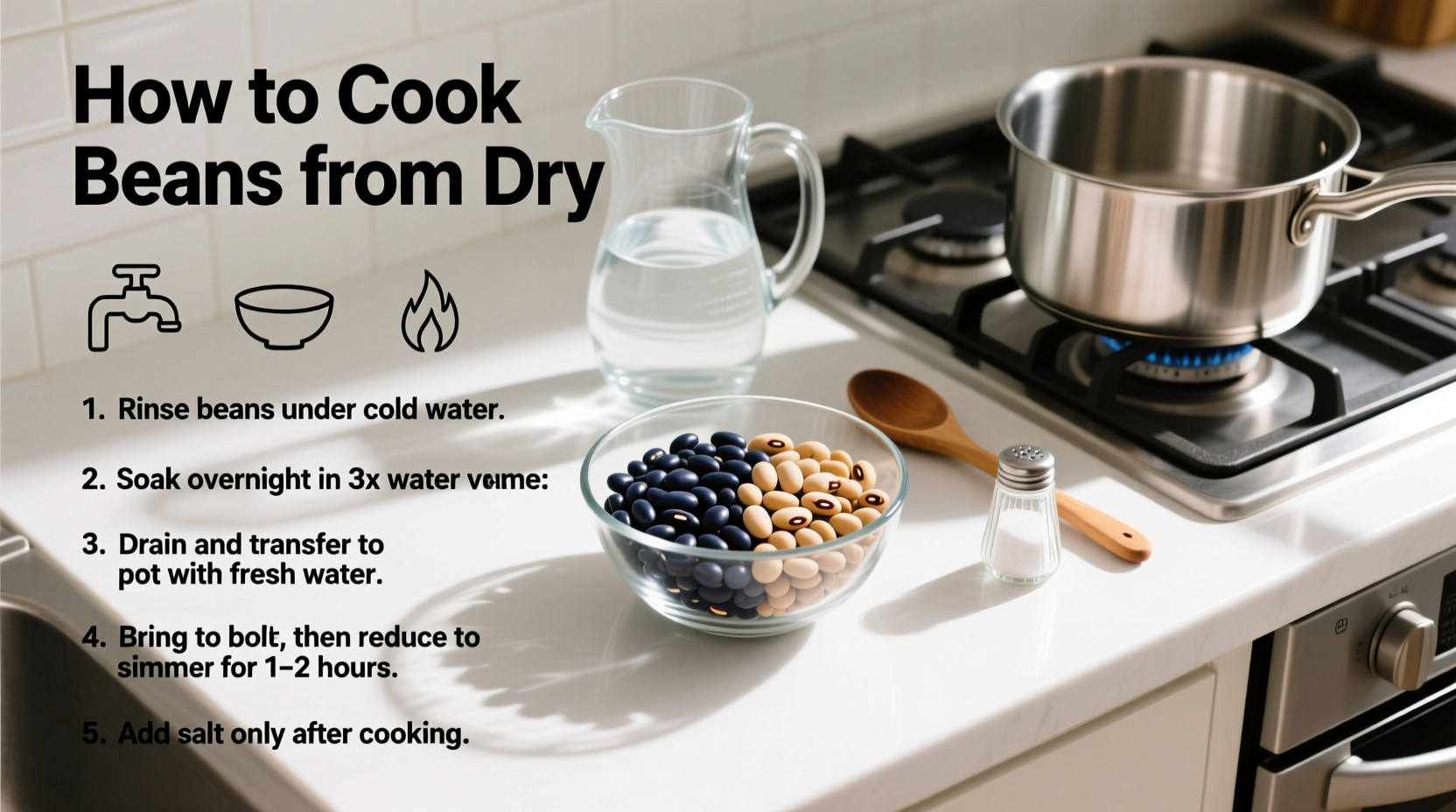
Cook uncovered for 60-90 minutes. Check tenderness after 50 minutes; poke a bean with a fork. If it's still firm, keep going. Salt? Hold off until the last 15 minutes—adding it early toughens skins. I used to salt at the start and wondered why beans never softened. Rookie mistake!
When to Choose Which Method (And When to Bail)
You know that "set it and forget it" dream? Traditional soaking works great for meal prep Sundays. But if your kid texts "hungry now!" at 6 PM? Quick soak saves dinner. Honestly, never skip soaking entirely—it adds 2+ hours cook time and guarantees gas trouble. Avoid adding acidic stuff (tomatoes, vinegar) until beans are tender; acid stops softening. Learned this testing a Cuban recipe... total disaster.
Don't Repeat These 3 Costly Mistakes
- Using soak water: That murky liquid has indigestible sugars. Dump it—you'll thank me later.
- Overcrowding the pot: Beans need room to swell. Fill pot only halfway.
- Guessing doneness: Undercooked beans = crunch city. Always test a few beans, not just one.
Leftovers? Cool beans in their broth, then freeze in portions. Reheat straight from frozen—no thawing needed. They'll keep 5 days refrigerated or 6 months frozen. Way better than canned, right?
Everything You Need to Know
Yes, soaking cuts cooking time by nearly half and removes oligosaccharides that cause gas. Skipping it risks undercooked beans even after 2+ hours. The quick soak method takes just 1 hour if you're short on time—no excuses!
Three common culprits: old beans (check bag dates—they expire!), hard water mineral interference, or adding salt/acid too early. Always use fresh beans, soft water if possible, and wait until the last 15 minutes to season.
Absolutely. Unsoaked beans take 25-30 minutes at high pressure; soaked beans need just 8-10 minutes. Natural release for 15 minutes prevents mushiness. It's my go-to for weeknights—cuts time dramatically while keeping nutrients intact.
Store cooled beans in their broth for up to 5 days. The liquid keeps them moist. For longer storage, freeze portions—they'll hold quality for 6 months. Never leave cooked beans at room temperature over 2 hours to avoid bacterial growth.
More Articles
 What Spices to Put in Chili: Top 7 Must-Haves & Expert Tips
 Authentic Spaghetti with Minced Meat & Tomato Sauce Guide
 Pink Peppercorns Aren't Real Pepper
 How To Repair Spices: Reviving Flavor, Aroma, and Potency in Your Pantry
 Potato Sides Guide: Simple Recipes & Timing Tips
 Onion Fritters: Crispy Recipe Guide & Expert Tips
 Tripe Soup: Global Traditions and Preparation Guide
Annatto Seeds: Natural Color and Flavor
Tripe Soup: Global Traditions and Preparation Guide
Annatto Seeds: Natural Color and Flavor
 Sweet Potato Sweet: Natural Sweetness Guide & Cooking Tips
 Garlic and Lemons: Science-Backed Benefits and Uses