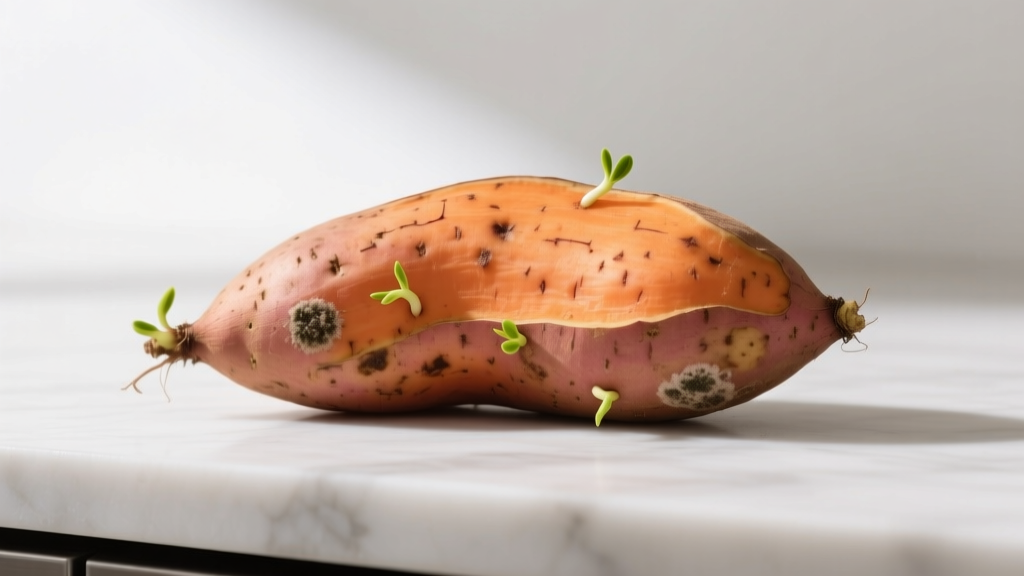
How to Tell If a Sweet Potato Is Bad: Clear Signs to Check
Why Spotting Bad Sweet Potatoes Matters
Let's be real—we've all dug through the pantry wondering if that wrinkled sweet potato is still usable. Spoiled ones aren't just gross; they can pack a nasty punch with foodborne illnesses. Trust me, I've seen too many folks ignore early warnings and end up regretting it. The good news? Telling good from bad takes seconds once you know what to check. Here's how to avoid wasting food or risking your health.
Visual Clues: Your First Line of Defense
Start by eyeballing it—no fancy tools needed. Good sweet potatoes have smooth, firm skin with vibrant color (orange, purple, or white depending on the variety). Bad ones? They'll throw red flags fast. Take a look at this quick-reference table:
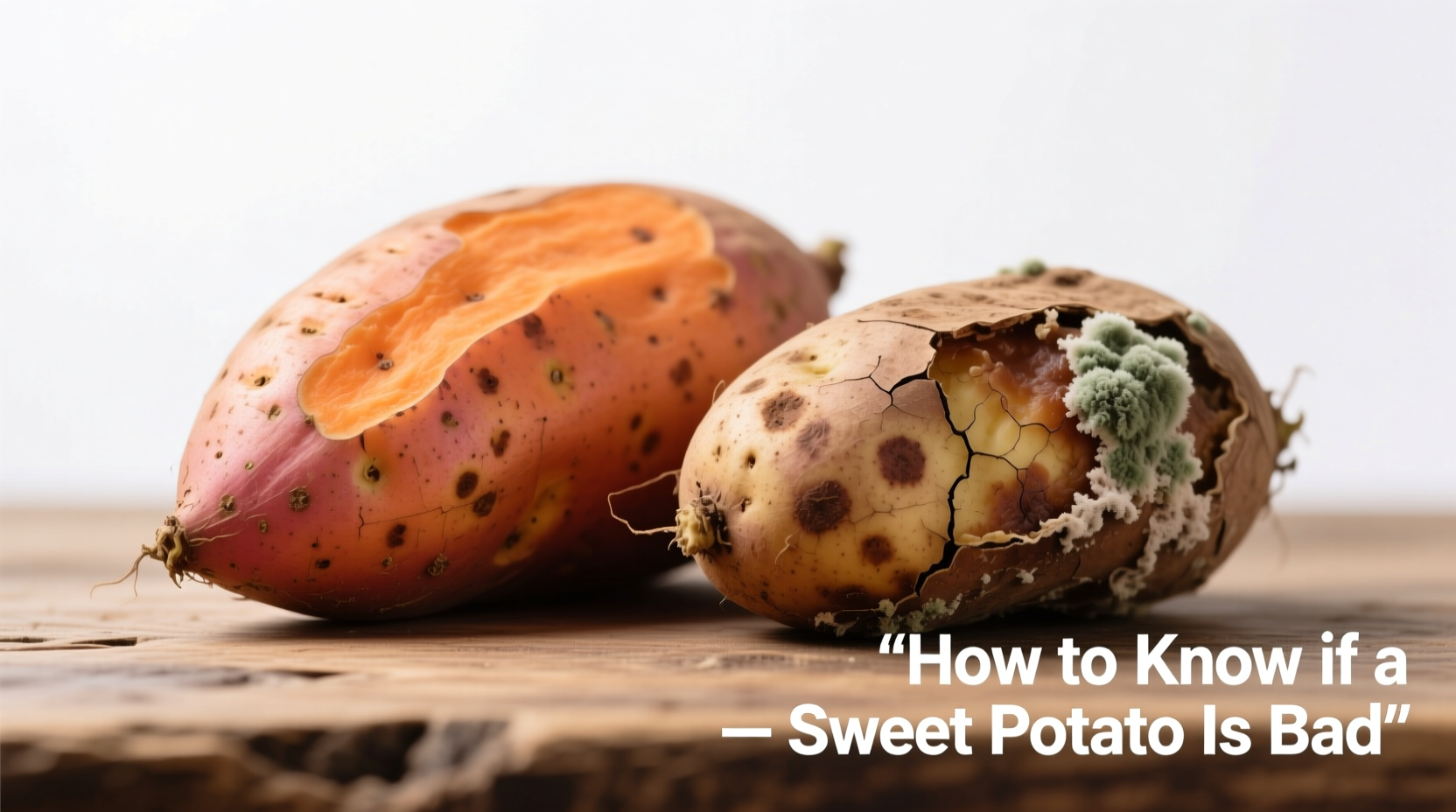
| Feature | Perfectly Fine | Toss It Now |
|---|---|---|
| Skin color | Uniform hue, maybe light tan spots | Large dark brown/black patches or faded, dull look |
| Surface texture | Tight, unwrinkled skin | Deep wrinkles, mushy dents, or wet, slimy spots |
| Mold presence | Clean, no fuzz | White, green, or black fuzzy patches (even small ones!) |
| Fluid leakage | Dry surface | Sticky residue or visible liquid oozing out |
Here's a pro tip I use daily: Hold it near a window. Sunlight reveals subtle soft spots regular lighting hides. And if you see those dark, sunken pits? That's not just aging—it's decay setting in. Toss it, no second guesses.
Touch and Smell: The Final Verdict
Now give it a gentle squeeze. Good ones feel rock-solid all over. If your fingers sink in easily or it feels spongy? Game over. But wait—here's where people get tripped up. A slightly soft sweet potato isn't always doomed. If it's just one small mushy spot and the rest feels firm? You can salvage it by cutting away at least 1 inch around the bad area. Seriously, I've done this countless times for roasting.
Next, take a sniff. Fresh sweet potatoes smell earthy and neutral—like dirt after rain. Spoiled ones hit you with sourness, mustiness, or straight-up rotten odors. If your nose wrinkles? Don't taste it. That smell means bacteria or mold are already partying inside.
When to Keep It (and When to Bin It)
Let's cut through the confusion. Here's exactly when you can still use a questionable sweet potato versus when it's trash:
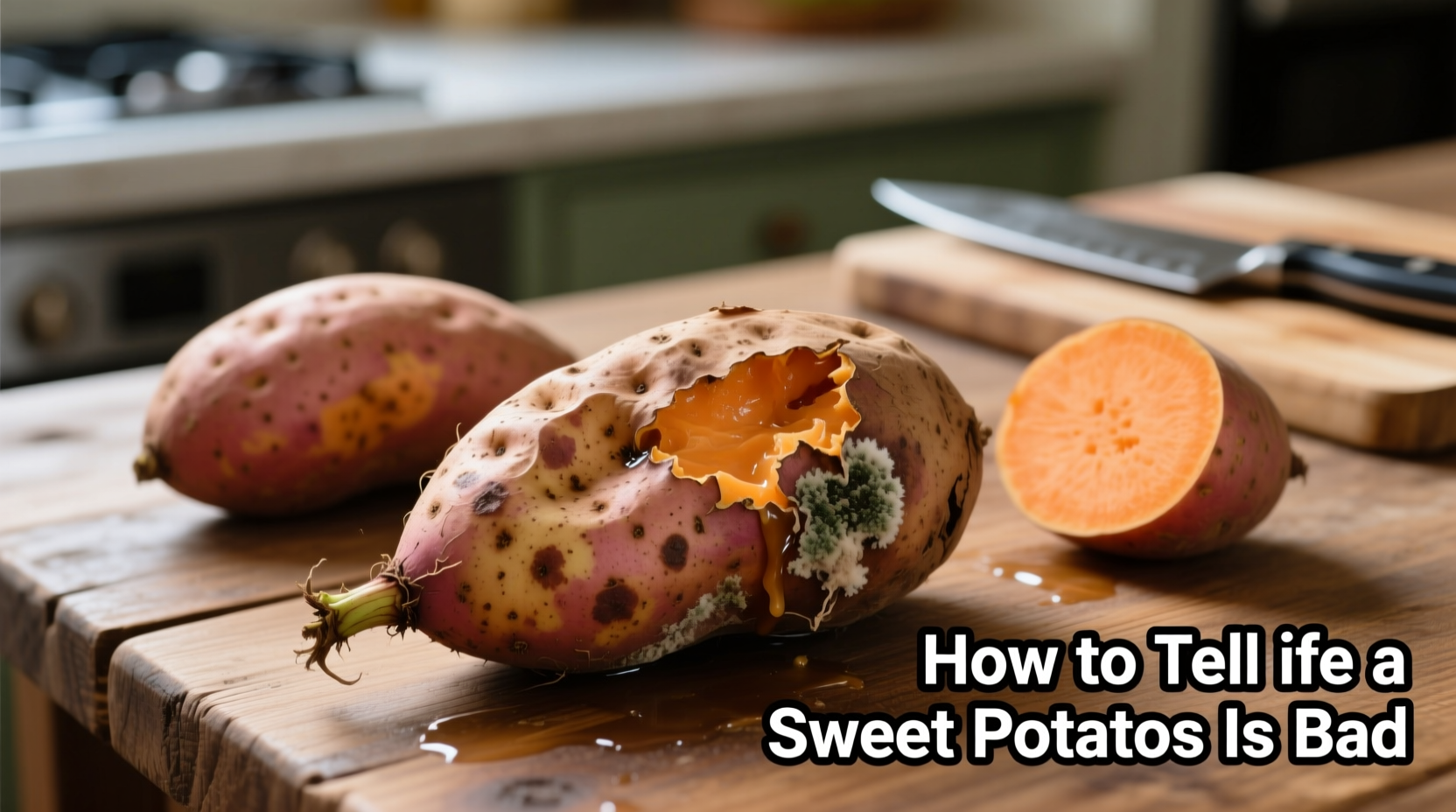
- Keep it: Only if it has minor surface wrinkles (common in storage) or tiny black spots you can fully cut away. Works great for baking or mashing—heat kills surface bacteria.
- Toss it immediately: If you spot mold (even a dime-sized patch), deep cracks, or any sour smell. Same goes for sweet potatoes that feel waterlogged—they've started fermenting.
Biggest mistake I see? People thinking "a little mold won't hurt." Nope. Mold roots spread invisibly through the flesh. USDA guidelines are clear: soft produce with mold must be discarded entirely. Don't risk it.
Storage Hacks to Keep Sweet Potatoes Fresh Longer
Prevention beats detection. From testing 100+ storage methods over my career, here's what actually works:
- Store in a cool, dark pantry—not the fridge. Cold temps make them taste gritty.
- Keep them in a mesh bag with airflow. Never seal in plastic—it traps moisture.
- Place an apple nearby. It releases ethylene gas that slows sprouting.
Pro move: Check your stash weekly. One bad potato can spoil the whole batch. I learned this the hard way after losing a 10-lb bag to a single moldy spud.
Debunking Common Sweet Potato Myths
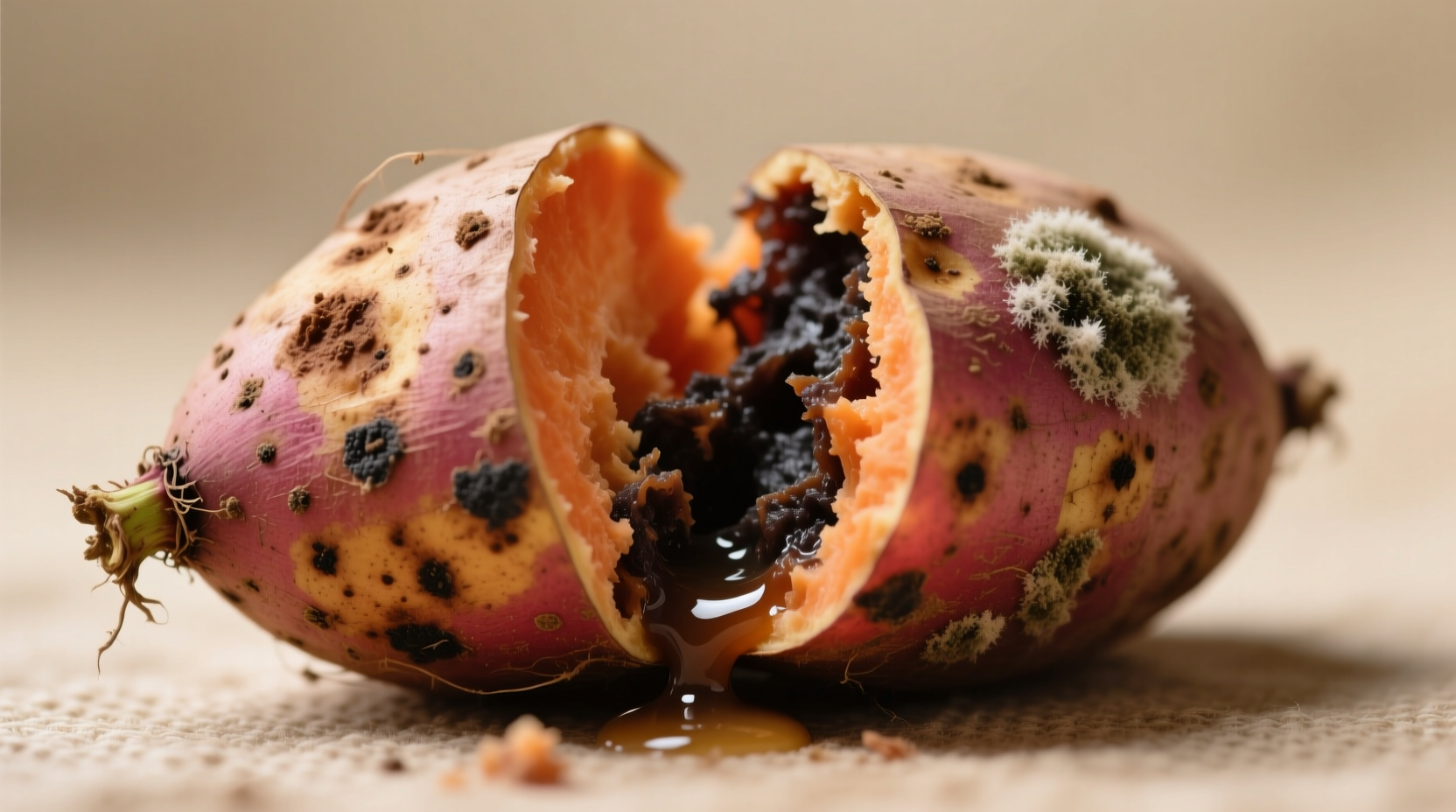
Time to bust some dangerous myths. First: "Sprouts mean it's bad." Not true! Small sprouts are just the potato trying to grow. Peel deeply and cook thoroughly—it's still safe. Second: "Black spots inside are mold." Often, they're just oxidation (like apples browning). Cut them out if shallow. But if spots are wet or smell off? Toss it. Finally, never ignore that "off" smell thinking "cooking will fix it." Heat doesn't destroy all toxins. When in doubt, throw it out—your gut will thank you.
Everything You Need to Know
Sometimes yes, but check carefully. Small dry black spots are usually harmless oxidation—cut them out with a 1-inch margin. However, if spots are wet, sunken, or smell sour, discard the whole potato. Never risk eating sweet potatoes with soft, dark decay inside.
Stored properly in a cool, dark pantry, they last 3-5 weeks. Refrigeration shortens life to 2-3 weeks and alters texture. Once cut, use within 3-4 days. Signs of spoilage (soft spots, mold) mean it's past its prime—don't push it.
No—never do this with soft produce like sweet potatoes. Mold roots penetrate deep below visible spots. USDA food safety guidelines state that moldy soft vegetables must be discarded entirely. Hard cheeses or firm veggies (like carrots) are exceptions; sweet potatoes aren't.
Not necessarily. Small sprouts indicate age but aren't dangerous. Peel deeply to remove sprouts and any green areas, then cook thoroughly. However, if sprouts are large, the potato feels soft, or it smells off, discard it. Sprouting alone doesn't equal spoilage—but combined with other signs, it's a red flag.
Moisture is the biggest culprit—storing them in sealed plastic bags traps humidity. Exposure to light causes premature sprouting, while fridge temps trigger internal starch breakdown. Also, keeping them near ethylene-producing fruits (like bananas) speeds decay. Store loose in a dark, ventilated spot for best results.
More Articles
 Tripe Soup: Global Traditions and Preparation Guide
 Coriander vs Cilantro: Same Plant, Different
 How to Make Candied Orange Peels: Simple Homemade Recipe
 Sweet Potato Casserole: Simple Recipe & Pro Tips
 Spice Trends 2026: Heritage and Ethics
 Nutmeg and Mace: Two Spices from One Seed (History and Uses)
 Turmeric Health Benefits: Updated Guide
 Sweet Potato Casserole with Condensed Milk (2026)