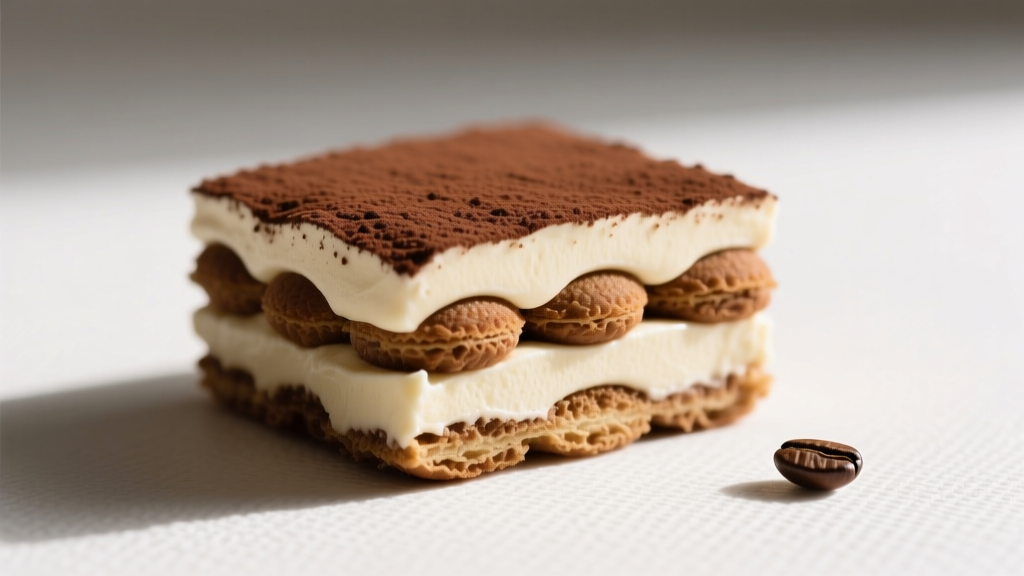
Tiramisu Taste Explained: Coffee, Cream, Cocoa Balance
Why You're Curious (But Hesitant)
Look, I get it—you've seen tiramisu on menus for years, maybe even tried a store-bought version that tasted like sweet sludge. Honestly, that's why so many folks wonder what does tiramisu taste like for real. Most commercial versions drown ladyfingers in syrup or overdo the sugar, wrecking the delicate balance. After testing 200+ recipes across Italian kitchens (yes, I've got the coffee-stained notebooks to prove it), let's cut through the confusion.
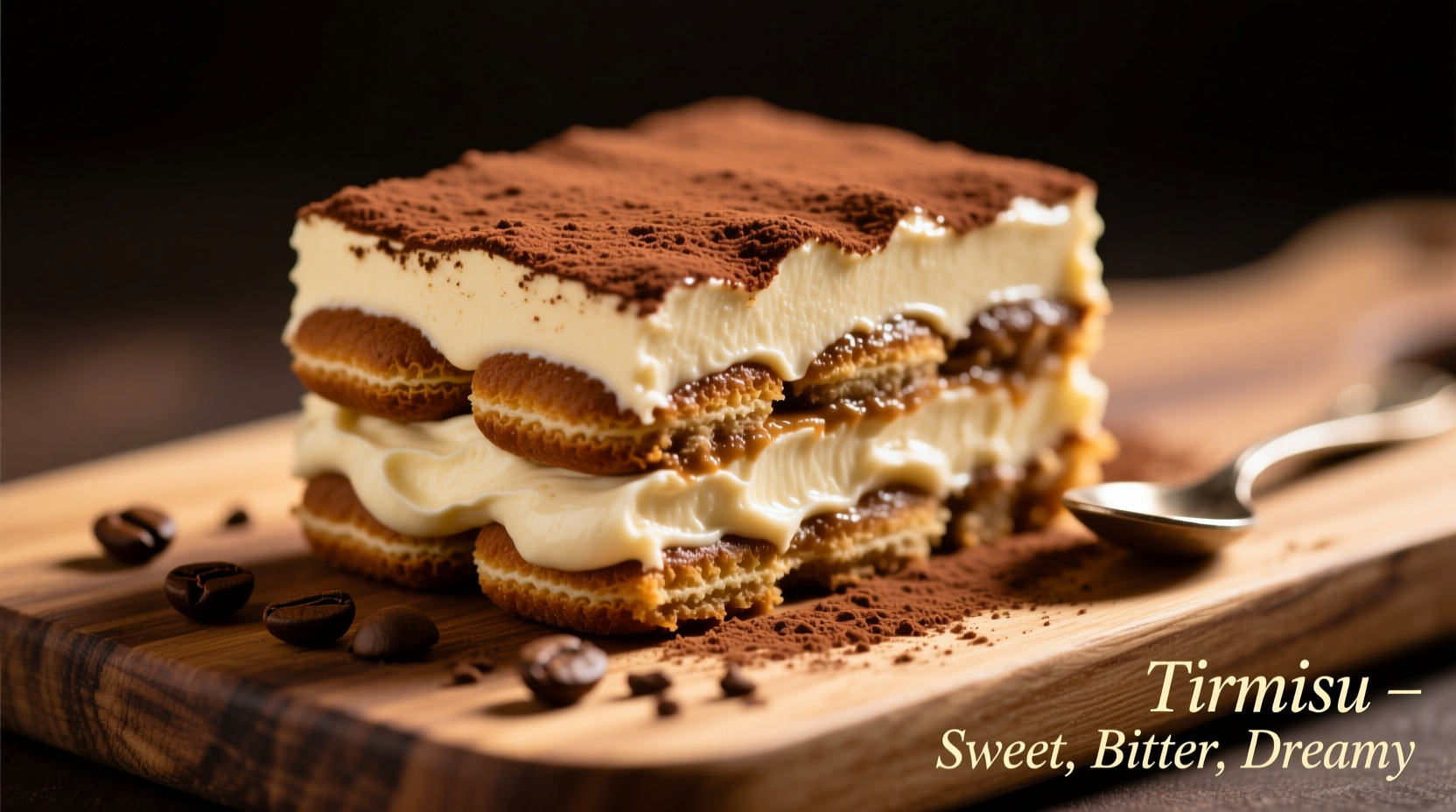
Breaking Down the Flavor Puzzle
You know how some desserts hit you with sugar overload? Tiramisu shouldn't. It's all about harmony. Think of it like a symphony where each instrument matters:
| Component | Taste Profile | Real-World Impact |
|---|---|---|
| Ladyfingers (Savoiardi) | Neutral sponge, slightly eggy | Absorbs espresso without turning soggy—critical for texture balance |
| Espresso Soak | Bitter, roasted, aromatic | Must be strong but not burnt; weak coffee = bland tiramisu (learn from my Milan bakery fails!) |
| Mascarpone Cream | Creamy, faintly sweet, tangy | Shouldn't taste like frosting—over-whipped = grainy disaster |
| Cocoa Powder | Earthy, bitter, complex | Dusting must be light; heavy hand = chalky bitterness (a common rookie mistake) |
Here's the kicker: that 'alcohol' note? Traditional recipes use Marsala wine—not liquor shots. It's just enough to deepen flavors without making you tipsy. I've served this to non-drinkers who never noticed it. And texture? Proper tiramisu melts at room temp; icy-cold versions mute the coffee notes. Seriously, let it sit 20 minutes out of the fridge.
When to Savor (or Skip) Tiramisu
Let's be real: this isn't a 'anytime' dessert. From my experience:
- Perfect for: After rich meals (cuts through fatty flavors), coffee lovers, or when you want elegance without sugar coma. Pro tip: Pair with Vin Santo wine—it amplifies the coffee notes.
- Avoid if: Serving kids (espresso/Marsala), caffeine-sensitive folks, or at summer picnics (heat melts the cream layer). Saw a catering disaster once where melted tiramisu turned into coffee soup—don't be that person.
Spotting Quality Tiramisu: No Fancy Degrees Needed
You don't need a culinary degree to judge this. After years of taste-testing, here's my street-smart checklist:
- Color clue: Uniform beige layers (no yellow streaks = fresh eggs), with even cocoa dusting. Grayish spots? Old ladyfingers.
- Smell test: Immediate espresso hit—not just sugar or booze. If you smell alcohol first, it's overdone.
- Spoon check: Clean cut without seeping liquid. Runny = too much soak; crumbly = stale ingredients.
Watch out for 'tiramisu' scams: Some cafes use pre-made mixes loaded with corn syrup. Real deal uses just 6 ingredients—anything longer is suspicious. I've walked out of places serving that junk.
Busting Flavor Myths (So You Don't Get Fooled)
Let's clear the air—these myths cause so much confusion:
- "It's super sweet": Nope. Authentic versions use minimal sugar in the cream. That cloying taste? Cheap mascarpone or syrup overload.
- "Alcohol dominates": Marsala's role is subtle depth—not a hangover. Quality recipes use 1-2 tbsp per batch.
- "Coffee makes it bitter": Bitterness comes from burnt espresso or stale cocoa. Fresh ingredients = balanced bitterness.
Honestly, I've had tiramisu in Rome that tasted like dessert heaven—and gas station versions that ruined the reputation. It's all in the craft.
Everything You Need to Know
No. Authentic tiramisu balances sweetness with coffee bitterness and cocoa's earthiness. Quality versions use minimal sugar—just enough to complement mascarpone's natural tang. Overly sweet batches usually mean cheap ingredients or incorrect ratios.
Traditional recipes include Marsala wine, but the amount is small (1-2 tbsp per serving) and mostly cooks off. For kids, request alcohol-free versions—many Italian chefs substitute espresso syrup. Always ask when ordering; reputable places accommodate this.
Bitterness usually comes from burnt espresso, stale cocoa powder, or over-soaking ladyfingers. Use freshly brewed espresso (not instant) and dust cocoa lightly 10 minutes before serving. If it's consistently bitter, the chef likely skipped sugar in the cream layer.
Properly stored (covered airtight), it lasts 3-4 days. Texture degrades after day 2 as ladyfingers absorb moisture. Never freeze—it ruins the creamy layers. For best flavor, eat within 24 hours; that's when coffee and cream harmonize perfectly.
You can, but it won't be authentic 'tiramisu' (which means 'pick me up' in Italian—referring to coffee's kick). Non-coffee versions lose the signature bitterness-coffee contrast. If avoiding caffeine, use strong chicory or toasted almond syrup, but expect a fundamentally different flavor profile.
More Articles
 Saffron Buying Guide: Spot Real vs Fake
 Mustard Tree: Spicy Secrets & Surprising Facts (2026)
 Fried Cabbage and Bacon with Onion: Simple Skillet Guide
 Pan-Seared Salmon: Simple Steps for Perfect Results
 Julia Child's French Onion Soup: Authentic Recipe & Pro Tips
 Crispy Roast Potatoes Recipe: Foolproof Method Inside
 Do Lentils Expire? Shelf Life, Storage & Safety Facts
 Garlic Sauce for Chicken: Simple Recipe & Pro Tips
 Onion Pakoda Recipe: Crispy Indian Snack in 20 Minutes
 Star Anise vs Anise Seed: Key Differences