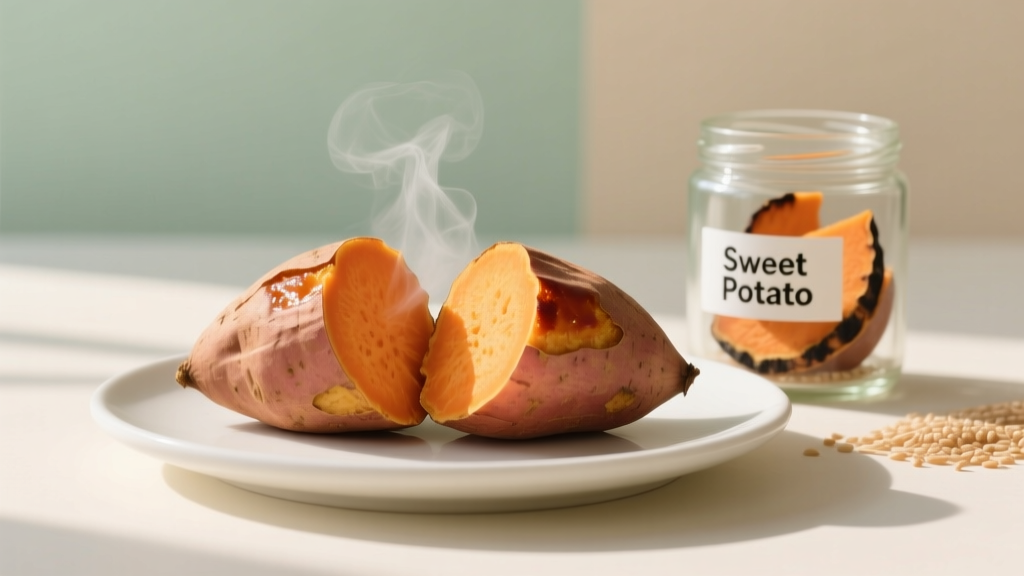
How Long Cooked Sweet Potato Lasts in Fridge: 3-5 Days
Wondering if those leftover sweet potatoes from last night's dinner are still safe to eat? You're not alone—thousands of home cooks search for this information daily. Proper food storage isn't just about convenience; it's a critical food safety practice that prevents waste and protects your health. Let's explore exactly how to maximize the shelf life of your cooked sweet potatoes while keeping your kitchen safe.
Proper Storage Techniques for Maximum Freshness
How you store cooked sweet potatoes dramatically impacts their shelf life. Follow these evidence-based methods to ensure optimal safety and quality:
- Cool quickly: Allow sweet potatoes to cool to room temperature within 2 hours of cooking—never leave them sitting out longer, as this creates a breeding ground for bacteria
- Use airtight containers: Transfer to BPA-free plastic or glass containers with tight-fitting lids to prevent moisture loss and odor absorption
- Portion control: Store in single-serving sizes for faster cooling and to avoid repeatedly opening the same container
- Temperature matters: Keep your refrigerator at or below 40°F (4°C)—use a refrigerator thermometer to verify
According to the USDA Food Safety and Inspection Service, proper cooling and storage techniques can extend the safe consumption window while maintaining nutritional value. Their research shows that shallow containers (no deeper than 2 inches) cool 3 times faster than deep containers, significantly reducing bacterial growth risk.
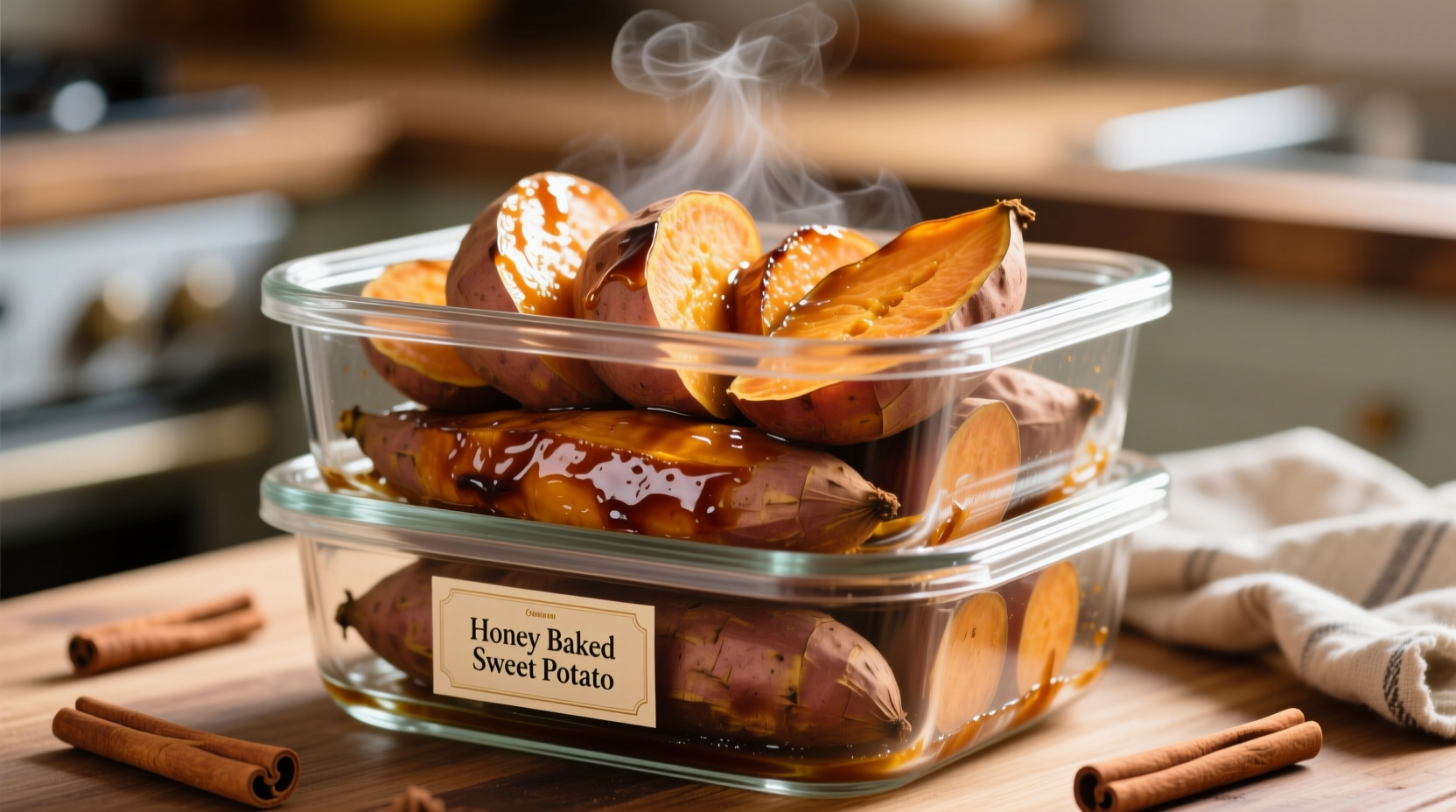
How Long Do Cooked Sweet Potatoes Last: Storage Comparison
| Storage Method | Temperature | Shelf Life | Quality Notes |
|---|---|---|---|
| Refrigerator (properly stored) | 40°F (4°C) or below | 3-5 days | Best texture and flavor retention |
| Refrigerator (improperly stored) | Above 40°F | 1-2 days | Rapid quality decline, higher spoilage risk |
| Freezer | 0°F (-18°C) | 10-12 months | Slight texture change after thawing |
| Room temperature | Above 90°F (32°C) | 2 hours max | High risk of bacterial growth |
Recognizing Spoilage: When to Toss Leftovers
Food safety experts recommend using both visual inspection and smell tests before consuming refrigerated sweet potatoes. Here's what to look for at different stages:
Day 1-2: Optimal Quality
Color remains vibrant orange, texture is firm but tender, and aroma is mildly sweet with no off-notes.
Day 3-4: Approaching Limit
Slight darkening may occur, texture becomes softer, and the natural sweetness diminishes. Still safe if no other spoilage signs appear.
Day 5+: Potential Spoilage
Watch for these warning signs that indicate unsafe food:
- Mold growth (fuzzy spots in white, green, or black)
- Sour or unpleasant odor (fresh sweet potatoes should smell earthy and sweet)
- Slippery or slimy texture
- Significant color change to brown or gray
- Unusual liquid separation
When in doubt, throw it out. The USDA emphasizes that harmful bacteria that cause foodborne illness often don't produce visible changes, so don't rely solely on appearance.
Safe Reheating Practices
Proper reheating can restore your cooked sweet potatoes to near-fresh quality while ensuring safety:
- Thawing: If frozen, thaw in the refrigerator overnight—never at room temperature
- Reheating temperature: Heat to an internal temperature of 165°F (74°C) to eliminate potential bacteria
- Methods: Oven (350°F for 20-25 minutes), microwave (stirring every 30 seconds), or stovetop (with small amount of liquid)
- Avoid: Reheating multiple times, as this degrades quality and increases safety risks
FoodSafety.gov notes that reheating in the oven preserves texture better than microwave methods, though microwaving is faster. Adding a splash of water or broth during reheating prevents drying out.
Freezing for Long-Term Storage
For extended storage beyond 5 days, freezing is your best option:
- Cool completely (follow 2-hour rule)
- Portion into freezer-safe bags or containers
- Remove as much air as possible to prevent freezer burn
- Label with date (use within 10-12 months for best quality)
- Thaw in refrigerator before reheating
Research from the National Center for Home Food Preservation shows that properly frozen sweet potatoes retain 90% of their nutritional value for up to 12 months, making freezing an excellent option for meal preppers and seasonal cooks.
Factors That Affect Shelf Life
Several variables influence how long your cooked sweet potatoes remain safe to eat:
- Initial cooking method: Roasted sweet potatoes last slightly longer than boiled due to lower moisture content
- Additives: Sweet potatoes mixed with dairy (like in casseroles) have a shorter shelf life (2-3 days)
- Cut size: Cubed sweet potatoes spoil faster than whole roasted ones due to increased surface area
- Refrigerator conditions: Frequent temperature fluctuations reduce shelf life
A 2023 study published in the Journal of Food Protection found that sweet potatoes stored in glass containers maintained quality 20% longer than those in plastic containers, likely due to better moisture control.
Food Safety First: Why Timing Matters
Following proper storage guidelines isn't just about quality—it's a critical food safety practice. The FDA Food Code identifies cooked vegetables as potentially hazardous foods that require strict temperature control. When left in the "danger zone" (40°F-140°F) for more than 2 hours, bacteria like Staphylococcus aureus and Bacillus cereus can multiply to dangerous levels.
According to CDC data, improper food storage contributes to approximately 20% of all foodborne illness cases in home kitchens. By adhering to the 3-5 day refrigerator guideline for cooked sweet potatoes, you significantly reduce your risk while minimizing food waste.
Practical Tips for Maximizing Sweet Potato Leftovers
Make the most of your cooked sweet potatoes with these professional kitchen-tested strategies:
- Transform leftovers into new dishes: sweet potato soup, hash, or pancakes
- Add acid (lemon juice or vinegar) when storing to help preserve color
- Store with a paper towel in the container to absorb excess moisture
- Label containers with both date cooked and "use by" date
- Consider portioning before cooking for easier storage of leftovers
Professional kitchens follow the "first in, first out" (FIFO) method—place newer containers behind older ones to ensure you use the oldest food first. Implementing this simple system at home can dramatically reduce food waste.
Frequently Asked Questions
More Articles
 Cardamom Pods vs Ground: Which to Use (2026)
 Simple Mushroom and Onion Recipe for Rich Gravy
 Cayenne vs Red Chili Pepper: Key Differences
 Chinese Garlic Green Beans: Crisp Stir-Fry Recipe Guide
 How to Cook Chicken Gravy: Simple Steps for Perfect Results
 Cinnamon Tree: Visual Guide & Tips (2026)
 Eggo Cinnamon Waffles: Complete Preparation Guide & Uses
 Allspice: One Berry, Every Flavor
 How to Cook in an Air Fryer: Step-by-Step Guide
 How to Organize Techniques: A Practical System for Home Cooks and Professional Chefs