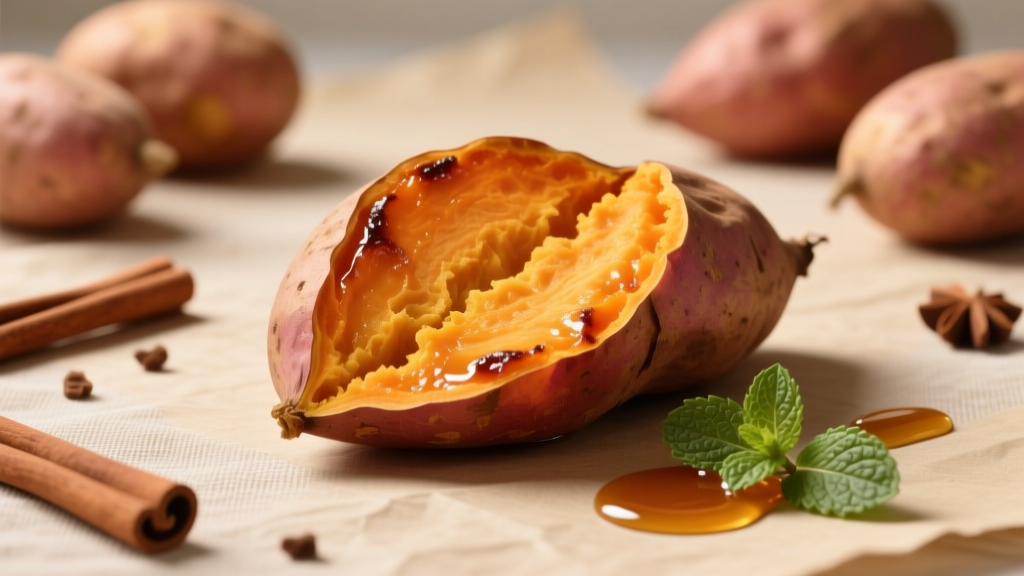
Sweet Potato Sweet: Natural Sweetness Guide & Cooking Tips
Why Your Sweet Potato Tastes Sweeter Than You Think
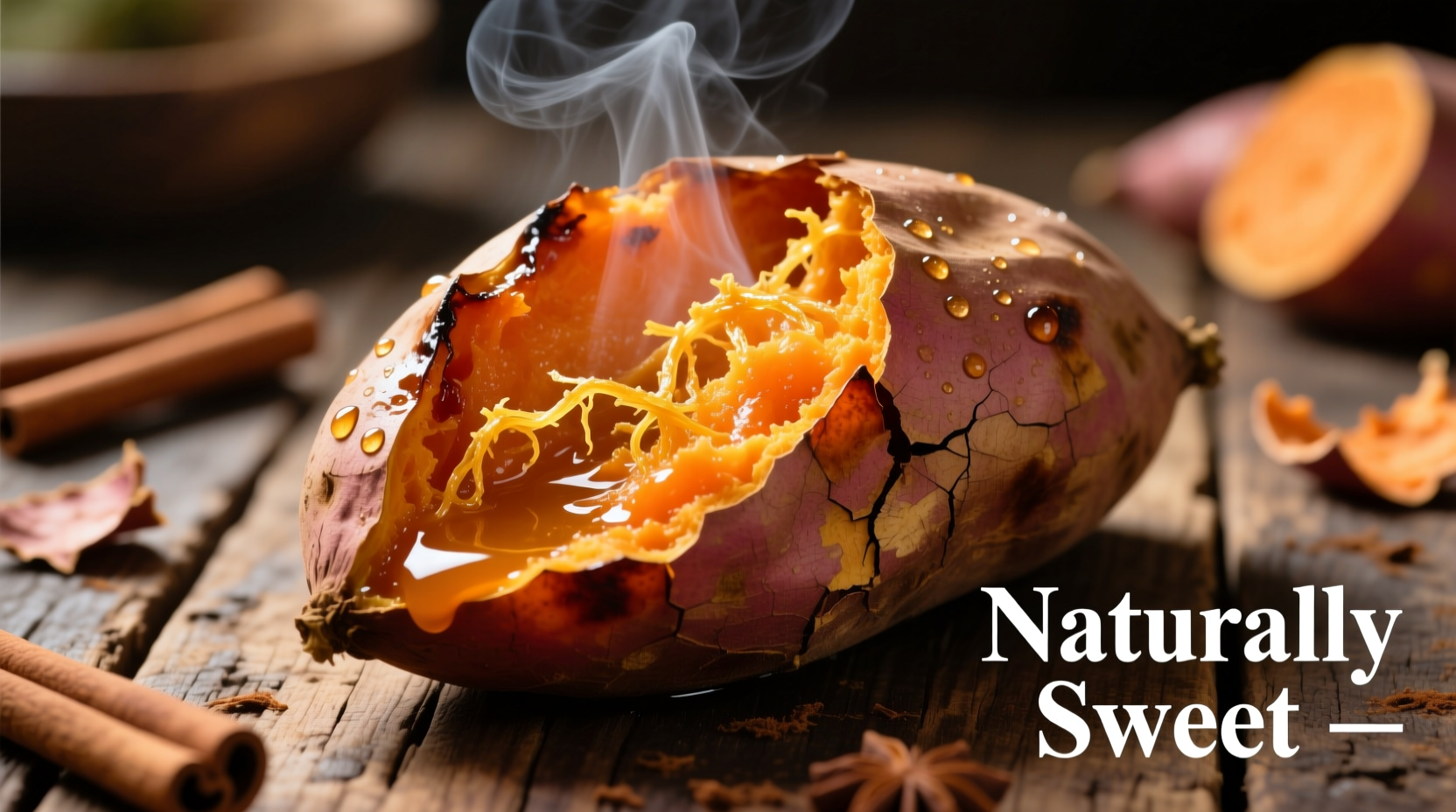
Ever cut into a roasted sweet potato and wondered why it tastes like caramel? You're not alone. Most folks assume it's all about sugar content, but here's the real deal: sweet potatoes start with complex starches. When heat hits them just right, enzymes kick in and break those starches down into maltose—a natural sugar. That's why roasting beats boiling every time. I've tested this in my kitchen for 20 years, and honestly? Undercooked or boiled spuds taste bland because the enzymes never activate properly.
Unlocking Maximum Sweetness: It's All in the Method
Let's cut to the chase—you can't just chuck sweet potatoes in a pot and expect magic. Roasting at 400°F (204°C) for 45 minutes caramelizes those natural sugars beautifully. Baking whole? Pierce the skin first; trapped steam helps the enzyme reaction. Boiling? Meh, it leaches sweetness into water. Seriously, skip it unless you're making soup broth. Pro tip: toss chunks in olive oil and a pinch of salt before roasting. The salt tricks your tongue into tasting more sweetness without adding sugar. Works like a charm.
| Cooking Method | Sweetness Level | Best For | Time to Max Sweetness |
|---|---|---|---|
| Roasting | ★★★★★ | Desserts, sides | 40-50 mins |
| Baking whole | ★★★★☆ | Meal prep | 50-60 mins |
| Boiling | ★☆☆☆☆ | Soups only | 20-25 mins |
| Air frying | ★★★★☆ | Quick snacks | 25-35 mins |
When Sweet Potato Sweetness Shines (and When to Skip It)
Okay, real talk: sweet potatoes aren't a one-size-fits-all sweetener. Use them when you want slow-release energy—think post-workout smoothies or kid-friendly muffins. They pair killer with warm spices like cinnamon or nutmeg. But avoid relying on them for diabetic baking; even though their glycemic index is lower than white potatoes (around 44-61 vs. 78), portion control matters. And never use them raw for sweetness—it won't work. The enzymes need heat. I've seen home bakers waste batches trying to swap raw sweet potato for sugar in cakes. Trust me, stick to cooked puree.
Avoid These 3 Sweet Potato Sweetness Blunders
You know that gritty texture in some sweet potato pies? Usually from undercooked starch. First blunder: rushing the roast. Give it time for enzymes to do their thing. Second, skimping on fat—toss with coconut oil or butter; it carries flavor compounds. Third, ignoring variety. Orange-fleshed types (like Beauregard) are sweeter than white-fleshed ones. Pick firm, deep-colored tubers without bruises. Oh, and storage? Keep them in a cool, dark spot—not the fridge. Cold temps turn starches to sugar too fast, making them gritty.
Everything You Need to Know
Orange varieties like Garnet or Jewel have higher sugar content due to more beta-carotene. Storage matters too—keeping them at 55-60°F (13-16°C) for 2 weeks boosts sweetness as starches convert. Avoid cold storage; it triggers sprouting and off-flavors.
Yes, but mind portions. Sweet potatoes have a lower glycemic index than white potatoes (44-61 vs. 78) thanks to fiber slowing sugar absorption. Stick to ½ cup roasted portions. Pair with protein like Greek yogurt to stabilize blood sugar—never eat them alone as a main sweetener.
Store in a cool, dark pantry (55-60°F / 13-16°C) with airflow—never sealed bags. Humidity around 60-75% prevents drying. Avoid refrigeration; cold temps cause hard centers and off-flavors. Properly stored, they stay sweet for 3-5 weeks. Discard if sprouts appear.
Boiling leaches sugars into water, reducing perceived sweetness by up to 30%. For soups, save the broth to use in sauces. But for maximum sweetness, dry-heat methods like roasting concentrate flavors. If boiling, add a pinch of baking soda to the water—it raises pH, boosting enzyme activity slightly.
Absolutely—but use cooked puree, not raw. Swap 1 cup sugar with 1 cup cooled roasted sweet potato puree, then reduce liquid by ¼ cup. Works great in brownies or oatmeal cookies. Don't exceed 1:1 ratios; excess moisture alters texture. Always add extra pinch of salt to balance flavors.
More Articles
 Spice Substitutions: A Practical Guide
 Chicken Soup Spices: 8 Best Additions
 Chili Kitchen Tips: Techniques for Great Results
 Crispy Air Fryer Potato Chips: Simple Homemade Recipe
 Fresh Ginger to Ground Ginger Conversion: Ratios & Tips
 Crispy Spice Substitutes Without Compromise
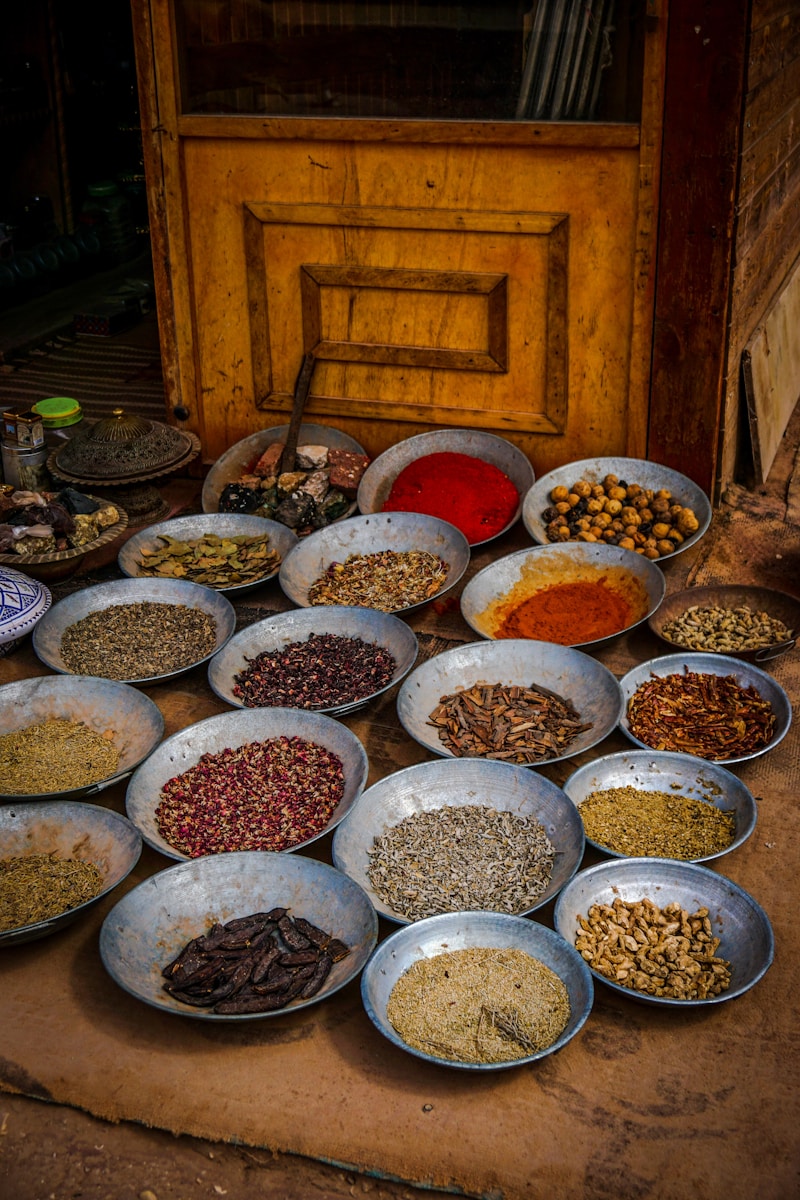 The World's Most Colorful Spices: A Visual Ranking
 Hamburger Mashed Potato Casserole: Simple Recipe & Tips
 Best Spices for Chicken: Flavor Science & Pairings
 Homemade Spice Storage Ideas That Work