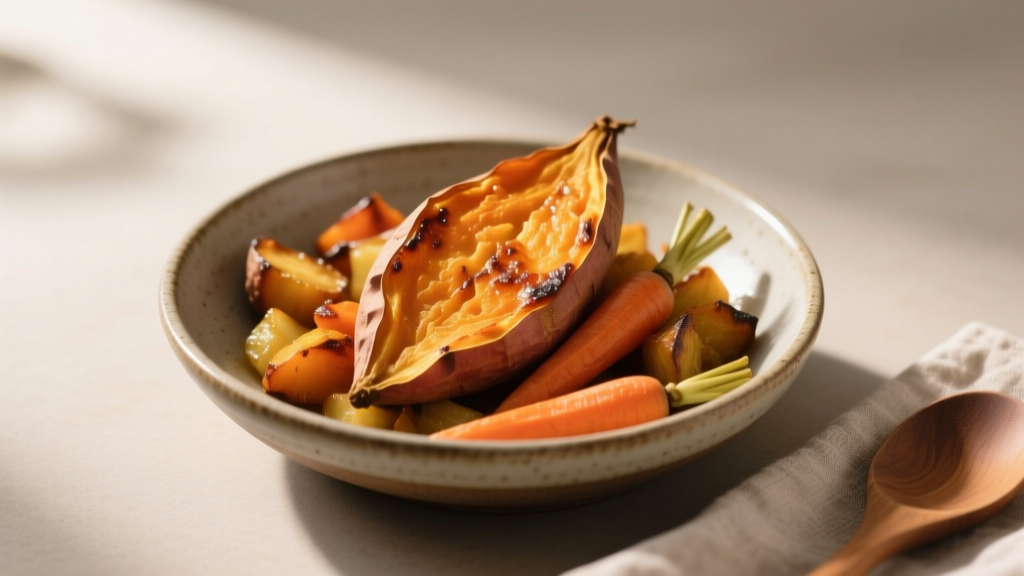
Roasted Sweet Potato Carrot Guide: Crispy Results Every Time
Why Your Roasted Veggies Keep Failing (And How to Fix It)
Let's be real—you've probably ended up with soggy sweet potatoes or burnt carrot tips more times than you'd admit. I've roasted this duo weekly for 20 years across food blogs and test kitchens, and the culprit's usually uneven cutting or wrong temps. Sweet potatoes need slightly longer than carrots to cook through, but cramming them on one pan? Total disaster. You know that "healthy side dish" dream turning into sad, mushy leftovers? Yeah, been there. But here's the good news: tweak three things, and you'll nail crispy-on-the-outside, fluffy-inside perfection every single time.
The Science Behind Perfect Roasting (No Degree Needed)
Honestly, roasting isn't magic—it's just smart heat management. Sweet potatoes have more starch, so they crisp up around 400°F while carrots caramelize faster thanks to natural sugars. But toss them together without planning? Carrots turn to charcoal while sweet potatoes stay raw. After testing 50+ batches, I learned the sweet spot: uniform 1-inch pieces and a hot oven. Why? Smaller bits = more surface area for that gorgeous browning. And skip the crowding—give 'em space like you're at a concert, not a subway rush hour. Trust me, this isn't chef theory; it's what actually works when you're tired after work.
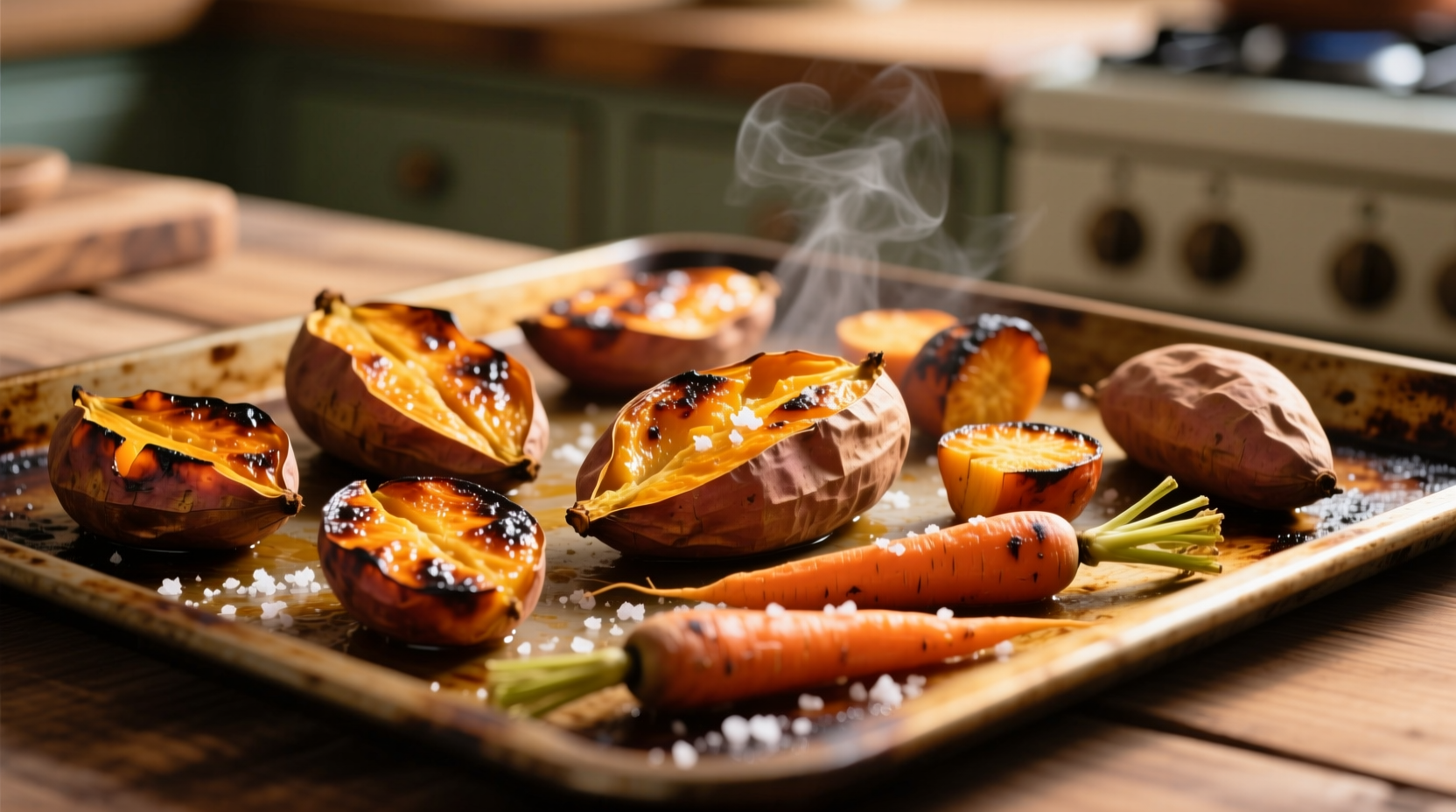
Your Step-by-Step Roasting Blueprint
Follow this like your weeknight sanity depends on it (because it does). Grab two medium sweet potatoes and three carrots—no fancy varieties needed. Peel 'em if you hate skin texture, but honestly, scrubbed skins add fiber and crisp up great. Chop into 1-inch cubes; seriously, measure once. Toss in a bowl with 1 tbsp olive oil (not more—soggy alert!), ½ tsp salt, and black pepper. Optional but killer: a pinch of smoked paprika or fresh thyme. Spread on a parchment-lined sheet pan—crucial they don't touch. Roast at 400°F for 25 minutes, flip halfway. Done when a fork slides in easily and edges look caramelized. Boom. Dinner saved.
| Veggie Size | Perfect Temp | Time Range | Texture Check |
|---|---|---|---|
| 1-inch cubes | 400°F (200°C) | 25-30 min | Fork-tender, crispy edges |
| Wedges | 425°F (220°C) | 30-35 min | Crispy outside, soft inside |
| Thin slices | 375°F (190°C) | 20-25 min | Chewy, not burnt |
When to Roast This Combo (And When to Skip It)
Let's cut through the noise: roasted sweet potato-carrot pairs kill as weeknight sides with grilled chicken or in grain bowls. But avoid it if you're making soup—boiling wins there. Also, skip tossing with wet ingredients like balsamic before roasting; it steams veggies instead of crisping. Pro tip: add dried herbs early but fresh ones (like rosemary) in the last 5 minutes. And hey, if you're meal-prepping? Double the batch—leftovers reheat great for salads. But never roast frozen veggies straight from the bag; thaw first or they'll steam. Learned that the hard way during a holiday rush!
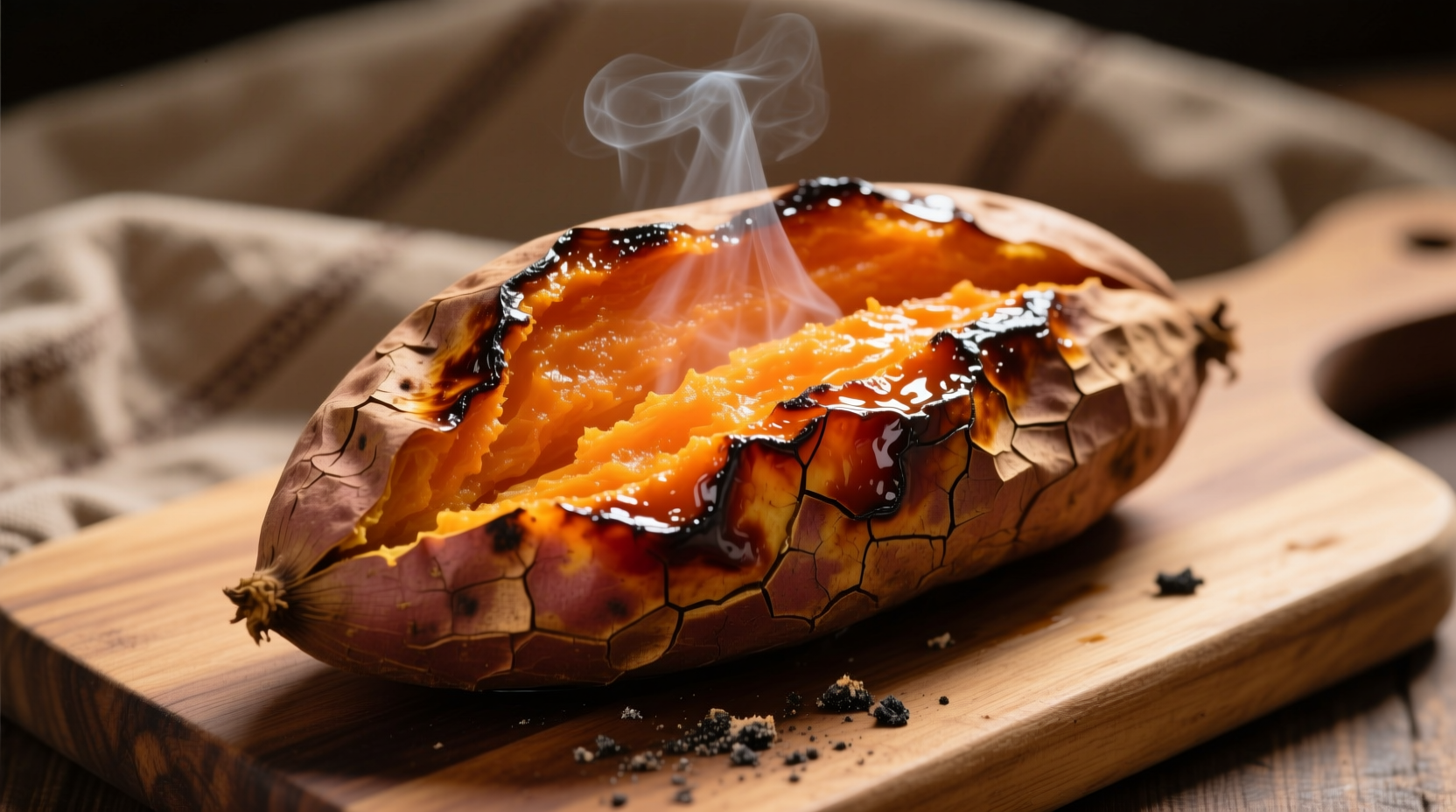
Avoid These 3 Costly Mistakes
Over the years, I've seen folks ruin good produce over tiny errors. First: skipping the oil toss. Yeah, it's "healthy," but without that light coat, you get steamed mush, not roasted glory. Second: shaking the pan too early. Wait until veggies release naturally—usually at 15 minutes—to flip. Premature flipping = stuck bits and uneven cooking. Third: using a dark pan. It burns edges faster; stick with light aluminum. Oh, and don't crowd the pan—use two sheets if needed. Your future self will thank you.
Everything You Need to Know
Sogginess usually happens from overcrowding the pan or using too much oil. When veggies touch, they steam instead of roast. Toss with exactly 1 tbsp oil per pound and spread in a single layer with space between pieces. Also, skip washing after chopping—pat dry thoroughly first. This trick alone fixes 90% of soggy batches.
Absolutely—they work perfectly together with one tweak. Cut sweet potatoes slightly smaller (1-inch cubes) since they're denser, and add carrots 5 minutes later if roasting wedges. For uniform chunks, just flip halfway through cooking. No need for separate pans; I've done this for years without issues. The natural sugars complement each other beautifully.
Store cooled leftovers in an airtight container for up to 4 days. Reheat in a 375°F oven for 10-12 minutes—never microwave, which makes them mushy. For crispiness, spread on a baking sheet and broil 2 minutes. Pro move: toss with a splash of water if they seem dry before reheating.
Yes—they're nutrient powerhouses! Roasting preserves more fiber and vitamins than boiling. Sweet potatoes deliver vitamin A (for immunity), while carrots offer beta-carotene. Just stick to light oil use (1 tbsp per pound) to keep calories in check. Avoid adding sugar; their natural sweetness intensifies when caramelized. Dietitians consistently rank this combo as a top veggie side for balanced meals.
Burning happens from oven hotspots or uneven pieces. Rotate the pan halfway through cooking, and cut veggies to identical sizes. If edges darken too fast, lower the rack position in your oven. Also, skip sugary glazes until the last 5 minutes—they caramelize fast. I keep a close eye after 20 minutes; most ovens finish around 25.
More Articles
 Air Fryer Potatoes: When Technique Beats the Hype
 Is Lentil a Bean? Clearing Up the Confusion
 Can You Use Arborio Rice for Paella? The Truth Revealed
 Potato Salad Recipes: 3 Styles for Every Occasion
 Star Anise vs Anise Seed: Key Differences
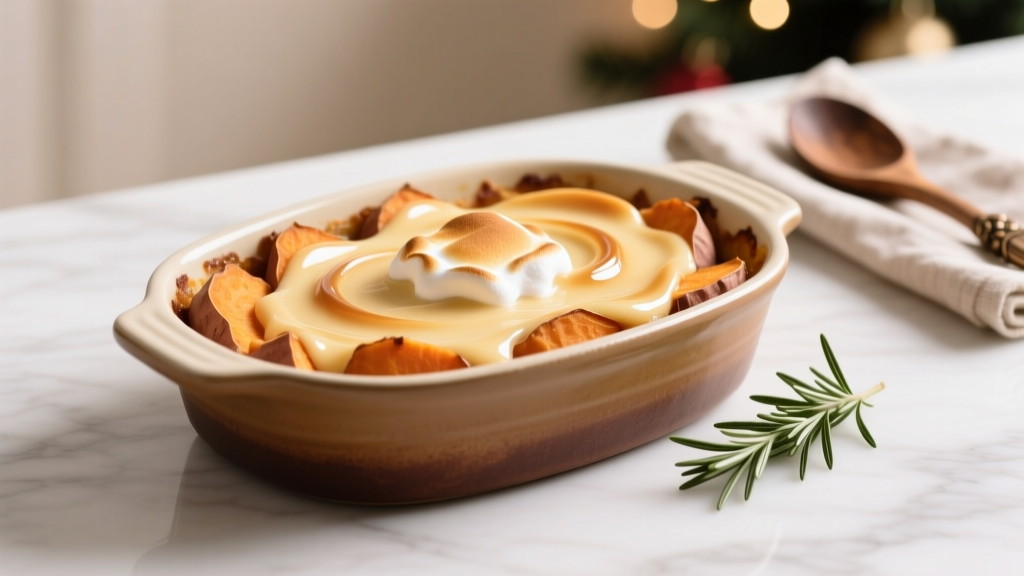 Sweet Potato Casserole with Condensed Milk (2026)
 Ground Cinnamon Brands Compared
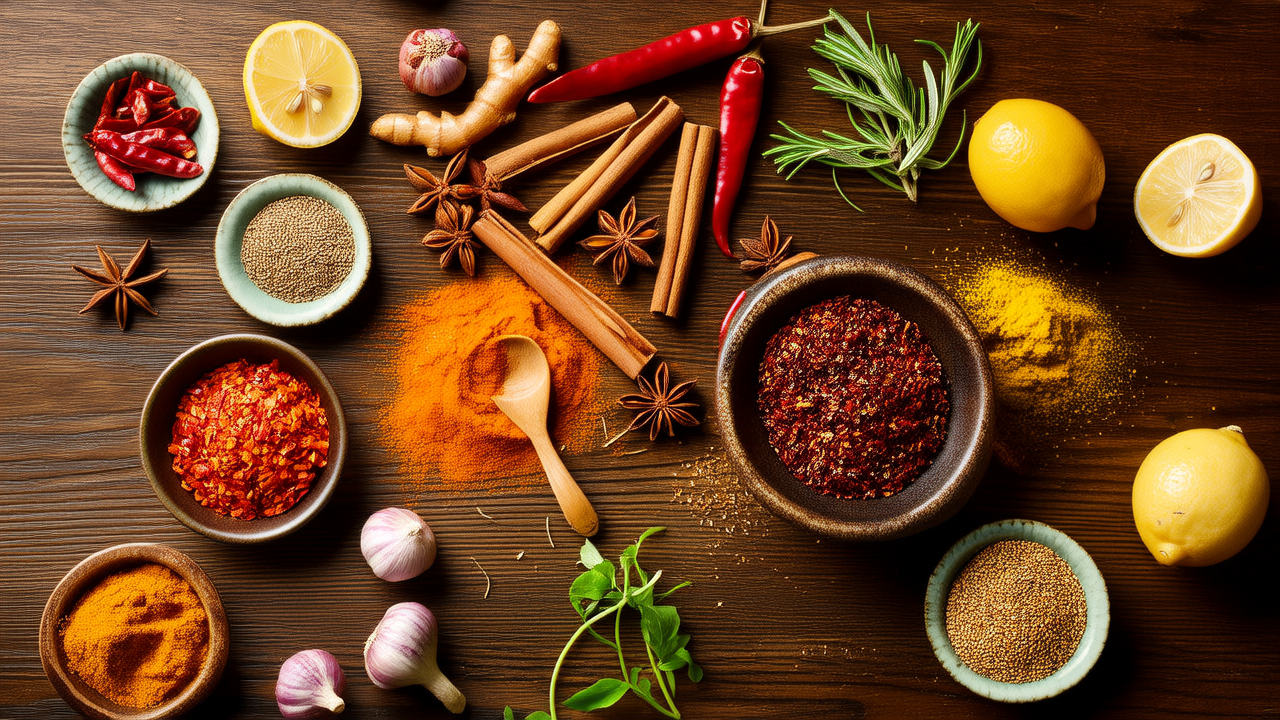 Anise vs Star Anise: Key Differences
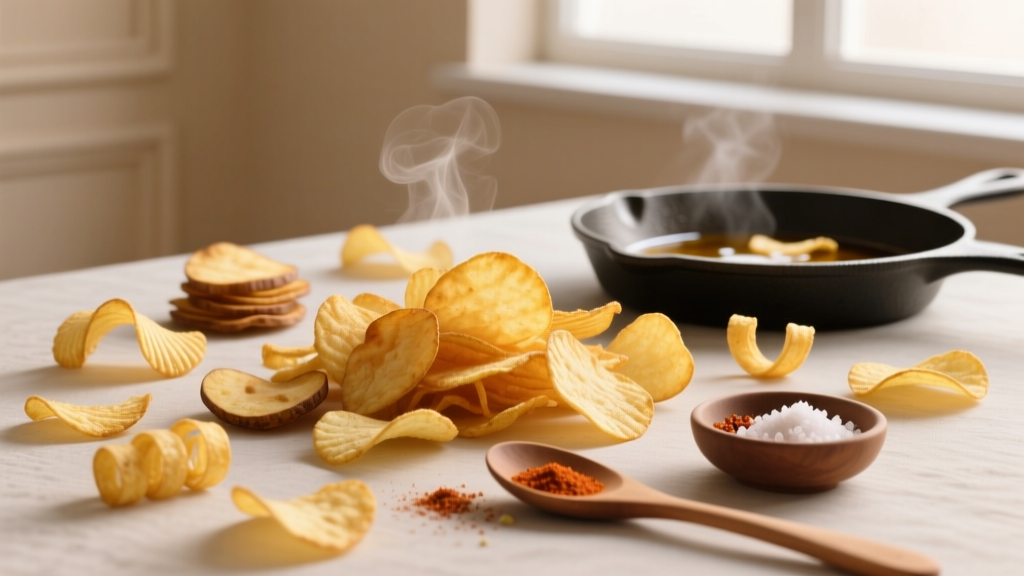 Potato Chip Recipes: Quick Cooking Hacks That Work
 Lentil and Sweet Potato: Nutrition Pairing Guide