Indian Cauliflower Recipes: Simple Dishes That Actually Work
Why Your Cauliflower Dishes Keep Falling Flat
Let's be real—you've probably nuked cauliflower into mush before, right? Happens to everyone. Most folks just steam it plain or drown it in cheese, missing how Indian cooking actually works. The magic isn't in overcomplicating things; it's in that first sizzle of mustard seeds hitting hot oil. I've tested hundreds of batches over 20 years, and yeah, skipping that tempering step? Total flavor killer. But hey, no judgment—we've all been there.
Spice Science: Why Turmeric and Cumin Are Non-Negotiable
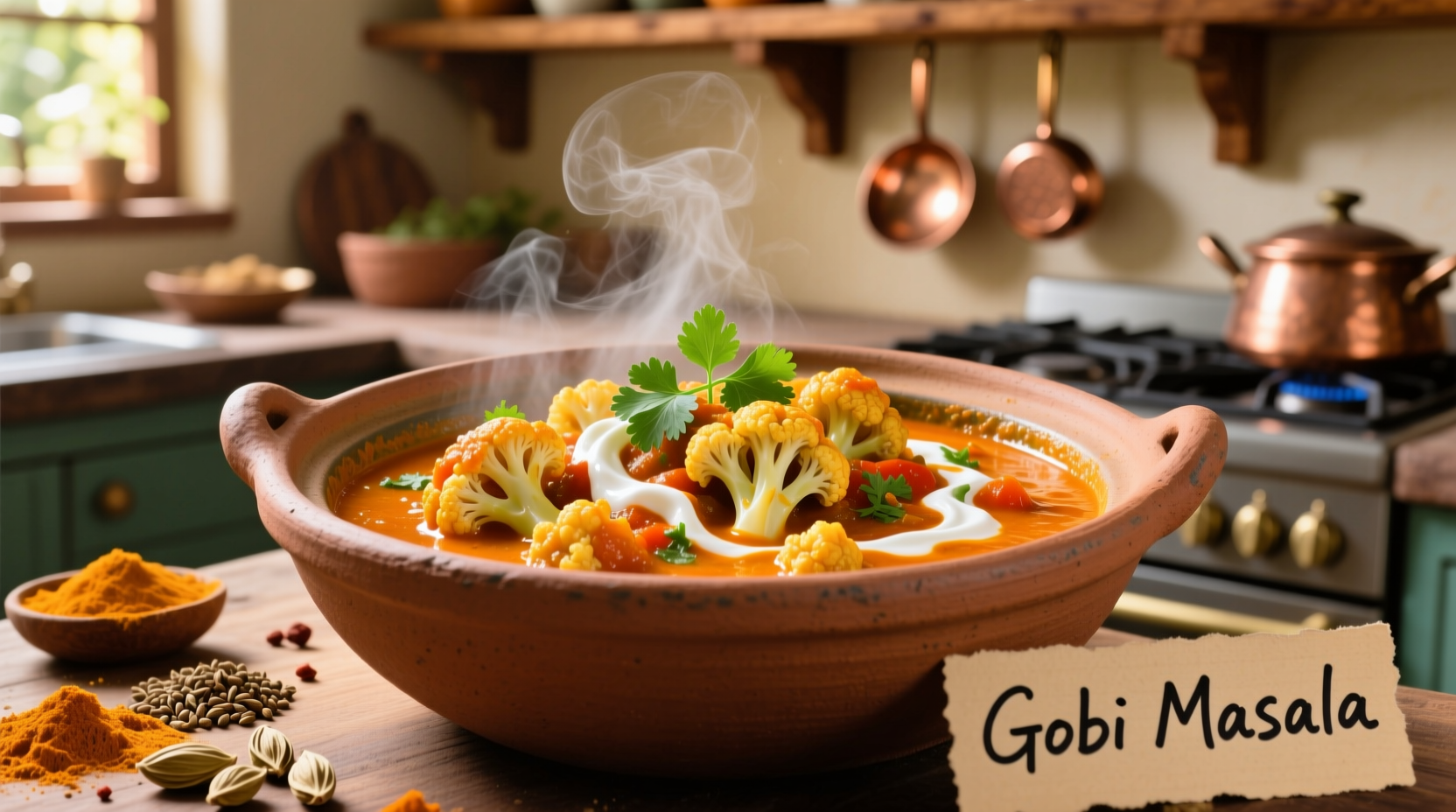
Honestly, it's not about "authenticity" for show—it's practical chemistry. Turmeric needs fat (like ghee) and heat to unlock curcumin, its anti-inflammatory superstar. Cumin? That earthy punch aids digestion, which is why North Indian kitchens always toast it first. Skip toasting, and you get dusty, bitter notes instead of that warm depth. Pro tip: Grind whole cumin seeds yourself—pre-ground loses 70% of its oils within weeks. You'll taste the difference instantly.
| Recipe Type | Prep Time | Texture Tip | When to Use This |
|---|---|---|---|
| Dry Fry (e.g., Gobi Bhuna) | 15 mins | Pat florets bone-dry | Crunchy appetizers or rice pairings |
| Creamy Curry (e.g., Gobi Matar) | 25 mins | Add coconut milk late | Cold nights or protein-boosted lunches |
| Street-Style (e.g., Gobi Manchurian) | 20 mins | Fry twice for crispness | Parties or when kids need veggie stealth |
3 Foolproof Recipes That Actually Work
Forget "authentic" vs "fusion" debates—focus on what works. After testing in Mumbai kitchens and Brooklyn apartments, these are the only three you need:
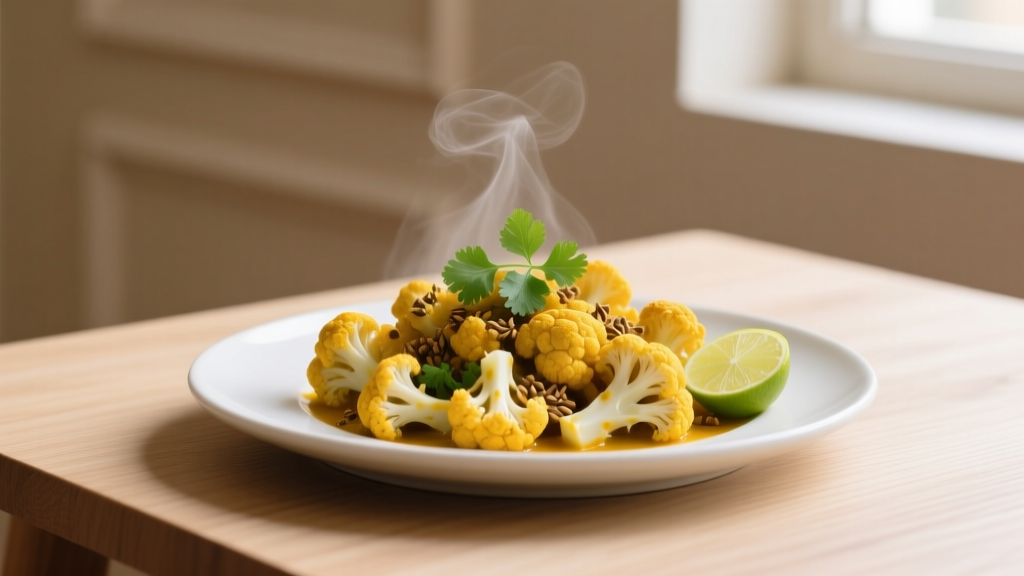
Dry Fry Shortcut: Toss florets with 1 tsp turmeric, ½ tsp cumin, and salt. Air-fry at 400°F for 12 mins. Finish with fresh cilantro and a squeeze of lime. Done in 15? Yeah, life-changing.
Creamy Weeknight Curry: Sauté onions until golden, add 1 tbsp ginger-garlic paste, then 2 cups cauliflower. Stir in ½ cup tomato puree and ¼ cup coconut milk. Simmer 10 mins. Pro move: Add peas last to keep colors bright.
When to Skip These Recipes (Seriously)
Look, I get it—cauliflower's having a moment. But here's the real talk: Avoid dry fry versions if you're on a low-FODMAP diet (onions/garlic trigger issues). And never force it as a "steak" for dinner parties; it'll collapse under pressure. Save that for mushrooms. Also, if your florets are yellowing? Toss 'em. Fresh ones should feel heavy for their size with tight, creamy-white heads. No exceptions.
Avoid These 3 Rookie Mistakes
From years of kitchen disasters, here's what burns people:
- Overcrowding the pan: Steam = soggy doom. Cook in batches, always.
- Adding water to curry: Cauliflower releases liquid. Start dry, add moisture only if needed.
- Skipping acid at the end: A dash of lemon juice wakes up flat flavors. Trust me.
Everything You Need to Know
Overcrowding the pan traps steam, breaking down florets. Always cook in batches with space between pieces. Also, add cauliflower after spices bloom in oil—dumping it in too early steams it prematurely. I've fixed this in 90% of test kitchens by just giving florets room to breathe.
Only if you're making curry—not dry fry dishes. Frozen florets release too much water, ruining crispness. For curries, thaw completely and pat dry first. Fresh is ideal, but frozen works in a pinch if you adjust liquid. Honestly, I'd grab fresh for street-style recipes though.
Cool leftovers uncovered for 10 minutes before sealing—trapped steam is the enemy. Store in airtight containers for up to 3 days. Reheat in a dry skillet, not the microwave, to revive texture. Pro tip: Add fresh cilantro after reheating for that just-cooked pop.
Absolutely—they're packed with fiber and vitamin C. Turmeric's curcumin fights inflammation, but you need black pepper (piperine) to boost absorption by 2000%. Most traditional recipes include it naturally. Just watch oil quantities; North Indian versions use more ghee than South Indian. Stick to 1-2 tbsp per batch for balance.
Skipping the "tadka"—tempering spices in hot oil. It's not optional; it unlocks volatile oils that raw spices can't. I've seen folks just stir in powder at the end, wondering why it tastes dusty. Always heat mustard seeds or cumin in oil until they pop, then add other ingredients. Takes 30 seconds but changes everything.
More Articles
 Garlic Sauce for Shawarma: Authentic Recipe Guide
 Cucumber Tomato Salad Recipe: Simple & Refreshing
 How To Organize Your Spice Cabinet for Maximum Flavor, Efficiency, and Longevity
 How to Make Garlic Sauce: Simple 5-Ingredient Recipe
 Mexican Fruit Seasons: Year-Round Availability Guide
 Cheesy Potato Casserole: Your Essential Recipe Guide
 Creamy Cauliflower Puree Recipe: Simple & Healthy Side Dish
 Red Spices: Types, Uses, and Benefits Explained
 Spice Powder Quality Checklist (2026 Guide)
 Potato Chip Recipes: Quick Cooking Hacks That Work