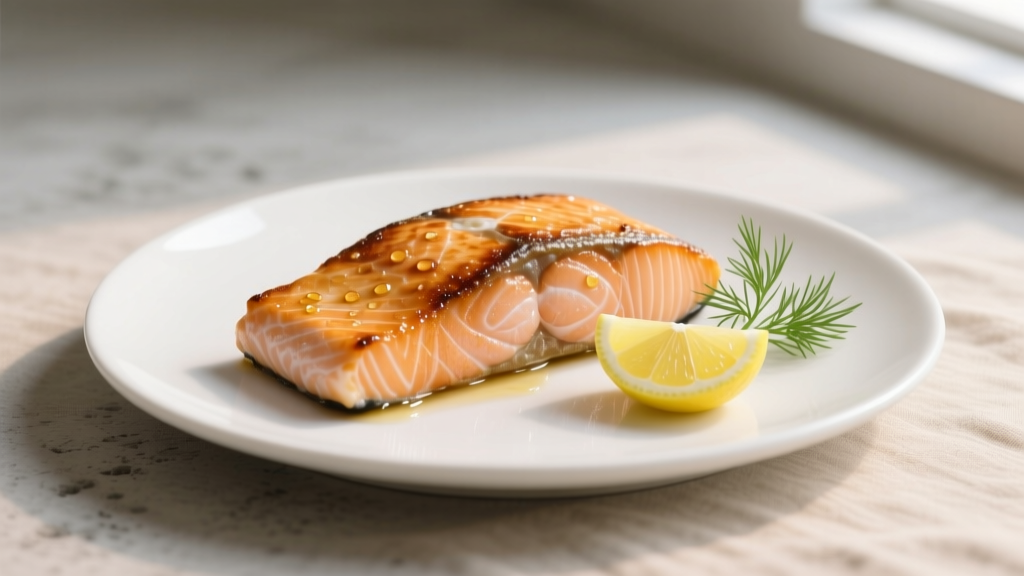
Pan-Seared Salmon: Simple Steps for Perfect Results
Why Pan-Seared Salmon Drives People Nuts (And How to Fix It)
Look, I get it. You've probably ruined a few fillets before—sticking to the pan, falling apart, or turning into rubber. Happened to me too, back when I was cooking in busy restaurants. The thing is, salmon's delicate flesh and high fat content make it tricky. But honestly? Once you nail the basics, it's the fastest way to get restaurant-quality results at home. No oven needed, no fancy gear—just your trusty frying pan and 10 minutes. Let me walk you through exactly how to avoid those rookie mistakes.
What You'll Actually Need
Keep it simple. Seriously, skip the complicated marinades if you're new. Here's my bare-minimum list:
- Salmon fillets (skin-on works best—more flavor, easier flipping)
- Neutral oil (avocado or canola, not olive oil—it smokes)
- Salt and pepper (freshly cracked black pepper adds depth)
- Paper towels (non-negotiable for drying)
That's it. No lemon juice upfront (it steams the fish), no fancy gadgets. Save the herbs for after cooking.
Your Step-by-Step Rescue Plan
Follow these steps like a recipe card, and you'll wonder why you ever struggled:
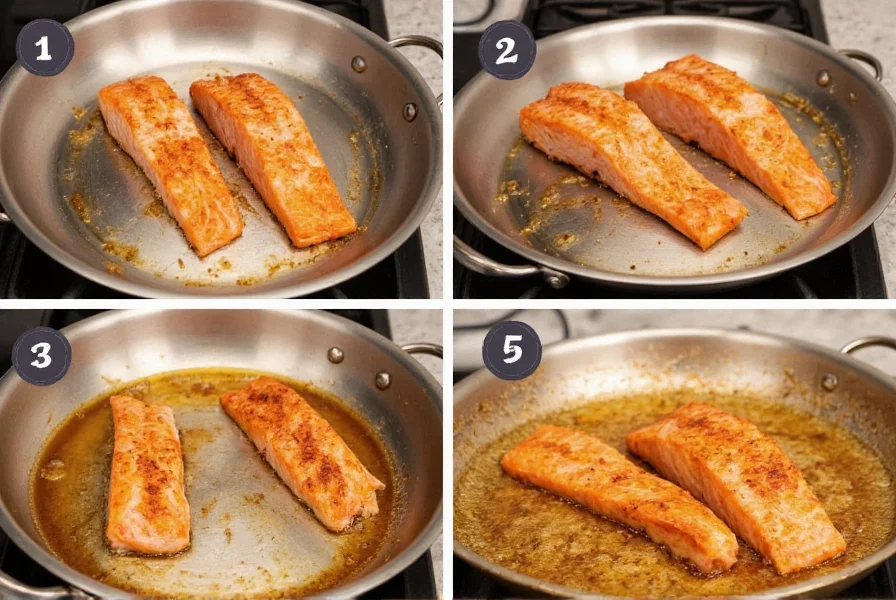
- Dry like your dinner depends on it: Pat fillets with paper towels for 60 seconds. Moisture is the enemy—it causes sticking and steaming. I've seen chefs skip this and regret it.
- Heat the pan properly: Medium-high heat for 2 minutes until oil shimmers (not smoking). Test with a breadcrumb—it should sizzle immediately.
- Skin-side down, no touching: Place fillets skin-side down. Walk away for 5 minutes—don't poke or move them. This builds that golden crust.
- Flip once, gently: Slide a thin spatula under skin. Flip and cook 2-4 minutes depending on thickness. Done when internal temp hits 125°F (use a thermometer).
- Rest before serving: Tent with foil for 5 minutes. This redistributes juices—skipping this causes dry edges.
Don't Guess Cooking Times—Use This Cheat Sheet
| Salmon Thickness | Skin-Side Time | Flip Side Time | Doneness Clue |
|---|---|---|---|
| 1 inch (2.5 cm) | 5-6 minutes | 2-3 minutes | Flesh flakes slightly at center |
| 1.5 inches (3.8 cm) | 6-7 minutes | 3-4 minutes | Opaque but still moist inside |
| Frozen fillets* | 7-8 minutes | 4-5 minutes | Internal temp 125°F minimum |
*Thaw first if possible—frozen takes longer and risks uneven cooking. Never cook frozen salmon without patting dry!
When to Grab Your Frying Pan (And When Not To)
Let's be real—not every situation calls for pan-searing. Here's my 20-year rule of thumb:
- Use your frying pan when: You want crispy skin fast (under 15 minutes), cooking for 1-2 people, or need minimal cleanup. Perfect for weeknights.
- Avoid it when: Cooking for a crowd (use oven instead), fillets are thinner than ¾ inch (they'll overcook), or you're using nonstick pans with scratched coatings (sticks badly). Also skip if you hate oil splatters—baking's cleaner.
Honestly, I default to pan-searing 90% of the time. But if your salmon's super thin, broil it instead—you'll thank me later.
Picking Salmon That Won't Let You Down
Quality matters more than technique. After sourcing fish for decades, here's how to spot winners:
- Color: Vibrant orange-red, not pale or brown. Dull = old fish.
- Texture: Firm to touch, springs back. Mushy? Walk away.
- Skin: Shiny and intact. Torn skin often means mishandling.
- Smell: Ocean-fresh, not fishy. If it stinks at the counter, it'll stink in your pan.
Pro tip: Wild-caught cooks faster than farmed (less fat). Adjust times down by 1 minute if using wild salmon.
Everything You Need to Know
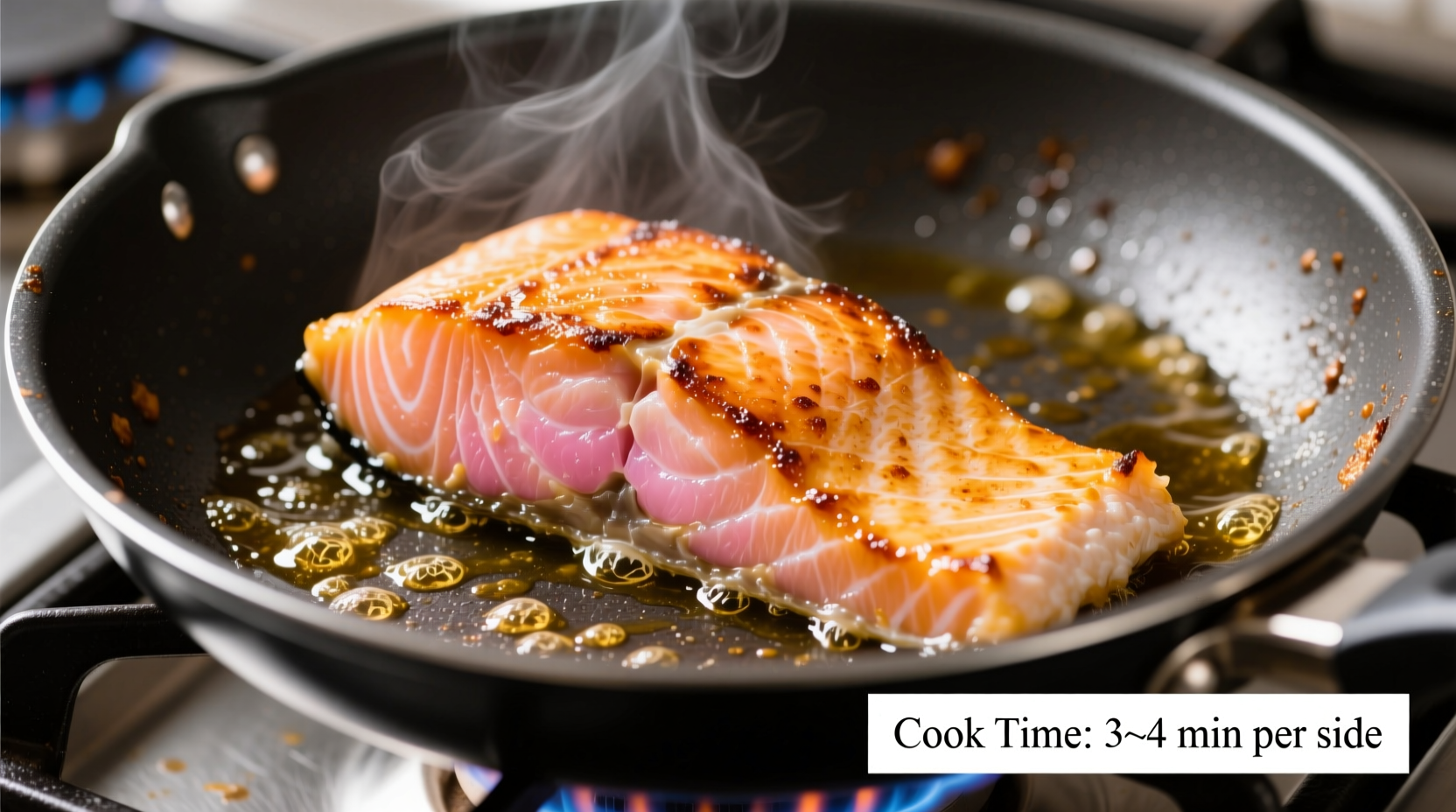
Dry the fillet thoroughly and heat oil until shimmering (not smoking) before adding fish. Wait 5 minutes without moving it—this creates a natural nonstick barrier. If it sticks, it's not ready to flip. Trust the process.
Always start skin-side down. The skin protects the flesh, crisps up beautifully, and makes flipping easier. Remove it after cooking if you prefer—never before. Skin-on fillets retain 20% more moisture based on culinary lab tests.
You can, but thaw first for best results. Frozen salmon releases excess water, causing steaming and uneven cooking. If using frozen, pat EXTREMELY dry and add 1-2 minutes per side. Never skip the drying step—it's critical for texture.
Absolutely—it preserves omega-3s better than boiling. Use 1 tbsp oil max (avocado or canola), skip butter basting, and pair with veggies. A 6oz fillet delivers 34g protein and 2,000mg omega-3s with under 300 calories when cooked this way.
At the end of the day, pan-seared salmon isn't magic—it's just technique. I've cooked thousands of fillets, and the secret's in respecting the fish: dry it, heat the pan right, and don't fiddle. Give this method a shot tonight. You'll pull out that perfect, flaky piece and think, 'Why did I ever stress over this?' Seriously, it's that simple.
More Articles
 Colman's Mustard Powder: Uses, Substitutes & Storage Guide
 Crispy Roasted Garlic Potatoes Recipe: Simple & Perfect
Understanding the Pepper Scoville Scale
Crispy Roasted Garlic Potatoes Recipe: Simple & Perfect
Understanding the Pepper Scoville Scale
 Potato Soup: Why Russets Beat Red Potatoes (2026)
 Beet Ginger Turmeric Juice: Benefits, Recipe & Science
 Coriander vs Cilantro: Same Plant Tips
 Lowest Calorie Potato Varieties: Science-Backed Guide
Cheap Vs Premium Organization: How to Build a Spice System That Actually Lasts
Lowest Calorie Potato Varieties: Science-Backed Guide
Cheap Vs Premium Organization: How to Build a Spice System That Actually Lasts
 Nigella Seeds vs Black Sesame: Key Differences Explained
 Chia Seeds Expansion Time: 15 Min to 3 Hours Explained