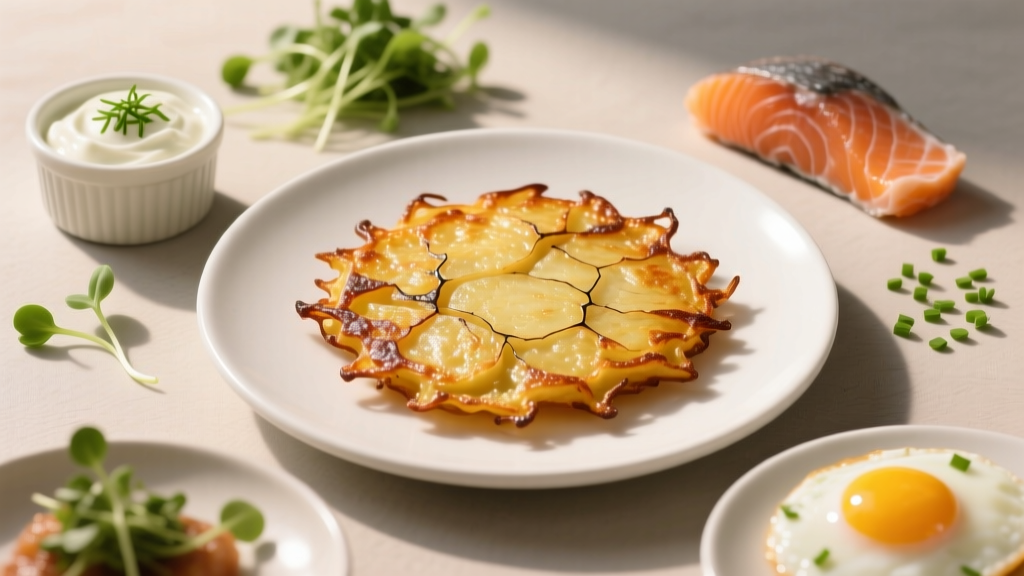
Best Dishes to Serve with Potato Rosti: Complete Guide
Discover the culinary versatility of potato rosti beyond its Swiss origins. This humble potato pancake has evolved from Alpine peasant food to a gourmet staple featured in Michelin-starred restaurants worldwide. Understanding how to pair rosti with complementary proteins, vegetables, and sauces transforms it from a simple side into the centerpiece of memorable meals.
Traditional Swiss Pairings That Stand the Test of Time
Originating in the canton of Graubünden, Switzerland, rosti was traditionally served as a complete meal with simple accompaniments. The classic Swiss combination features rosti topped with melted cheese (often Appenzeller or Gruyère) and served alongside apple compote. This pairing balances the savory potato with sweet fruit notes, creating a harmonious flavor profile that has sustained popularity for over 200 years.
| Traditional Swiss Rosti Meal | Modern Interpretation | Key Flavor Balance |
|---|---|---|
| Rosti with melted cheese and apple compote | Rosti with raclette cheese and caramelized pear | Savory-sweet balance |
| Rosti topped with fried egg | Rosti Benedict with hollandaise | Richness and texture contrast |
| Rosti served with cold cuts | Rosti with prosciutto and arugula salad | Salty-fresh contrast |
Breakfast and Brunch Transformations
Modern chefs have elevated rosti from its traditional Swiss breakfast role to brunch centerpiece status. The key to successful breakfast applications lies in texture contrast—the crispy exterior of properly cooked rosti provides the perfect counterpoint to soft ingredients. Top your rosti with:
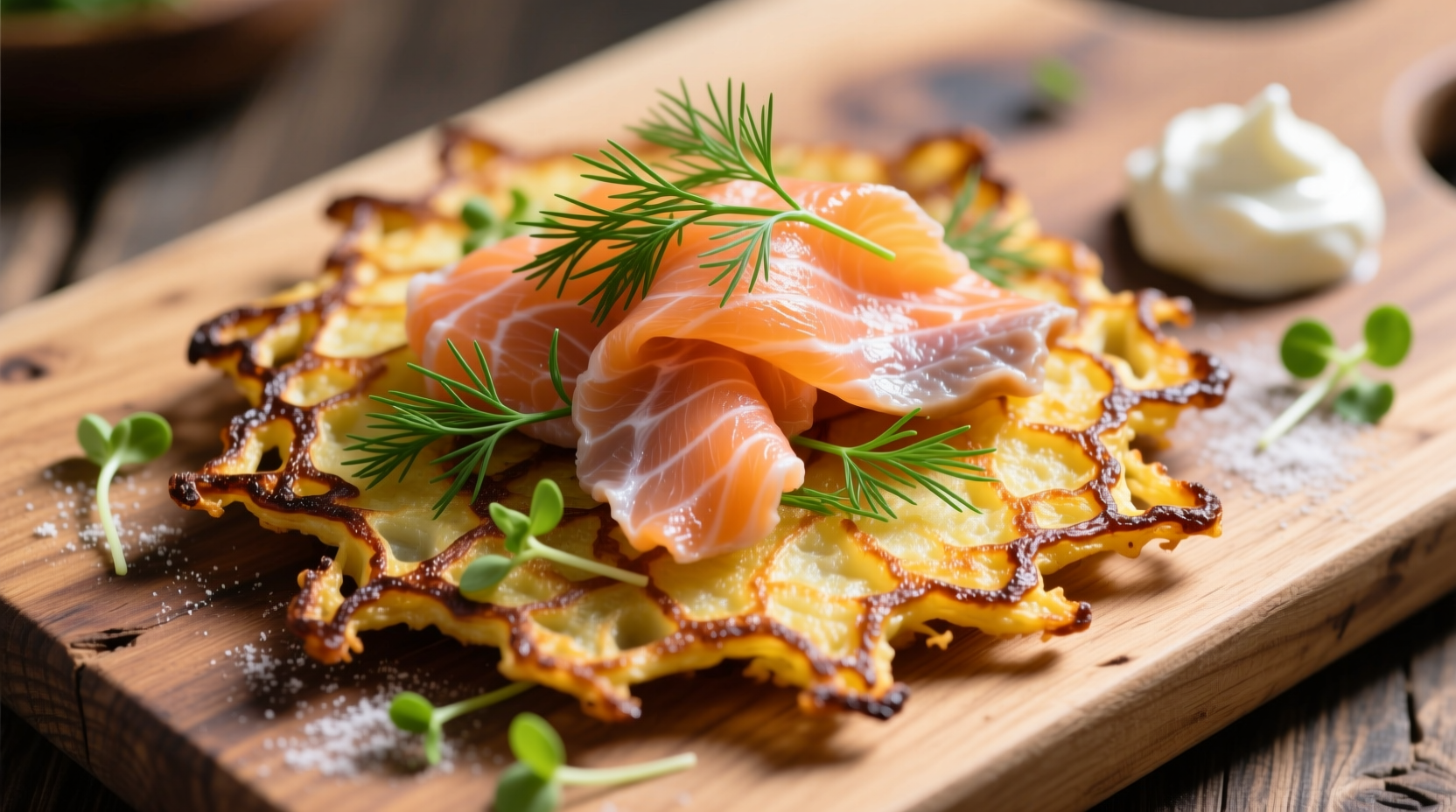
- Smoked salmon and dill crème fraîche (a classic combination that balances richness with acidity)
- Two perfectly poached eggs with hollandaise sauce (creating a luxurious breakfast experience)
- Sauteed spinach and feta cheese (offering a vegetarian option with Mediterranean flavors)
- Avocado slices and cherry tomatoes (providing fresh, vibrant notes against the hearty potato base)
Professional chefs recommend pressing the rosti firmly when forming patties to ensure structural integrity when topped with heavier ingredients. The ideal thickness for breakfast applications is approximately 1.5 centimeters—thick enough to support toppings without becoming soggy.
Dinner-Worthy Main Course Combinations
When serving rosti as part of dinner, consider it both as a flavorful base and textural element. The potato pancake's neutral flavor profile makes it exceptionally versatile with proteins. For optimal results:
- Pair with roasted meats like beef tenderloin or duck breast (the crispy potato complements rich meats beautifully)
- Combine with pan-seared fish such as salmon or trout (the earthy potato balances the fish's oiliness)
- Create vegetarian entrees with wild mushroom ragout or caramelized onion compote
- Use as a base for steak frites reinterpretations with premium cuts and artisanal sauces
According to culinary research from the Swiss Federal Institute of Technology, the Maillard reaction during rosti preparation creates over 30 distinct flavor compounds that enhance its pairing potential with various proteins. This scientific insight explains why properly cooked rosti (golden brown with crispy edges) creates such satisfying meal combinations.
Contextual Serving Guidelines
Understanding when to serve rosti as a base versus a side dish significantly impacts meal success. Consider these contextual boundaries:
- As a base: When featuring saucy toppings or delicate proteins that benefit from structural support (ideal thickness: 1.5-2cm)
- As a side: When accompanying substantial main proteins where texture contrast is the goal (ideal thickness: 0.5-1cm)
- Avoid: Serving with overly wet ingredients that compromise crispness, or with competing starches that create textural monotony
The evolution of rosti from Swiss farmhouse breakfast to international culinary staple demonstrates its remarkable adaptability. Originally created as a practical way to use leftover boiled potatoes, modern interpretations now feature variations with sweet potatoes, parsnips, or even cauliflower for dietary adaptations while maintaining the essential crispy texture that defines authentic rosti.
Common Preparation Mistakes to Avoid
Even experienced home cooks encounter challenges with rosti preparation. The most frequent issues include:
- Insufficient potato drying (leads to soggy, oil-absorbing rosti)
- Incorrect oil temperature (below 350°F creates greasy results)
- Overcrowding the pan (prevents proper crisping)
- Flipping too early (causes structural failure)
For optimal results, use starchy potatoes like Russets, squeeze out excess moisture thoroughly, and maintain consistent oil temperature throughout cooking. The perfect rosti should achieve deep golden color on both sides with a crisp exterior and tender interior.
Modern Culinary Interpretations
Contemporary chefs continue to innovate with rosti, creating fusion dishes that honor tradition while exploring new flavor territories. Notable modern interpretations include:
- Asian-inspired rosti with ginger, scallions, and soy-vinegar dipping sauce
- Mexican-style rosti topped with black beans, avocado, and chipotle crema
- Mediterranean rosti with roasted red peppers and feta cheese
- Dessert rosti variations with sweet potato and cinnamon for autumn menus
These creative adaptations demonstrate rosti's remarkable versatility while maintaining its essential character—a testament to why this simple potato preparation has endured and evolved across culinary traditions worldwide.
More Articles
 Green vs Black Cardamom: Key Differences
 Air Fryer Frozen Cauliflower: Skip Thawing for Crisp Results
 Ham Cooking Temperature Guide: Safe Internal Temps Explained
 Juniper Berries: The Gin Spice in Your Kitchen
 Kalonji Seeds in Telugu: 7 Spicy Secrets (2026)
 Chili Selection Guide: Heat and Varietal Tips
 Teaspoons in a Tablespoon: Spice Conversion Chart
 Homemade Garlic Butter Spread: Simple Recipe & Tips
 Match Spices to Cooking Methods for Best Flavor
 DC Sweet Potato Cake: Recipe & Regional Insights