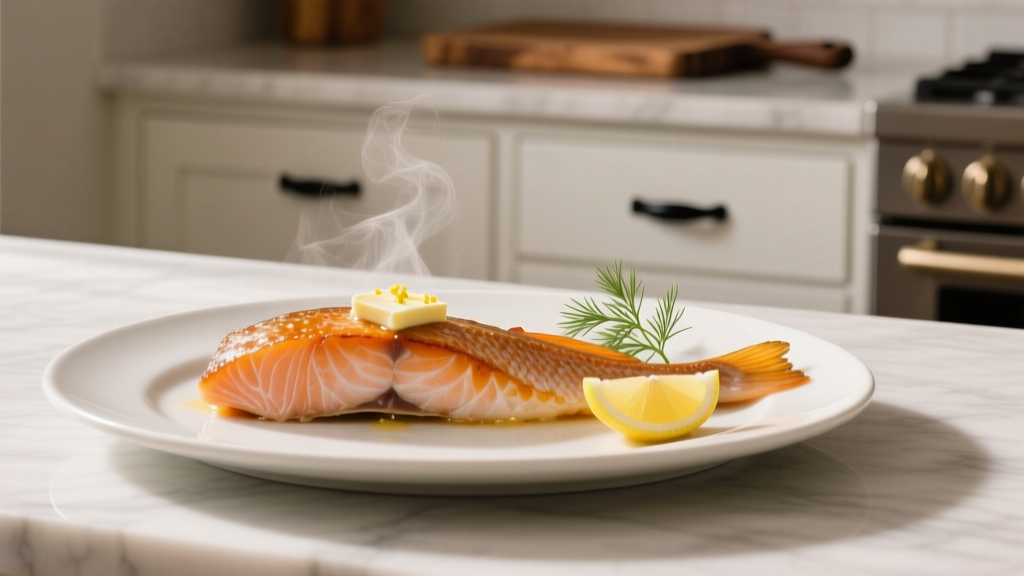
How to Cook Orange Roughy Without Overcooking It
Why Orange Roughy Gives Home Cooks Fits (And How to Fix It)
Okay, real talk? I've seen so many folks wreck this fish. You buy it thinking "easy dinner," then—bam—it's either rubbery or falling apart. Why? Orange roughy's super delicate flesh dries out faster than your phone battery on 1%. But here's the good news: nail the timing, and you've got tender, buttery perfection. Been cooking this since the 90s, and honestly, it's foolproof if you respect its quirks. Let's skip the stress.
Picking Fresh Fish: Don't Get Stuck With Rubbery Regret
First off, grab the right fillet. You know that sad, grayish fish that smells "off"? Avoid it like expired yogurt. Fresh orange roughy should look pinkish-orange (not pale or yellow), feel firm but springy, and smell clean—like the ocean, not a trash can. If it's mushy or slimy? Hard pass. Pro tip: Buy frozen fillets if fresh isn't available—they thaw fast and often taste better. Just defrost overnight in the fridge, never at room temp. Trust me, this step saves your dinner.
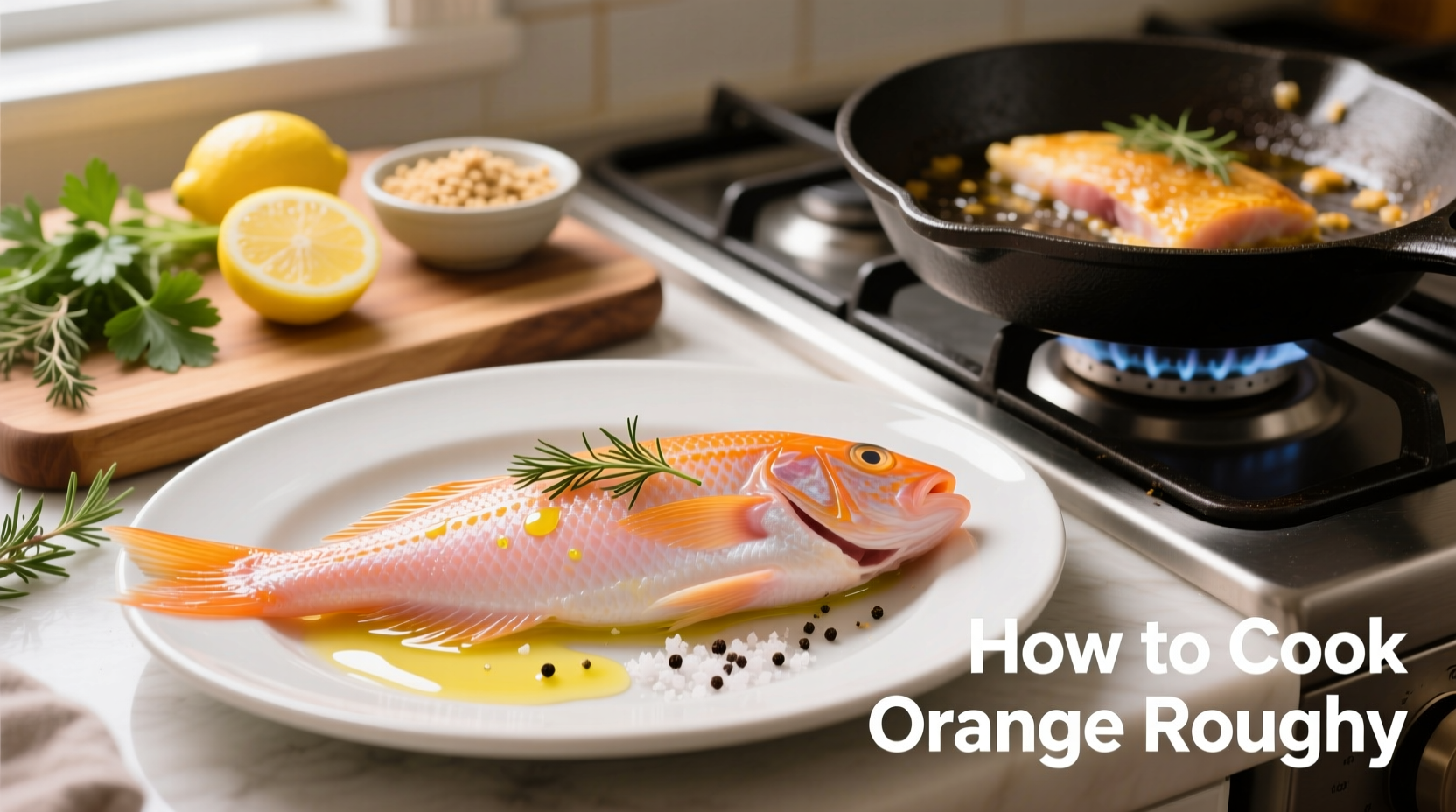
Simple Pan-Searing: Your Foolproof Weeknight Move
Look, pan-searing is my go-to—it takes 10 minutes flat. Here's how I do it without messing up:
- Dry it well: Pat fillets with paper towels. Wet fish = steamed fish = soggy disaster. No shortcuts here.
- Season light: A pinch of salt, pepper, and maybe garlic powder. Heavy spices overpower it. Seriously, keep it simple.
- Medium heat only: Crank the heat, and you'll char the outside while the inside stays cold. Heat oil (avocado or canola—high smoke point!) in a skillet.
- Cook 3-4 minutes per side: Flip once. It's done when opaque but still slightly translucent in the middle. Residual heat finishes it off. Don't poke it—let it be!
- Squeeze lemon right after plating. Adds brightness without masking the mild flavor.
Oh, and never cover the pan. Trapped steam makes it soggy. I learned that the hard way after ruining dinner for my in-laws. Awkward.
| Cooking Method | Time & Temp | Best For | Watch Out For |
|---|---|---|---|
| Pan-searing | 3-4 min/side, medium heat | Quick dinners; crispy edges | Overcrowding pan = steaming |
| Baking | 10-12 min at 400°F | Hands-off cooking; groups | Dries out if over 12 min |
| Steaming | 6-8 min, high heat | Delicate sauces; healthy prep | Falls apart if touched |
When to Use (Or Ditch) Each Method
Here's the real-deal breakdown based on what actually works:
- Pan-sear when: You want dinner NOW or crave that golden crust. Perfect for solo meals or impressing dates—looks fancy, takes zero effort. But skip it if your skillet's not hot enough; cold oil = stuck fish.
- Bake when: Cooking for a crowd or multitasking. Wrap fillets in parchment with lemon slices ("en papillote" style)—keeps it moist. Avoid if you tend to forget timers; one minute too long = cardboard texture.
- Never grill or broil: High heat shreds the flesh. Seen people try this—total train wreck. Also, skip soups or stews; it disintegrates. Save it for simple, fast methods only.
3 Mistakes That Ruin Orange Roughy Every Time
After 20 years, I can spot these a mile away:
- Over-marinating: Acidic stuff (lemon juice, vinegar) “cooks” the fish fast. Marinate >15 min, and it turns mushy. Just season right before cooking.
- Overcrowding the pan: Squeezing too many fillets in drops the temp. Result? Steamed, not seared. Cook in batches—patience pays off.
- Testing doneness with a fork: Flaking it early = shredded fish. Peek at the thickest part; if opaque, it's done. Trust the clock, not the fork.
Oh, and don’t serve it lukewarm. This fish tastes best piping hot. Room temp = sad city.
Everything You Need to Know
Check the thickest part—it should turn opaque white but still look slightly moist inside. That translucent hint means residual heat will finish it. Overcooked fish flakes too easily and looks dry. Seriously, set a timer for 3 minutes; it’s way more reliable than guessing.
Nope—always thaw it first in the fridge overnight. Cooking frozen makes the outside overcook while the inside stays icy. If you’re in a rush, seal it in a bag and submerge in cold water for 20 minutes. But never microwave; it ruins the texture. Fresh or properly thawed is non-negotiable.
It’s controversial. Many stocks are recovering after past overfishing, but check for MSC certification. NOAA Fisheries notes some populations remain vulnerable. If sustainability matters to you, consider alternatives like Pacific cod—but for this recipe, it works if sourced responsibly. Always ask your fishmonger.
Heavy spices like cumin or chili powder overwhelm its mild flavor. Skip strong sauces too—this fish shines with simplicity. Lemon, dill, parsley, or a dash of paprika? Perfect. Barbecue sauce or curry paste? Save it for salmon. Trust me, less is more here.
Two culprits: wet fillets or moving it too soon. Pat it bone-dry before cooking, and let it sear undisturbed for 3 minutes—flipping early tears the flesh. Also, use a thin spatula and slide it gently under the center. If it sticks, wait 30 seconds; it’ll release when ready.
More Articles
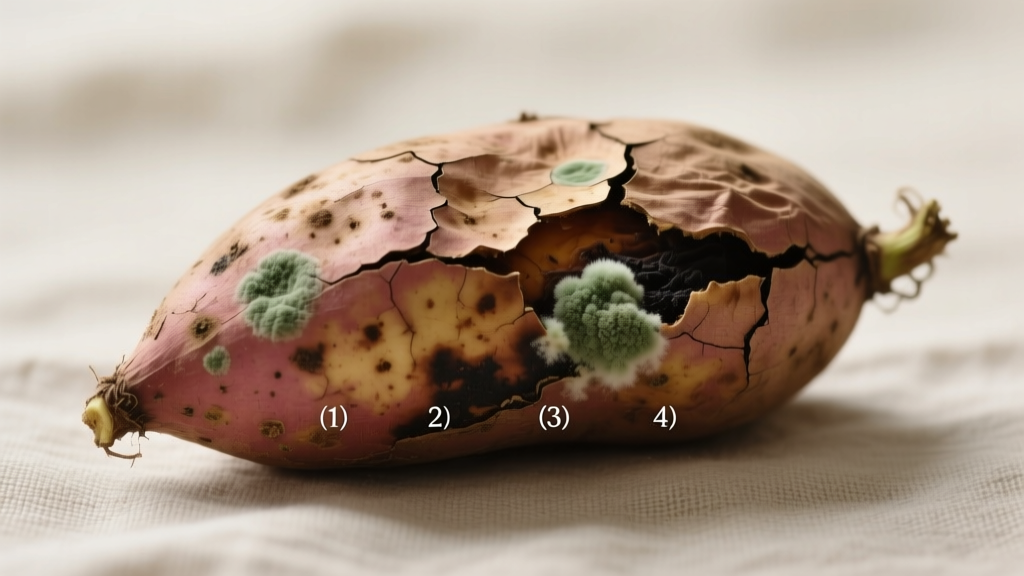 How to Tell If a Sweet Potato Is Bad: 5 Clear Signs
 Leek and Mushroom Pasta: Simple Recipe & Pro Tips
 How to Make Cheesy Garlic Bread: Reliable Step-by-Step Guide
 Is Lentil a Bean? Clearing Up the Confusion
 White vs Yellow Onion: Key Differences & When to Use Each
 Mouldy Sweet Potato: When to Discard and Why It's Dangerous
 What's in Allspice: The Complete Ingredient Breakdown
 Spice Shelf Life Chart: When to Throw Away Old Spices (2026 Guide)
Grains of Paradise: The Rare Pepper
Spice Shelf Life Chart: When to Throw Away Old Spices (2026 Guide)
Grains of Paradise: The Rare Pepper
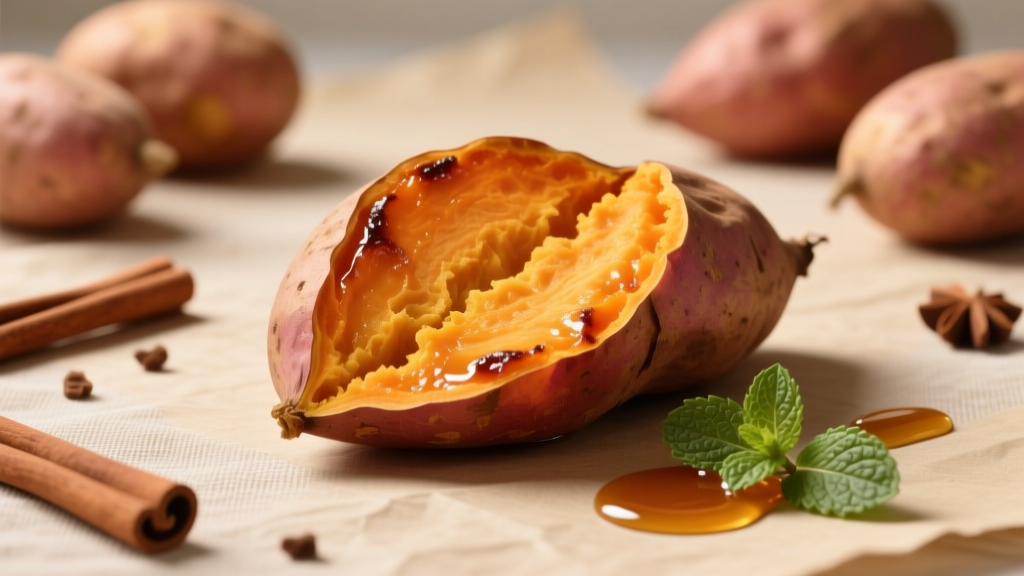 Sweet Potato Sweet: Natural Sweetness Guide & Cooking Tips