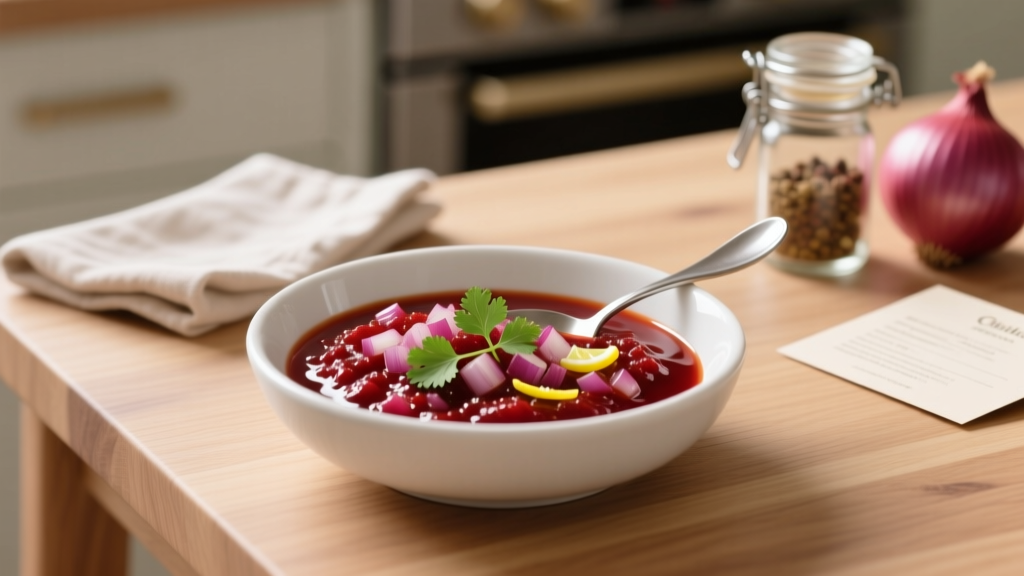
Red Onion Chutney: Homemade Guide and Pairings
What Makes Red Onion Chutney Tick (And Why You’ll Love It)
Look, I’ve whipped this up weekly for years—honestly, it’s the lazy chef’s secret weapon. Unlike cooked chutneys, this version skips simmering. You just mince red onions (their sharpness mellows fast), toss in slit green chilies for heat, fresh cilantro, lemon juice, and a pinch of salt. Boom: vibrant color, crunch, and that raw-onion zing tempered by citrus. It’s rooted in South Indian street food culture, where vendors slap it onto dosa carts at dawn. Why bother? Store-bought versions often drown in oil or preservatives. Homemade? You control the kick. Plus, red onions pack quercetin—a legit antioxidant—so it’s not just tasty, it’s got street cred for light health perks.
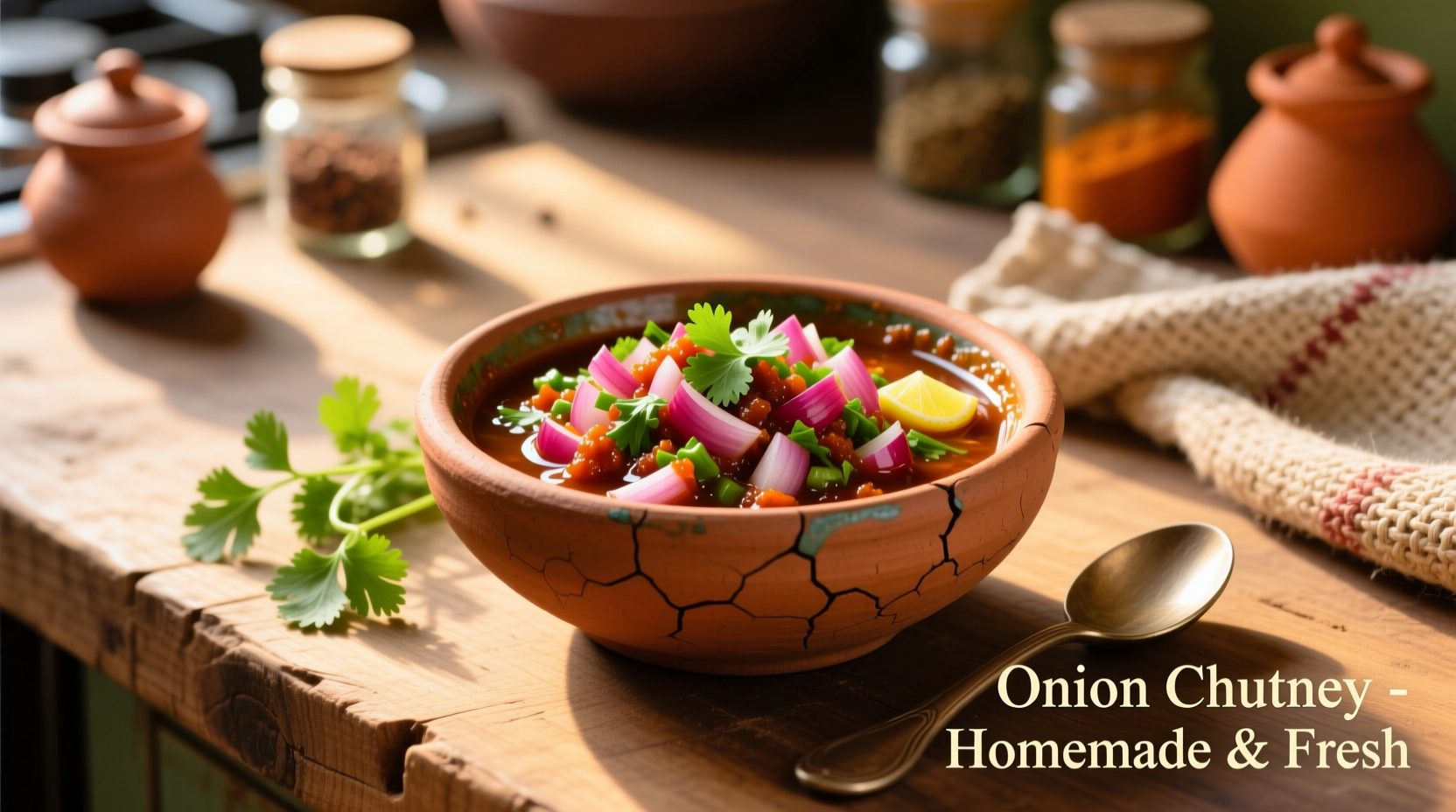
Your No-Stress Recipe (10 Minutes, Zero Fancy Gear)
Don’t overthink it—this isn’t rocket science. Grab 2 medium red onions (peeled, finely diced), 2 green chilies (slit lengthwise), a handful of cilantro (chopped), 1 tbsp lemon juice, and salt to taste. Toss everything in a bowl. Let it sit 5 minutes; the salt pulls out moisture, softening the bite. Stir once more. That’s it. Pro tip? If you’re sensitive to raw onion burn, soak diced onions in ice water for 2 minutes first—crisp texture stays, harshness fades. No blenders needed; hand-chopping keeps it chunky and authentic. Store in a clean glass jar. Seriously, easier than opening a ketchup bottle.
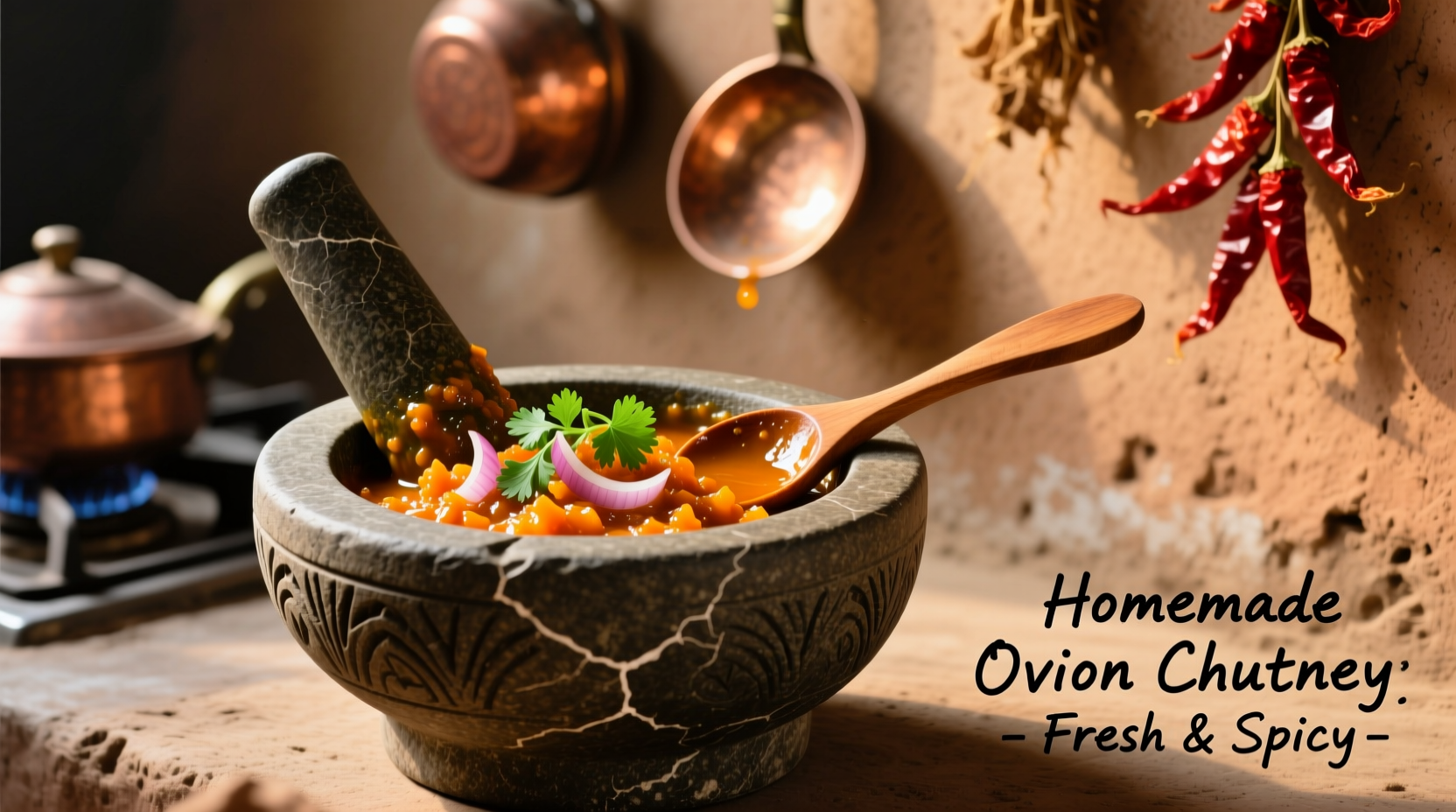
When to Slather It On (And When to Back Off)
You know that moment you slap chutney on a bland idli and suddenly—boom—flavor explosion? But timing matters. I’ve learned the hard way: red onion chutney shines when it contrasts mild bases. Avoid drowning delicate dishes though. Check this quick-reference table:
| When to Use | When to Avoid |
|---|---|
| With South Indian staples (dosa, idli, uttapam) | Alongside mild seafood (e.g., steamed fish) |
| As a sandwich or wrap spread (adds crunch) | In creamy sauces or soups (overpowers texture) |
| Alongside grilled meats (cuts through richness) | If you have acid sensitivity (lemon juice triggers heartburn) |
Avoiding Rookie Mistakes (From 20 Years of Trial and Error)
Here’s the real talk: most folks mess up storage or texture. First, never skip the salt rest—it draws out water, preventing a soggy mess. If your chutney turns watery, drain excess liquid before serving. Second, refrigeration is non-negotiable; room temp invites bacteria fast. Use within 14 days. Quality check? Fresh batches should smell bright and oniony—not sour or dull. Store-bought versions often hide old onions with excess vinegar; sniff the jar—sharp citrus notes mean freshness. Oh, and ditch metal containers; they react with acids, turning chutney bitter. Glass or stone bowls only.
Everything You Need to Know
Yes, it’s lighter—no added sugar or preservatives. Red onions contain quercetin, linked to reduced inflammation, while ketchup often packs high fructose corn syrup. But moderation matters; the salt content can be high if overused.
Refrigerated in a sealed glass jar, it stays fresh for 10–14 days. Discard if it smells sour, develops mold, or turns slimy—no exceptions. Never freeze it; texture turns mushy.
You can, but red onions are ideal—their natural sugars balance the heat better. White onions taste sharper and may leave a harsh aftertaste. If substituting, soak them in lime juice to mellow the bite.
Salt pulls moisture from onions—if you skip the 5-minute rest, liquid pools. Next time, drain excess water before serving. Also, avoid over-chopping; larger pieces hold structure better.
More Articles
 Potato Casseroles: Foolproof Recipes for Perfect Results
Five Spice Powder Decoded
Potato Casseroles: Foolproof Recipes for Perfect Results
Five Spice Powder Decoded
 Herbes de Provence: The French Blend That's Not What You Think
 Sweet Potato Roast Potatoes: Crispy Guide & Health Swap
 Chickpea Curry with Potato: Authentic Recipe & Pro Tips
 Cheese Potato Casserole Recipe: Creamy Inside Crispy Top
 Garlic Cloves to Tablespoons: Practical Conversion Guide
Fresh vs Dried Turmeric: When to Use Each
Garlic Cloves to Tablespoons: Practical Conversion Guide
Fresh vs Dried Turmeric: When to Use Each
 Oven Filet Steak Guide: Perfect Roast Every Time
 Cinnamon Types: Ceylon, Cassia, Saigon