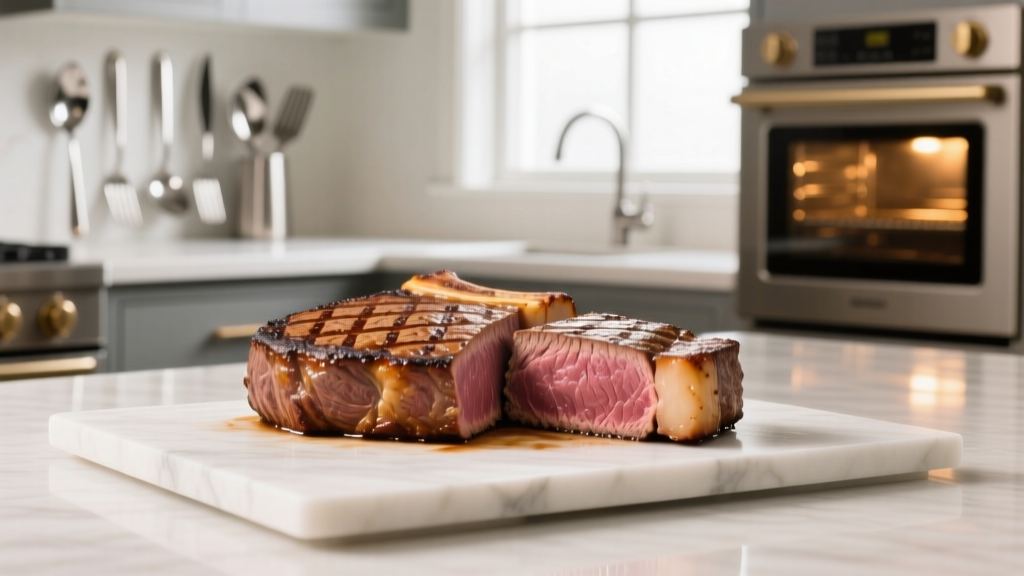
Oven Filet Steak Guide: Perfect Roast Every Time
Why Oven Cooking Beats the Stovetop for Thick Filets
Look, I've ruined more filets than I care to admit—mostly by wrestling them on a skillet. Here's the thing: thick cuts like filet mignon (that tenderloin center-cut) cook unevenly on stovetops. You get a charred exterior with raw centers or, worse, gray meat halfway through. Oven roasting after a quick sear? Total game-changer. It gently finishes the interior without overcooking the crust. Trust me, after 20 years testing methods, this is the sweet spot for juicy, rosy-pink results every time.
Your Bare-Minimum Toolkit
Don't overcomplicate this. You'll need just four things:
- An oven-safe cast-iron or stainless steel skillet (no non-stick—heat tolerance matters)
- A meat thermometer (non-negotiable for precision)
- High-smoke-point oil like avocado or grapeseed
- Salt and pepper (fancy spices distract from that pure beef flavor)
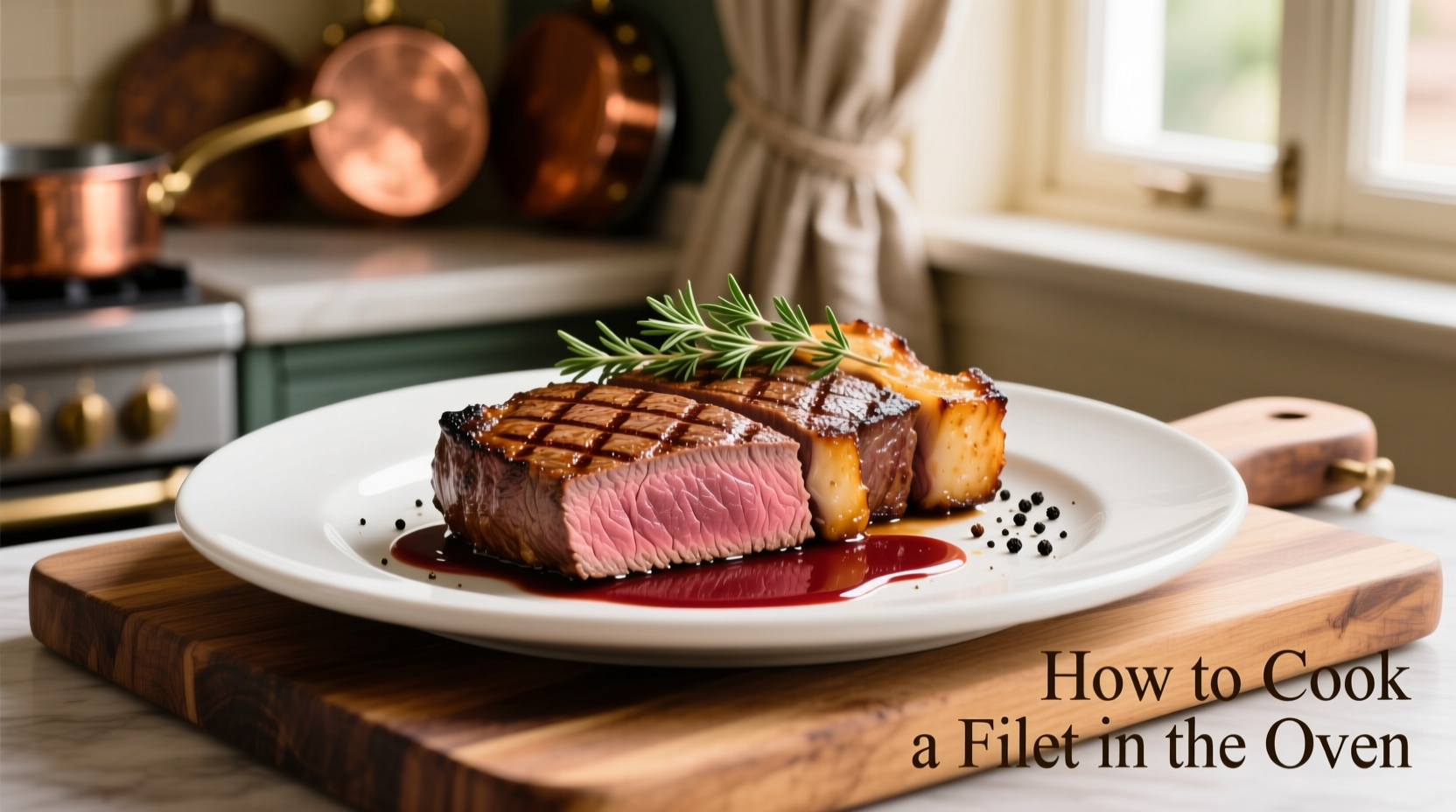
Always start with a screaming-hot pan for that caramelized crust
Step-by-Step: No Guesswork Method
Here's how I do it on weeknights when I want restaurant-quality without the fuss:
- Prep the filet: Pat dry with paper towels (moisture is the enemy of searing). Season generously with coarse salt 45 minutes before cooking—this draws out surface water for better browning.
- Preheat smartly: Crank oven to 400°F. Place empty skillet inside during preheating. Most folks skip this, but a hot pan = instant sear.
- Sear like a pro: Carefully add oil to the hot pan, then the filet. Don't touch it for 2-3 minutes. Flip once when it releases naturally. Sear edges briefly with tongs.
- Oven transfer: Immediately slide the whole pan into the oven. No flipping—just let convection do its thing.
- Roast to temp: Check internal temperature at 8 minutes. Pull at 120°F for rare, 130°F for medium-rare. Carryover cooking adds 5°F while resting.
- Rest properly: Tent loosely with foil for 5-10 minutes. Skipping this? You'll lose half the juices to your cutting board.
| D熟度 | 烤箱时间 (8oz filet) | 内部温度 | 视觉提示 |
|---|---|---|---|
| Rare | 6-8 mins | 120°F (49°C) | Cool red center |
| Medium-rare | 8-10 mins | 130°F (54°C) | Warm red center |
| Medium | 10-12 mins | 140°F (60°C) | Pink center |
When to Grab the Oven (and When Not To)
Not every cut plays nice with this method. Here's my real-world cheat sheet:
- Use oven roasting when:
- You've got thick cuts (1.5"+)
- Hosting guests and need hands-off cooking
- Aiming for edge-to-edge pinkness (no gray band)
- Avoid oven roasting when:
- Using thin filets (<1")—they'll overcook fast
- Short on time (preheating adds 15 mins)
- Cooking multiple small steaks (stick to stovetop)
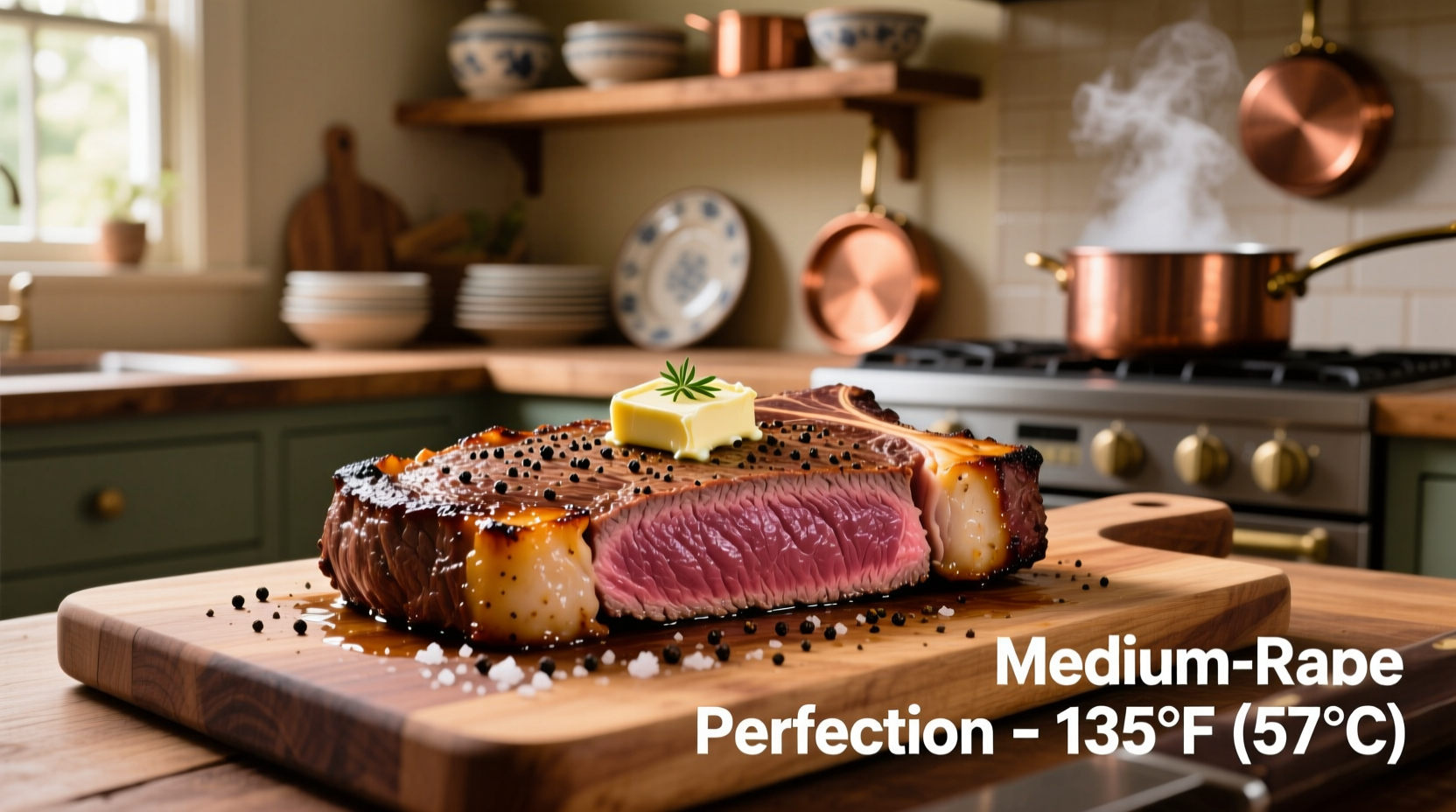
A reliable meat thermometer prevents dry, overcooked filet
Picking a Winner at the Butcher Counter
Let's be real—your results start before cooking. After visiting countless farms and butchers, here's how to spot top-tier filet:
- Color check: Vibrant cherry-red, not brown or dull. Avoid vacuum-packed "purple" meat—it needs 30 mins exposed to air to bloom.
- Marbling myth: Filet has minimal fat, so don't expect ribeye-level streaks. Focus on uniform texture without dry patches.
- Thickness matters: Request 1.75"-2" cuts. Thinner pieces cook too fast for oven methods. Pro tip: Ask for "center-cut" for even shape.
- Avoid traps: "Angus" or "Prime" labels don't guarantee quality here. USDA Choice grade is perfect for filet—Prime adds fat you'll trim anyway.
3 Costly Mistakes I See Home Cooks Make
From my kitchen disasters to yours—save yourself:
- Skipping the dry step: Wet meat steams instead of sears. Pat thoroughly, even if it seems dry already.
- Guessing doneness: That "touch test"? Unreliable for filet. Thermometers cost $10 and pay for themselves in one perfect steak.
- Cutting too soon: Resting isn't optional. Those 5 minutes let juices redistribute—slice early and you'll have a sad puddle on your plate.
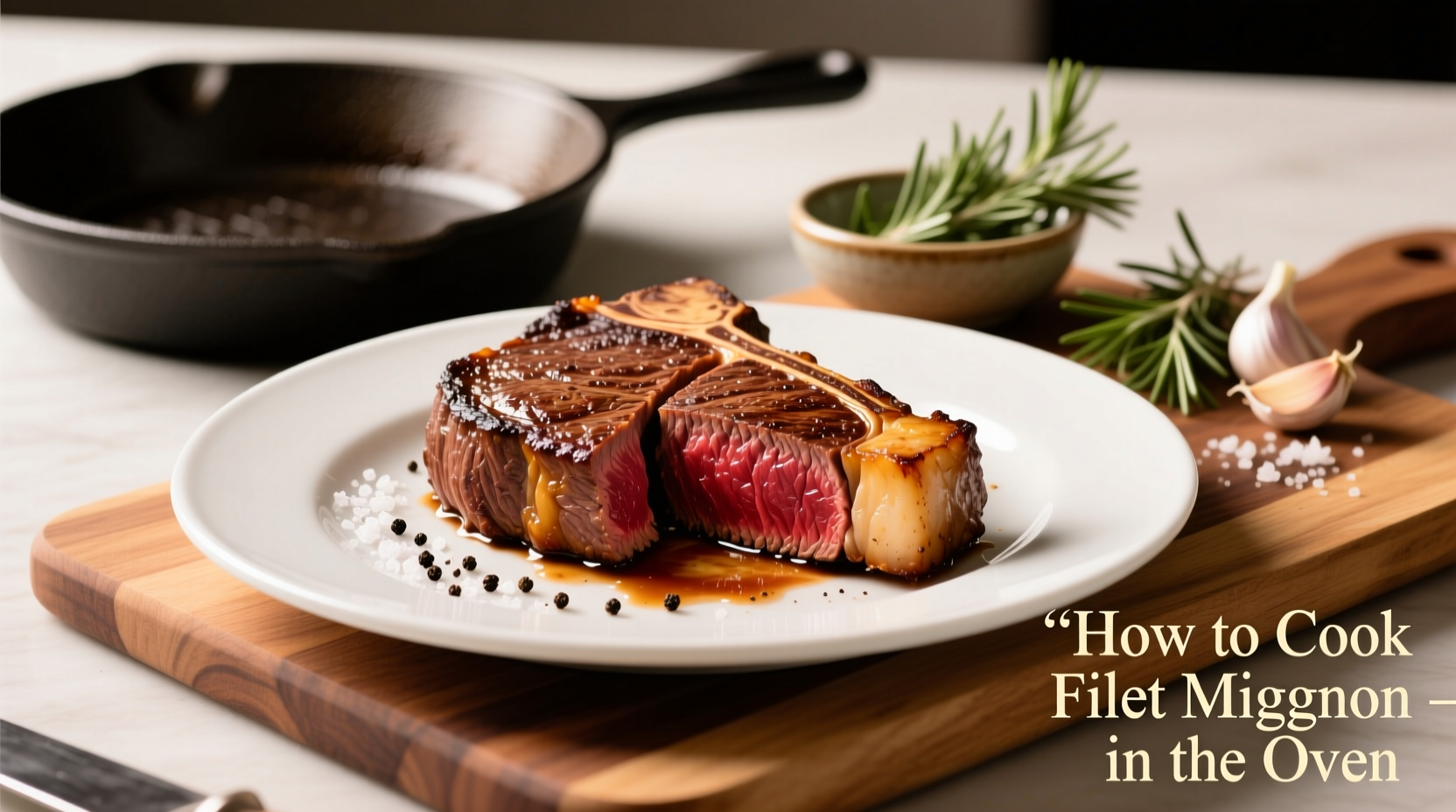
Resting ensures maximum juiciness—don't skip this step!
Everything You Need to Know
You can, but you shouldn't. Searing creates the Maillard reaction—that deep, nutty crust essential for flavor. Without it, you'll get bland, steamed meat. If you're avoiding smoke, use a well-ventilated hood and keep oil quantity minimal (1 tsp max).
Dryness usually comes from overcooking or skipping rest time. Pull filet at 125°F for medium-rare (it'll hit 130°F while resting). Never exceed 140°F internal temp—filet has no fat to compensate. Also, avoid piercing with forks; use tongs for flipping.
Not for thick cuts. Broiling's intense top heat chars exteriors before interiors cook through. Roasting at 400°F gives gentle, even heat. Save broiling for thinner steaks under 1"—but for filet? Stick with convection roasting.
Refrigerate within 2 hours in airtight container. It'll keep for 3-4 days—but quality drops fast. Reheat gently in 250°F oven until 110°F internal temp. Microwaving? Only as last resort; it turns filet rubbery.
Shrinking happens when proteins seize from rapid temperature changes. Prevent it by bringing filet to room temp 30 mins pre-cook and avoiding oven temps above 425°F. Also, choose well-marbled cuts—though filet naturally shrinks less than sirloin due to low fat content.
More Articles
 Breakfast Baked Potatoes: Nutritious & Simple (2026)
 Texas Roadhouse Baked Potato: What Makes It Special
 Cheap vs Premium Slow: What Really Changes When You Upgrade Your Slow-Cooked Dishes
 How Long to Cook Chicken in Air Fryer: Perfect Timing Guide
 Allspice: Not a Blend But a Single Spice
 Coriander vs Cilantro: Same Plant Tips
Grains of Paradise: The Rare Pepper
Coriander vs Cilantro: Same Plant Tips
Grains of Paradise: The Rare Pepper
 Cinnamon on a Budget: Smart Sourcing Tips
 Kitchen Spice Storage Hacks: Save Space
 Turmeric Health Benefits: Updated Guide