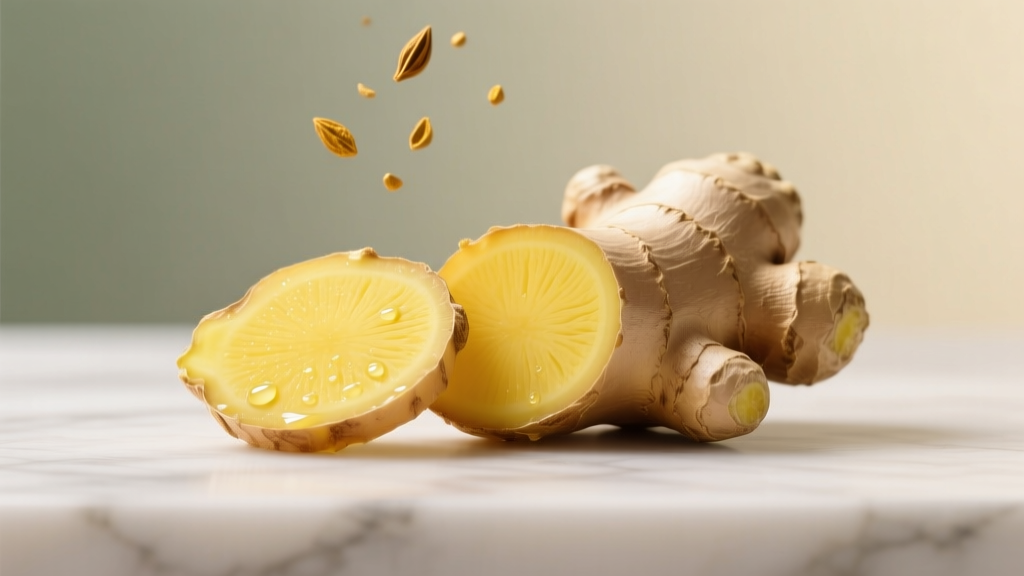
Ginger Color Science: Why Is Ginger Yellow? (2026)
Why Ginger Color Confuses Home Cooks
Ever sliced open ginger expecting bright orange only to find pale yellow? Or spotted pink pickled ginger and wondered if it's natural? This color confusion causes real kitchen dilemmas: using mild young ginger when you need punchy heat, or discarding perfectly good roots over natural variations. Let's decode what ginger's color truly reveals about flavor, freshness, and culinary use.
The Science Behind Ginger's Color Spectrum
Ginger's color isn't random—it's a direct indicator of biochemical composition. The orange-yellow pigments come from gingerols, the compounds responsible for ginger's signature heat and health benefits. As University of Florida IFAS research confirms, "ripeness directly intensifies color through gingerol accumulation." Young roots harvested early have lower concentrations, yielding pale flesh. Mature roots develop richer orange tones as gingerols concentrate.
| Ginger Type | Flesh Color | Gingerol Content | Flavor Profile |
|---|---|---|---|
| Young Ginger (Spring harvest) | Pale yellow | Low (0.5-1.0%) | Mild, juicy, subtle spice |
| Standard Mature Ginger | Orange-yellow to deep orange | High (1.5-2.5%) | Robust, pungent, fibrous |
| Dried Ginger | Brown | Concentrated (3-4%) | Warm, earthy, less sharp |
| Pickled Ginger | Natural pink | Reduced | Vinegar-forward, sweet |
Data sources: USDA FoodData Central (raw ginger composition), UF IFAS Extension (ripeness effects), BBC Good Food (culinary applications)
When Color Determines Your Dish's Success
Choosing ginger by color isn't just aesthetic—it's flavor engineering. Here's your decision framework:
Reach for pale yellow ginger when:
- Preparing raw applications like ginger salads or fresh juices (mild flavor won't overpower)
- Need tender texture for quick-pickled dishes
- Cooking delicate proteins like fish or chicken
Choose deep orange ginger when:
- Building curries, stews, or spice pastes (heat withstands long cooking)
- Baking gingerbread or spice cakes (robust flavor penetrates dough)
- Preparing medicinal teas (higher gingerol content for therapeutic effects)
Avoid ginger showing these colors:
- Grayish or blue tints: Indicates mold or freezer burn (USDA spoilage guideline)
- Dark black spots penetrating flesh: Advanced decay
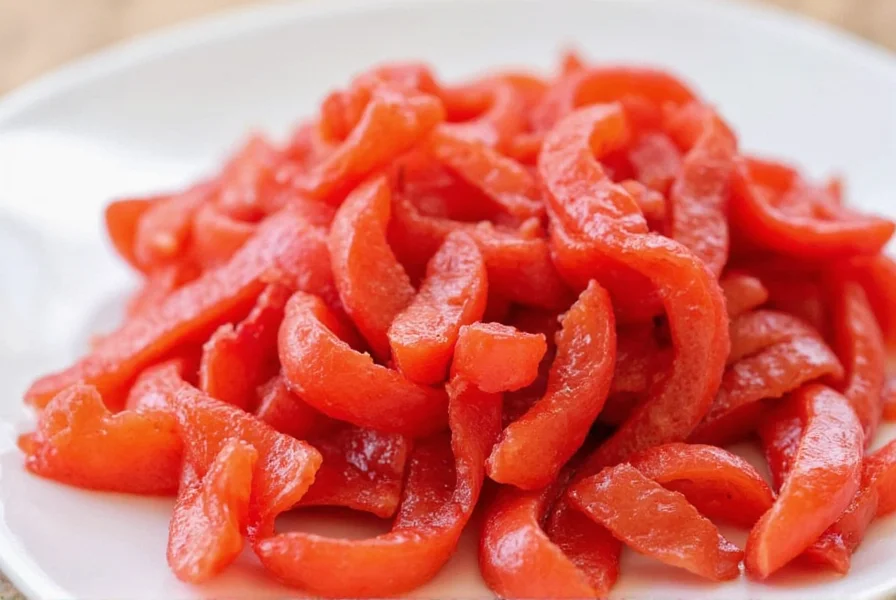
- Uniform bright pink in raw ginger: Artificial dye (natural pickling creates soft pink)
Debunking 3 Costly Ginger Color Myths
Myth 1: "Bright orange always means fresher ginger"
Reality: Deep orange indicates maturity, not freshness. Young ginger's pale color is natural. Check firmness and skin texture instead—fresh ginger should feel dense with tight, shiny skin.
Myth 2: "Yellow ginger is weak or old"
Reality: Pale yellow is characteristic of young ginger varieties like Hawaiian white ginger. BBC Good Food confirms these are prized in Japanese cuisine for subtle flavor.
Myth 3: "All ginger turns orange when cooked"
Reality: Cooking concentrates color but won't transform pale ginger to orange. Mature roots maintain vibrancy; young ginger turns golden-brown. This misconception wastes usable ingredients.
Everything You Need to Know
Pale yellow indicates young ginger, harvested early before full gingerol development. This variety has thinner skin, higher moisture, and milder flavor—ideal for raw applications. USDA data confirms pale yellow is a natural stage, not a quality flaw.
Yes—deeper orange correlates with higher gingerol concentration, the compound responsible for anti-inflammatory effects. Mature ginger contains up to 2.5x more gingerols than young roots (University of Florida IFAS). For medicinal use, choose vibrant orange roots; for general cooking, any fresh color provides benefits.
Natural pink develops from anthocyanins reacting with vinegar in young ginger. This harmless pigment change requires no dye—older ginger lacks sufficient anthocyanins for this reaction. BBC Good Food confirms authentic Japanese gari gets its soft pink hue solely from this process.
Store unpeeled roots in a paper bag in the fridge crisper drawer (moisture control prevents graying). Avoid plastic bags—they trap humidity causing discoloration. Peeled ginger turns gray faster; freeze grated ginger in ice cube trays for long-term color retention. USDA recommends using within 3 weeks for optimal hue.
No—dried ginger's brown color indicates chemically transformed compounds (shogaols replacing gingerols). Use 1/4 tsp dried for every 1 tbsp fresh, but note: dried lacks bright top notes. Reserve for baking or spice blends; never substitute in raw applications where fresh ginger's color and texture matter.
More Articles
 Cinnamon Types: Ceylon vs Cassia Guide
 Cardamom Health Benefits: Science-Backed Facts
 Feta Cheese & Tomato Pasta: Authentic Greek (2026)
 How to Tell If a Sweet Potato Is Bad: 5 Clear Signs
 Oats Cooking Ratios & Timing for Perfect Oatmeal
 Simple French Onion Soup: Authentic in 45 Minutes
 Sweet Potato Scalloped Potatoes: Recipe Guide & Tips
 Honey and Bread: Safe Pairing Tips & Common Mistakes
 Ginger Ales With Real Ginger: Verified Brands List
 Garlic Cloves to Tablespoons: Practical Conversion Guide