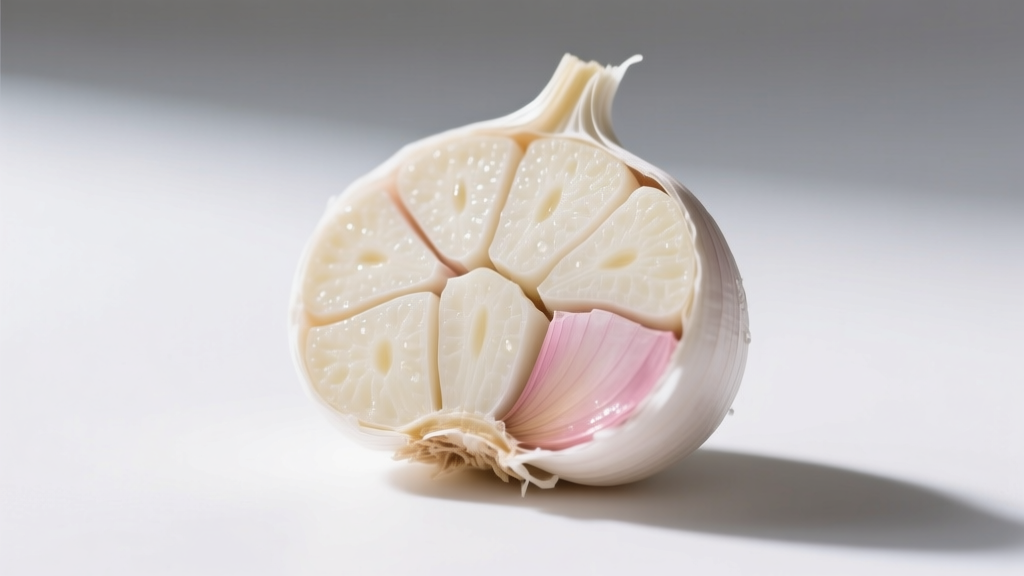
What Does One Garlic Clove Look Like: Visual Guide
One garlic clove is not a unit of measurement — it’s a visual anchor
People fixate on the idea that “one clove” means something precise — a fixed size, a uniform shape, even a specific weight. This misconception doesn’t come from cookbooks (they rarely define it), nor from packaging (most bulbs aren’t labeled per clove), but from how recipes are written: “2 cloves, minced.” That phrasing implies replicability — as if every clove behaves like a teaspoon. In practice, though, a clove pulled from a supermarket bulb in January looks nothing like one from a farmer’s market bulb in August. And yet, most home kitchens proceed as if the difference won’t affect anything beyond mild variation. It usually doesn’t — until it does.
The visual definition of one clove becomes irrelevant when the garlic is cooked long and slow — say, roasted whole or simmered in broth for over 30 minutes. Under those conditions, size differences vanish into background sweetness; cell walls break down uniformly regardless of starting mass. What matters then is total volume relative to liquid, not individual clove morphology. But when raw or quick-cooked — tossed into stir-fry at the last 30 seconds, rubbed onto bread before grilling, or pressed into vinaigrette — the exposed surface area of that single clove determines pungency intensity, not its weight. A thin, fluted clove with cracked skin delivers sharper bite than a plump, smooth one of equal mass. That’s why judging by look — not scale — is the only reliable first filter.
Two common distractions waste mental bandwidth: obsessing over whether the clove must be peeled *before* measuring, and debating whether “one clove” includes the basal plate (the flat, root-end disc). Neither affects outcome in daily use. Peeling happens after selection — you assess appearance *with* skin on, because color, texture, and integrity of the papery wrapper are diagnostic. The basal plate stays attached during storage and handling; removing it prematurely invites moisture ingress and spoilage. But once cooking begins, it contributes negligible flavor and is routinely discarded — no recipe hinges on its inclusion or exclusion. These aren’t technicalities worth tracking; they’re procedural noise that distracts from what actually shifts results.
The real constraint isn’t botany or labeling — it’s home refrigerator humidity. Garlic stored in high-moisture drawers softens unpredictably. A clove that looked firm and ivory-white at purchase may develop spongy patches or green sprouts within five days. That changes its visual signature *and* its behavior: sprouted cloves taste bitter, spongy ones steam instead of sizzle. No amount of “standardized clove size” knowledge compensates for this environmental variable. Budget, time, or equipment don’t override it — only observation does. You can’t outsource judgment to a rule when your fridge runs damp and your garlic sits beside tomatoes.
Here’s where visual recognition flips from optional to decisive: If you’re making aioli and need consistent emulsion stability, choose cloves with tight, unbroken skins — their lower water content prevents splitting. If you’re roasting for soup base, pick larger, looser-skinned cloves — they caramelize faster and yield more depth per unit effort. If you’re prepping for guests who dislike raw garlic heat, avoid cloves with visible purple veining (a sign of higher allicin potential) — even if they’re small. These aren’t preferences; they’re direct cause-effect links between appearance and functional outcome. In each case, “what it looks like” overrides “how many grams it weighs” or “how many cloves per bulb.”
A more practical filter emerges when you stop asking “What *is* one clove?” and start asking “What does this clove *do* in my pan right now?” That question bypasses abstraction. It forces attention on the actual object — its curve, its sheen, its resistance to thumb pressure — not an idealized version from a stock photo. In a home kitchen, garlic isn’t measured; it’s matched. Matched to heat level, matched to dish timeline, matched to household tolerance for sharpness. That matching happens visually, instantly, without scales or charts. Once that reflex settles in, the anxiety around “correct clove size” evaporates — not because the question was answered, but because it stops being the right question.
| What people fixate on | What it affects | When it matters | When it doesn't |
|---|---|---|---|
| Clove weight (grams) | Potential allicin yield in raw applications | When making raw garlic paste for cold sauces | When roasting, boiling, or slow-sautéing |
| Number of cloves per bulb | Perceived value and shelf-life estimate | When buying bulk for long-term storage | When selecting for immediate use in one dish |
| Color of papery skin (white vs. purple-tinged) | Flavor sharpness and enzymatic activity | When using raw or flash-cooked | When fully cooked past Maillard stage |
| Presence of green sprout | Bitterness and textural softness | When grating or pressing raw | When roasting whole with olive oil |
Quick verdicts for home cooks
- If you’re mincing garlic for marinade and plan to marinate overnight, clove size barely matters — prolonged contact evens out potency.
- If you’re rubbing raw clove on toasted bread, choose one with taut, dry skin — wrinkled or damp ones smear instead of adhere.
- If your household includes someone sensitive to raw allium heat, skip cloves showing purple streaks under the skin — they’ll deliver stronger bite.
- If you’re roasting garlic for soup, select larger cloves with loose outer wrappers — they brown faster and contribute deeper sweetness.
- If you’re storing garlic for more than 10 days, ignore clove shape entirely — focus only on firmness and absence of soft spots.
- If you’re substituting jarred minced garlic, don’t compare clove count — compare visual opacity and graininess in the jar instead.
Frequently asked questions
Why do people think one clove must be a specific size?
Because recipes list “cloves” like units — but unlike teaspoons, cloves have no standard. The assumption comes from linguistic habit, not botanical fact.
Is it actually necessary to remove the basal plate before cooking?
No. It adds no flavor, doesn’t hinder cooking, and removing it risks bruising the clove — especially when raw.
What happens if you ignore skin condition and use a soft, discolored clove?
You’ll get muted aroma, uneven browning, and possible bitterness — especially in quick-cooked dishes where garlic doesn’t mellow.
More Articles
 Rainbow Peppercorns: A Complete Guide
 Easy Mushroom Gravy Recipe Using Cream of Mushroom Soup
 What Is Black Pepper Made Of: Complete Explanation
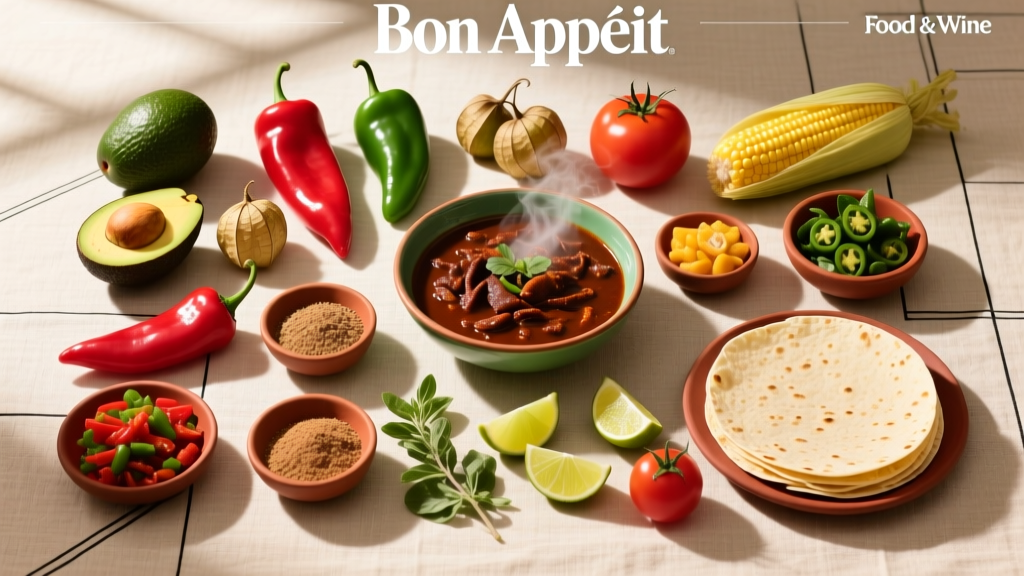 Authentic Mexican Food A-Z: Spice Tips (2026)
Fenugreek: Leaves and Seeds as Dual Spice
Authentic Mexican Food A-Z: Spice Tips (2026)
Fenugreek: Leaves and Seeds as Dual Spice
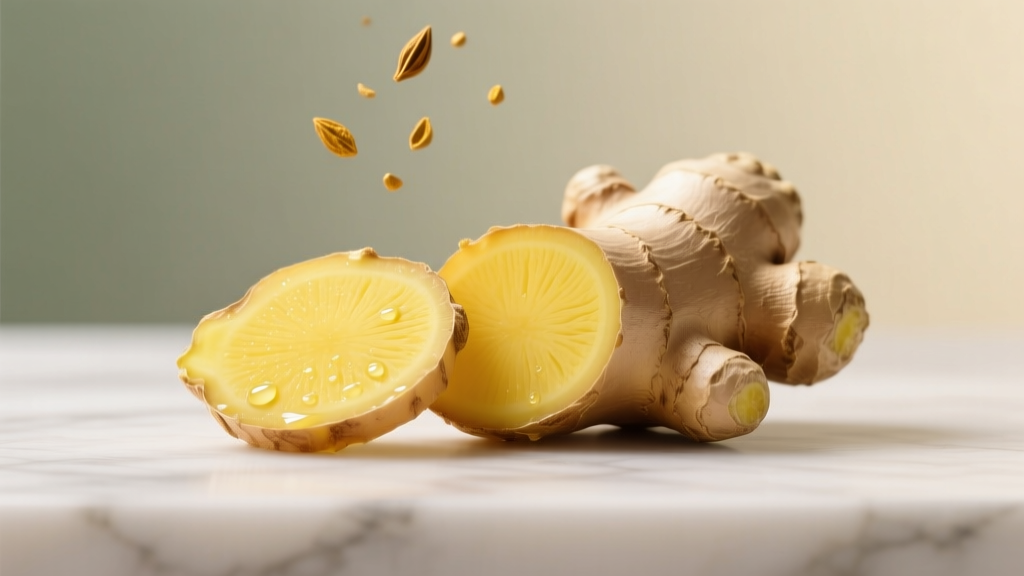 Ginger Color Science: Why Is Ginger Yellow? (2026)
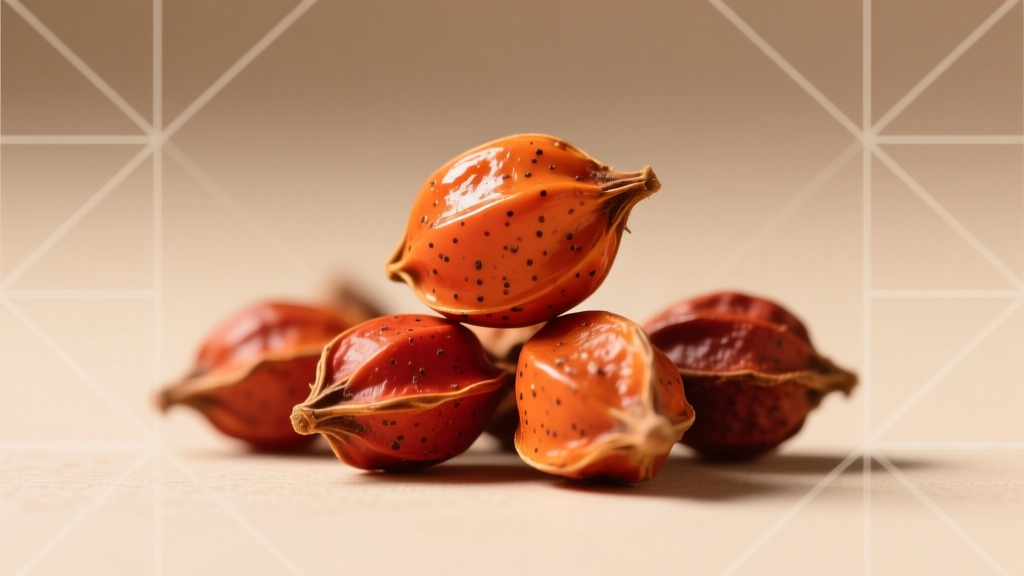 Achiote vs Annatto: Same Seed, Different Names Explained
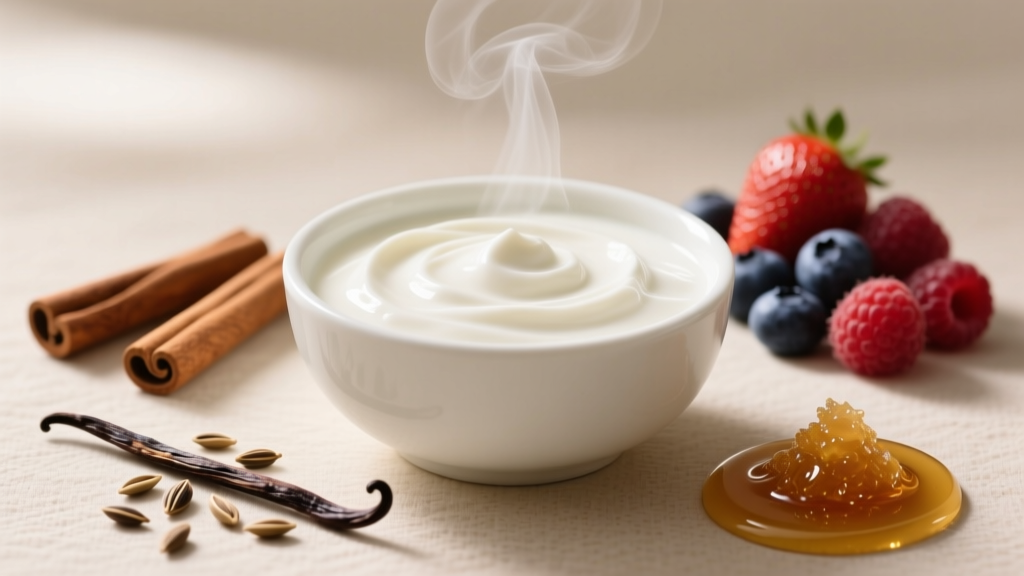 Fix Bland Greek Yogurt: Natural Flavor Boosts That Work
 Perfect Crock Pot Honey Garlic Chicken Thighs Recipe
 Nigella Seeds (Black Cumin): Flavor and Uses