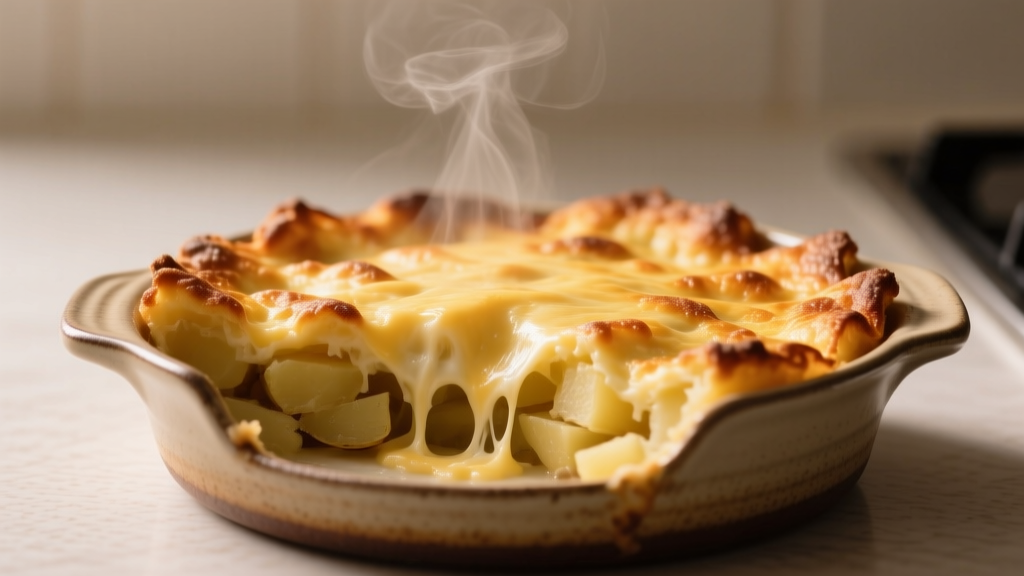
Cheese Potato Casserole Recipe: Creamy Inside Crispy Top
Why This Recipe Works Every Time
Look, I get why people default to canned soup shortcuts—it's fast. But that's exactly why casseroles fail: canned soup makes sauces gluey. Here's what changed for me after years of catering events: fresh dairy + starch control. Russet potatoes have the right starch level, and whole-milk cheddar melts smoothly. Oh, and room-temperature dairy? Non-negotiable. Cold cheese = rubbery sauce. Trust me, I've scraped enough ruined pans to know.
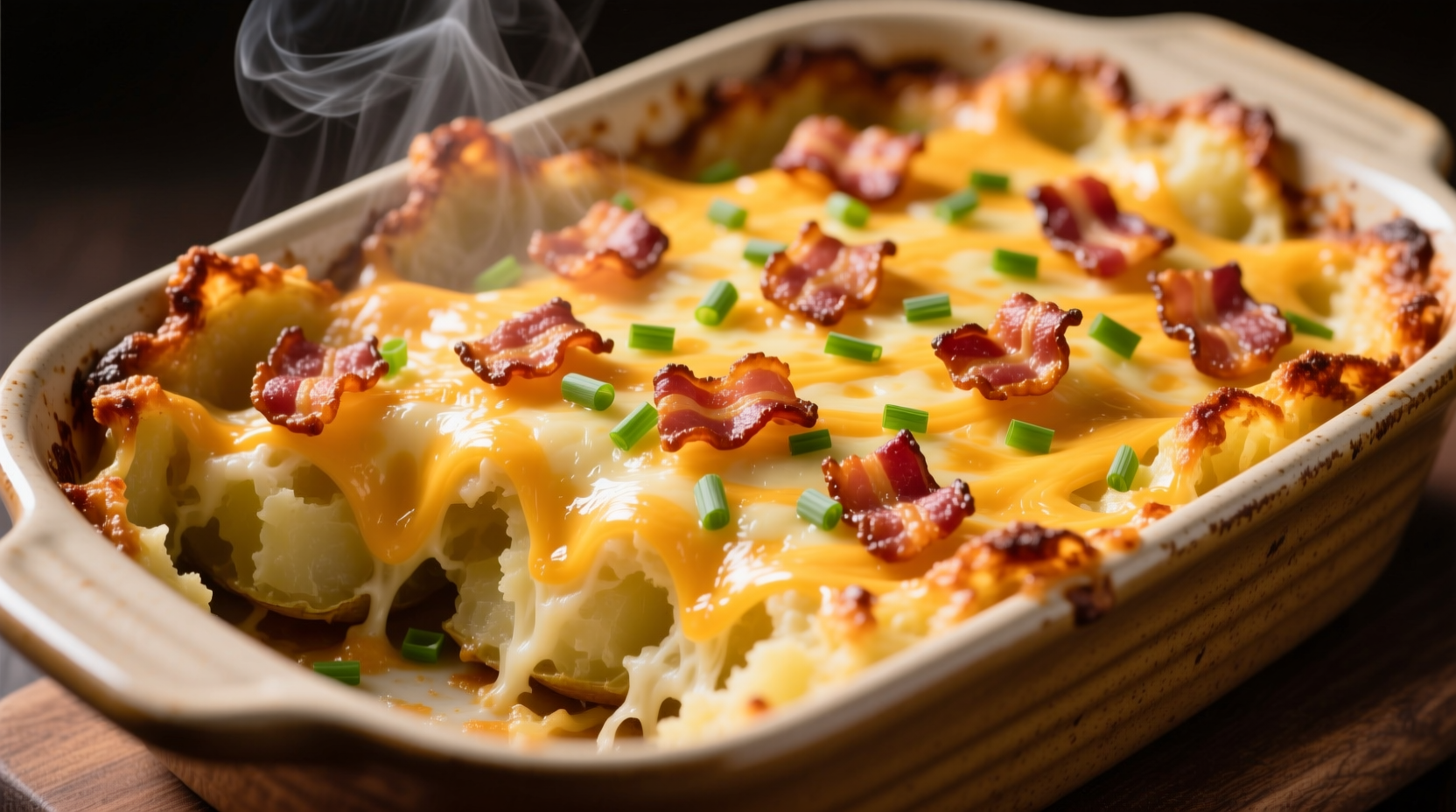
Smart Ingredient Swaps (No Guesswork)
Picking wrong potatoes or cheese kills texture. Let's fix that:
| Ingredient | Best Choice | Avoid | Why It Matters |
|---|---|---|---|
| Potatoes | Russet (baking potatoes) | Yukon Gold (too waxy) | Russets mash creamy without gumminess |
| Cheese | Sharp cheddar, freshly grated | Pre-shredded bags | Anti-caking agents prevent smooth melt |
| Topping | Panko + melted butter | Dry breadcrumbs alone | Panko stays crispy; dry crumbs turn soggy |
See that cheese row? Yeah, I learned the hard way. Pre-shredded cheese saved me 2 minutes but ruined 3 casseroles. Food science isn't magic—it's about emulsifiers in real cheese. Skip the bag, grab a block.
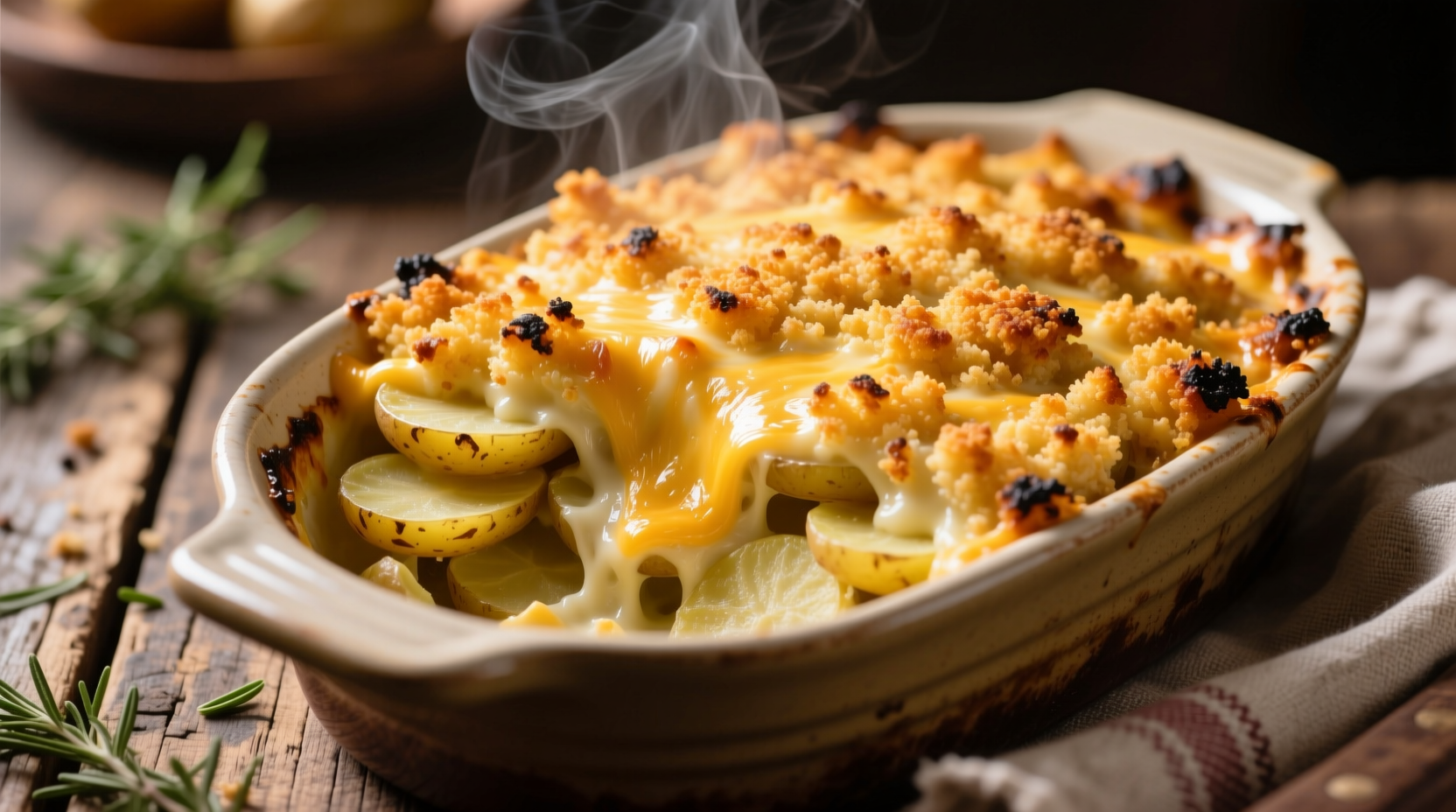
When to Serve (and When to Skip)
This casserole shines for crowd-pleasing moments but has limits. Use my rule of thumb:
- Perfect for: Holiday dinners (Thanksgiving side), potlucks, or meal prep Sundays. The crispy top holds up during transport.
- Avoid if: Serving lactose-intolerant guests (no easy swap here—dairy's essential for texture). Also skip for keto diets; potatoes are carb-heavy.
- Pro tip: Double the recipe for leftovers. It reheats better than day one—microwave covered for 2 minutes, then broil 90 seconds for crunch.
Avoid These 3 Costly Mistakes
Most failures happen before baking. Don't be that person:
- Skipping potato soaking: Russets release starch. Soak slices in cold water 10 minutes to prevent gray discoloration. I've seen casseroles turn sad-looking from this oversight.
- Overbaking the topping: Add panko mix halfway through baking. Full-time baking = burnt crumbs. Set a timer—it's not lazy, it's smart.
- Using cold dairy: Cold milk or cheese causes sauce to seize. Warm dairy gently in a saucepan first. Temperature matters more than people think.
Here's the thing: casseroles aren't forgiving like cookies. Small tweaks make or break them. But hey, that's why this recipe's tested—it accounts for real kitchen chaos.
Everything You Need to Know
Separation happens when cheese overheats or mixes with acidic ingredients. Always melt cheese off direct heat—add it to warm (not boiling) milk sauce. And skip pre-shredded cheese; its anti-caking agents prevent smooth blending. Stir gently; vigorous mixing breaks the emulsion.
Absolutely—assemble it 24 hours ahead, but don't add the panko topping yet. Cover and refrigerate. When baking, add 10-15 minutes to the time since it's cold. Pro move: Let it sit at room temp 30 minutes before baking for even heating.
Yes, but keep dairy for texture. Swap half the cheddar for low-fat cottage cheese (blended smooth). Use 2% milk instead of whole—but never skip the butter layer; it's key for flavor depth. Avoid non-dairy cheeses; they don't melt properly in baked dishes.
Store covered in the fridge up to 4 days. Reheat individual portions covered in the microwave (2 minutes), then broil 60-90 seconds to revive the crispy top. Freezing isn't recommended—it makes potatoes grainy.
Russets are ideal—they're high-starch and fluffy when cooked. Red potatoes add waxy texture that fights creaminess. If using Yukon Golds (which some do), parboil them first to reduce waxiness. But honestly, russets are the reliable workhorse here.
Final thought: This recipe's been my go-to since 2004—not because it's trendy, but because it solves real problems. Next time you're prepping for a crowd, skip the stress. Just remember: fresh cheese, room-temp dairy, and that panko trick. You've got this.
More Articles
 Potato vs Rice: Which Is Healthier? Nutritional Facts
 French Onion Baked Potatoes: Real Recipe Guide
 Perfect Basic Potato Salad Recipe: Simple & Foolproof
 Ina Garten's Potato Salad Recipe: French-Style Perfection
 7 Lucky New Year's Food Traditions for Prosperity
 Fennel Seeds vs Anise Seeds: Clear Differences Explained
 Tripe Soup: Global Traditions and Preparation Guide
 Garlic Pesto: Simple Recipe and Smart Uses
 How to Fix an Overly Lemon Sauce: 7 Effective Methods
 Fix Bland Greek Yogurt: Natural Flavor Boosts That Work