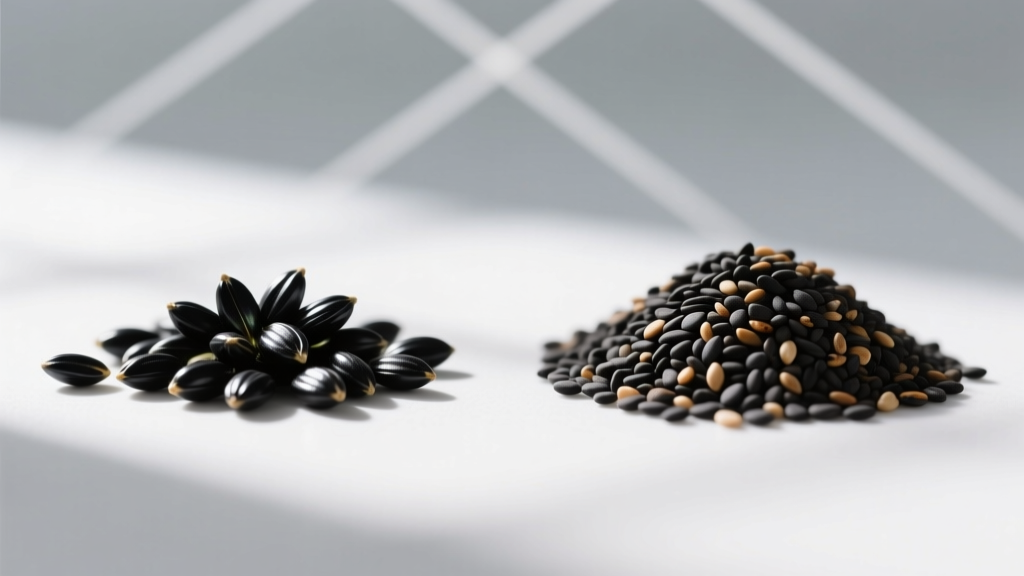
Nigella Seeds vs Black Sesame: Key Differences Explained
Why the Confusion Happens (And Why It Ruins Recipes)
Walking into any international market, you'll see small black seeds labeled "kalonji," "black cumin," or "black sesame." Sheaterra Organics confirms this visual mimicry causes frequent mix-ups. But when you accidentally use nigella in a sesame ball dessert, the bitter, burnt-onion notes destroy the dish. This isn't just about looks—it's about fundamental flavor incompatibility rooted in botany.
Botanical Reality Check: Not Even Cousins
Despite surface similarities, these seeds belong to entirely different plant families:
| Characteristic | Nigella Seeds | Black Sesame Seeds |
|---|---|---|
| Scientific Name | Nigella sativa (Ranunculaceae family) | Sesamum indicum (Pedaliaceae family) |
| Origin | Middle East/South Asia | East Africa (domesticated in India) |
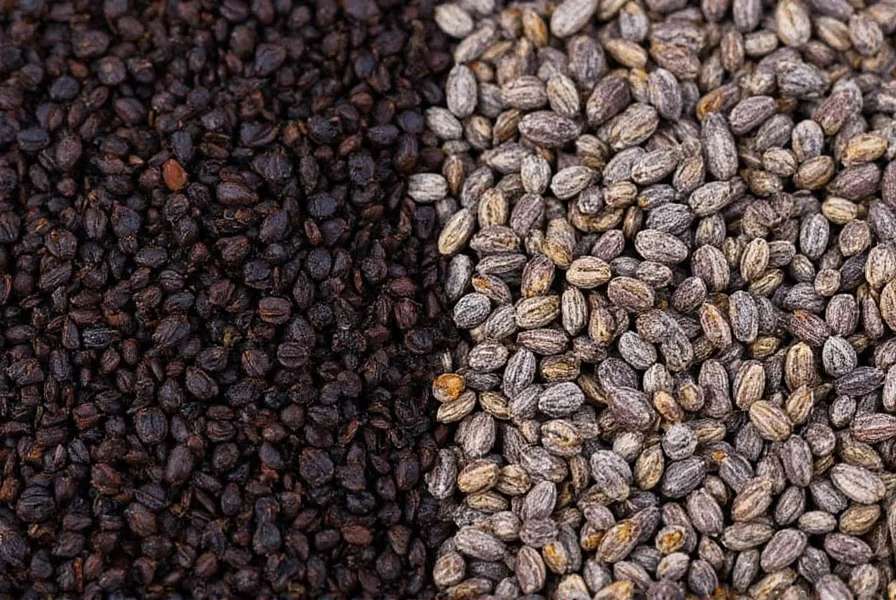
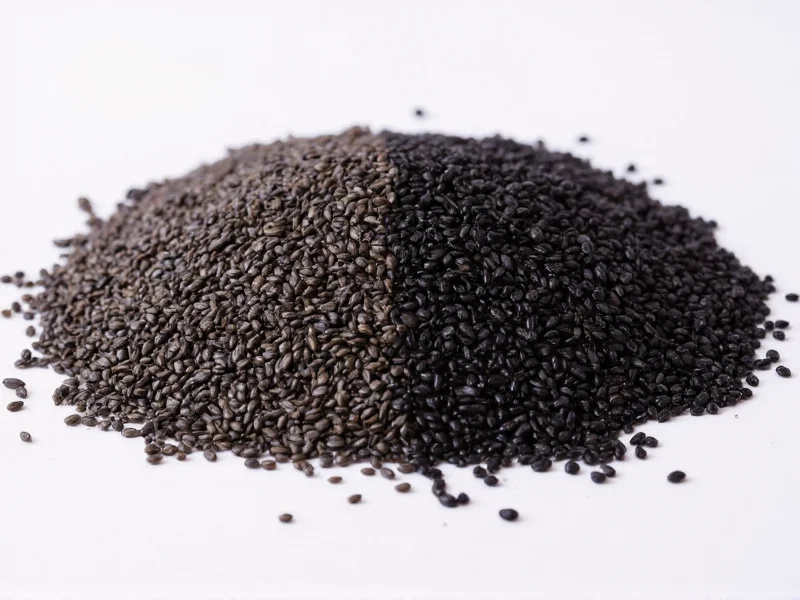
| Appearance | Matte black, teardrop-shaped, 2-3mm | Glossy black, oval, 3-4mm |
| Culinary Role | Spice (like pepper) | Seed/nut (like almonds) |
This distinction isn't academic—it explains why Food Republic notes nigella "tastes faintly of oregano, black pepper, and burnt onion," while black sesame delivers pure nuttiness. Confusing them is like substituting chili flakes for pine nuts.
When to Use (and Absolutely Avoid) Each Seed
Nigella Seeds: The Savory Specialist
Use when: Making Indian naan, Middle Eastern flatbreads, or pickled vegetables. Palestinians traditionally roast them with sesame for spice blends. Their pungency cuts through rich dishes.
Avoid when: Creating desserts, sweet sauces, or nut-based pastes. Nigella's bitterness clashes with sugar—never use in halva or sesame cookies.
Black Sesame: The Sweet Artisan
Use when: Crafting East Asian desserts (mochi, tangyuan), tahini, or as a garnish for stir-fries. Roasting enhances its nutty profile and unlocks calcium.
Avoid when: Needing pungent depth in savory spice blends. Black sesame lacks the complexity for dishes like Bengali panch phoron.
Nutrition: Apples vs Oranges (But Both Valuable)
Black sesame shines in bone-supporting minerals, while nigella offers unique phytochemicals:
| Nutrient (per 1 tbsp/9g) | Nigella Seeds | Black Sesame Seeds |
|---|---|---|
| Calories | 55 | 50 |
| Calcium | Traces | 83mg (8% DV) |
| Iron | 1.5mg | 1mg (17% DV) |
| Key Bioactives | Thymoquinone (anti-inflammatory) | Sesamin (cholesterol management) |
Per Eat This Much data, black sesame gets 71% of calories from fats (mostly heart-healthy monounsaturated). Nigella's value lies in thymoquinone's documented antioxidant effects, not mineral density.
Avoiding Market Traps: Quality Verification Guide
3 common pitfalls and how to spot them:
- Mislabeled "Black Cumin": Many vendors sell nigella as "black cumin" (true cumin is yellow). Check for "Nigella sativa" on packaging.
- Dyed White Sesame: Unscrupulous sellers darken white sesame with ink. Real black sesame has uniform color; dyed versions bleed when rubbed.
- Stale Nigella: Fresh nigella should smell peppery. Musty odor indicates rancidity—discard immediately.
Always buy from specialty spice shops, not bulk bins where cross-contamination occurs. As The Blessed Seed advises, "nigella's pungent aroma is your freshness indicator."
Everything You Need to Know
No. Nigella's bitter, onion-like flavor completely alters sweet recipes. In savory breads, use only if the recipe specifically calls for "kalonji" or "nigella." Never swap 1:1.
Yes, per Times of India analysis. With 83mg calcium/tbsp (8% DV) and magnesium, they support bone density. But consume roasted—raw sesame contains oxalates that inhibit absorption.
Both seeds are oil-rich and spoil quickly. Store nigella in an airtight container away from light (lasts 1 year). Black sesame requires refrigeration after opening—its high fat content turns rancid in 6 months at room temperature. Freeze for long-term storage.
In Arabic tradition, nigella (habbat al baraka) is revered since Prophet Muhammad's era for medicinal uses. Egyptian tombs (including Tutankhamun's) contained nigella, indicating ancient cultural significance across Middle Eastern and South Asian communities.
Yes, but cautiously. Raw nigella has a harsh bitterness. Most cultures toast or bake it to mellow the flavor. Never consume >1 tsp daily—thymoquinone in excess may interact with medications.
More Articles
 Zee Ginger: Botanical Name for Common Ginger
 Smoked Paprika Types and Best Uses
 Cumin vs Coriander: Same Plant? Different?
 Garlic Rosemary Bread: Simple Recipe & Pro Tips
 Allspice vs Mixed Spice: Why They're Not the Same Thing
 Paprika Types: Sweet, Hot, Smoked & Hungarian
 Cumin vs Coriander: Differences & Pairings
 Cream Cheese Potato Soup Crock Pot: Foolproof Recipe Guide
 Spice Strength and Shelf Life Guide
 Garlic Sauce for Chicken: Simple Recipe & Pro Tips