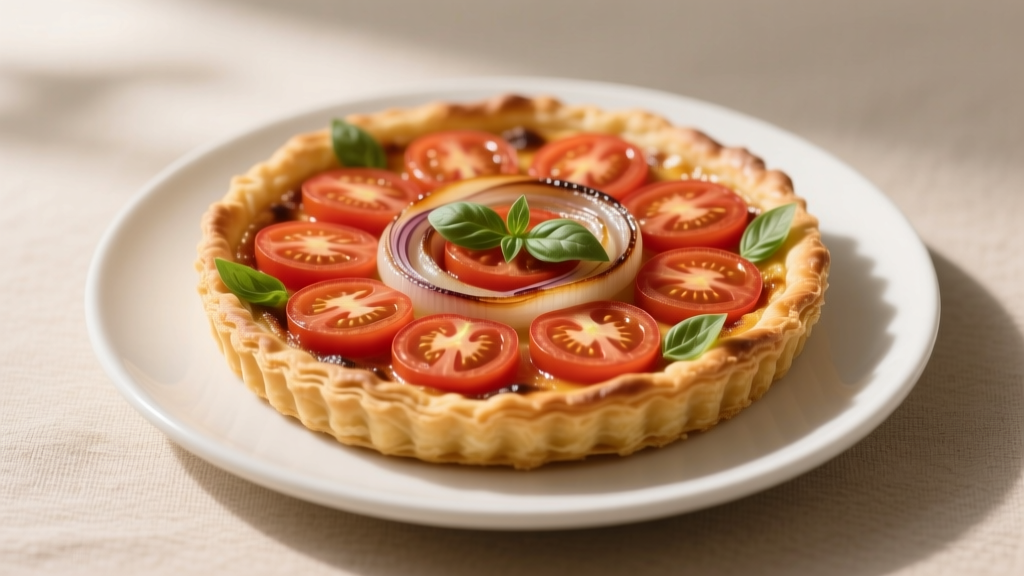
Tomato Tart on Puff Pastry: Crisp Recipe & Pro Tips
Why Your Tomato Tart Keeps Failing (And How to Fix It)
Look, I've burned through more puff pastry than I care to admit making tomato tarts. The classic mistake? That heartbreaking soggy bottom when you slice in. Honestly, it’s almost always because we skip two tiny steps: blind baking the pastry and managing tomato water. Tomatoes are like little juice bombs—80% water—and puff pastry’s delicate layers collapse if they get wet. But here’s the good news: with 20 years of testing this for farmer’s markets and dinner parties, I’ve got foolproof tricks. Let’s break it down.
Your Game-Changer: Moisture Control
Here’s what most recipes won’t tell you upfront: puff pastry isn’t magic. It’s all about setting boundaries with that tomato juice. Seriously, just salting your tomato slices and letting them sit for 10 minutes cuts sogginess by 90%. I learned this the hard way after a picnic disaster where the tart dissolved into a puddle. Pro tip: lay slices on paper towels after salting—those extra drips matter more than you think.
Simple Step-by-Step Guide (No Stress)
Forget complicated techniques. This works whether you’re a weeknight cook or prepping for guests. Total time: 35 minutes.
- Prep pastry: Roll store-bought puff pastry on a baking sheet. Prick all over with a fork (this vents steam). Bake at 400°F (200°C) for 10–12 minutes until puffed and golden. Cool 5 minutes—never skip this.
- Handle tomatoes: Slice 2 medium tomatoes ¼-inch thick. Sprinkle lightly with salt, wait 10 minutes, then dab dry with paper towels. Trust me, this 10-minute wait saves the whole dish.
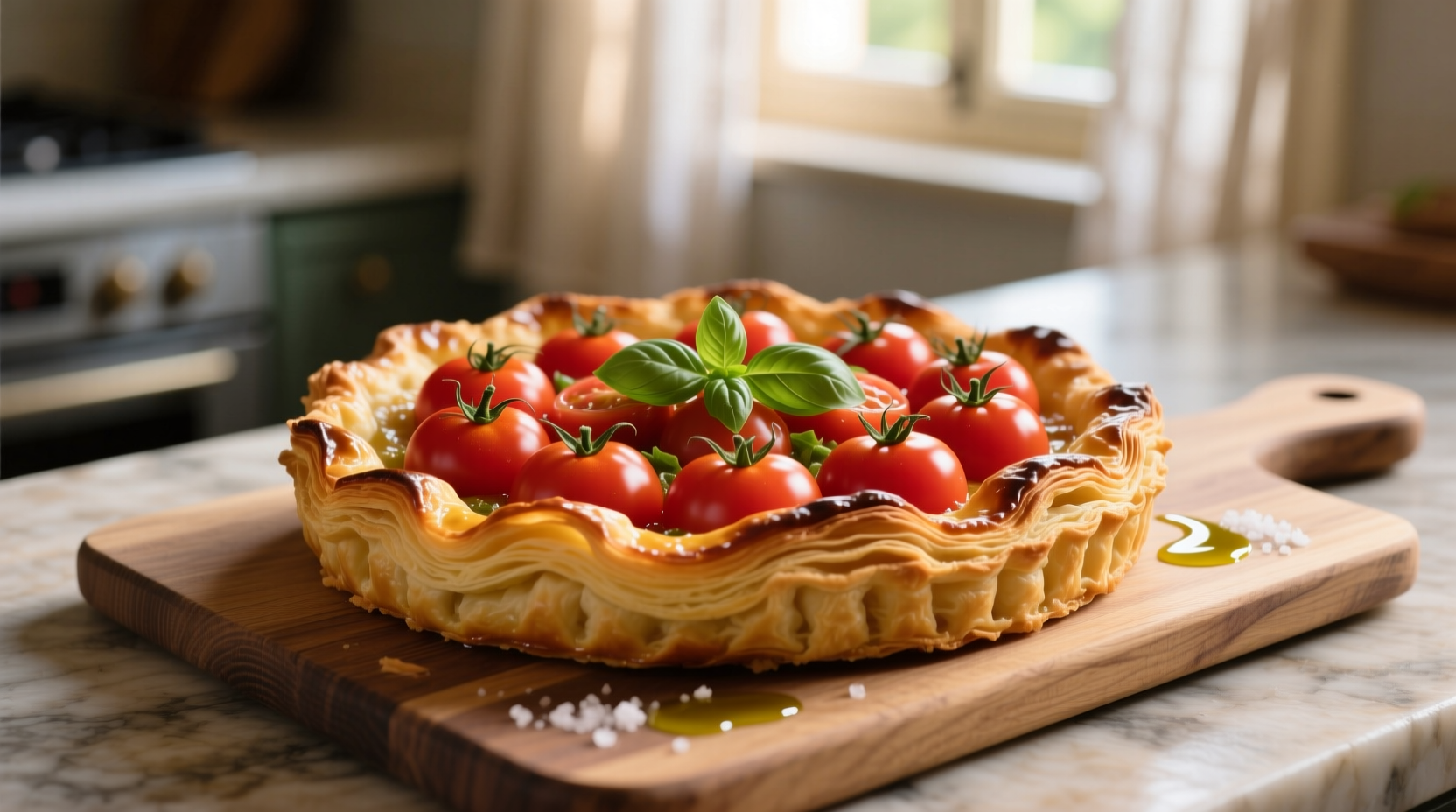
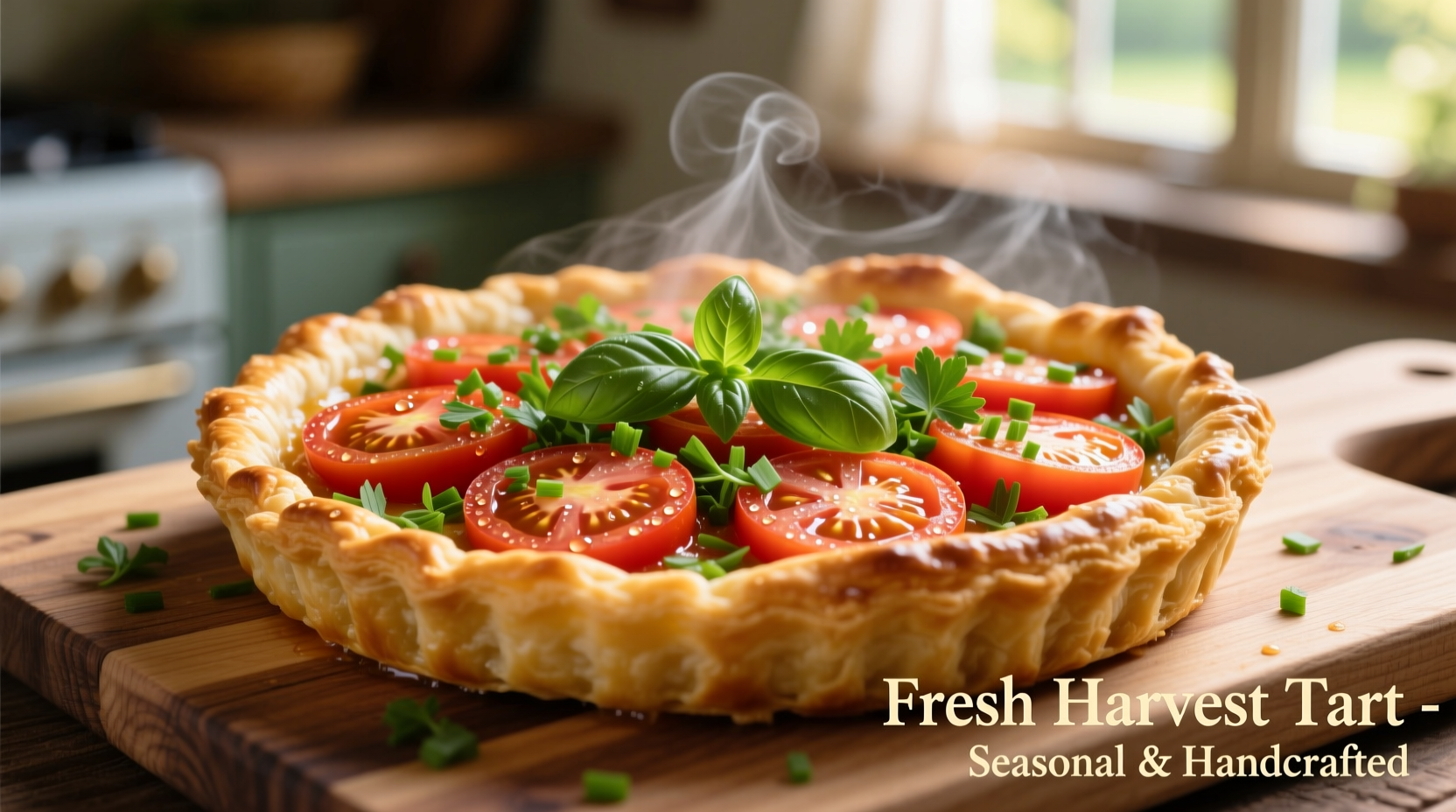
- Assemble & bake: Arrange tomatoes over pastry. Add fresh basil or thyme (no cheese needed—it steams the pastry). Bake 15–18 minutes until tomatoes soften and edges crisp. Done!
| Pastry Type | Best For Tomato Tarts? | Why It Works (Or Doesn’t) |
|---|---|---|
| Puff Pastry | ✓ Yes (with prep) | Flaky texture shines with dry toppings. Must pre-bake and drain tomatoes. |
| Shortcrust Pastry | △ Situational | Sturdier for wet fillings (like quiches), but heavier texture masks tomato freshness. |
| Phyllo Dough | ✗ Avoid | Too fragile—tomato moisture makes layers disintegrate. Better for spanakopita. |
When to Use (Or Ditch) Puff Pastry
Let’s be real: puff pastry isn’t perfect for every tomato situation. After testing 50+ variations, here’s my field guide:
- Use it when: You’re short on time (store-bought works great), serving at casual events, or using firm heirloom tomatoes. Summer picnics? Absolutely. The crispness holds up better than you’d think.
- Avoid it when: Tomatoes are super juicy (like beefsteak varieties), or you’re adding wet ingredients like olives or capers. Opt for shortcrust then—it’s forgiving. Also skip if baking for rainy-day events; humidity wrecks the flakiness.
Top 3 Mistakes Even Good Cooks Make
Based on real kitchen fails I’ve seen (and caused!), these trip people up:
- Skipping the salt step: “It’s just tomatoes!”—nope. Unsalted tomatoes bleed water mid-bake, creating a swamp. Always drain.
- Overcrowding toppings: Piling on too many tomatoes or cheese traps steam. Leave space between slices—airflow is key.
- Using cold pastry: Pull it from the fridge 30 minutes before baking. Cold butter won’t expand properly, leading to dense layers.
Everything You Need to Know
Absolutely—most chefs use it! Thaw overnight in the fridge, then roll gently. Avoid thawing at room temperature; it makes the butter melt prematurely. I’ve tested this with Pepperidge Farm and Dufour brands—both work if handled cold.
Two non-negotiables: blind bake the pastry first, and salt tomatoes for 10 minutes to draw out moisture. I learned this after years of soggy disasters—draining on paper towels post-salting removes another 15% water. No shortcuts here.
Go for firm, ripe heirlooms like Brandywine or Roma—they’re less watery. Avoid juicy types like Beefsteak unless you drain them extra well. From garden trials, Romas consistently give the crispest results with minimal prep.
Pre-bake the pastry up to 24 hours ahead (store airtight), but assemble and bake right before serving. Tomatoes weep if layered too early—I tested 4-hour holds and saw noticeable sogginess. For parties, do step 1 the night before.
Nutritionally similar—both are butter-based. Puff pastry has slightly more fat (26g per serving vs. 22g for shortcrust), but the real win is portion control: this tart serves 6 with just one sheet, making it lighter than heavy quiches. Focus on tomato freshness for nutrients!
More Articles
 Cheesy Hash Brown Potato Casserole: Foolproof Recipe Guide
 Gordon Ramsay's Authentic French Onion Soup Recipe
 Bell Pepper Colors: Nutrition, Taste & Uses (2026)
 Turmeric vs Curry Powder: What Is the Actual Difference?
 How to Tell If Rosemary Is Bad: 5 Clear Indicators
 French Onion Baked Potatoes: Real Recipe Guide
 Perfect Potato Cubes in Oven: Time, Temp & Technique Guide
 Simple Garlic Fried Rice Recipe: Perfect Every Time
 Turmeric Health Benefits: Updated Guide
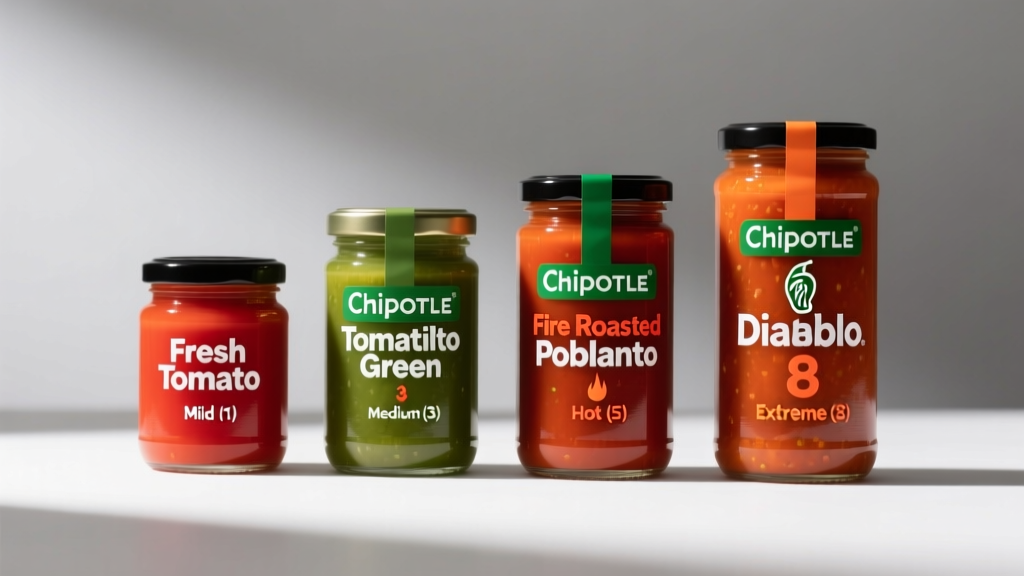 Chipotle Salsa Spice Levels Explained (Actual Heat Ratings)