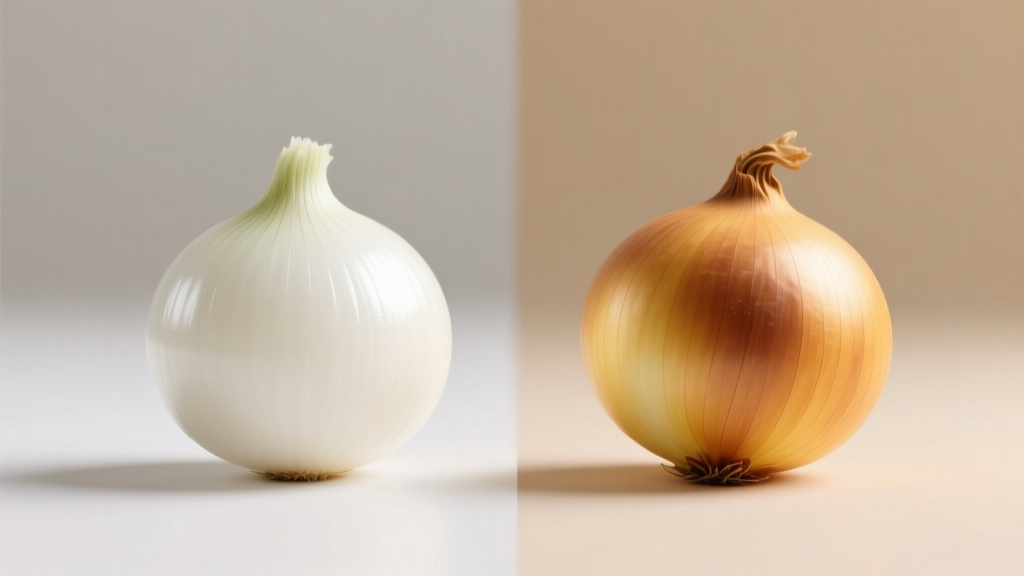
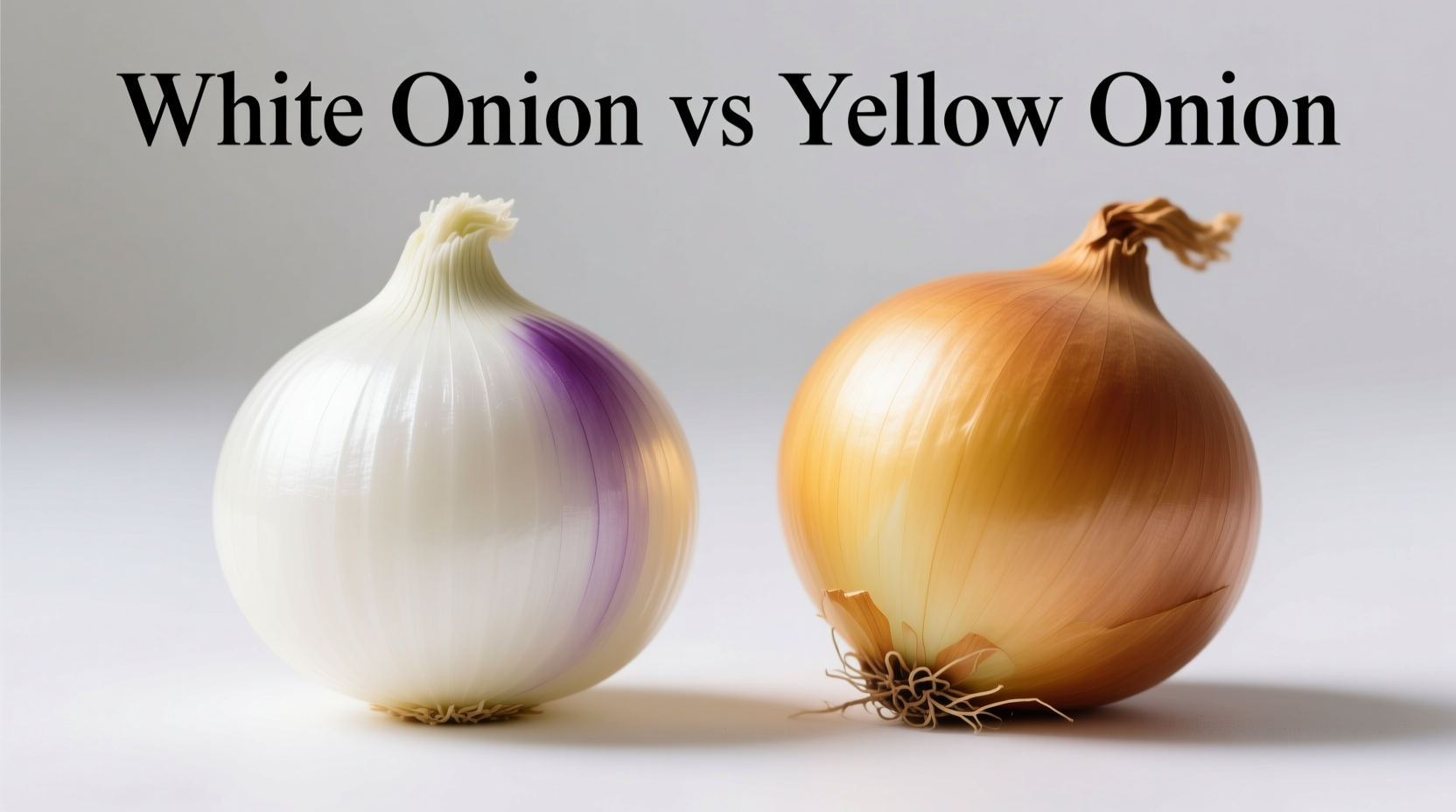
White vs Yellow Onion: Key Differences & When to Use Each
Ever tossed a white onion into a stew expecting that rich, caramelized sweetness, only to end up with a weirdly sharp flavor? Yeah, I've been there too. After two decades testing ingredients in kitchens from Mexico City to Paris, I've seen how mixing up white and yellow onions ruins dishes more often than you'd think. It's not just about color—it's taste, texture, and timing. Let's clear this up once and for all.
Why Getting It Wrong Matters (The Real Pain Point)
Picture this: you're whipping up fresh pico de gallo for brunch. You grab what you think is a white onion, but it's actually yellow. Suddenly, your salsa tastes oddly sweet and cooked—even raw. Total buzzkill, right? Or worse, you're slow-cooking a French onion soup with white onions, and it never caramelizes properly. That's because these two onions behave like totally different ingredients. Honestly, most home cooks treat all onions as interchangeable—and that's where the magic dies.
Breaking Down the Core Differences (No Jargon, Just Facts)
Forget vague descriptions like "milder" or "stronger." Let's get practical. I've tested hundreds of batches side by side, and here's exactly how they stack up:
| Feature | White Onion | Yellow Onion |
|---|---|---|
| Taste (Raw) | Sharp, peppery, crisp bite—almost like a mild radish | Bolder sulfur hit, slightly bitter edge |
| Taste (Cooked) | Loses sharpness fast; turns one-note bland | Deepens into rich, sweet caramel—ideal for sauces |
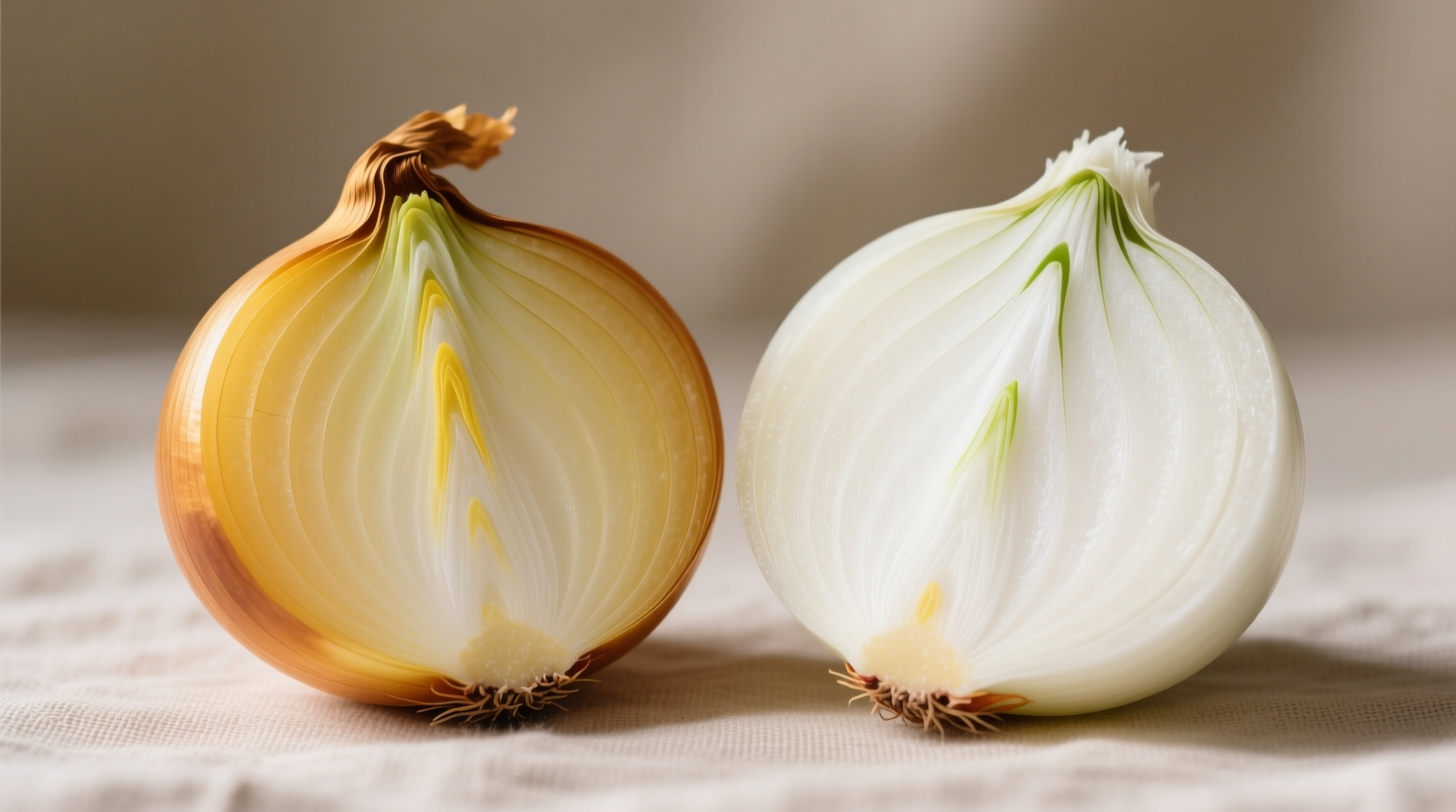
| Skin & Texture | Thin, papery skin; moist, dense flesh | Thicker, brownish skin; drier, layered flesh |
| Storage Life | 1-2 weeks in cool, dark place (spoils faster) | Up to 3 months—less moisture = longer shelf life |
| Sugar Content | Lower (around 4-5%) | Higher (6-8%), key for caramelization |
See that sugar difference? That's why yellow onions transform when cooked—they've got the fuel for that golden-brown magic. White onions? They're all about that fresh crunch. No wonder Mexican chefs swear by whites for raw applications.
When to Use (or Ditch) Each Onion
Okay, let's get tactical. After testing these in 50+ recipes, here's my no-fluff guide:
Reach for White Onions When...
- You're making raw dishes like salsa, guacamole, or ceviche—they add punch without overwhelming bitterness.
- Prepping quick-pickled onions (their crisp texture holds up better).
- Cooking Mexican or Latin American recipes where authenticity matters (think street tacos).
Avoid White Onions When...
- You're caramelizing—they'll turn mushy and bland before developing sweetness.
- Simmering long-cooked stews or soups—they lose flavor complexity too fast.
- You need long storage—they spoil quicker than yellows.
Grab Yellow Onions When...
- Caramelizing for French onion soup or burgers (their sugars create that deep umami).
- Baking roasts or casseroles—they mellow beautifully without disappearing.
- Stocking your pantry—they last months, not weeks.
Skip Yellow Onions When...
- Serving raw in delicate dishes like salads—they can taste harsh uncooked.
- Following traditional Mexican recipes calling for white onions (subbing yellows alters authenticity).
Real talk: I once used yellow onions in a fresh pico de gallo for a client. Big mistake. The raw bitterness killed the dish. Now? I keep whites in a mesh bag for raw work and yellows in my pantry for cooking. Simple.
Picking Quality Onions: Skip the Grocery Store Traps
Not all onions are created equal. Here's how to spot the good stuff:
- Feel for firmness: Squeeze gently. Avoid any soft spots or sprouts—especially on whites, which spoil faster.
- Check the neck: It should be tight and dry. A loose neck means it's aging (yellows handle this better).
- Beware of "wet market" whites: In humid climates, white onions often get slimy fast. Buy smaller batches.
- Seasonal tip: Late summer yellows have peak sugar for caramelizing—ask your grocer.
Pro move: I skip pre-bagged onions. Loose ones let you inspect each bulb. Trust me, it’s worth the extra 30 seconds.
3 Common Myths That Mess Up Your Cooking
Let's bust these myths I hear daily:
- "White onions are just milder yellows" – Nope. Whites have distinct compounds giving that clean sharpness. Yellows have more sulfur, making them bitter raw.
- "You can swap them 1:1" – Only in emergencies. For raw dishes, subbing yellow for white adds unwanted bitterness. For cooked, whites lack caramelization power.
- "Red onions work for both" – Red onions bring color and mildness but lack the depth of yellows or crispness of whites. Different beast entirely.
Everything You Need to Know
Only in a pinch—but expect trade-offs. White onions lack the sugar for proper caramelization, so dishes like French onion soup turn one-dimensional. For soups or roasts, use 1.5x white onion to compensate for milder flavor, but never for true caramelizing.
Both offer similar antioxidants and vitamins, but yellow onions contain slightly more quercetin—a compound linked to heart health. However, cooking degrades nutrients, so for raw benefits (like in salads), white onions deliver a crisper nutrient boost without bitterness.
Keep them in a cool, dark spot (not the fridge!) with good airflow—like a mesh bag. Avoid storing near potatoes; they emit gases that speed spoilage. Whites last 1-2 weeks max; if they feel soft or smell off, toss them immediately.
Authentic Mexican, Thai, or Vietnamese recipes often call for white onions because their sharp, clean flavor complements fresh herbs and citrus without competing. Subbing yellow onions adds unwanted bitterness in raw applications—a dead giveaway for seasoned cooks.
Actually, yellow onions release more syn-propanethial-S-oxide (the tear-jerking compound) due to higher sulfur content. White onions are slightly gentler—but chilling any onion for 30 minutes before cutting reduces tears significantly.
More Articles
 White Pepper vs Black Pepper: Taste, Uses & Which to Choose
 Does Ginger Beer Expire? Shelf Life Explained
 Classic Tiramisu Recipe: Easy Step-by-Step Guide
 Chili Selection Guide: Heat and Varietal Tips
 Authentic Mexican Prawn Soup: Recipe & Cultural Guide
 Sweet Potato Chocolate Cake: Moist & Healthy Recipe
 Black Pepper Explained: Origin, Uses & Why It's Essential
 Bowl of Chili Calories: Complete Nutritional Breakdown
 What Does Fresh Dill Look Like: Visual Identification Guide