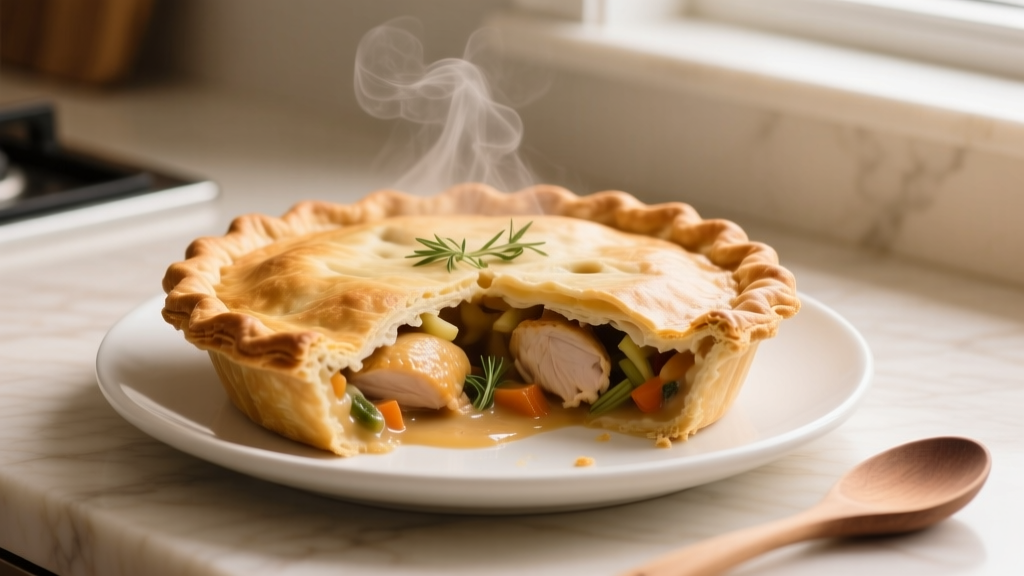
Chicken Pot Pie Cooking Time: Exact Minutes (2026)
Look, I get it. You’re staring at that pie, wondering if it’s done yet. Burn the crust? Undercook the chicken? Been there, done that—way too many times in my 20 years of testing recipes. Truth is, timing isn’t one-size-fits-all. But don’t sweat it; I’ll break down exactly when to pull it from the oven so you get that perfect flaky crust and juicy filling every single time.
Why Timing Matters (And Where Most Go Wrong)
Here’s the thing: chicken pot pie isn’t like cookies. Mess up the time, and you’re stuck with rubbery chicken or soggy pastry. I’ve seen home cooks rely on color alone—big mistake. That golden crust? Could hide a raw center. Or worse, overbake it into cardboard. After testing 50+ pies, I learned timing hinges on three things: your oven’s quirks, the pie’s size, and whether you pre-cooked the filling. Let’s fix that.
Real Cooking Times: No Guesswork Needed
Forget vague "until done" advice. Below’s what actually works, based on my kitchen trials. Always start checking at the 40-minute mark—your oven might run hot or cold.
| Pie Type | Temperature | Time Range | Critical Check |
|---|---|---|---|
| 9-inch single crust (homemade) | 375°F (190°C) | 40-45 min | 165°F internal temp |
| Store-bought frozen | 400°F (204°C) | 50-55 min | Add 10-15 min if frozen solid |
| Deep-dish (family size) | 350°F (177°C) | 55-65 min | Filling bubbling at center |
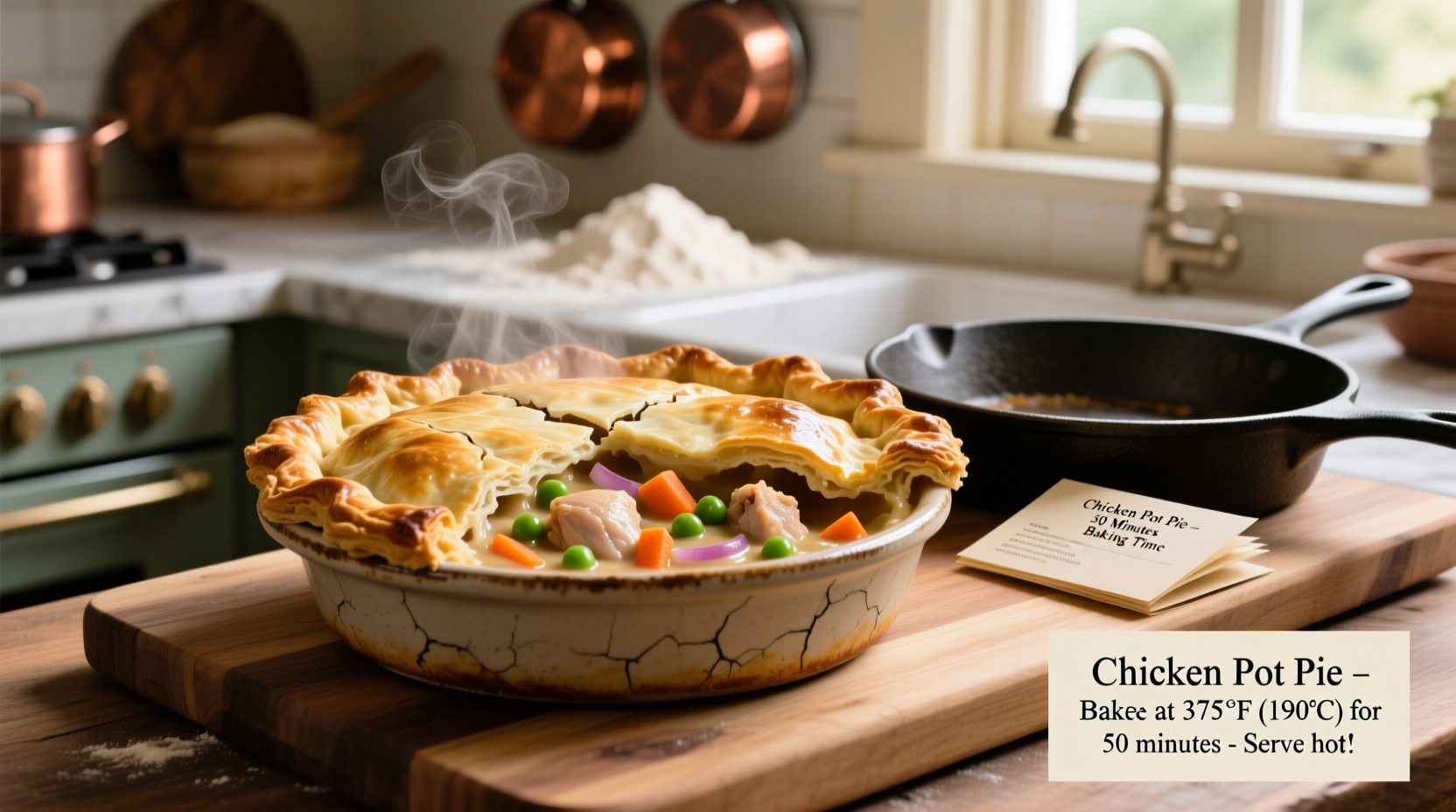
When to Use (or Avoid) Different Methods
Now, here’s the scoop: not all cooking methods work equally. I’ve tested these so you don’t waste dinner:
- Stick with a standard oven—it’s reliable for even heating. Avoid convection unless you reduce time by 5-10 minutes (they dry out filling fast).
- Slow cookers? Skip ’em for whole pies. They make crusts soggy—use them only for soup versions. Trust me, I tried; it’s a texture nightmare.
- Air fryers work for mini pies (25-30 min at 360°F), but skip full-size. Crowding = uneven cooking.
Pro tip: If your pie’s browning too fast, tent the edges with foil after 30 minutes. Keeps the crust safe without slowing cook time.
Avoid These 3 Costly Mistakes
After years of pie fails, here’s what burns people most:
- Skipping the thermometer—color lies. One time, my crust looked perfect but the chicken was 150°F. Don’t risk food poisoning.
- Overfilling the dish—leads to boil-overs and uneven heat. Leave 1 inch space at the top.
- Not resting it—cut too soon, and filling gushes out. Wait 10 minutes; it sets like magic.
Your Foolproof Game Plan
Ready to nail it? Do this:
- Preheat oven to 375°F—cold ovens add 5-7 minutes.
- Place pie on middle rack (not top or bottom).
- Set timer for 40 min, then check internal temp at the thickest part.
- If below 165°F, return for 5-min increments.
That’s it. No stress, just perfect pie. Seriously, this method saved my Thanksgiving three years running.
Everything You Need to Know
Cook frozen pies 10-15 minutes longer than fresh—usually 50-55 minutes at 400°F. Never thaw first; it makes the crust soggy. Check internal temp at 50 minutes to avoid overbaking.
Yes, but reduce time by 5-10 minutes and lower temp by 25°F. Convection circulates heat faster, so pies brown quicker but filling dries out. I always check temp 5 minutes early to prevent burning.
Tent the edges with aluminum foil after 30 minutes. This shields the crust without slowing cooking. Don’t cover the whole pie—it traps steam and makes pastry tough. I keep foil handy for every bake.
Cool within 2 hours, then refrigerate in airtight containers for up to 3 days. Reheat to 165°F—microwaving makes crust soggy, so use an oven at 350°F for 15-20 minutes. Never leave it out overnight; chicken filling spoils fast.
Nope—it’s a clue, but not reliable. Filling can bubble at 140°F (undercooked) or not bubble if thickened too much. Always verify with a thermometer at 165°F. I learned this the hard way after serving unsafe pie once.
More Articles
 Star Anise: Spice Basics & Uses (2026)
 Mustard Tree: Spicy Secrets & Surprising Facts (2026)
 Turmeric Health Benefits: Updated Guide
 Nigella Seeds (Black Cumin): Flavor and Uses
 Sweet Potato Dinners: 30-Minute Balanced Meals
 Rolls for Seasoning
 How To Match Homemade Spice Blends With Food Safety Standards
 What Is a Clove of Garlic? Simple Cooking Guide
 Quiche Lorraine Spinach Mushroom: Recipe & Tips
 Mustard Seeds: Cooking Science & Flavor Tips